Back to Blog
Stay in Te Anau before a morning Milford Sound cruise if you want to self-drive and stop along Milford Road. Take a coach from Queenstown if you prefer one very long day without mountain-road fatigue. Driving from Queenstown and back around a cruise is possible, but DOC treats it as a 12–14-hour plan, not a casual day trip. co:sim can help with preparation and bookings before you enter limited-reception sections.
Cover photo: Krzysztof Golik, CC BY-SA 4.0. Cropped and converted; original licence retained.
Choose Te Anau when Milford Sound is a priority rather than an add-on. DOC says the Te Anau–Milford return is 240 km and needs an eight-hour day if you include scenic stops, short walks and a boat cruise. Sleeping in Te Anau puts the start of SH94 close to your hotel, makes an early departure realistic and leaves room to enjoy the road rather than merely complete it.
Keep Queenstown as your base when changing hotels is a bigger burden, you have only one available day, or you want a coach driver to manage the route. DOC gives the Queenstown return as 600 km and 12–14 hours and explicitly recommends planning the return trip from Te Anau. That official day-planning advice is more useful than optimistic commercial drive-time snippets.
| Plan | Best for | Main compromise |
|---|
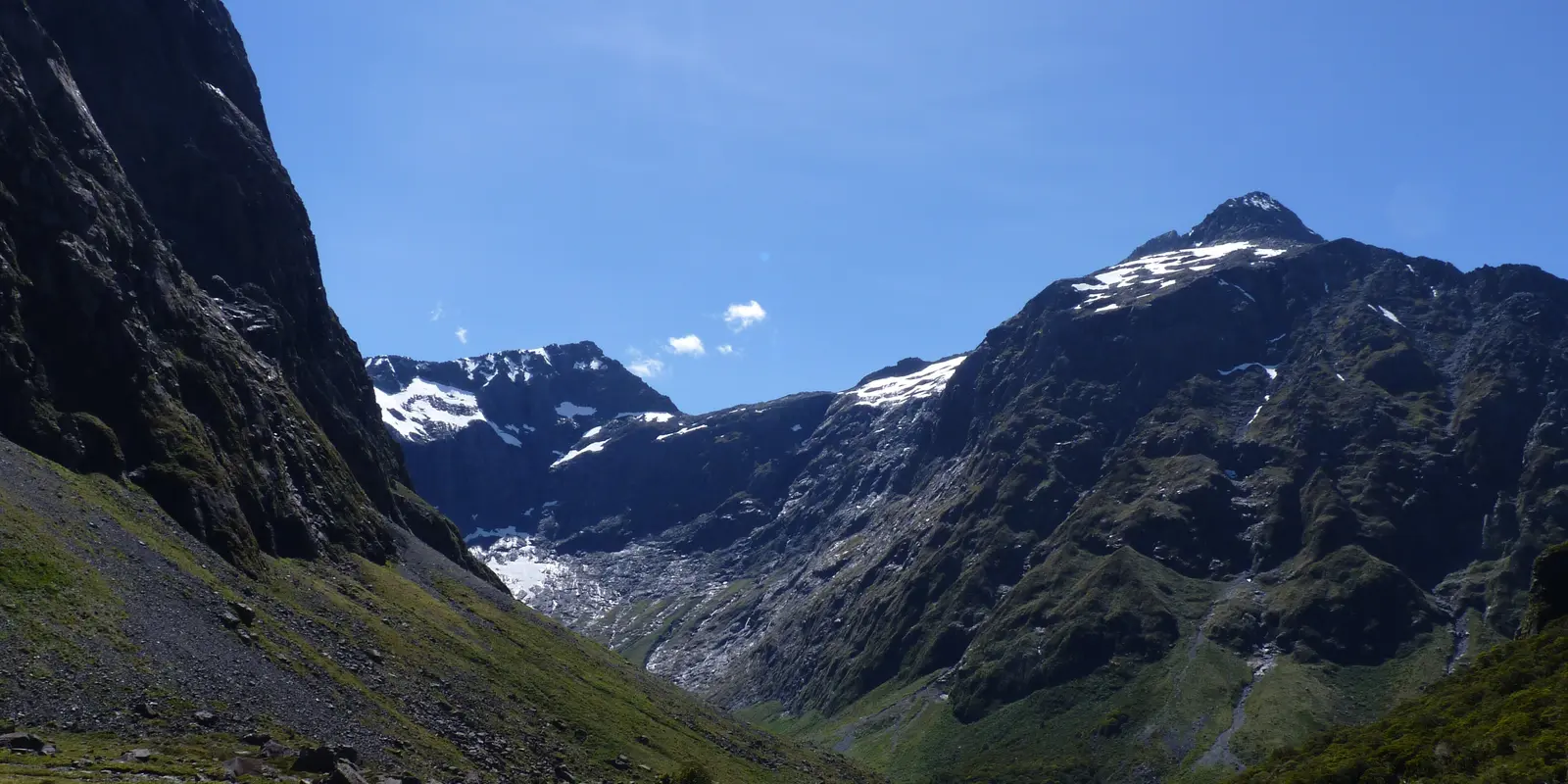
DOC describes the Milford Road section from Te Anau as 120 km and says the drive takes about two hours without stops. “Without stops” is the important phrase. Viewpoints, short walks, one-lane traffic at the Homer Tunnel, summer traffic and changing conditions all consume the margin that a bare navigation estimate hides.
For a morning cruise, work backwards from the operator's check-in time, then add parking, walking and a road buffer. RealNZ tells its own passengers to allow 45–60 minutes for parking and transfer and to check in 20 minutes before departure. Those figures describe RealNZ's product and terminal advice; another operator's confirmation may differ, so use the booking you actually hold.
Do not build the outward plan around every photo stop. Mark one or two priorities and leave optional stops for the return. If weather or road control slows the morning, protecting the cruise check-in matters more than completing a checklist beside the road.
Fill the tank and carry food and drinks. DOC says there are no shops or fuel stations between Te Anau and Milford Sound, with public toilets only at Te Anau, Knobs Flat and Milford. Check the SH94 status and forecast the evening before, then check again before departure.
Winter adds a separate decision. DOC warns that conditions require more caution, identifies an avalanche no-stopping zone, and advises carrying chains when required and knowing how to fit them. Road closures and delays can also follow rockfall, snow or avalanche conditions. If those tasks are outside your driving experience, a coach is a practical safety choice, not merely a convenience upgrade.
Download the cruise confirmation, road map and hotel address. DOC says mobile reception is limited, even though some stopping points have fibre-based reception. A New Zealand data-only eSIM from co:sim can support preparation and live checks where a network is available, but do not promise continuous mountain, tunnel or rural coverage.
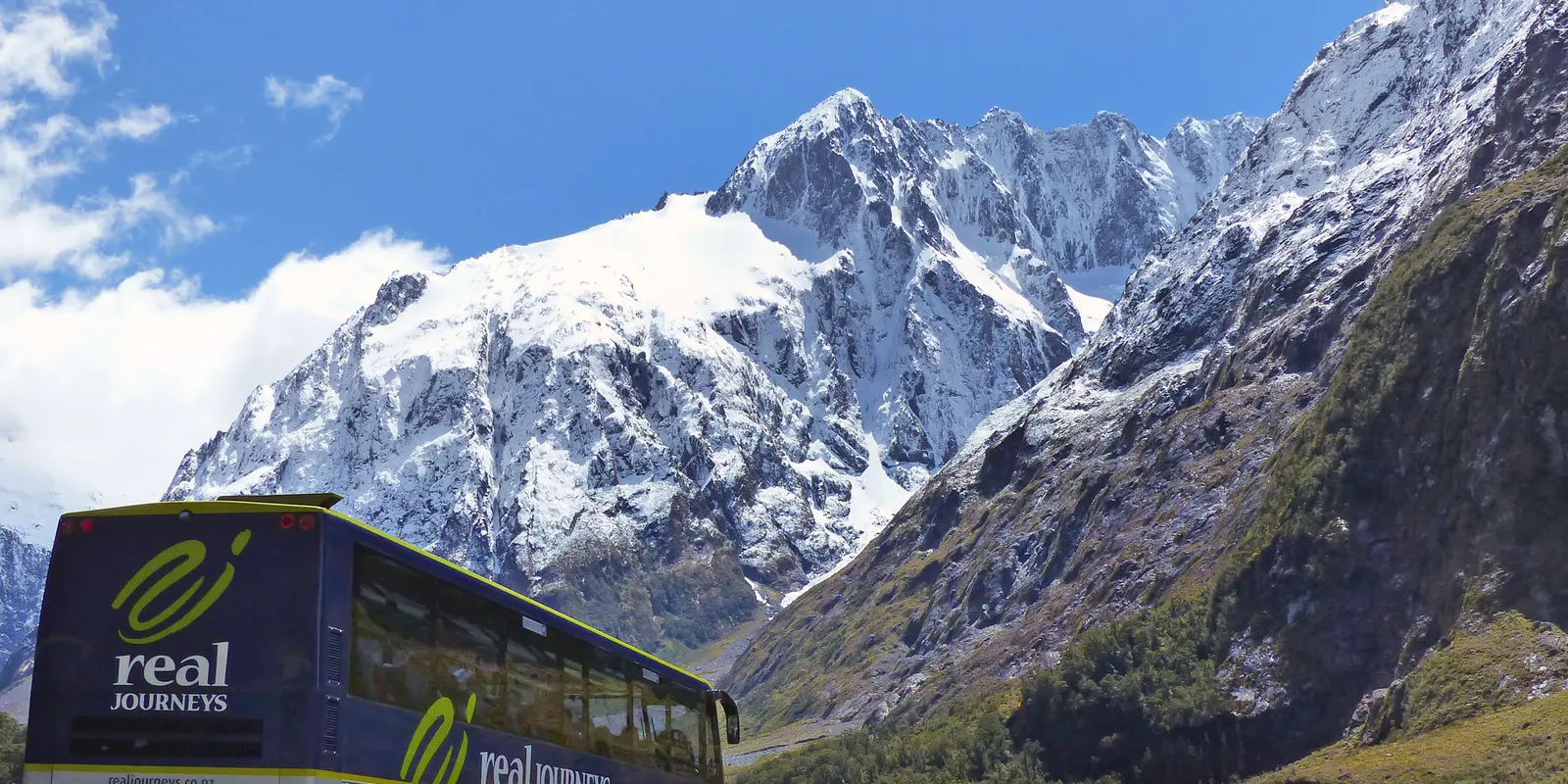
Choose a coach when the landscape matters more than control over every stop, when nobody wants to drive after the cruise, or when winter conditions make self-driving uncomfortable. A coach converts a long concentration task into rest time and removes the parking transfer from your personal driving plan. It does not shorten the geography: a Queenstown coach day is still long.
RealNZ advertises daily coach connections from Queenstown and Te Anau and says departures are around 07:00 and 10:00 respectively. Treat these as examples for RealNZ's current product, not a universal timetable. Confirm the pickup point, reporting time, included cruise, meal arrangements and return time on the exact package before choosing a non-refundable hotel night.
A coach also changes what “flexible” means. You give up spontaneous road stops and must be at the pickup on time, but you gain a schedule designed to connect with its cruise. If photography stops are the central goal, a Te Anau self-drive may suit better. If the cruise is the goal and Queenstown is already your base, the coach usually makes the cleaner plan.
Choose the operating model first, then book the cruise around it. A morning sailing combined with self-driving points toward a Te Anau night. A Queenstown coach package links transport and cruise, so compare the whole package rather than buying a cruise independently and hoping the coach connects. A later sailing may add driving margin, but it can also push the return later.
Then read the cancellation terms for the product you are actually buying. RealNZ says its Signature Cruise and named day trips booked directly have a 24-hour cancellation or reschedule policy, while some premium and overnight products have longer notice requirements. That policy belongs to RealNZ bookings; it does not describe every cruise company, hotel, coach or third-party retailer.
Finally, make a weather-resilient sequence: book a cancellable or changeable hotel when practical, keep the afternoon before the cruise free for reaching Te Anau, and avoid putting a critical flight immediately after a very long Queenstown return. co:sim's Australia and New Zealand regional plans may suit a two-country itinerary, but offline confirmations remain essential in Fiordland.
Check SH94, the Milford forecast and operator messages before dinner. Refuel, buy breakfast and lunch supplies, and lay out warm layers, waterproof outerwear and sturdy shoes. Confirm the exact check-in location rather than navigating only to “Milford Sound.” If driving, set a latest departure time and a turn-back decision for closures or a margin that becomes too small.
In the morning, recheck road status before leaving accommodation. Use live data as one input, never as the only copy of your booking or map. co:sim delivers a QR code by email after checkout and offers data-only service with no phone number, so install before the remote leg and retain your primary SIM if the operator may call or text.
Yes for most self-drivers. Te Anau sits at the start of Milford Road, while DOC plans the Te Anau–Milford return, scenic stops, short walks and a cruise as an eight-hour day. That gives a morning departure a workable shape without adding the Queenstown–Te Anau leg before and after it. Stay in Queenstown instead when you want one hotel base and will take a coach, or when moving luggage would cost more time than it saves. Book the cruise only after matching its check-in to a realistic road plan. Fill the tank and buy food in Te Anau because DOC says there are no shops or fuel stations on the road to Milford. A co:sim New Zealand eSIM can help with status checks where service exists, but download confirmations and maps because mobile reception is limited.
You can, but treat it as an endurance itinerary. DOC gives the return at 600 km and 12–14 hours and recommends planning the Milford return from Te Anau instead. A cruise, parking, weather, the Homer Tunnel and scenic traffic leave little spare time inside that day. If two rested drivers deliberately accept the length, start early and set conservative turnaround rules. Otherwise, move the previous night to Te Anau or take a coach from Queenstown. Do not use a shorter commercial “driving time” to replace DOC's full-day planning advice; it often excludes stops and the cruise. Keep your next flight or fixed event away from the expected return. Navigation updates may help in connected areas, but continuous reception along SH94 is not guaranteed and should never be part of the safety margin.
A coach is worth considering when you want to keep a Queenstown hotel, avoid driving fatigue and connect transport with a cruise. The day remains long, but you can watch the scenery instead of managing SH94, parking and the return after a boat trip. Check what the exact package includes: pickup location, reporting time, cruise, stops, food and return estimate. RealNZ lists daily connections from Queenstown and Te Anau, but that is its own service rather than a nationwide schedule. Self-drive from Te Anau fits better when you value independent photo stops and are comfortable with alpine conditions. A coach fits better when the cruise is the priority. Keep the booking offline; a data-only co:sim plan has no phone number, so retain another reachable contact method if the operator uses calls or SMS.
Road and cruise decisions are separate. DOC tells drivers to check SH94 because weather, rockfall, snow and avalanche risk can close or delay the road. The cruise operator decides whether its sailing runs and what remedy its booking conditions provide. RealNZ says its named direct-booking products allow changes or refunds under its stated notice and cancellation terms, but those terms apply only to RealNZ and vary for premium or overnight products. Read the confirmation from your own seller, including third-party conditions, before relying on that example. If the road is open but your personal schedule no longer works, that may not count as an operator cancellation. Build flexibility into the hotel and onward itinerary, save contact details, and use mobile data only for preparation and messages where a network is available. Do not depend on mountain reception to resolve a same-morning problem.
For a morning cruise, make Te Anau the self-drive base or let a coach carry the long Queenstown day; DOC road status and your operator's confirmation remain authoritative.
Mexico
1-day trip pass
From $2.99
Canada
1-day trip pass
From $2.99
Brazil
Valid 7 days
From $3.99
Instant delivery by email · Install before you fly
 Travel Tips
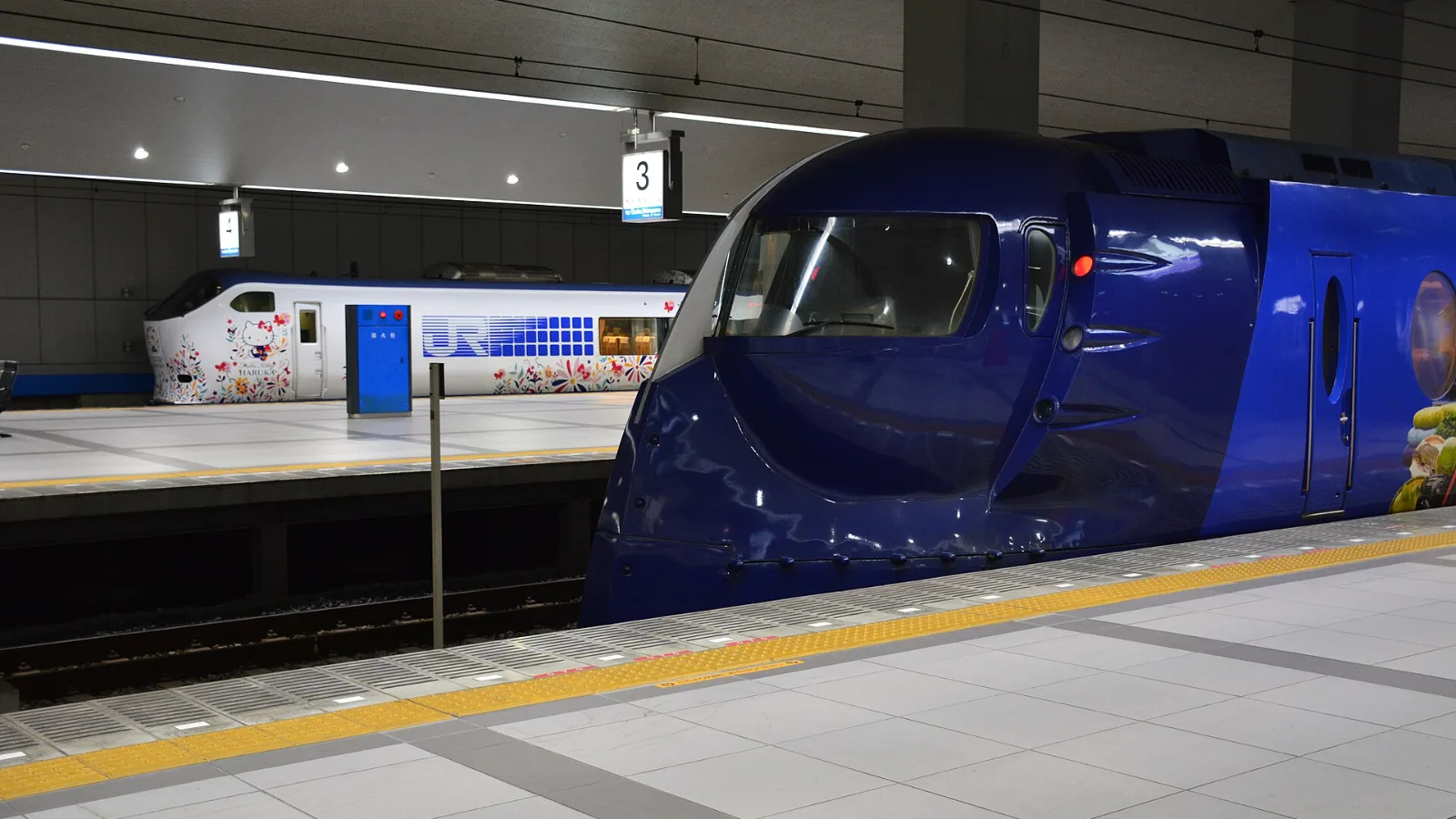
Take the Nankai Rapi:t if you are staying around Namba, Dotonbori or Shinsaibashi and want a reserved seat with luggage space. Take the JR Haruka if you are going to Tennoji, Osaka Station, Shin-Osaka or Kyoto, or you hold a Japan Rail Pass. The two trains end in different parts of the city, so your hotel decides the answer more than the fare.
 Travel Tips
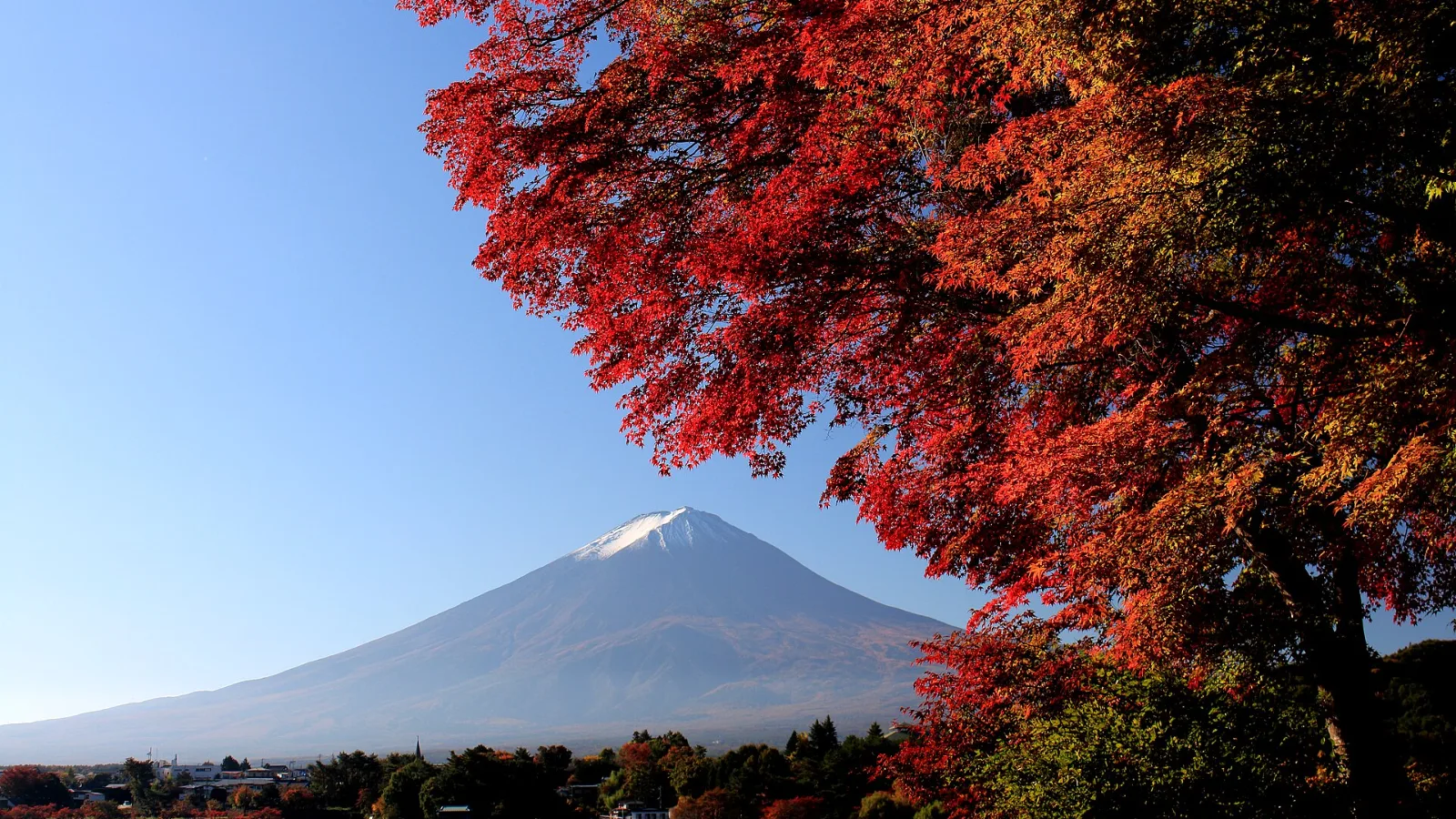
Take the highway bus from Shinjuku if you want the lowest fare and the widest choice of departure times, and can accept some traffic risk on busy days. Take the Fuji Excursion train if you want a fixed arrival time, hold a JR pass, or are travelling on a weekend or holiday when roads around Mt Fuji fill up. The train costs roughly double the bus without a pass.
 Travel Tips
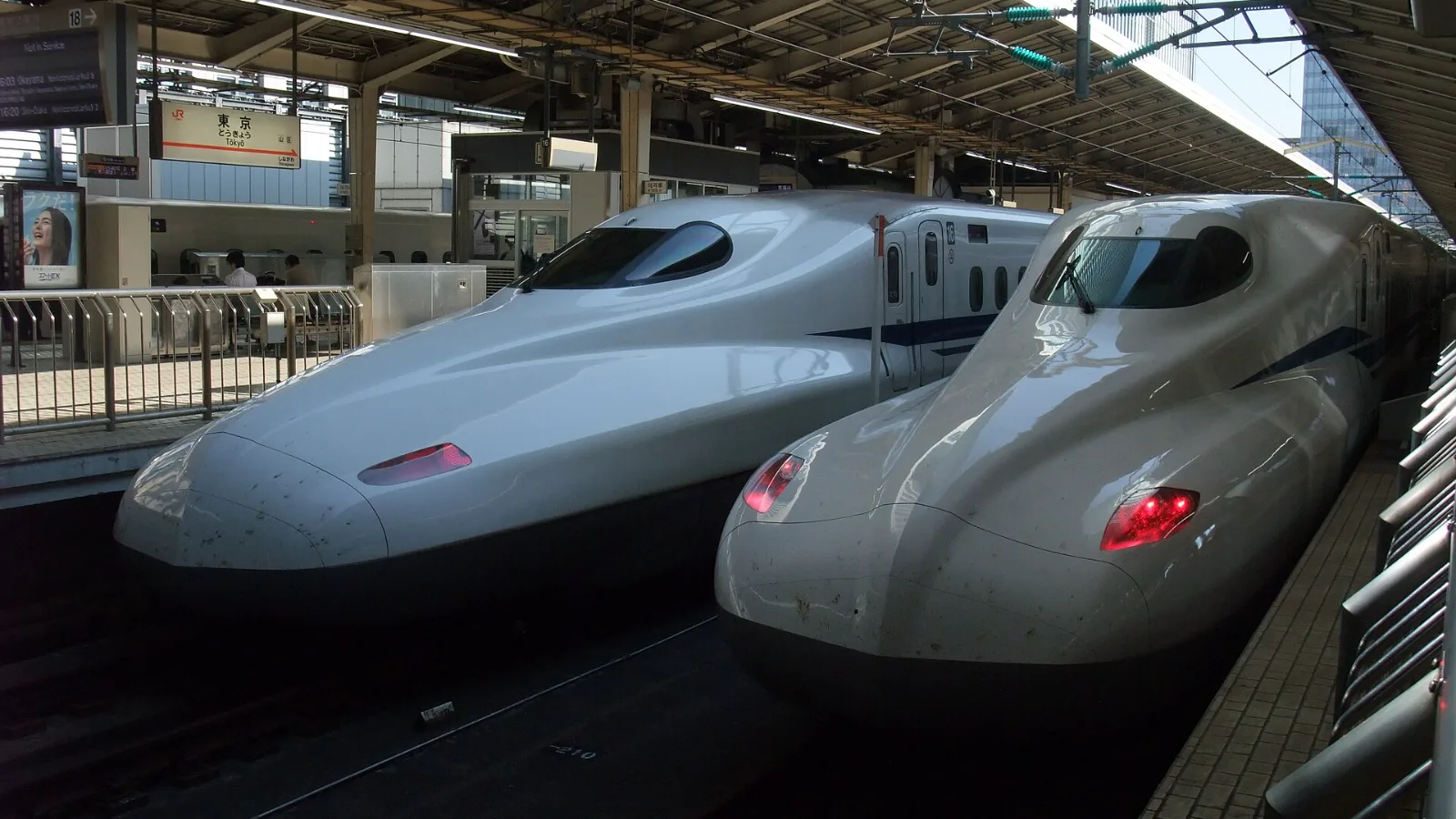
Book a reserved seat on the Tokaido Shinkansen if you travel on a designated peak date, carry a large suitcase, travel as a group or board mid-route at Kyoto or Nagoya. A non-reserved ticket suits a solo traveler with light luggage who values the freedom to take any train that day. On peak dates JR Central sells every Nozomi seat as reserved, so a non-reserved ticket no longer buys a seat on the fastest trains ([JR Central](https://railway.jr-central.co.jp/nozomi/)).
| Te Anau + self-drive | Scenic stops and control over pace | Hotel change and alpine driving |
| Queenstown + coach | One-base itinerary and no driving fatigue | Long scheduled day, fewer independent stops |
| Queenstown + self-drive | Drivers who deliberately accept a 12–14-hour day | Fatigue, weather and little timing margin |
1-day trip pass
From $2.99
 co:sim Team