Take the highway bus from Shinjuku if you want the lowest fare and the widest choice of departure times, and can accept some traffic risk on busy days. Take the Fuji Excursion train if you want a fixed arrival time, hold a JR pass, or are travelling on a weekend or holiday when roads around Mt Fuji fill up. Without a pass the train costs roughly double the bus ().
Kawaguchiko, on the north side of Mt Fuji, is the most popular base for a day trip from Tokyo. Two direct options leave from Shinjuku. Highway buses depart from the Shinjuku Expressway Bus Terminal (Busta Shinjuku) many times a day. The Fuji Excursion is a limited express train that runs straight from Shinjuku to Kawaguchiko a few times each morning, with every seat reserved.
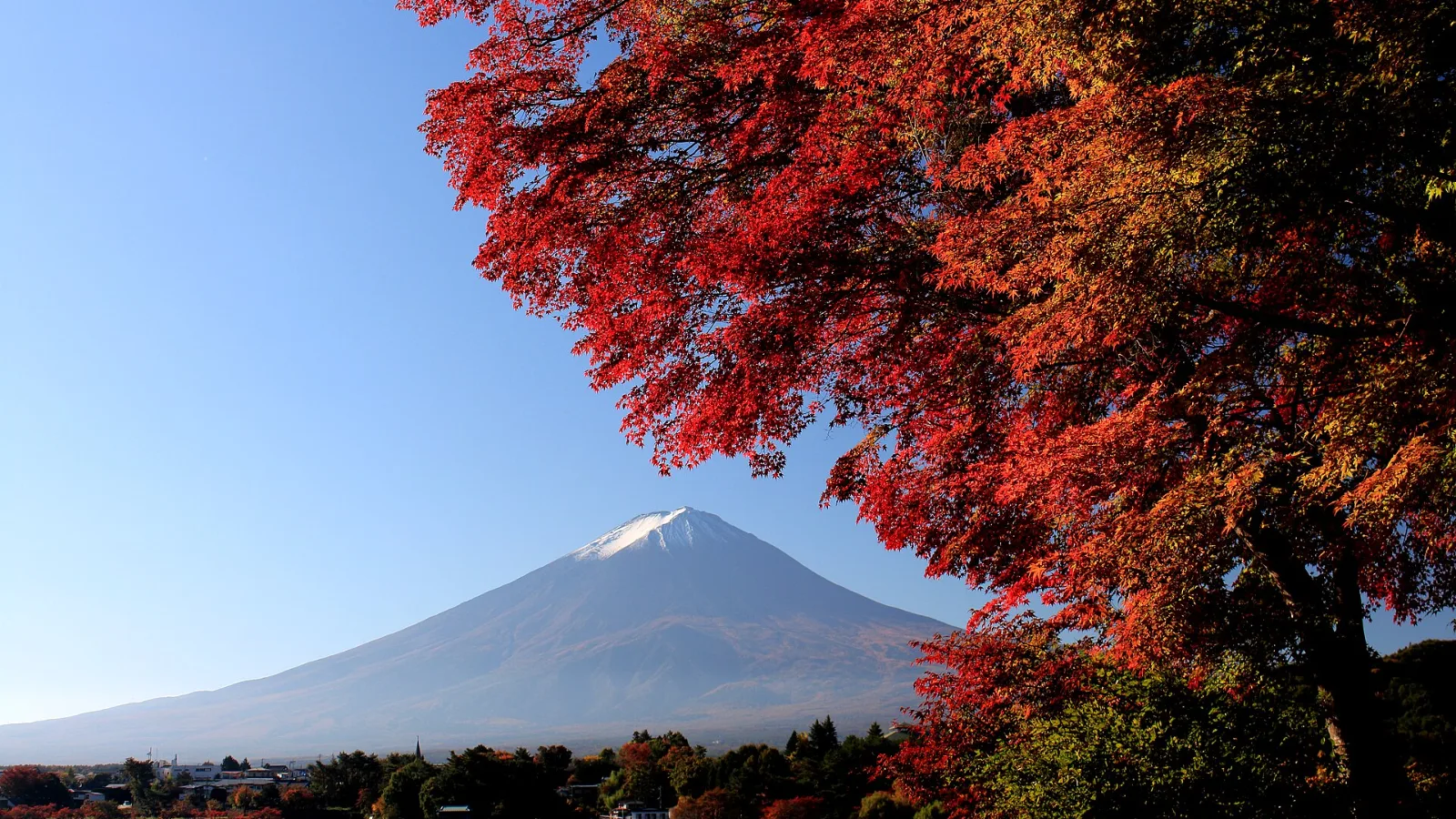
Late autumn is one of the best times to go. Observation data cited here shows Mt Fuji is most often visible in the mornings and from November to February, which also means busier weekends around the lake. Your departure time, your budget and how much a traffic delay would cost you decide the choice.
Your situation
Better starting choice
What to check before booking
Lowest fare, flexible about timing
Highway bus
Departure and return times after any timetable change
Weekend, holiday or autumn-leaf season
Fuji Excursion
Seat availability one month ahead
Holding a JR Tokyo Wide Pass
Fuji Excursion
Seat reservation before travelling
Holding a nationwide Japan Rail Pass
Fuji Excursion
Extra charge for the Fujikyu section
Leaving Tokyo after mid-morning
Highway bus
Last return bus to Shinjuku
Mobile data helps on the day for checking bus delays, live Fuji cameras and local bus times around the lake. co:sim's Japan data-only eSIM plans cover that; they do not reserve seats or change timetables.
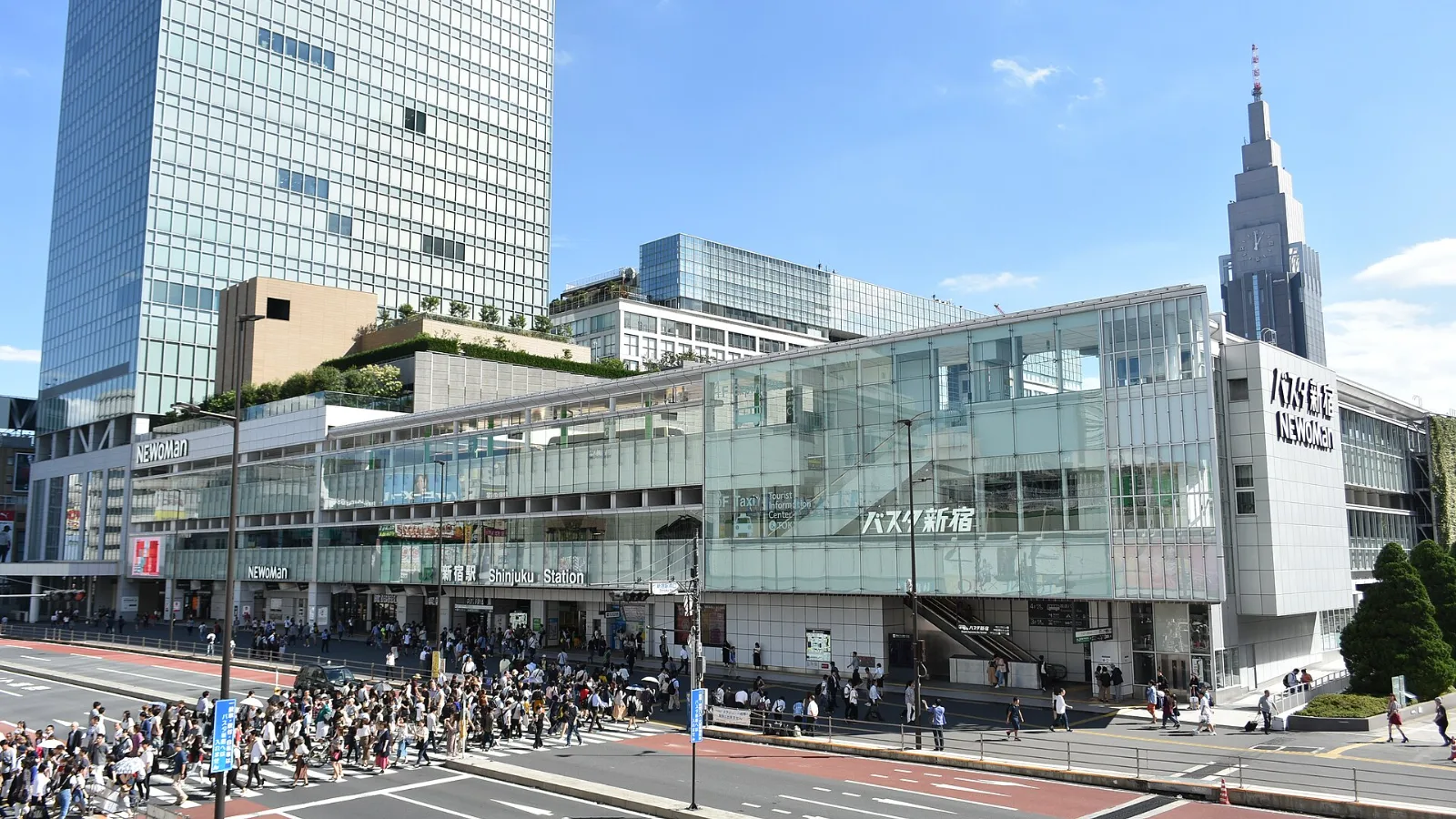
Highway buses to Kawaguchiko leave from Busta Shinjuku, above the south side of Shinjuku Station. This October 2026 guide lists a fare of about ¥2,200 one way, a scheduled journey of about 1 hour 45 minutes and dozens of departures a day starting from the early morning. Seats are reserved, and tickets go on sale one month ahead.
The scheduled time is the bus's weakness. It assumes normal traffic, and the road toward Fuji can slow down on weekends, public holidays and autumn-leaf days. The same guide suggests leaving Tokyo early and starting back before about 17:00 on busy days. It also notes that Shinjuku bus timetables change on 1 November, so check the operator's timetable for your exact date.
Buses have a luggage hold, so a suitcase is not a problem if you are moving on from Kawaguchiko. The fare advantage is real for groups: a pair of adults saves several thousand yen on a round trip compared with the train.
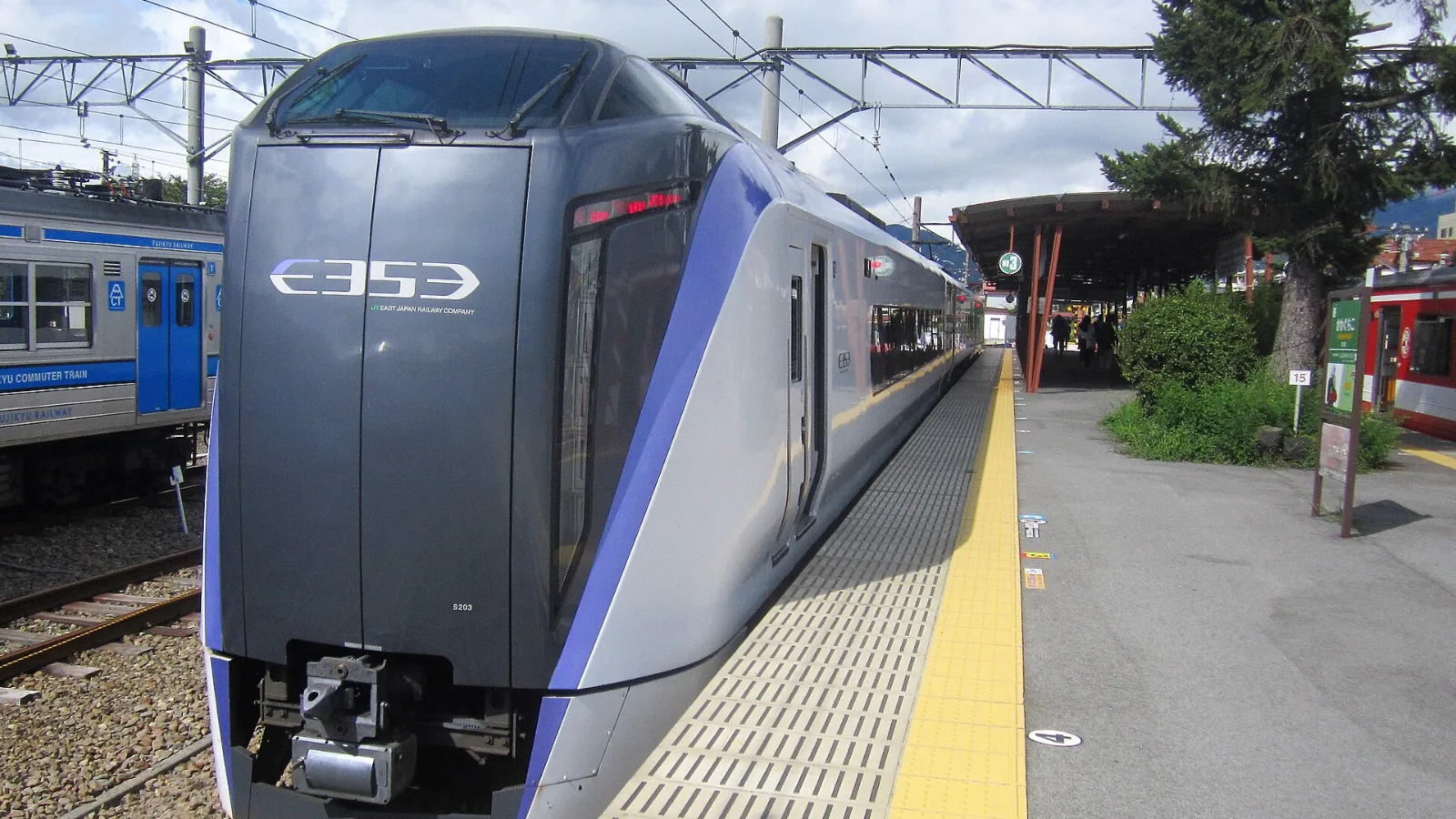
The Fuji Excursion runs directly from Shinjuku to Kawaguchiko over JR and Fujikyu tracks. This analysis gives a one-way fare of ¥4,200, made up of the ¥2,580 base fare and a ¥1,620 limited express charge. Every seat is reserved, and tickets go on sale one month ahead at 10:00 Japan time through JR East's booking site, ticket machines and offices.
The catch is the timetable. Under the schedule from March 2026, the same source lists four direct trains each way, with a fifth on some seasonal days. Departures from Shinjuku run in the morning, roughly 7:30 to 10:30, and returns from Kawaguchiko leave between about 14:00 and 17:40. The fastest trip takes about 1 hour 54 minutes, with stops at Tachikawa and Hachioji.
Trains do not sit in road traffic, which is the main reason to pay more. If you have a tight evening plan back in Tokyo, a fixed train return is easier to rely on than a bus on a busy Saturday.
Yes. With a JR Tokyo Wide Pass, the Fuji Excursion is covered in full; you only need to reserve a seat. With a nationwide Japan Rail Pass, the JR section to Otsuki is covered but the Fujikyu section is not. This breakdown puts the extra charge at about ¥1,770 one way, which is still cheaper than the bus.
Without a pass, the gap is large. The same source calculates a two-adult round trip at ¥16,800 by train against ¥8,800 by bus. If cost matters and you are travelling on a quiet weekday, the bus is the sensible default.
There is also a slower rail option: local and limited express trains with a change at Otsuki onto the Fujikyu line. This guide shows it can be cheaper or similar to the Fuji Excursion depending on the trains, but the change is awkward with luggage.
Book your seat as soon as your date is fixed, especially for the train or for weekend buses. Save the booking, the return departure time and the Kawaguchiko local bus routes offline. Check a live Fuji camera on the morning of travel; if the mountain is hidden, a later day may be a better use of the fare.
A co:sim data-only eSIM can be installed before you leave home so data works on the day. It provides data only, without a Japanese phone number, so keep your home SIM available for booking sites that send SMS codes, if your phone supports two lines.
Choose the bus or train that fits your date and budget first, then compare co:sim for the rest of your Japan trip.
#What are the common questions about getting to Kawaguchiko?
#Is the bus or train better from Shinjuku to Kawaguchiko?
The highway bus is better for most budget travellers, because it costs about half the train fare and runs many more times a day. The Fuji Excursion is better on weekends, holidays and autumn-leaf days, when road traffic can stretch the bus journey, and for JR pass holders.
This October 2026 guide lists the bus at about ¥2,200 and 1 hour 45 minutes scheduled, while this analysis gives the train at ¥4,200 and about 1 hour 54 minutes. The train runs only a few direct services each morning, so the bus suits a later start.
Yes. Every seat on the Fuji Excursion is reserved, and there is no unreserved car. Tickets go on sale one month before travel at 10:00 Japan time, according to this source, and popular dates sell out.
JR pass holders still need a seat reservation. Book through JR East's online service, a ticket machine or a ticket office. If you plan to return by changing at Otsuki instead, reserve that connection ahead too, because ticket sales at some smaller stations are limited.
#Does the Japan Rail Pass cover the Fuji Excursion?
The nationwide Japan Rail Pass covers only the JR part of the Fuji Excursion, as far as Otsuki. You pay for the Fujikyu section separately, about ¥1,770 one way according to this breakdown. The JR Tokyo Wide Pass covers the whole journey.
Even with the extra Fujikyu charge, a nationwide pass holder pays less than the bus fare. Reserve your seat before the travel day, because the train has no unreserved seating.
You will usually have mobile data in Kawaguchiko town and around the lake, which helps with local bus times and live Fuji cameras. Coverage on higher trails and at the Fifth Station can be weaker, so save your return booking and maps offline.
A co:sim data-only eSIM provides data without a phone number, calls or SMS. You can install it before the trip and use it all day. Compare the network and validity on co:sim's Japan plan page before choosing.
 co:sim Team