Back to Blog
For a Tokyo–Kyoto–Osaka trip, start by pricing individual tickets: the nationwide Japan Rail Pass needs considerably more travel to justify its cost. A longer circuit can work, but only if the eligible journeys fit the pass period. Keep connectivity separate: co:sim supplies mobile data for checking bookings, not a rail ticket.
The nationwide Japan Rail Pass is a visitor rail product covering specified Japan Railways Group services. It is different from a regional JR pass and from a stored-value transport card. Your comparison needs the exact pass, purchase channel and travel dates, rather than a remembered price from an older trip.
The official price page currently distinguishes direct online purchases from overseas agency exchange orders. These are adult Ordinary-class prices in Japanese yen:
| Validity | Official online purchase | Overseas agency exchange order |
|---|---|---|
| 7 days | ¥50,000 | ¥53,000 |
| 14 days | ¥80,000 | ¥84,000 |
| 21 days | ¥100,000 | ¥105,000 |
Green-class passes cost more. Compare equivalent accommodation, not a Green pass with ordinary-seat tickets. Foreign-currency conversion and agency charges can also change the amount you actually pay. Recheck the linked price page before purchase; the route calculations below use the ¥50,000 direct-online seven-day Ordinary pass as their baseline.
A pass can offer flexibility even when it does not save money. Put a conscious value on that convenience rather than calling the difference a saving. If the itinerary is still mostly hotel nights and city sightseeing, wait until the intercity legs are clear.
The usual eligibility route is a foreign visitor entering Japan for sightseeing with Temporary Visitor status. A foreign passport alone is insufficient. The official eligibility conditions say the required stamp or sticker must be present, with the specified Trusted Traveler Program exception. If you use an automated immigration gate, arrange the required evidence before leaving immigration.
Residents entering under another status should not buy on the assumption that an overseas booking makes them eligible. Japanese nationals living abroad have a separate, document-dependent route and must follow the overseas-purchase conditions. Read those rules before paying; a seller accepting payment does not establish entitlement to collect the pass.
For a mixed-nationality family, check each traveler individually. Passport status, child pricing and eligibility are separate questions. Carry the original passport when using the pass, as the conditions for use require.
Use the Smart EX official reserved-seat fare chart, not an unsourced calculator total. The current linked chart is labelled effective April 1, 2025. Its adult, one-way, regular-season Ordinary reserved-seat figures provide the following transparent benchmark for Hikari, Kodama, Sakura or Tsubame services.
These are comparisons, not live booking quotations. All covered rides must fit the selected pass period. The Kyoto–Shin-Osaka line deliberately uses a Shinkansen benchmark for consistency; ordinary local trains may suit that short journey better and lower the individual-ticket total. Shin-Osaka is the Shinkansen station, not Osaka Station.
The longest example is a demanding circuit. Do not add Hakata simply to manufacture a saving. If you already want that trip, price the actual departures and connections, then compare any suitable regional pass. Using the overseas seven-day exchange-order price reduces the last example's nominal saving to ¥4,990.
Smart EX explains that reserved-seat prices vary by season and train category. Discount products can reduce ticket costs further. Its fares combine the base fare and Shinkansen supplement; do not add the supplement twice. Conventional connecting trains cost extra under Smart EX, while some may be covered by the JR Pass. Add only journeys you will really take.
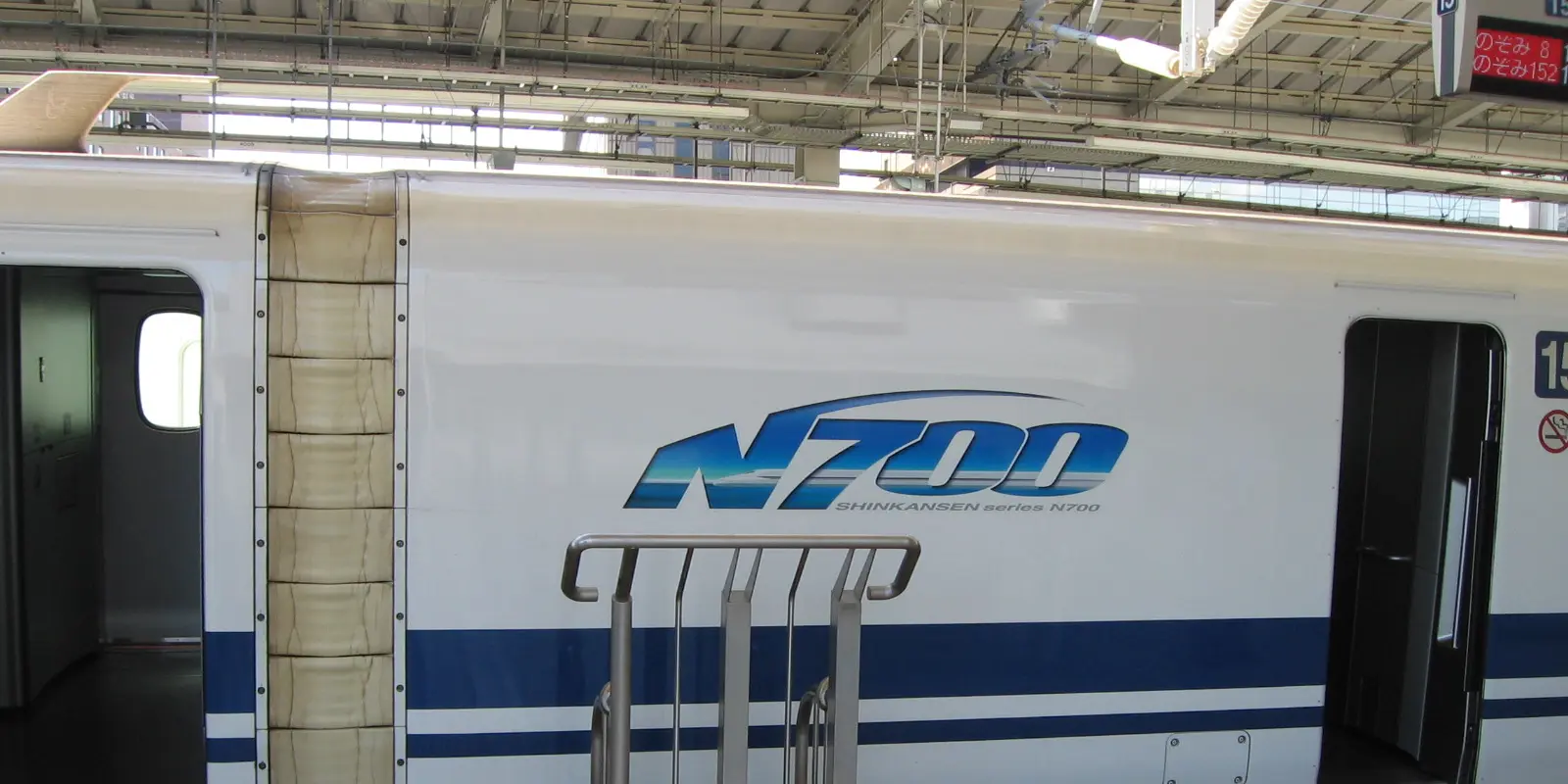
The official coverage rules are the authority. The pass alone does not cover Nozomi or Mizuho. You can use those services only with the special pass-holder ticket bought separately before boarding, for its stated section and accommodation. That extra payment belongs on the pass side of your comparison.
Hikari, Kodama, Sakura and Tsubame can provide covered alternatives, but inspect the timetable and transfers. A longer journey is not equivalent simply because its fare is included. Choose around hotel check-in, luggage and the time you want at the destination.
Do not count every subway, private railway or airport transfer as a pass saving. JR lists specific exceptions and through-running sections that require additional fares. Likewise, a local ride outside the pass period does not become free because you own an unused pass. Keep a separate column for excluded transport on both sides of your budget.
Choose the pass start date around the expensive intercity portion, rather than automatically using it from airport arrival. A few city days before the long-distance circuit can make a shorter pass more sensible than a longer one. Keep the calendar visible when comparing a return journey late in the holiday.
A pass does not guarantee a seat. The JR rules require a reservation for a reserved seat, with no additional reservation payment for covered accommodation. The official overview says only purchases through the official online site allow reserved-seat booking before pass collection. An agency exchange order is not the same reservation workflow.
For individual tickets, use the actual Smart EX product conditions. The basic service and advance-discount products have different restrictions; do not assume a cheap fare has the same change rights. Save the train name, departure station, time and boarding method in one place. co:sim data can help retrieve a booking or check a changed platform, but a phone connection does not replace the required ticket or passport.

Download reservations, hotel addresses and a station map while you have a dependable connection. Keep the railway's required boarding credential available offline where its system permits it; a booking-email screenshot is not automatically a valid ticket. Carry a charged phone and a backup charging method. Station or hotel Wi-Fi is useful, but do not make a last-minute booking change depend on finding it.
For phone data, compare the trip allowance through the data-only plan browser. A data-only eSIM, an embedded SIM profile providing internet access, does not supply a telephone number or ordinary voice/SMS service. Confirm the exact handset supports eSIM and is carrier-unlocked. Mainland-purchased devices need model-specific checking, not assumptions based on the brand name.
The co:sim Japan offer requires sign-in and a valid payment card for verification; the free gift itself is not charged. Check the current offer and your eligibility before treating it as an arrival option.
FREECheck the free Japan eSIM offerRead the plan's billing-start rule and activation deadline. Where a deadline applies, install and activate before it: an installed but unactivated card can still be cancelled. Free items and purchase-billed plans are non-refundable. Eligible paid, uninstalled eSIMs have a refund window of up to 30 days from payment, capped by the activation deadline; installed cards are not self-service refundable. The refund policy gives the applicable conditions. Top-ups require a supported card that has already connected and whose validity is still open; an unused or expired card cannot simply be topped up in advance.
For a straightforward Tokyo–Kyoto–Osaka visit, individually purchased train tickets are the sensible starting point. The official Smart EX benchmark in this guide totals ¥16,320 for Tokyo–Kyoto–Shin-Osaka using regular-season Ordinary reserved-seat Hikari or Kodama fares. Adding Shin-Osaka–Tokyo produces ¥30,520, still below the direct-online seven-day Ordinary Japan Rail Pass price of ¥50,000. These figures exclude local transport and need checking against the actual dates.
A pass may become competitive when genuinely planned, covered long-distance rides are added within its validity. It does not become good value merely because the holiday lasts a week. Use the ordinary railway for a short city-to-city leg when that suits your destination, compare any relevant regional pass, and keep excluded subways outside the claimed saving. Do not alter an enjoyable itinerary solely to reach a rail-pass threshold.
The Japan Rail Pass alone does not cover Nozomi or Mizuho. JR permits travel on them with a separate, special pass-holder ticket purchased before boarding, alongside the valid pass. Its section and accommodation restrictions matter, and the extra cost must be included in the budget. Covered alternatives such as Hikari may require a different departure or connection.
Online reservations also depend on the purchase channel. JR's official online pass purchase allows reservations before collection; an overseas agency exchange order does not give the identical workflow. Seats are still subject to availability, and the physical pass and passport remain necessary. co:sim mobile data can help open your reservation details or check a timetable, but it cannot confer boarding rights. Save important details before traveling, confirm the operator's accepted boarding method, and leave time to collect the documents you actually need.
Treat a rail pass and a co:sim eSIM as separate purchases with separate timing rules. The Japan free-eSIM offer requires sign-in and a valid payment card for verification, with no charge for the gift. A rail booking months ahead is not a reason to claim a mobile plan before its activation window fits the journey. Read the particular plan's billing-start rule and deadline first.
Where an activation deadline applies, installing the profile alone is insufficient: it must also activate before the deadline, or it can be cancelled despite installation. Free items are non-refundable. Top-up availability is conditional on support, first connection and remaining validity; do not plan to extend an unused or expired card by adding data. Check device compatibility before claiming, retain a workable arrival backup, and choose enough data for your booking and map use rather than assuming a trial covers an entire holiday.
Choose the railway product from your actual route, then select co:sim data for the days you will need maps and reservation access.
Compare Japan data-only eSIM plansInstant delivery by email · Install before you fly
 Travel Tips
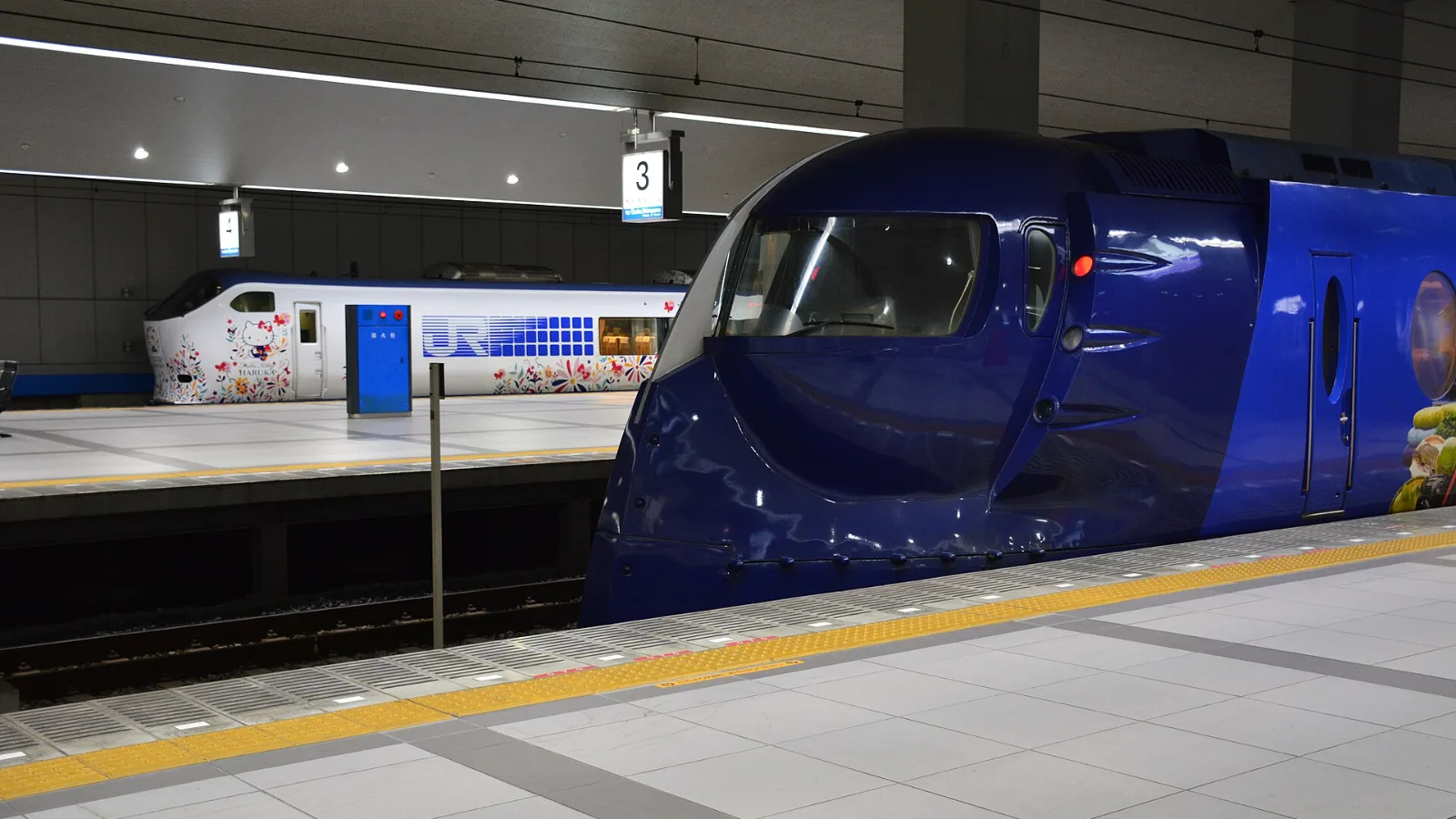
Take the Nankai Rapi:t if you are staying around Namba, Dotonbori or Shinsaibashi and want a reserved seat with luggage space. Take the JR Haruka if you are going to Tennoji, Osaka Station, Shin-Osaka or Kyoto, or you hold a Japan Rail Pass. The two trains end in different parts of the city, so your hotel decides the answer more than the fare.
 Travel Tips
Take the highway bus from Shinjuku if you want the lowest fare and the widest choice of departure times, and can accept some traffic risk on busy days. Take the Fuji Excursion train if you want a fixed arrival time, hold a JR pass, or are travelling on a weekend or holiday when roads around Mt Fuji fill up. The train costs roughly double the bus without a pass.
 Travel Tips
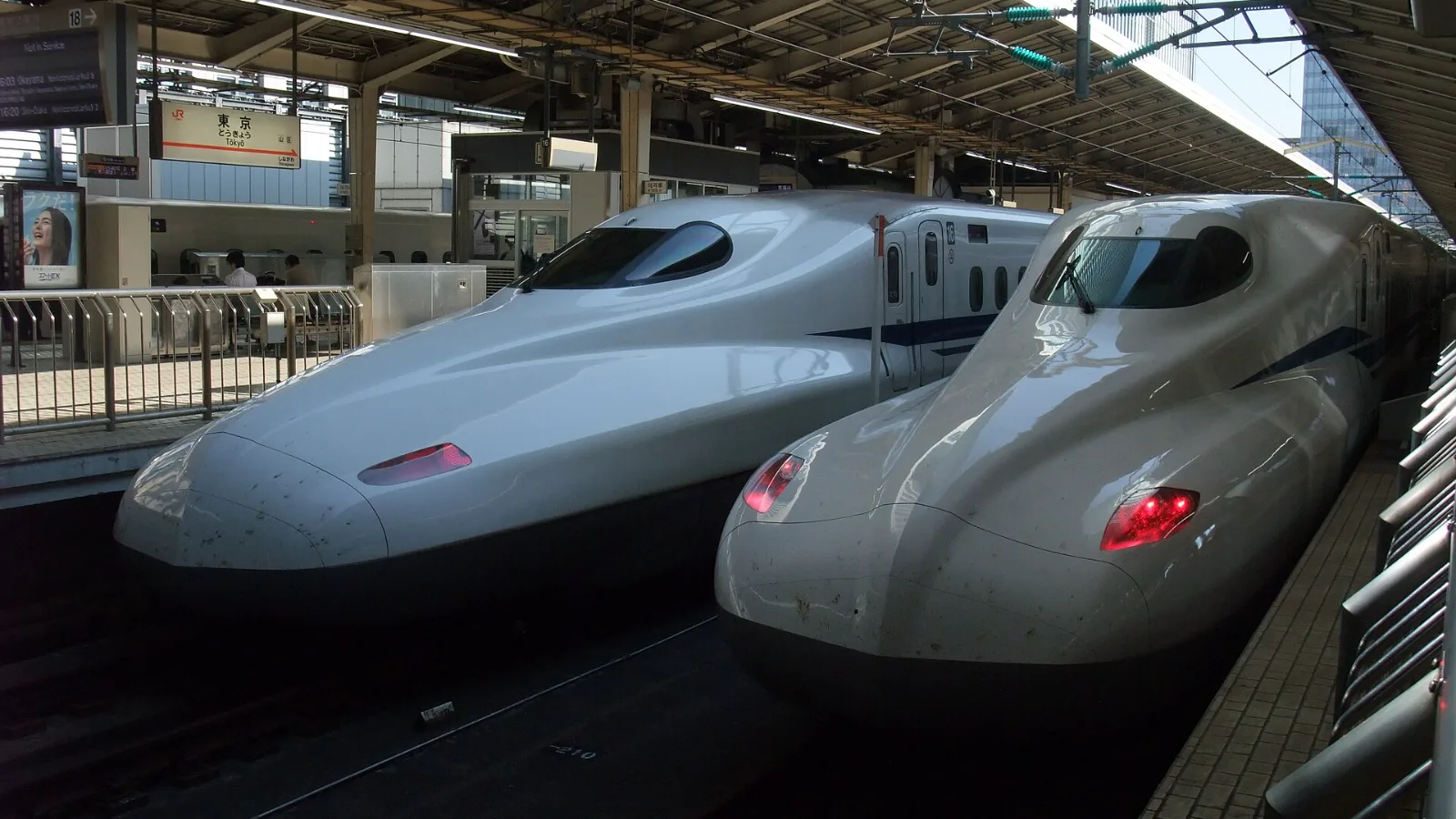
Book a reserved seat on the Tokaido Shinkansen if you travel on a designated peak date, carry a large suitcase, travel as a group or board mid-route at Kyoto or Nagoya. A non-reserved ticket suits a solo traveler with light luggage who values the freedom to take any train that day. On peak dates JR Central sells every Nozomi seat as reserved, so a non-reserved ticket no longer buys a seat on the fastest trains ([JR Central](https://railway.jr-central.co.jp/nozomi/)).
| Planned Shinkansen journey | Sum of separately priced legs | Compared with ¥50,000 |
|---|
| Tokyo → Kyoto → Shin-Osaka | ¥13,650 + ¥2,670 = ¥16,320 | Tickets ahead by ¥33,680 |
| Above, then Shin-Osaka → Tokyo | ¥16,320 + ¥14,200 = ¥30,520 | Tickets ahead by ¥19,480 |
| Tokyo → Kyoto → Shin-Osaka → Hiroshima → Tokyo | ¥13,650 + ¥2,670 + ¥10,220 + ¥18,710 = ¥45,250 | Tickets ahead by ¥4,750 |
| Tokyo → Kyoto → Shin-Osaka → Hiroshima → Hakata → Tokyo | ¥13,650 + ¥2,670 + ¥10,220 + ¥8,900 + ¥22,550 = ¥57,990 | Pass ahead by ¥7,990 |
 co:sim Team