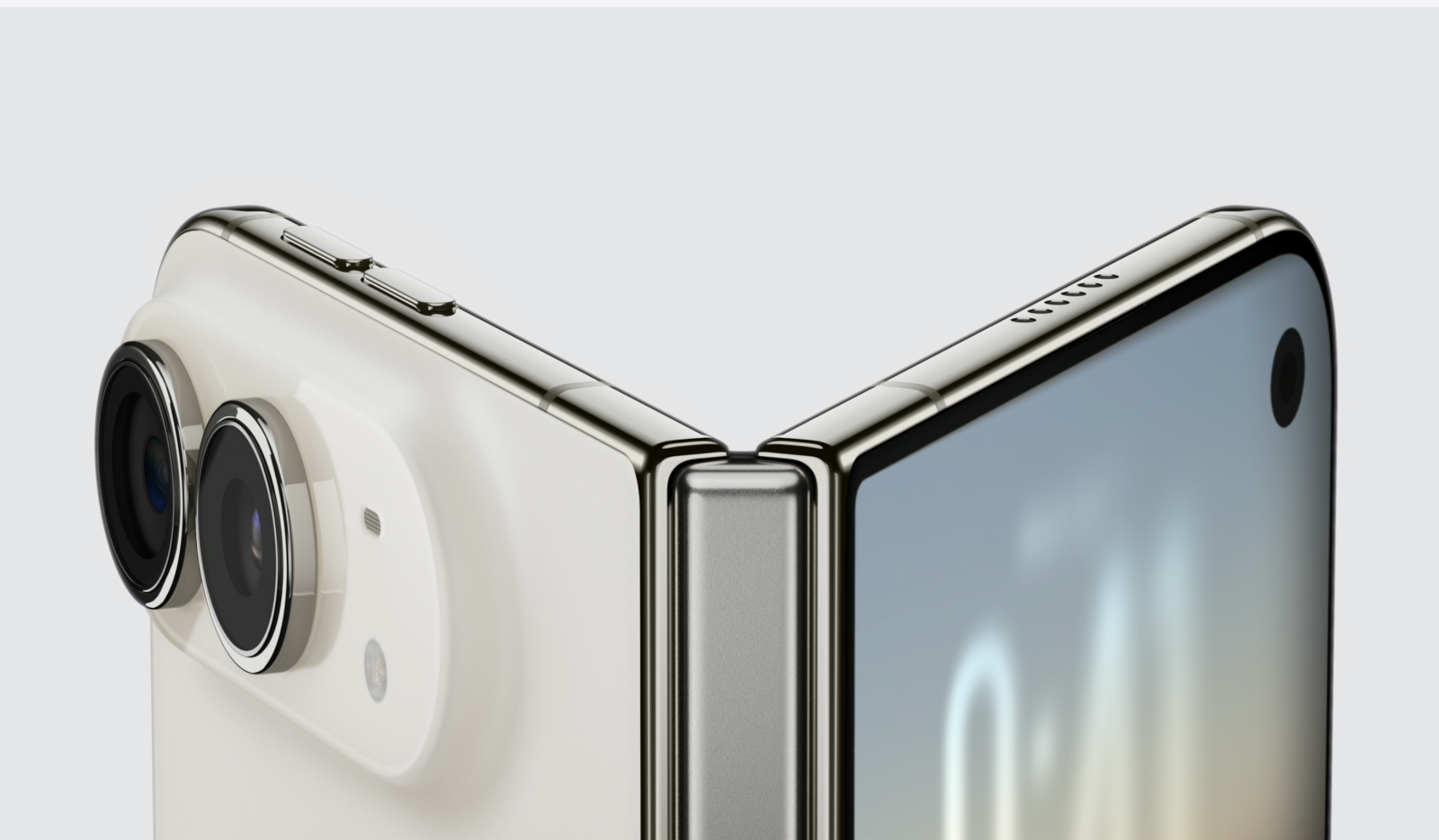
Does the iPhone Duo Support eSIM?
 co:sim Team
Yes, and eSIM only. Apple announced the iPhone Duo on 9 September 2026, and its tech specs list "Dual eSIM (two active eSIMs; stores eight or more eSIMs)" and state the phone is "not compatible with physical SIM cards". There is no tray, so a travel eSIM is not one option among several — abroad, it is the only way to put a local data plan on this phone.
If that holds, a travel eSIM (an embedded SIM profile you install in software) stops being one option among several on this phone. It becomes the only way to put a local data plan on it abroad, which moves the whole job to before departure. This guide covers what eSIM only means in practice, which of the leaked names is likely to stick, and how to land with data already working.
#Is Apple's foldable iPhone eSIM-only?
Confirmed by Apple, not just by leaks. The iPhone Duo tech specs say it uses "advanced eSIM technology" and is "not compatible with physical SIM cards", with Dual eSIM keeping two profiles active at once. The engineering logic was always straightforward: two display panels, a hinge and a large battery compete for every millimetre inside a folding chassis, and a SIM tray is one of the easiest components to delete.
Practically, that removes the airport SIM kiosk as a fallback. Every plan arrives as a downloaded profile, and the phone stores several and switches between them in Settings → Cellular.
The work therefore moves to before departure. co:sim emails the QR code within seconds of checkout, so the profile is installed and waiting while you still have home Wi-Fi.
#Why was it called iPhone Fold and iPhone Ultra before launch?
Because nobody outside Apple knew. Before the keynote the same device went by three names: "iPhone Duo" surfaced from a third-party case listing and was reported by MacRumors on 4 September 2026, Bloomberg's Mark Gurman said people inside Apple called it the iPhone Ultra, and "iPhone Fold" was press shorthand. If you searched either of the other two, this is the same phone.
Apple settled it at the 9 September 2026 event, shared with the iPhone 18 Pro and iPhone 18 Pro Max. The name never changed the eSIM answer: connectivity is set by the missing SIM tray, not by the branding.
#Can you use a travel eSIM on the foldable iPhone abroad?
Yes, provided it ships eSIM-capable and carrier-unlocked. A travel eSIM behaves as an additional line: you install the profile before you fly, land, and set your data line to it, while your home number stays on its own profile for calls and messages.
co:sim plans are data-only, so they carry mobile data and no phone number. Calls and texts keep running through your home line or through internet apps. Each plan page names the underlying network, the install deadline and whether the plan tops up, so you can check the specifics before buying rather than after.
Mexico
1-day trip pass
From $2.99
Canada
1-day trip pass
From $2.99
Brazil
Valid 7 days
From $3.99
For a multi-country trip, one global bundle covering 139 destinations avoids installing a new profile at every border. To test the install flow on a brand-new phone first, the new-user gift is a real 1 GB, 7-day eSIM at $0 at checkout.
FREEClaim a free 1 GB eSIM for Japan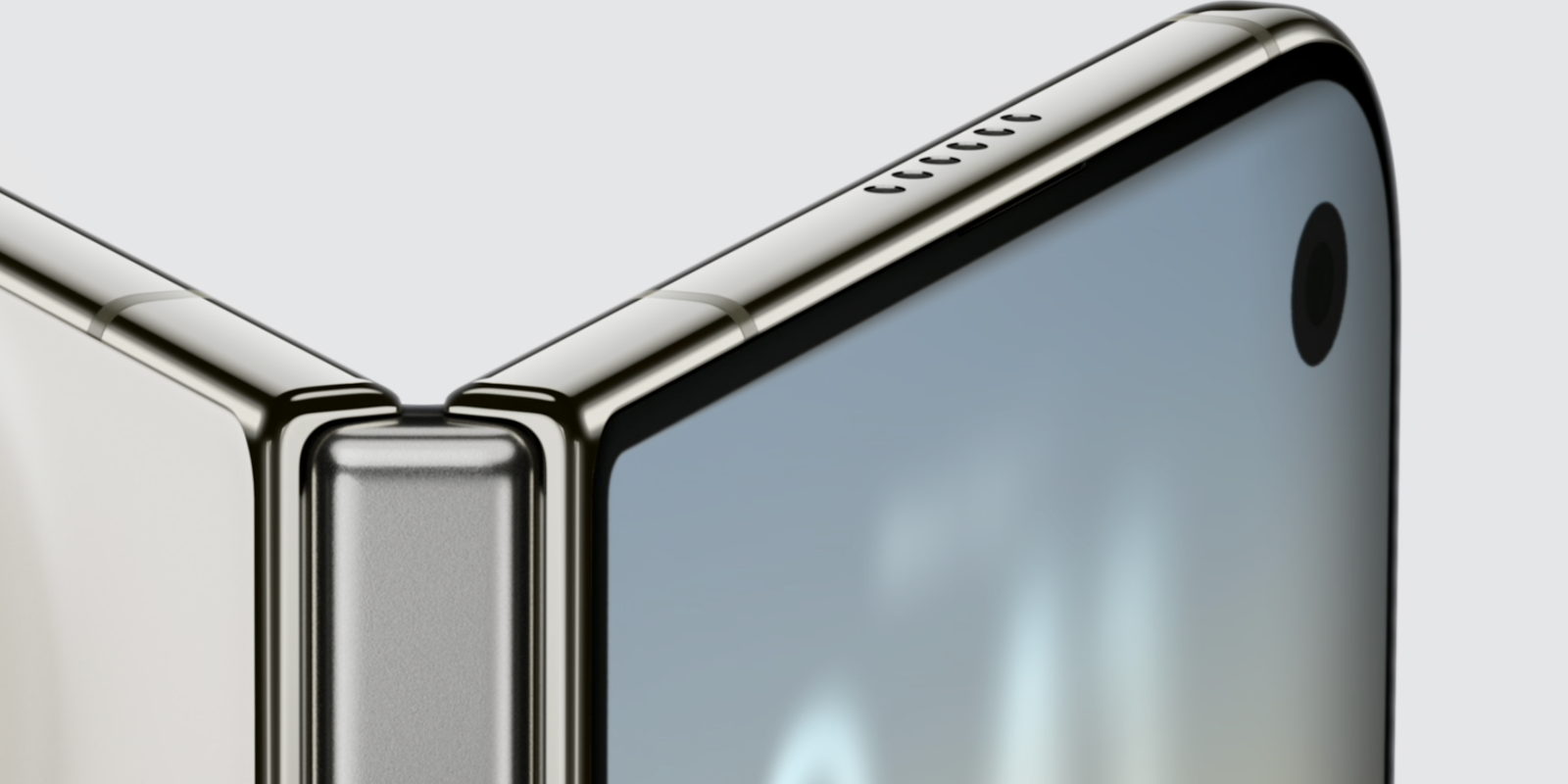
#What is different about a mainland China model?
Apple does sell the iPhone Duo in mainland China, and the Chinese spec page documents eSIM there rather than a tray. Activation is the catch: it has to be done in person at a China Mobile, China Telecom or China Unicom store with ID verification, and only specific model numbers are eligible. Apple's older eSIM setup page still lists just the iPhone 17e and iPhone Air for the mainland and has not caught up. Outside the mainland, including Hong Kong and Macao, eSIM is the ordinary path.
#FAQ
#Does the iPhone Duo support eSIM?
Yes. Apple's own iPhone Duo tech specs list "Dual eSIM (two active eSIMs; stores eight or more eSIMs)" and say the phone is "not compatible with physical SIM cards", so eSIM is not merely supported — it is the only way the phone connects. That removes the usual escape hatch: you cannot land somewhere and buy a plastic SIM as a backup, which makes sorting out data before departure the whole job rather than a nice-to-have. Every iPhone from the iPhone XS onward supports eSIM outside mainland China, so capability was never the question; the tray was. A data-only travel eSIM such as co:sim's installs from an emailed QR code in a few minutes, and can be added before you leave home.
#Will the foldable iPhone have a SIM card slot?
Reporting says no. MacRumors' roundup states plainly that the foldable "won't have a SIM slot" and will use eSIM in the manner of the iPhone Air, which already shipped without a tray. Space is the driver rather than policy: a folding phone spends its internal volume on two panels, a hinge and a battery, and a SIM tray is both bulky and a structural weak point next to a hinge. For travelers the consequence is concrete. You cannot buy a local SIM card on arrival as a backup, so your data plan has to be sorted out in software. Installing a co:sim eSIM before departure means the profile is already on the phone when you land and simply needs turning on.
#Can I use two eSIMs at once on the foldable iPhone?
Yes, and Apple states the limit: the iPhone Duo specs list "Dual eSIM (two active eSIMs; stores eight or more eSIMs)". That is exactly how a travel eSIM is meant to work — your home line handles calls and texts, and the travel profile carries data, both active at the same time. The practical setup is to install the travel profile in advance, then on arrival set it as your data line and turn on data roaming for that line while leaving your home line's own data switched off. Your home number stays reachable throughout, because nothing about it changed. co:sim plans are data-only by design, so they add data and never replace or renumber the line you already use.
#Do I need to buy a travel eSIM before I fly?
It is strongly recommended, and on a phone with no SIM tray it is close to mandatory. Installing an eSIM profile needs an internet connection, which is the one thing you do not reliably have the moment you land in a new country. Airport Wi-Fi is often behind a registration wall that itself wants an SMS code, and a phone with no local plan cannot receive that code. Buying and installing before departure removes the dependency entirely, and it also leaves you time to fix a problem while support is a normal email away rather than a roaming emergency. co:sim sends the QR code by email within seconds of checkout, so the whole process fits into the evening before a flight. Many travel plans start counting validity from first connection rather than from purchase, but that rule varies by plan, so check the plan page before buying.
#Is the iPhone Duo the same phone as the iPhone Fold or iPhone Ultra?
Yes. Before launch all three were names for the same device: Apple's first book-style foldable iPhone, which Apple's tech specs put at a 7.6-inch inner folding display and a 5.4-inch outer display. "iPhone Duo" came from a third-party case listing, "iPhone Ultra" was reportedly the internal shorthand, and "iPhone Fold" is what most of the press settled on while waiting. Apple confirmed iPhone Duo at its 9 September 2026 event, alongside the iPhone 18 Pro and iPhone 18 Pro Max. Note that the pre-launch rumours had the displays slightly larger, at roughly 7.8 and 5.5 inches, so older articles you find may still quote those numbers. None of this changes what you need to do about data: the phone has no SIM tray in any market, so a travel eSIM installed before departure is the whole answer, whichever name brought you to this page.
With no SIM tray at all, the iPhone Duo is exactly as connected abroad as the eSIM you put on it before you leave.