
Back to Blog
It depends on which Galaxy A17 you mean. The Galaxy A17 5G supports eSIM — Samsung's own support documentation classifies it as a "Hybrid eSIM" device, meaning it pairs one physical nano-SIM with one eSIM. The separate Galaxy A17 (the 4G-only variant, no "5G" in the name) does not support eSIM at all; it's physical SIM only.
This guide explains the difference between the two A17 models, what Samsung's own documentation says about each, and what that means if you're buying one specifically to use a travel eSIM.
Samsung publishes an official support page, "SIM cards for your Galaxy phone or tablet", that sorts every current Galaxy model into two categories: "Hybrid eSIM" (one physical SIM plus one eSIM) and "Dual Physical SIM" (two physical SIM slots, no eSIM). The Galaxy A17 5G appears explicitly in the Hybrid eSIM list, alongside the Galaxy A57 5G, A56 5G, A54 5G, A36 5G, A35 5G, A27 5G, A26 5G, A25 5G, and A16 5G.
GSMArena's spec listing for the Galaxy A17 5G confirms this at the hardware level: its SIM row lists three configurations — "Nano-SIM," "Nano-SIM + eSIM," or "Nano-SIM + Nano-SIM" — depending on the specific carrier variant, meaning an eSIM-capable version genuinely exists for this model.
The separate, non-5G Galaxy A17 (model SM-A175F, launched a few weeks after the A17 5G with a MediaTek Helio G99 chipset instead of the 5G model's Exynos 1330) is a different story. GSMArena's spec listing for that model shows only "Nano-SIM" or "Nano-SIM + Nano-SIM" as SIM options, with no eSIM configuration listed at all. If your phone's box or settings say "Galaxy A17" with no "5G," it's this variant, and it has no eSIM hardware.
One honest caveat: Samsung's broader "Galaxy eSIM and supported network carriers" reference page, which lists carrier-by-carrier eSIM availability for models like the A56 and A36, does not yet include the A17 5G as of this writing. That page appears to lag behind newer releases rather than contradict the device-classification page above, but it's worth checking your specific carrier's own eSIM activation support before buying, since Samsung notes on the classification page that "carrier-locked devices typically don't support these dual SIM features" even on a Hybrid eSIM model.
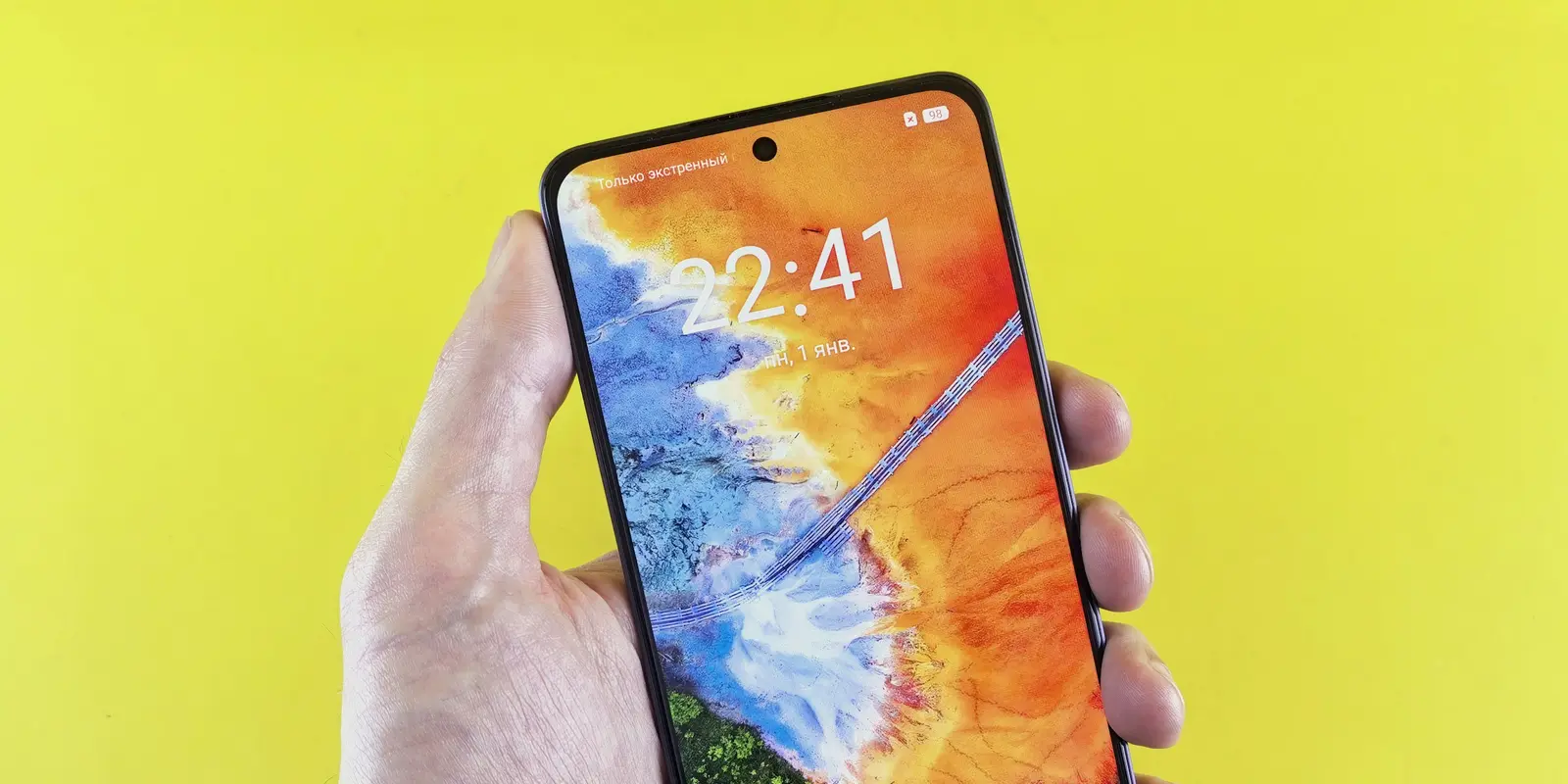
Not necessarily. Samsung's own classification confirms the Galaxy A17 5G has eSIM hardware, but activation still depends on your carrier supporting eSIM at all, and some regional variants are reported to ship without it enabled. If you're buying specifically for a travel eSIM like a co:sim Japan plan, the fastest way to confirm your exact unit works is dialing *#06#: if an EID (eSIM identifier) appears alongside the IMEI, the phone has active eSIM hardware; if only an IMEI shows, it doesn't, and no carrier setting can add one afterward. Device compatibility lists are typically built from a manufacturer's own official documentation, so a model this recent can take a while to show up on every list — checking the EID directly on your own device is the most reliable confirmation.
It depends on which model. The Galaxy A17 5G supports eSIM — Samsung's own "SIM cards for your Galaxy phone or tablet" support page explicitly lists it as a "Hybrid eSIM" device, meaning it can run one physical nano-SIM and one eSIM together. The separate Galaxy A17 (the non-5G, 4G-only version with a MediaTek Helio G99 chipset) is not on that list and has no eSIM hardware at all, according to its GSMArena spec sheet, which shows only physical Nano-SIM configurations. These are two distinct phones released weeks apart with different chipsets, not two names for the same hardware, so checking whether "5G" appears in your model name (or on the box, or in Settings → About phone) is the fastest way to know which one you have before assuming either answer applies to your device.
If your specific unit has active eSIM hardware, yes. co:sim sells data-only travel eSIMs for 190-plus destinations, delivered by email as a QR code within seconds of checkout, so installation happens over home Wi-Fi rather than at an airport counter. Because the Galaxy A17 5G is a Hybrid eSIM device, a co:sim travel eSIM installs alongside your existing physical SIM: the physical SIM keeps handling calls and texts, and the co:sim eSIM handles data. Each co:sim plan page states the underlying local network, the install deadline, and whether the plan supports top-ups, so you know what you're buying before checkout. Since some Galaxy A17 5G units ship carrier-locked or with eSIM disabled by the carrier, dialing *#06# to confirm an EID appears is worth doing before buying a plan, rather than assuming the model name alone guarantees a working eSIM slot.
Samsung's own device-compatibility documentation is the source most travel-eSIM compatibility lists are built from, and those lists can lag behind a phone's actual release, sometimes by months. The Galaxy A17 5G launched in mid-2025 as Samsung's first budget A-series model with eSIM support, a step down from the A35/A36 tier where eSIM previously started, so it's a newer addition that some third-party compatibility catalogs haven't caught up with yet, even though Samsung's own "SIM cards for your Galaxy phone or tablet" page already classifies it as Hybrid eSIM. Samsung's separate carrier-by-carrier eSIM reference page has the same gap as of this writing. If a compatibility list you're checking doesn't mention a recently released model, that's a reason to check the manufacturer's own current documentation, or dial *#06# on the actual device, rather than assume the model lacks eSIM entirely.
Dial *#06# on the phone itself. This brings up the device's IMEI and EID information: if an EID (a separate identifier for eSIM hardware) appears alongside the IMEI, your phone has active eSIM hardware. If only an IMEI is shown with no EID, the phone either has no eSIM hardware or it's disabled at the carrier level, and no setting you change will add it. This check works regardless of model name confusion between the Galaxy A17 5G and the non-5G Galaxy A17, and it's more reliable than trusting a spec sheet, a retailer listing, or a compatibility catalog, since regional carrier variants of the same model name can differ. If Settings → Connections → SIM manager on your phone shows no "Add eSIM" option at all, that's a second confirmation pointing the same way.
No — this is a hardware limitation, not a software one. GSMArena's spec sheet for the non-5G Galaxy A17 (model SM-A175F) lists its SIM options as Nano-SIM or Nano-SIM plus Nano-SIM, with no eSIM configuration at all, because the phone was built with a MediaTek Helio G99 chipset and no eSIM chip. Unlike a feature a software update could enable, eSIM support depends on hardware present at manufacturing, so no Samsung firmware update will add it after the fact, no matter how many Android or One UI versions the phone eventually receives. If you specifically need eSIM support in Samsung's A-series budget tier, the Galaxy A17 5G (a separate model, launched around the same time but with a different Exynos chipset) is the one to check for, not this non-5G variant.
Mexico
1-day trip pass
From $2.99
Canada
1-day trip pass
From $2.99
Brazil
Valid 7 days
From $3.99
Instant delivery by email · Install before you fly
 Device Compatibility
A blacklisted or IMEI-blocked phone will not connect to a travel eSIM in most cases, because the block sits at the device level, not the SIM. Here is the real difference between a local carrier blacklist and the GSMA shared global registry, and how to check a phone before you buy it secondhand.
 Device Compatibility
Not every Huawei or Honor phone has eSIM hardware, and the model name alone won't tell you. Here's exactly which ones do, how to install an eSIM step by step, and what to check if the option isn't there.
Device CompatibilityTravel eSIMs cannot be installed on Apple Watch, Galaxy Watch or Pixel Watch. Here's why cellular smartwatches only accept carrier-provisioned, number-sharing plans, and what to actually do to get data on your wrist while traveling.
Valid 7 days
From $3.99
 co:sim Team