Internet in the UK for Tourists: A Traveler's Guide to Staying Connected
 co:sim Team
Internet in the UK for tourists comes down to five real options: public Wi-Fi, an airport SIM counter, pocket Wi-Fi, your home carrier's roaming, or an eSIM (a digital SIM built into the phone, no physical card to insert). Buying a physical SIM at a shop counter needs no ID at all — that part is genuinely easy. What trips up more visitors is what happens next: activating it, adding credit, or getting a UK carrier's own app to accept a payment method it wasn't really built to expect from someone who landed an hour ago. co:sim's own UK eSIM plan comparison already covers network speeds, coverage, and the post-Brexit roaming rules in depth, so this guide covers what that one doesn't: the practical mechanics of each option, with what it costs today and where it actually breaks down.
#Connectivity options in the UK
Here are the real options, roughly in the order most tourists try them.
Public Wi-Fi. Free Wi-Fi is common in UK cafés, pubs, and hotels, and Transport for London's Underground has offered free Wi-Fi in ticket halls and on platforms for years — though it drops the moment your train enters a tunnel, since it relies on an above-ground signal to relay. That's changing station by station: in 2026, London's mayor confirmed the Tube network had reached "50% mobile coverage across below-ground stations," meaning roughly half of underground stations and their connecting tunnels now carry a live 4G/5G signal, with the rest still rolling out line by line. Don't count on your phone working the whole way through a Tube journey yet.
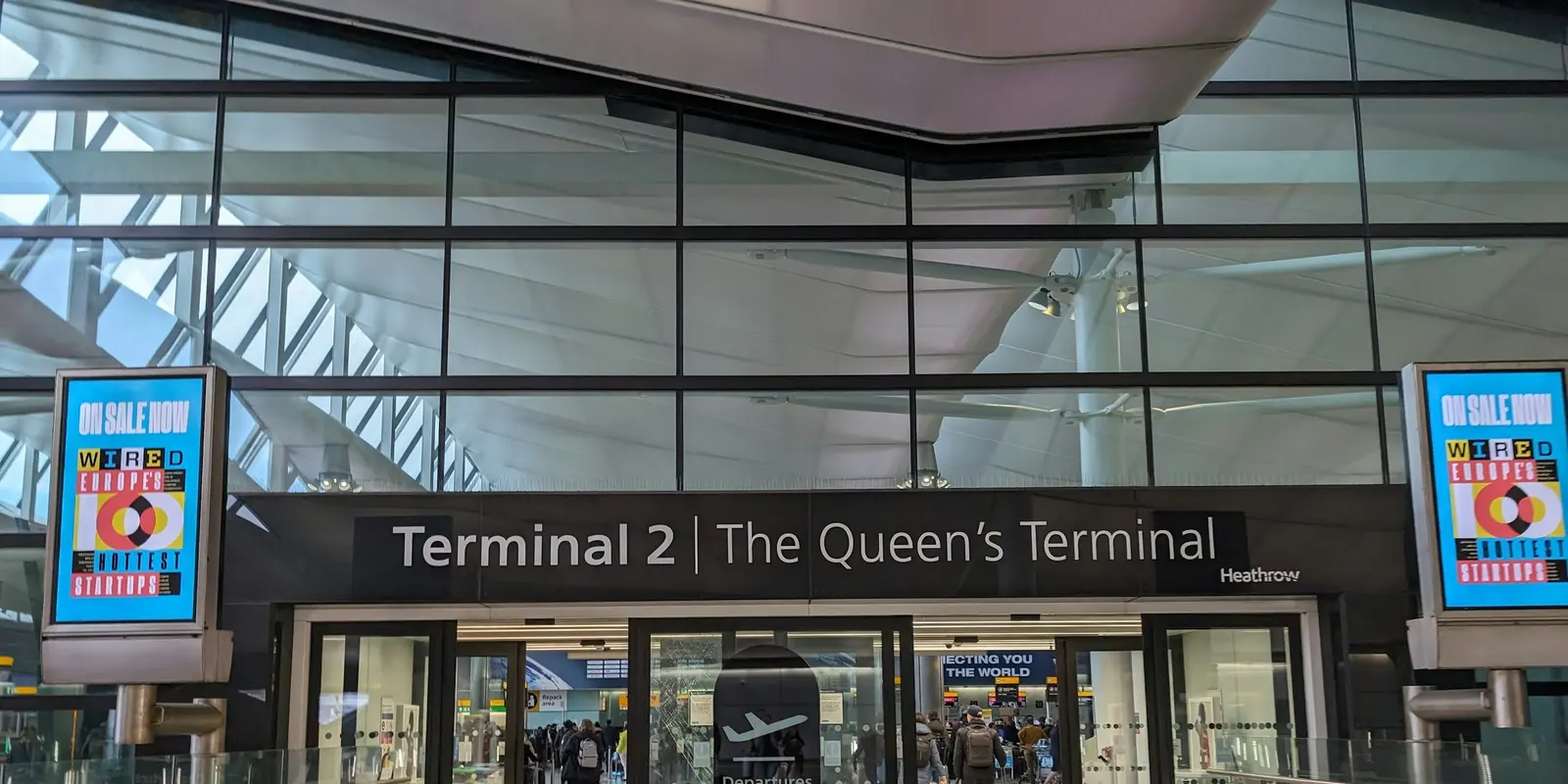
Airport SIM counters. Every major UK airport sells PAYG SIMs at arrivals, no ID required. It's also the most expensive way to get connected: at Heathrow, kiosk and desk prices for a 30-day SIM bundle typically run £35 to £45 — a £15-£20 markup over the same SIM bought at a high-street shop, with the cheapest airport option (Travelex's currency-exchange desks) closer to £20. Gatwick runs similarly, around £30-£40 from its WHSmith counters and vending machines, since it has no dedicated network-operator stores at all.
Pocket Wi-Fi rental. Popular in parts of Asia, pocket Wi-Fi routers are a niche option in the UK. A handful of airport desks and delivery services rent them, but most visitors skip the extra device and battery in favor of a SIM or eSIM that works inside the phone they're already carrying.
Home-carrier roaming. Since the UK sits outside the EU's roaming rules post-Brexit, whether your own plan works for free here depends entirely on your specific carrier. co:sim's UK eSIM guide covers that gap if you want to check your own carrier's terms first.
eSIM. Install before you fly, connect the moment you land, no counter and no card-verification puzzle — more on exactly why that solves the next problem below.
#Why buying a physical SIM isn't always as simple as it looks
Handing over cash for a SIM at a UK newsagent or supermarket genuinely needs no ID. The friction shows up one step later, when you try to switch it on or add credit. giffgaff's own activation guide states that a credit or debit card, PayPal, or a UK top-up voucher is required to activate a new SIM and pay for a first plan, and there's no way to activate for free, and the accepted card networks are narrower than a typical checkout. Foreign-issued and virtual cards are commonly flagged by the anti-fraud checks behind that step, which is why travelers arriving with a giffgaff SIM already in hand have reported activation failing on cards that work everywhere else, with a UK-bought top-up voucher as the reliable workaround.
Vodafone's own support page adds a second wrinkle: a Vodafone pay-as-you-go SIM "can't be activated abroad" and must be switched on inside the UK first, so a SIM ordered online before a trip won't turn on until you land. None of this is an ID check, and it's specific to certain networks' online activation flow rather than a blanket UK law — but "just buy a SIM at the airport" isn't always the same-day fix it sounds like for a traveler whose only card is foreign or virtual. An eSIM activated through co:sim sidesteps the problem entirely: activation is tied to the payment you already made at checkout, so there's no separate in-UK gate left to clear once you land.
#What most travelers actually need
Most UK visits are short, and most tourists overestimate the data that takes. A long weekend in London, Edinburgh, or Manchester built around maps, messaging, and social media rarely needs more than 3-5GB total — checking a route or a train time uses only a few megabytes at a time. Add photo and video sharing throughout the day, and that climbs toward 8-10GB for a week.
Heavier use changes the picture fast. Streaming for hours a day, video-calling home nightly, or working remotely off a hotel connection can push usage past 20GB, and at that point a reloadable plan matters more than the up-front size: start smaller and top up mid-trip rather than guessing your total on day one. A UK-specific plan also assumes your trip stays inside Great Britain and Northern Ireland — anyone continuing into Ireland or mainland Europe needs a regional bundle instead, since a UK-only eSIM stops working at the border like any single-country plan.
#Where coverage is strong (and where it isn't)
City centers, national rail corridors, and most motorways carry a strong 4G signal from all three underlying UK networks (EE, O2, and Vodafone/Three, consolidating into VodafoneThree since their 2025 merger), so day-to-day tourist itineraries are well served almost everywhere. But the "coverage" figures UK operators publish measure something narrower than most assume. Opensignal's own methodology note in its January 2026 UK report explains its Coverage Experience score measures how much of the TIME people already have a signal in places they commonly go, not geographic coverage, and explicitly won't tell you whether you'll get signal in a remote rural area.
By that measure, the same report gives O2 the outright Coverage Experience award at 99.4%, EE close behind at 99% — reassuring for anywhere you're likely to stand, far less informative for the Scottish Highlands or Lake District valleys, where hills and low population density thin out every operator's signal regardless of the league table.

If your trip includes rural hikes or the remoter parts of Wales or Scotland, treat any network's "coverage" claim as a city-and-corridor guarantee rather than a nationwide one, and download offline maps before you set off.
#The eSIM option
Installing an eSIM before you fly removes every friction above at once: no counter, no card-network gate, no ID to show anyone. co:sim emails the QR code within seconds of checkout, so you install it via Settings → Cellular → Add eSIM (iPhone) or the equivalent Android menu while still on home Wi-Fi, live the moment your flight touches down. Each co:sim UK plan page states its own network, data amount, validity, and whether it's reloadable, so you match a plan to how you'll actually use your phone instead of guessing at a counter.
Want to try it without paying anything first? co:sim also runs a free eSIM offer that covers the UK.
FREECheck if you qualify for co:sim's free UK eSIMIt's sized for testing the water (a short trip, or confirming your phone plays nicely with an eSIM) rather than replacing a full plan; co:sim's own free UK eSIM guide covers exactly what it includes and how to claim it. Either way, a reloadable eSIM means running low mid-trip is a top-up from your account dashboard, never a second SIM or a second trip to a shop.
#FAQ
#Do I need ID to buy a SIM card in the UK?
No. Buying a prepaid SIM over the counter at a UK supermarket, newsagent, or phone shop requires no passport or proof of address, unlike many countries with mandatory SIM registration. The catch is what comes after the purchase: some networks' own activation process, run through their app or website, asks for a debit or credit card to pay for your first plan, and that step is where foreign visitors actually run into trouble. giffgaff's own help pages confirm a card, PayPal, or UK top-up voucher is required to activate, and travelers with only a foreign or virtual card have reported activation failing even though the same card works everywhere else. Buying a paper top-up voucher in the same shop, instead of paying by card online, is the most reliable workaround. An eSIM installed through co:sim skips this step entirely, since activation is tied to the payment already made at checkout.
#Is public Wi-Fi in London reliable enough to skip a SIM entirely?
Mostly not on its own. Free Wi-Fi is common in UK cafés, pubs, hotels, and on the Underground's platforms and ticket halls, but it doesn't yet extend into the tunnels between most stations — partners were still rolling out below-ground mobile coverage line by line through 2026, with London's mayor confirming the Tube had reached the halfway point, "50% mobile coverage across below-ground stations," rather than full coverage. Relying entirely on venue-by-venue Wi-Fi means losing your connection every time you step outside or check a map mid-walk. It works as a backup or for a short, low-data trip, but most visitors are better served by their own always-on connection, whether a physical SIM or an eSIM, with public Wi-Fi as a free top-up rather than the main plan.
#How much does an eSIM for the UK cost compared to an airport SIM?
An airport SIM is priced for convenience, not value. At Heathrow, arrivals-hall prices for a 30-day SIM bundle typically run £35 to £45 — a £15-£20 markup over the same SIM in a high-street shop, with the cheapest counters (Travelex) closer to £20; Gatwick's WHSmith counters and vending machines run a similar £30-£40. Neither price includes the time cost: stopping at a kiosk after a long flight can add half an hour or more before you're actually connected.
An eSIM bought in advance avoids the airport markup entirely, since you're buying directly rather than through an arrivals-hall reseller, and there's no queue at all once you land. co:sim's UK data-only plans are priced by data amount and validity rather than a flat airport rate, and every plan page states the price, network, and whether it's reloadable up front, so you can compare it against an airport quote before you fly instead of after you've already queued for one.
#What happens if I run out of data partway through my UK trip?
On a reloadable eSIM, running low doesn't mean starting over — you add more data from your account dashboard, with no new install, no new QR code, and no second trip to a shop. co:sim's reloadable UK plans work this way, and the existing eSIM profile simply continues with the added data rather than being replaced. A physical PAYG SIM works similarly if you bought it locally, though topping it up afterward can run into the same card-verification friction described earlier in this guide, since some networks' online top-up flow expects the same kind of card their activation step does. Topping up in person with cash or a voucher while you're still in the UK, or choosing a reloadable eSIM in the first place so there's nothing to top up in person at all, avoids that problem altogether.
#Is a co:sim UK eSIM refundable if my trip changes?
Uninstalled eSIMs can be refunded within 30 days of purchase, though plans that bill starting at the moment of purchase rather than at first connection are excluded — each plan page states which billing rule applies before you buy. Once installed onto your phone, the eSIM is no longer eligible for a self-service refund, even if you never connect to a UK network. This matters most if you're buying well ahead of a trip that could still change: leave the eSIM uninstalled until plans are firm if refund flexibility matters, and check the billing-start rule first, since it decides both when the validity clock starts and whether a refund is on the table at all.
Buy the physical SIM at the counter if you want to — no one will ask for ID. Just don't assume it works the second you walk away from the till. Install a co:sim eSIM before you fly instead, and the entire activation puzzle above never comes up.
Browse co:sim's UK eSIM plans