
Internet in Canada for Tourists: SIM, eSIM and Wi-Fi Options (2026)
 co:sim Team
Getting internet in Canada as a tourist doesn't require a passport or personal registration for a prepaid SIM card — Canada is among a minority of countries with no such law. For a short trip, the real decision isn't paperwork; it's speed and timing. A data-only eSIM like co:sim's Canada plan installs before you leave home and connects the moment you land, a physical prepaid SIM means finding an open store after arrival, and the cheapest prepaid brands often cap your speed well below the network's own capability.
This guide covers Wi-Fi, roaming, physical SIM cards and eSIMs (embedded SIMs) for a Canada trip, what data allowance actually fits your itinerary, and where Canadian mobile coverage holds up.
#What connectivity options do tourists have in Canada?
Overseas arrivals to Canada reached 2.6 million in the third quarter of 2025 alone, led by the UK, France, and Germany (Statistics Canada), on top of tens of millions of US visits — each group with different home-carrier roaming deals. Four options cover nearly everyone: public Wi-Fi, home-carrier roaming, a Canadian prepaid SIM, or a travel eSIM installed before departure.
Free Wi-Fi is easy to find: every major international airport, most hotels, and national chains like Tim Hortons offer it, and public libraries give day visitors free access with no membership required. It's a reasonable backup, but relying on café and hotel Wi-Fi alone means no maps, ride-hailing, or messaging between stops — and a shared public network is also the least secure way to check email or banking apps.

If you're arriving from the US, your home carrier may already cover Canada. Verizon's Unlimited and many T-Mobile plans include Canada free of charge, and Verizon's pay-as-you-go TravelPass costs $6 per day for 5GB before dropping to 3G speeds (Verizon). AT&T customers without a Canada-inclusive plan pay $12 per day, throttled to roughly 256 Kbps after 2GB — too slow for maps or ride-hailing (RoamingAdvice). A day-rate pass suits a short trip; over a longer stay, the daily fees add up fast.
Canada has no federal law requiring ID or registration for a prepaid SIM card, unlike more than 160 countries that do mandate it (Comparitech). In practice, you still need to find an open store after landing, choose among several similarly named plans, and wait for the SIM to register on the network — anywhere from minutes to a few hours. An eSIM skips that errand: you buy and install the profile before you leave home, and co:sim delivers the QR code by email within seconds of checkout, so there's nothing to activate in person once you land.
#How much mobile data do you actually need in Canada?
Match your data plan to your actual itinerary rather than guessing:
| Trip type | Typical data need | Why |
|---|---|---|
| 3-5 day city trip (maps, transit, messaging) | 1-3GB | Light everyday use, no streaming |
| 1-2 week trip with photos and ride-hailing | 5-10GB | Adds photo uploads and occasional video calls |
| Laptop hotspot or daily streaming | 15GB+ | Video and social uploads burn through data fastest, not maps or texting |
Downloading offline map tiles over hotel Wi-Fi before you head out cuts mobile data use significantly. Reloadable co:sim plans let you top up mid-trip if you underestimate rather than forcing a new purchase.
#Where does Canadian coverage actually hold up?
Toronto, Vancouver, Montreal, Calgary, and Ottawa have dense LTE coverage and expanding 5G downtown, run by national operators Rogers, Bell, Telus, and regional carrier SaskTel. co:sim's Canada eSIM plans run on that same 5G infrastructure at every data tier, from a small day pass to larger 30-day allowances, with each plan page naming its network partner before you buy. Coverage thins out fast once you leave a city: rural highways, mountain valleys, and northern regions have real gaps, so a rural or mountain-heavy itinerary is a different planning problem than a city stay, worth its own research before you rely on any mobile data source.

#Why do budget Canadian SIMs run slower than the network they use?
No ID requirement doesn't mean no catch. Canada's cheapest prepaid brands are virtual operators reselling capacity from the big three, and several cap your speed well below their host network's capability. Lucky Mobile resells Bell's network but limits customers to LTE/4G — Bell's own postpaid customers get full 5G on the same towers (NetSpeed Canada). Chatr, Rogers' budget prepaid brand, doesn't offer a 5G tier at all, while Public Mobile (Telus-owned) is the exception, reserving 5G for its pricier plans only (iPhone in Canada).
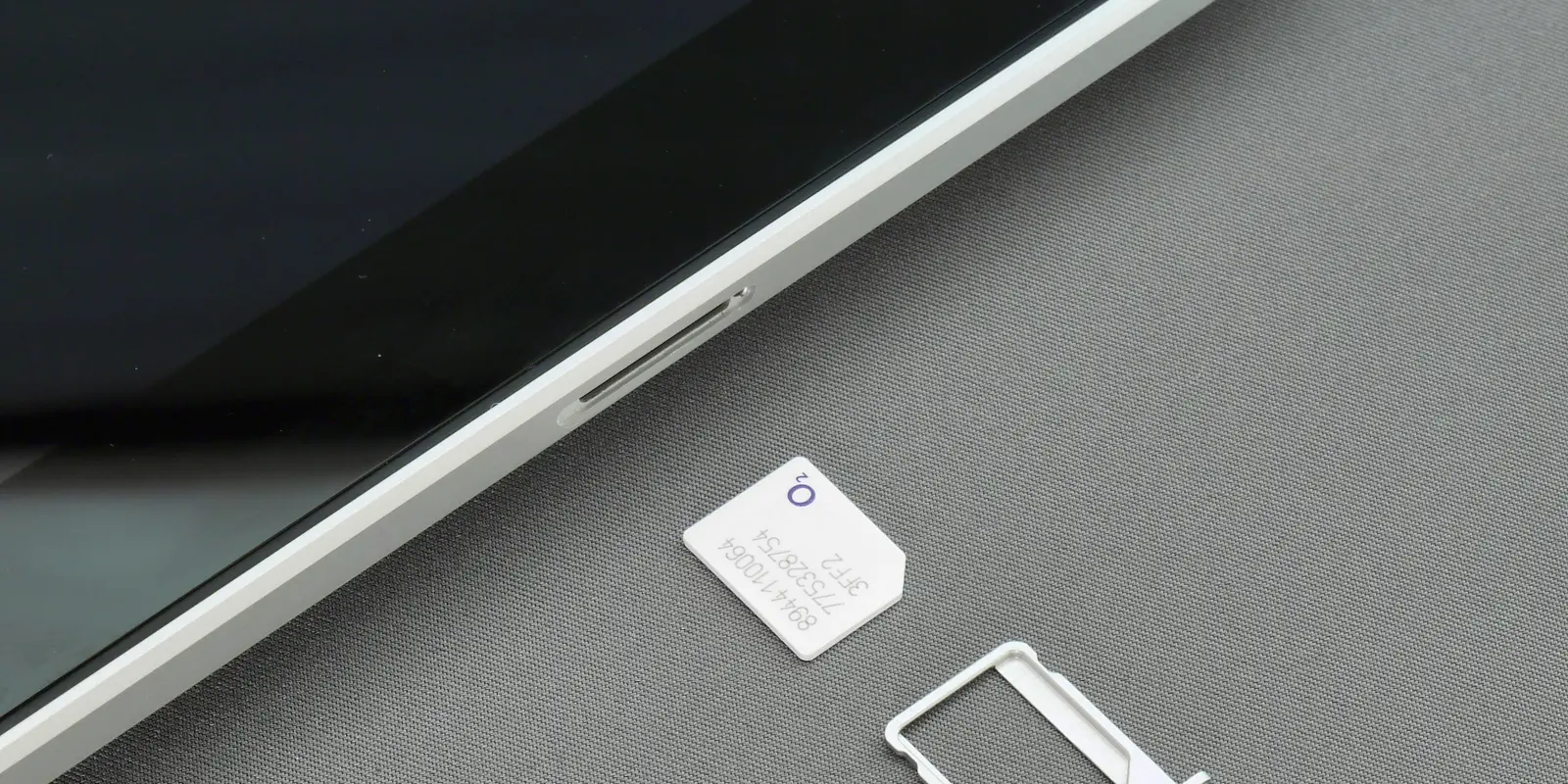
So "cheap Canadian SIM, no ID required" can quietly mean a slower connection than the same cell tower gives everyone else — a trade-off none of the no-ID guides mention, because ID policy and network speed are two completely separate carrier decisions. co:sim's plans don't carry that trade-off: every Canada plan, including the entry-level daily options, runs on the underlying network's actual 5G capability rather than a throttled MVNO tier, and the plan page states the network and speed before you pay.
#How does a co:sim eSIM work for a Canada trip?
A data-only eSIM covers mobile data but not a Canadian phone number — messaging apps, ride-hailing, and airline check-in all work fine over data, but keep your home SIM active for calls or two-factor codes. co:sim's plan page for each Canada option lists the underlying network, install deadline, and whether the plan is reloadable, so you know exactly what you're buying before checkout. If your route also crosses into the US, a USA & Canada regional plan covers both countries on one profile instead of switching SIMs at the border.
Uninstalled eSIMs can generally be refunded within 30 days of purchase, though plans that bill immediately at purchase and free items are excluded — check the current policy on the plan page before you buy, since it varies slightly between plans.
Browse Canada eSIM plans#FAQ
#Do I need a passport to buy a SIM card in Canada?
No federal law requires ID for a prepaid SIM in Canada, unlike more than 160 countries with mandatory SIM registration (Comparitech). Rogers' Chatr brand, Bell's Lucky Mobile, and Telus' Public Mobile all confirm publicly that no ID is required to buy or activate a prepaid SIM. In practice, individual retail staff sometimes still ask for ID as store policy, and postpaid contracts, unlike prepaid, do require ID and usually a Canadian address. For a short visit, this mostly matters as a logistics question rather than a legal one: you still need to find an open store after landing, compare plans at the counter, and wait for the SIM to register on the network. A co:sim eSIM sidesteps the errand entirely — install the QR code before you fly, and it activates the moment you land, with no store visit and no waiting.
#Will a Canada eSIM give me a phone number for calls and texts?
No. Data-only eSIMs, including co:sim's Canada plans, provide mobile data but not a phone number, so they don't carry voice calls or SMS through the plan itself. Messaging apps like WhatsApp, iMessage, and Telegram work normally over the data connection, along with ride-hailing, maps, and airline apps — nearly everything a tourist actually needs. Keep your home SIM active (with data roaming turned off) if you need to receive a verification code or a call on your original number; most phones let you run both at once by choosing which line handles data. If a service insists on a text message and your home carrier charges for incoming international SMS, you can usually request a code by email or an authenticator app instead. Set the travel eSIM as your active data line after landing, and confirm the correct line is selected before relying on maps at the airport curb.
#Are all Canadian prepaid SIMs the same speed as the major carriers?
No, and this is the detail most guides gloss over. Lucky Mobile resells Bell's network but caps customers at LTE/4G rather than the 5G Bell's own postpaid customers get on the same towers (NetSpeed Canada). Chatr, Rogers' discount prepaid brand, doesn't currently offer a 5G tier at all. Public Mobile, owned by Telus, is the exception among Canada's ultra-budget brands and does offer 5G on its higher-priced plans (iPhone in Canada). None of this is related to the no-ID policy — a carrier can skip identity checks and still throttle your connection, because they're separate business decisions. co:sim's Canada eSIM plans run on the underlying carrier's full network speed at every price tier, and the plan page names the network before you buy, so there's no guessing which tier you're actually getting.
#Can I just use free Wi-Fi instead of buying mobile data in Canada?
For a very short, mostly indoor trip, possibly — Canadian airports, most hotels, and chains like Tim Hortons offer free Wi-Fi, and public libraries let day visitors online at no cost. The gap shows up between those stops: Wi-Fi doesn't cover the taxi ride, the walk between neighborhoods, or the moment you need a map on an unfamiliar street, and public networks are also less secure for anything involving a password or payment. Most travelers end up using Wi-Fi for the heavy downloads (offline map tiles, streaming a show at the hotel) and a mobile data connection for everything in between. A co:sim eSIM sized for maps and messaging, rather than streaming, usually needs only 1-3GB for a short city trip, keeping the cost low while covering the gaps Wi-Fi alone leaves open. Install it before you fly so it's ready the moment you land, rather than hunting for the first available network at the airport.
#Are unused co:sim eSIMs refundable if my Canada trip changes?
Uninstalled eSIMs can generally be refunded within 30 days of purchase, though the exact window is capped by that plan's install deadline, and plans that bill immediately at purchase (rather than on first connection) or free items are excluded from refunds. Once you've installed the eSIM profile, a self-service refund is no longer available, even if you never actually connected to a network. Read the specific policy on the plan page before checkout, since it can vary between plan types, and avoid installing a profile until you're reasonably sure your trip is going ahead. If you're unsure whether a profile has already been installed on a shared or borrowed device, check before requesting support, since installation status determines what's possible. Keeping the confirmation email is the easiest way to reference your order if you need help.
#So what's the best way to get internet in Canada as a tourist?
You don't need to worry about passport checks or registration paperwork to get internet in Canada — that hurdle doesn't exist here. The real trade-offs are speed, timing, and logistics: a physical prepaid SIM means a store visit and possibly a throttled budget tier, free Wi-Fi leaves gaps between stops, and a data-only eSIM installed before departure is active the moment you land, at the network's full speed rather than a capped reseller tier.
Sources