Back to Blog
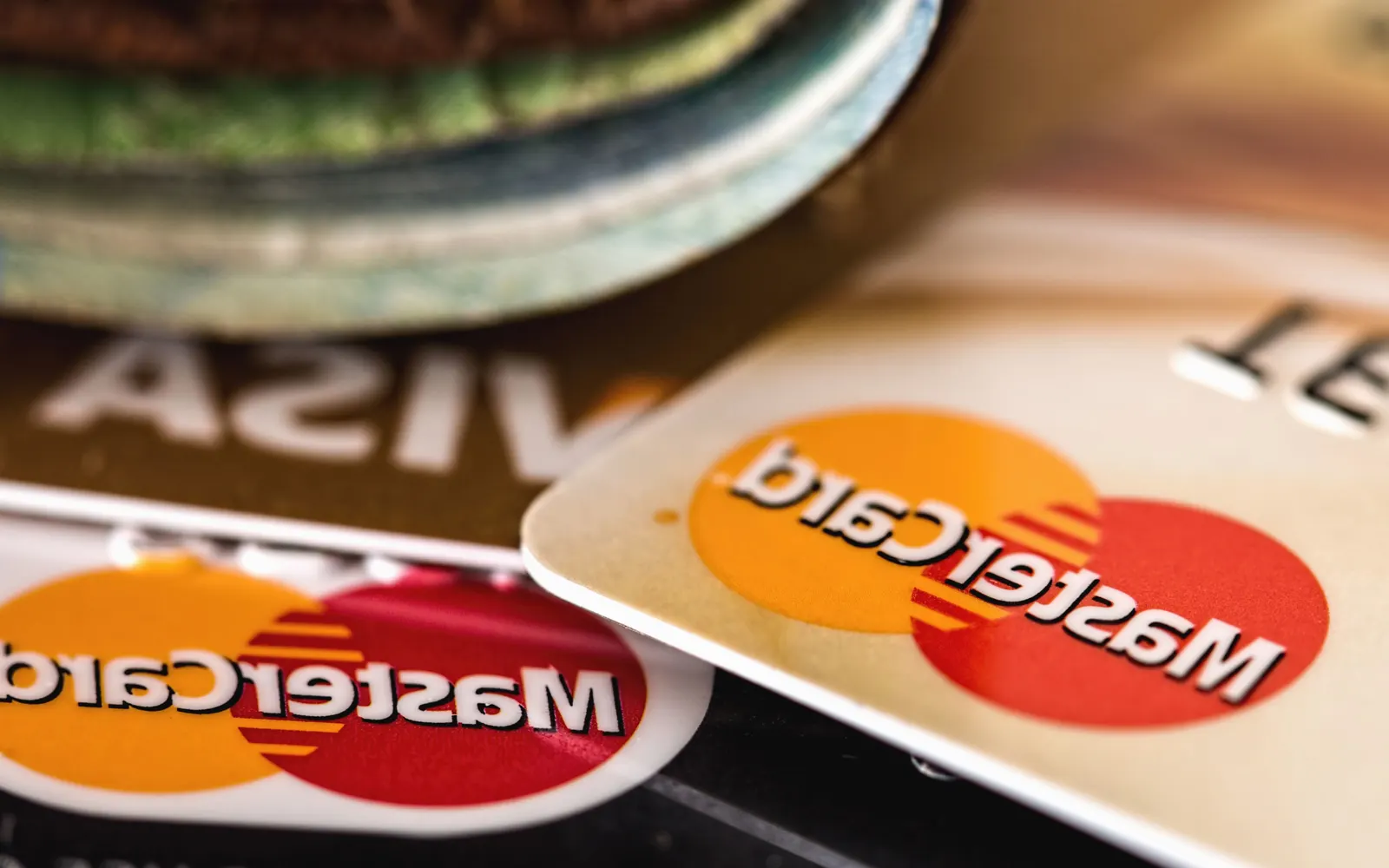
Buy co:sim mobile data for selling at a market abroad when your approved payment setup needs an independent internet connection and the selected plan covers the venue. Check the payment account's country and reader rules before buying. An eSIM can supply data to a compatible phone or a permitted hotspot; it does not authorize overseas card acceptance or guarantee payment approval.
Sometimes, and the useful distinction is which device actually needs internet. A mobile reader may communicate with a phone over Bluetooth while that phone supplies the online connection. A smart reader can have different Wi-Fi, local-network or cellular requirements. Buying an eSIM for your phone does not make every card terminal capable of installing that profile.
Stripe's network requirements state that its mobile readers rely on the point-of-sale device for internet connectivity. Its smart readers connect directly to a network, with additional conditions for some integrations. That is a concrete reason to check the reader type before paying for another connection, rather than assuming every checkout device works like a phone.
The practical benefit is a separately purchased mobile-data path, usable where the selected package has service. For a phone-based setup, confirm that the phone is unlocked and eSIM-compatible. For a separate reader, confirm whether it can use the phone's hotspot and whether the payment provider supports that exact arrangement. Keep device installation and data sharing as separate questions.
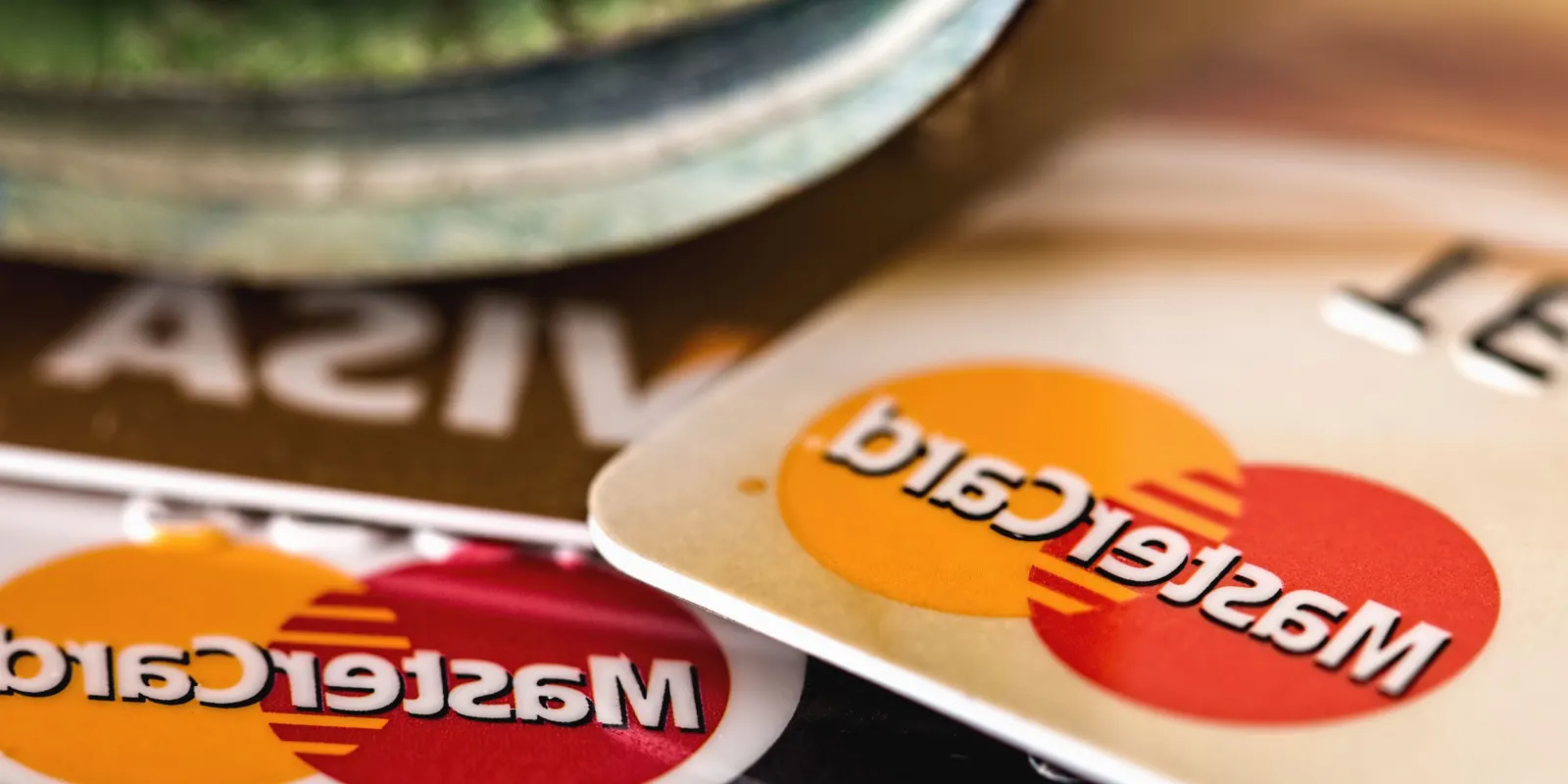
No. The payment provider controls where the account and reader can process transactions. Stripe's regional conditions say that the account receiving funds and the location associated with the reader must be in the same country, accepting local currency only. Availability also differs by country and reader. A home-country account should not be assumed to work at an overseas stall.
Resolve that permission with your payment provider before buying connectivity specifically for sales. An organizer's permission to rent a table is not proof of payment-account eligibility. A working website on your phone proves an internet connection, not that a terminal can process a valid transaction at that location.
For a concrete data example, the selected co:sim France 10GB/30-day offer discloses Orange 5G, first-connection billing and hotspot support. It provides a total data allowance, not a per-transaction quota. The offer has no local number, carrier calls or SMS, and does not include a payment-reader subscription. Its terms cannot establish that a merchant account is approved in France.
Start with the approved hardware you already have. A reader with a suitable built-in cellular service may not need your phone's data at all. Venue Wi-Fi may already meet the payment provider's requirements. In either case, a second allowance can be an unnecessary expense unless it solves a real connectivity gap.
A co:sim package can be useful when a compatible point-of-sale phone needs mobile data, or when a supported reader can join that phone's hotspot. The latter still depends on local networking, the phone remaining nearby and adequate power. Stripe explicitly identifies mobile hotspots as useful when testing a different network; that does not certify every phone-reader combination for an entire trading day.
| Your existing setup | What to verify before buying more data |
|---|---|
| Bluetooth reader with a phone app |
Test the exact setup at the venue if possible, including a payment-provider-approved test procedure. Do not assume that a large allowance fixes weak reception or a configuration mismatch. A backup connection is useful only if you know how the point of sale switches to it.
Only if the payment setup explicitly supports it and you accept its conditions. Stripe's offline overview distinguishes supported readers and notes that Tap to Pay on Android does not support offline mode. Do not generalize that condition to another platform or assume every contactless phone works offline.
Its offline collection guidance also explains the central trade-off: information is collected during the sale, but authorization is attempted after connectivity returns. The merchant bears decline and tampering risks, and may not recover money for goods already supplied. Offline collection is therefore not the same thing as an approved online payment.
Buying co:sim data can provide an additional route for online processing or forwarding supported stored transactions, subject to coverage and the reader setup. It cannot remove card-decline risk. Ask the payment provider how to prepare offline mode, reconnect and reconcile safely. Avoid changing or deleting an app while stored transactions remain; follow that provider's recovery instructions.
Use a rehearsal of the actual point-of-sale workflow rather than an invented allowance per tap. Sales software, catalog images, updates and the phone's other apps can all contribute traffic. Separate transaction needs from optional uploads or video, and keep background downloads under control.
Match the service window to setup, trading and any later reconciliation. Check the chosen package's billing start, activation deadline and top-up support before paying. The QR arrives by email after fulfillment, so allow preparation time instead of depending on an instant delivery promise at the stall. A supported top-up is not an automatic renewal or a guarantee that an expired profile can be revived.
Not automatically. co:sim supplies a digital profile for compatible eSIM hardware; a reader that has only a physical SIM slot cannot install that profile simply by receiving a QR code. Many payment setups instead use a reader paired with a phone, with the phone carrying the internet connection. Stripe's network documentation explicitly describes mobile readers relying on the point-of-sale device for connectivity, while smart readers have their own network requirements. Check the exact reader, payment application and supported connection before paying. A compatible phone's hotspot may be an option when both the selected data plan and payment setup permit it. None of this changes the merchant account's country restrictions or guarantees a card authorization. If your terminal already has suitable built-in cellular connectivity, buying another phone data package solely for that terminal may add no benefit.
No. A co:sim data connection cannot change the countries, currencies or devices supported by a payment account. Stripe Terminal's published regional conditions require the account receiving funds and the reader's location to be in the same country, accepting local currency only. Other payment services have their own rules, which must be checked directly. Confirm authorization for the venue and account before purchasing data specifically to take payments there. Once the merchant setup is permitted, mobile data can address a separate question: how the point of sale reaches the internet. Check the phone's compatibility, the selected destination coverage and any hotspot requirements. A successful browser connection is not evidence that the merchant account is eligible or that a particular card transaction will be approved. Keep commercial permissions and connectivity as separate pre-purchase checks.
Supported offline collection can let an approved setup keep collecting payment information during a connection loss, but it does not eliminate the need to reconnect or guarantee the money. Stripe's guidance says authorization is attempted after stored payments are forwarded, with decline and tampering risks borne by the merchant. Offline support also depends on the reader and platform; its overview says Tap to Pay on Android does not support offline mode. Ask your payment provider how your actual application is configured, prepared and reconciled before relying on that fallback. An adequate existing venue or terminal connection may already meet the need. A separate mobile allowance can be useful when it supplies a supported alternative, but no data package makes every location reliable. Base the purchase on the approved setup and tested connectivity, rather than treating offline collection as an automatic paid sale.
Choose co:sim when a suitable mobile-data connection fills a real gap in your approved selling setup, then compare the live allowance and terms.
Mexico
1-day trip pass
From $3.99
Canada
1-day trip pass
From $2.99
Brazil
Valid 7 days
From $3.99
Instant delivery by email · Install before you fly
 eSIM Guides
Use optional plan reminders alongside My Plans checks. Understand account association, device permissions and why an alert does not change your data or validity.
 eSIM Guides
Account deletion can permanently remove access to eSIMs with unused data or remaining validity. Check your existing plans, the cancellation period and separate refund rules before deciding.
 eSIM Guides
Daily allowance, service days and eSIM quantity are different choices. Use the selected plan’s duration and current total to buy the connection time you need.
| The phone's online connection and approved reader pairing |
| Smart reader using Wi-Fi | Its network requirements and any local connection to the sales device |
| Cellular-enabled terminal | Whether its existing service already covers the venue |
| Phone hotspot for another device | Supported configuration, shared allowance, range and power |
Valid 7 days
From $3.99
 co:sim Team