Internet in Iceland for Tourists: Ring Road Coverage Guide
 co:sim Team
Internet in Iceland for tourists is solid along the populated stretches of the Ring Road and genuinely absent in specific, well-documented places: the interior Highlands and parts of the Westfjords. The carrier question has a real answer too — Síminn is the more consistent performer outside Reykjavík, though Vodafone Iceland doesn't exist as a brand anymore, having merged into "Sýn" in mid-2025 — but that answer rests on converging secondhand evidence rather than a coverage map any of the operators actually let a browser render.
For Iceland's two largest visitor nationalities, Americans and Britons, there's also a real EU-roaming trap: Iceland sits in the European Economic Area, but that doesn't cover a US, UK, or Canadian SIM the way it covers a German or French one. A data-only eSIM (a SIM profile installed digitally, no physical card needed) like co:sim's Iceland plan settles the roaming question before you land; this guide settles the rest.
#Connectivity options for a Ring Road trip
Public Wi-Fi is reasonably common in Reykjavík cafes and hotels, but it's essentially absent once you're driving the Ring Road between towns, which is most of the trip.
A local prepaid SIM from Síminn, Sýn, or Nova gets you an Icelandic number, sold at shops in Reykjavík and at a limited selection of outlets near Keflavík. Coverage depends entirely on which of the three underlying networks the SIM actually connects to, not the shop it was bought from.
Home-carrier roaming works for free if your SIM is registered in the EU or EEA, under the same "Roam Like at Home" rules that apply across Europe — more on exactly who that does and doesn't cover below, since it catches more travelers off guard here than in most European countries.
A data-only eSIM installed before departure means maps, weather, and messaging work from the moment you land at Keflavík, without hunting for a SIM counter first. co:sim's Iceland eSIM states its underlying network on the plan page, so you're not guessing which of the three networks you're actually buying.

#Síminn or Vodafone? Resolving the Ring Road coverage question
Iceland's mobile landscape looks like three operators, but one of those names doesn't exist as a consumer brand anymore. Vodafone Iceland was folded into a single "Sýn" brand in June 2025 — Wikipedia records the brand as "defunct" from that date, and checking Vodafone's own former web address confirms it directly: visiting vodafone.is now redirects straight to syn.is, Sýn's own site, where Vodafone survives only as a small "Vodafone Partner" network-licensing logo, not as the retail name Icelanders actually see (Wikipedia; Sýn). Any current source still describing "Vodafone Iceland" as an active retail brand is out of date.
As for which network actually performs better outside the capital: a direct comparison from SIM-card guide Yaalo describes Síminn as having "the most extensive LTE footprint... especially outside Reykjavik" and rates it ahead on rural coverage, places Nova as "unreliable" once you leave Reykjavík and the Golden Circle, and puts Sýn/Vodafone in between the two (Yaalo).
Worth being transparent about the limits of that evidence: Síminn's, Sýn's, and Nova's own coverage-map pages all render as interactive, JavaScript-driven maps that don't expose a checkable coverage figure to an automated fetch, and Iceland's telecom regulator's combined map has the same limitation, so this comparison rests on independent secondhand sources converging on the same answer rather than a citation to any one operator's own published rural-coverage percentage. Nova's own site claims "over 98% of population" covered, which is a population figure, not a Ring Road or land-area one, and doesn't contradict the finding that its rural performance trails the other two (Nova). Practically: Síminn is the safer default for a Ring Road trip specifically, with Sýn a reasonable second choice; Nova fits better as a Reykjavík-focused SIM.
#Where the Ring Road genuinely goes quiet
Two areas deserve real caution, and no operator or eSIM changes the underlying physics of the terrain. Icelandic tour operator Fun Iceland puts it plainly: "the central Highlands, isolated hiking areas and parts of the Westfjords require the most caution," and even on the Ring Road itself, coverage has "gaps and weak signal... between settlements or behind terrain" — the operator's own advice is to treat any coverage map as "a planning tool, not a guarantee" (Fun Iceland). The Westfjords in particular have patchy signal even along their main roads, not just the backcountry tracks, so a Ring Road trip that detours out to Ísafjörður or the wider peninsula should plan for real gaps, not just brief ones.
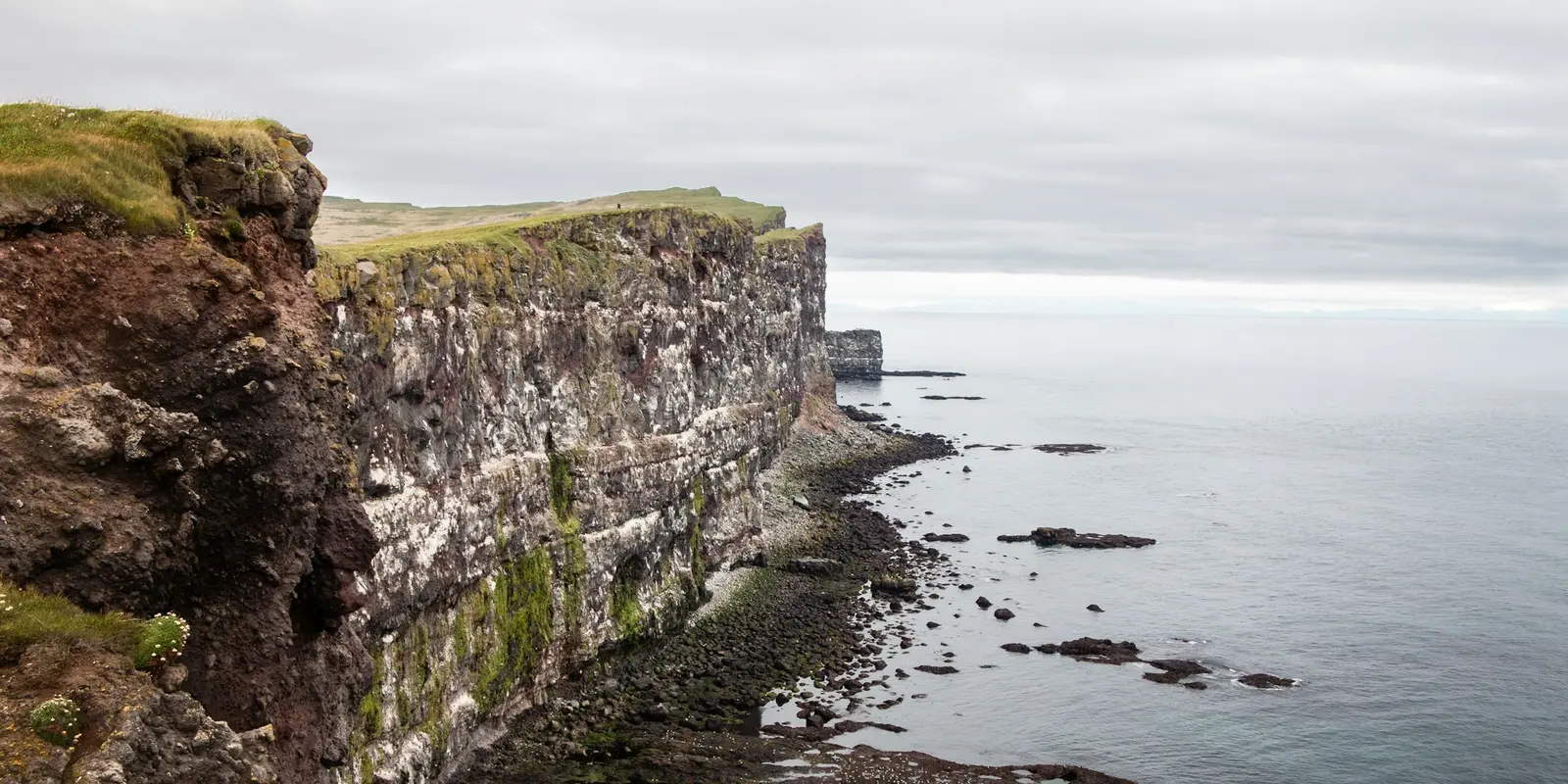
Download offline maps before you leave a town with signal, tell someone your route, and treat a data connection as a convenience that stops working exactly where the scenery gets most remote — which is also often where you'd most want it.
#The EEA-roaming caveat that catches US, UK, and Canadian travelers off guard
Iceland is a member of the European Economic Area rather than the EU itself, and the EU's own roaming page confirms the practical result: "Roam Like at Home" rules extend to Iceland, Liechtenstein, and Norway alongside the EU's 27 member states, so a German, French, or other EU/EEA-registered SIM roams in Iceland for free, the same as anywhere else in the bloc (European Commission).
The trap is who that list leaves out. The EEA has 30 members total, the 27 EU states plus Iceland, Liechtenstein, and Norway — Canada is not among them, and neither, since Brexit, is the UK (UK Government). A US SIM was never covered in the first place. Put together, the two nationalities that show up most at Keflavík, Americans and Britons, are exactly the visitors this free-roaming rule doesn't reach, which is easy to miss if "Iceland is basically Europe" is the only mental model doing the work.
#What most travelers actually need
A light user checking maps, messaging, and the occasional weather forecast over a week can often stay within a few gigabytes. Photo- and video-heavy travel changes that fast: a single day chasing waterfalls or the northern lights can produce gigabytes of images on its own, and if cloud backup runs over cellular data instead of Wi-Fi, that alone can outweigh everything else combined. Download offline maps and set backups to Wi-Fi-only before you leave Reykjavík, then track usage for the first couple of days rather than guessing.
#The eSIM option
A co:sim Iceland eSIM settles the network and roaming questions before you land: buy a plan sized to your route, and the QR code arrives by email within seconds. Install it on Wi-Fi at home (Settings → Cellular → Add eSIM on iPhone, or the equivalent menu on Android), and it activates automatically the moment you connect in Iceland. Reloadable plans top up from the account dashboard if a week on the Ring Road turns into two.
Browse co:sim's Iceland eSIM plans →New to eSIMs, or only need a short test before committing to a full Ring Road plan? A free trial covers Iceland too.
FREETry co:sim's free eSIM for Iceland →#FAQ
#Does Síminn or Vodafone have better coverage on Iceland's Ring Road?
Síminn is the more consistently rated performer outside Reykjavík, including along the Ring Road, according to independent SIM-card comparison sources, with the network now branded Sýn (the former Vodafone Iceland) placed a reasonable second and Nova trailing both once you leave Reykjavík and the Golden Circle. It's worth knowing this comparison relies on converging secondary sources rather than a citation to any operator's own published rural-coverage figure, since all three carriers' coverage-map pages render as interactive tools that don't expose a checkable number to an automated check, and Iceland's telecom regulator's combined map has the same limitation. For a Ring Road-focused trip specifically, Síminn is the safer default network to look for on an eSIM's plan page, with Sýn a reasonable fallback if that's what a plan actually uses.
#Is Vodafone still a mobile network in Iceland?
Not as a retail brand. Vodafone Iceland was merged into a single "Sýn" brand in June 2025, and the change is easy to verify directly: Vodafone's old website address now redirects straight to Sýn's own site, where "Vodafone" survives only as a small network-partner logo rather than the name on the storefront. Any current source still referring to "Vodafone Iceland" as an active consumer brand is describing a name that no longer exists at retail, even though the underlying network infrastructure continues operating under Sýn, along with Sýn's other former brands like the Stöð 2 television and sports channels. If you see "Vodafone" mentioned in an older Iceland travel guide, article, or SIM-comparison site, mentally substitute "Sýn" — it's the same underlying network under a new consumer-facing name, not a network that vanished.
#Will I have phone signal in the Westfjords or the Highlands?
Not reliably, and no operator or eSIM changes that. Iceland's own tour operators are direct about it: the central Highlands, isolated hiking areas, and parts of the Westfjords require real caution, with coverage gaps even along some of the Westfjords' main roads, not just remote backcountry tracks. Treat any operator's coverage map as a planning tool rather than a guarantee, download offline maps before leaving a town with signal, and let someone know your route if you're heading into the Highlands or out to the Westfjords peninsula. This is true regardless of which of Iceland's three networks your SIM or eSIM connects to — the terrain and the distance from population centers are the limiting factor, not the carrier, so switching networks won't fix a genuine dead zone.
#Does my phone plan work for free in Iceland if I'm American, British, or Canadian?
No, and this surprises a lot of visitors from exactly those three countries. Iceland is in the European Economic Area, so EU/EEA-registered SIMs, a German or French plan for instance, roam there for free under the same rules that apply across the rest of Europe. The EEA has 30 members: the 27 EU states plus Iceland, Liechtenstein, and Norway — Canada was never part of it, the UK left the arrangement after Brexit, and the US was never covered by it in the first place. Americans and Britons happen to be Iceland's two largest visitor nationalities, so this gap affects more travelers here than the "it's basically Europe" assumption would suggest. A co:sim Iceland eSIM installed before departure gives that group a fixed, known cost instead of an unpredictable roaming bill.
#How much data do I need for a Ring Road trip in Iceland?
It depends heavily on how much photography and video you're doing, more than on trip length alone. Maps, weather checks, and messaging over a week typically stay within a few gigabytes. Add regular photo and video uploads, especially automatic cloud backup running in the background, and usage climbs fast — a single day photographing waterfalls or chasing the northern lights can generate several gigabytes on its own. Setting cloud backup to Wi-Fi-only before you leave Reykjavík, and checking your phone's per-app data usage after the first two days, gives a much better estimate than guessing from trip length alone. A reloadable co:sim plan lets you start with a moderate allowance and top up from the account dashboard if a longer detour or a heavier photography day pushes you past it.
Ready to sort out Ring Road connectivity before you land? Compare current Iceland eSIM plans — Síminn's the network worth checking for if your route leans rural.