Back to Blog
If Victoria Falls is the whole trip, a co:sim data-only eSIM for Zambia gets you connected the moment you land in Livingstone, with one honest caveat worth knowing before you buy: co:sim's Zambia eSIM runs on Airtel, while independent coverage reports consistently rank MTN a little stronger right at the falls viewpoints themselves. Neither network reaches far into the safari camps beyond town — that's true regardless of which SIM or eSIM you're carrying. This guide walks through Zambia's network landscape, what to actually expect once you're past Livingstone, and how to install a Zambia eSIM before you fly.
Zambia trips usually fall into one of two shapes: a short Victoria Falls/Livingstone visit, or a longer trip that adds Lusaka, the Copperbelt, or a safari in South Luangwa or Lower Zambezi. The first needs enough data for maps, photos, and messaging over a few days in and around one town. The second needs more total data spread across very different connectivity conditions — solid city coverage in Lusaka, weaker signal near park gates, and often none at all once you're inside the park itself.
co:sim's Zambia plans run from a 500MB/day option up to a fixed 20GB over 30 days, and every plan is data-only — it covers browsing, maps, and messaging apps over data, but doesn't include a Zambian phone number for SMS or cellular calls. Between a fixed and a daily-reset plan, a multi-stop trip with uneven days (a data-heavy day in Lusaka, then several quiet days in a park) usually fits a fixed total allowance better than a strict daily cap.
| Plan type | Data | Validity | Best for |
|---|---|---|---|
| Daily, light | 500MB–1GB/day | 1–30 days | Maps, messaging around Livingstone |
| Daily, standard | 2–3GB/day | 1–30 days | Photos, video calls, regular browsing |
| Fixed, total | 5–20GB | 30 days | Multi-stop trips (Livingstone + Lusaka + parks) |
The co:sim Zambia eSIM page lists current data amounts and validity windows for every tier, and states up front whether a given plan is reloadable — useful if a safari extension means the trip runs longer than planned.
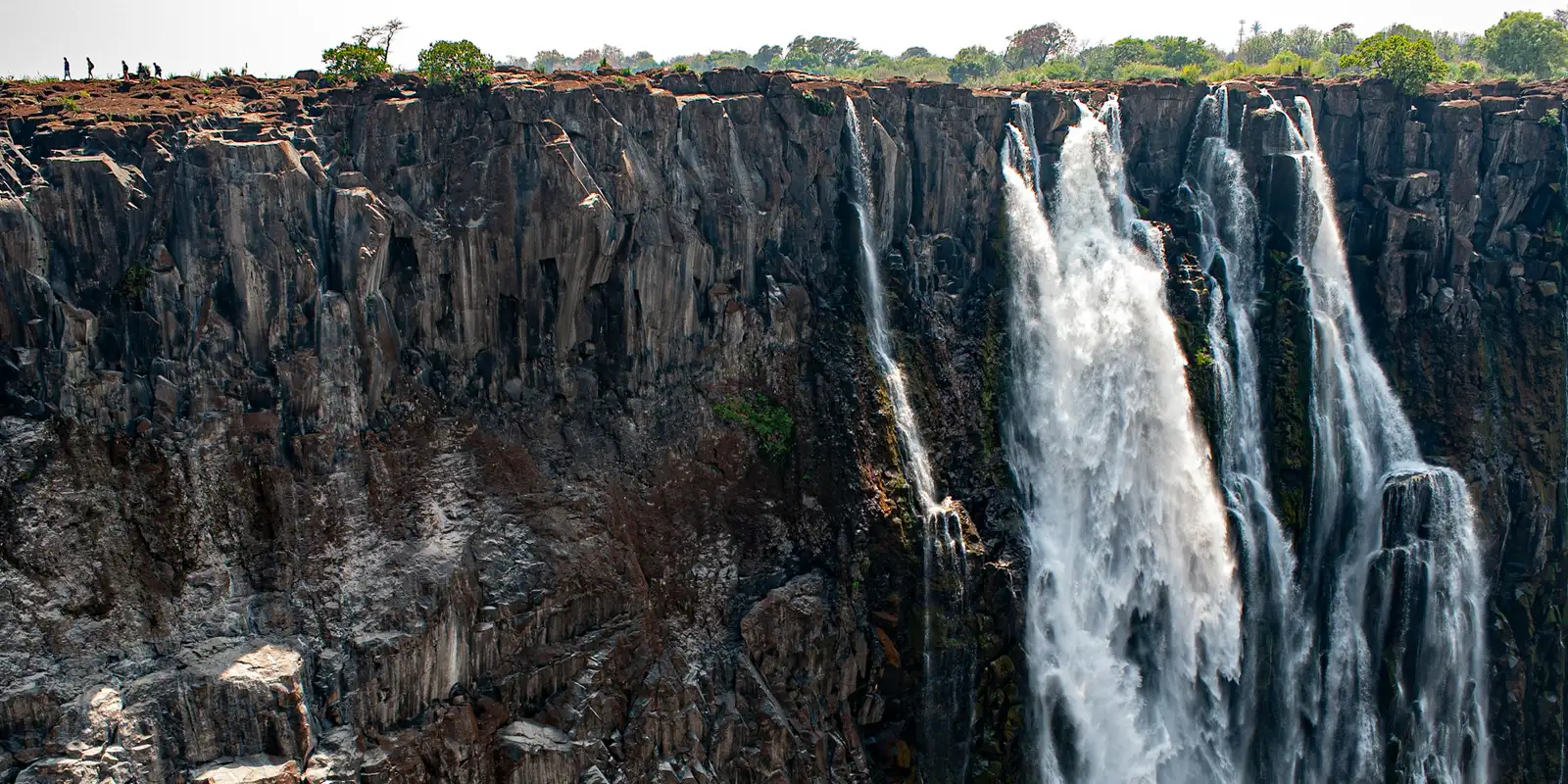
Zambia's two main networks are MTN and Airtel. A detailed Zambia eSIM network comparison reports that "MTN has the widest 4G LTE network" nationally, with strong signal specifically "at the Zambian Falls viewpoints and Knife Edge Bridge," while "Airtel Zambia is an acceptable alternative in Lusaka and Copperbelt cities." A separate roundup of Africa's best travel networks lists MTN Zambia as having "outstanding coverage" across Lusaka, Livingstone, and the two big safari regions, with Airtel noted for "good city coverage."
co:sim's Zambia eSIM connects through Airtel — solid if your trip is mostly Lusaka, the Copperbelt, or general travel between cities, and workable in Livingstone town itself, though if squeezing out the last bar of signal for a video call right at the falls viewpoint matters to you, the research above suggests MTN has a specific edge there. It's a small, honest trade-off worth naming rather than glossing over.
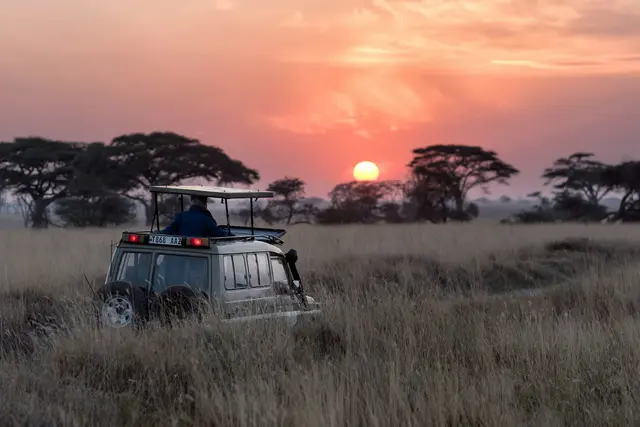
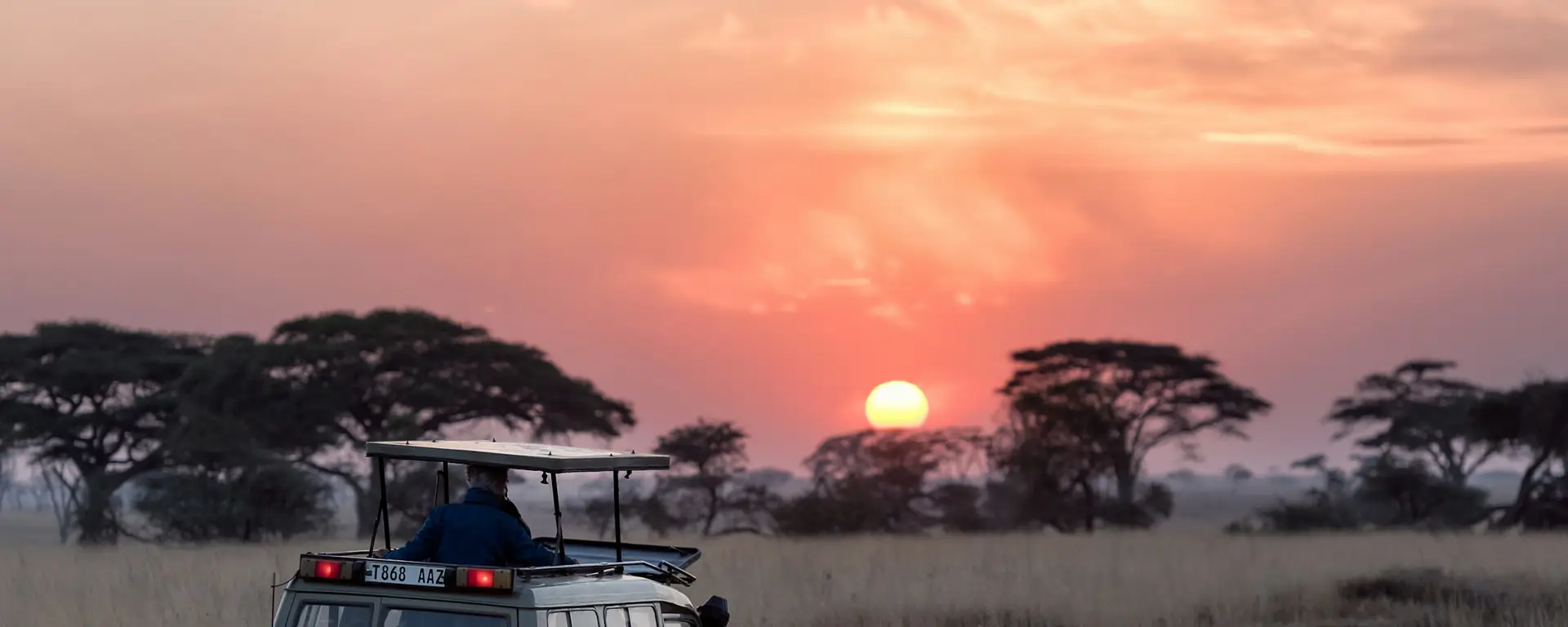
What doesn't change with the network: game parks and safari camps are largely off-grid. The same Zambia network comparison is blunt about it — "Game parks and safari camps are largely off-grid... mobile signal on MTN is available in Mfuwe town but disappears in the park," and coverage in South Luangwa, Kafue, and Lower Zambezi is described as "minimal to no mobile coverage" once you're past the gate town. A ground-level account from Victoria Falls-Guide.net echoes the same pattern regionally: reception in town is workable but "a bit intermittent at times," and drops off fast once you're away from built-up areas. Download offline maps before you head into a park; don't count on data once you're inside one.
A co:sim eSIM arrives by email as a QR code within seconds of checkout, so you can install it at home before you fly and simply switch it on after landing at Harry Mwanga Nkumbula International Airport in Livingstone, or at Kenneth Kaunda International Airport if Lusaka is your first stop. On iPhone, that's Settings → Cellular → Add eSIM; on most Android phones, Settings → Network & Internet → SIMs — either way it takes a couple of minutes over WiFi. Installing before departure means one less thing to sort out on arrival, and it means you're online from the terminal rather than hunting for an airport SIM counter or waiting in a queue after a long flight.
Yes — Livingstone and the Victoria Falls viewpoints on the Zambian side have workable mobile coverage, though reports describe it as good rather than flawless, with some intermittency depending on exactly where you're standing. co:sim's Zambia eSIM connects through Airtel, which covers Livingstone town comfortably; independent coverage comparisons note MTN as having a slight edge specifically at the falls viewpoints and Knife Edge Bridge, so if you're on a different network's SIM at the same spot, don't be surprised if signal strength differs a little. For most visitors — photos, maps, checking messages, sharing a few clips home — the coverage in and around Livingstone is reliable enough not to think about twice. It's once you leave town for a safari that coverage becomes the real variable, not the falls themselves.
Mostly no, and that's true across every Zambian network, not just co:sim's. Coverage reports describe game parks and safari camps as "largely off-grid," with mobile signal reaching gate towns like Mfuwe but disappearing once you're inside South Luangwa, Kafue, or Lower Zambezi National Park. A handful of upscale camps offer their own satellite WiFi, but you shouldn't plan around having a personal data connection during game drives or between camps. Download offline maps and let someone know your itinerary before you head in, the same way you would for any remote wilderness trip. Your Zambia eSIM will pick back up the moment you're back in range of a town with coverage — Livingstone, Lusaka, Mfuwe, or Chirundu — so there's no need to reinstall anything or hunt for a new SIM; it just reconnects automatically as soon as a signal is available again.
co:sim's Zambia eSIM is data-only: it provides mobile internet for maps, messaging apps, and browsing, but no Zambian phone number and no traditional SMS or cellular calling. Apps like WhatsApp, FaceTime, or Signal handle calls and texts over the data connection instead, which is how most travelers communicate on a trip like this anyway. If you need a local number for a specific reason — a hotel or safari operator that only confirms bookings by local SMS, for instance — you'd want a separate local SIM alongside the data eSIM for that one purpose. For everything else, including staying in touch with people back home, video calls once you're back in range of a town, and general browsing, the data-only plan covers it without needing a second SIM slot or a physical swap at any point in the trip.
Reloadable co:sim plans can be topped up from your account dashboard without installing a second eSIM — handy if a Victoria Falls trip turns into a longer Zambia-and-beyond itinerary once you're already there, or if a few extra days of navigation and photo uploads eat through the allowance faster than planned. Each plan page states whether that specific option is reloadable before you buy, so check it up front if there's a chance you'll extend. A non-reloadable plan is a one-time allowance for its validity window; once it's used up, you'd buy a fresh eSIM rather than add to the existing one, and it installs the same way — a QR code by email, no shop visit or extra registration needed, wherever you happen to be in Zambia at the time.
An uninstalled co:sim eSIM can be refunded within 30 days of purchase, though that window is capped by the plan's own install deadline, and plans that bill immediately at purchase aren't eligible — check the specific plan page for details. Once the eSIM profile is installed on your phone, it's no longer eligible for a self-service refund, even if you haven't activated it or used any data. So if there's a real chance your Zambia trip gets rescheduled after you buy, it's worth holding off on installing until the dates are locked in. This is the same rule across every destination co:sim sells, not something specific to Zambia — just useful to know before booking a plan for a trip that's still a little tentative.
Victoria Falls is the easy part — coverage there is solid on either major network. The honest caveat is everything past town: game parks stay largely offline no matter what's in your phone, so plan those days around downloaded maps rather than a live connection. If Zambia is one stop on a broader Africa itinerary, the Africa regional eSIM covers multiple countries on a single plan instead of switching eSIMs at each border.
Browse co:sim's Zambia eSIM plansInstant delivery by email · Install before you fly
 Destination Guides
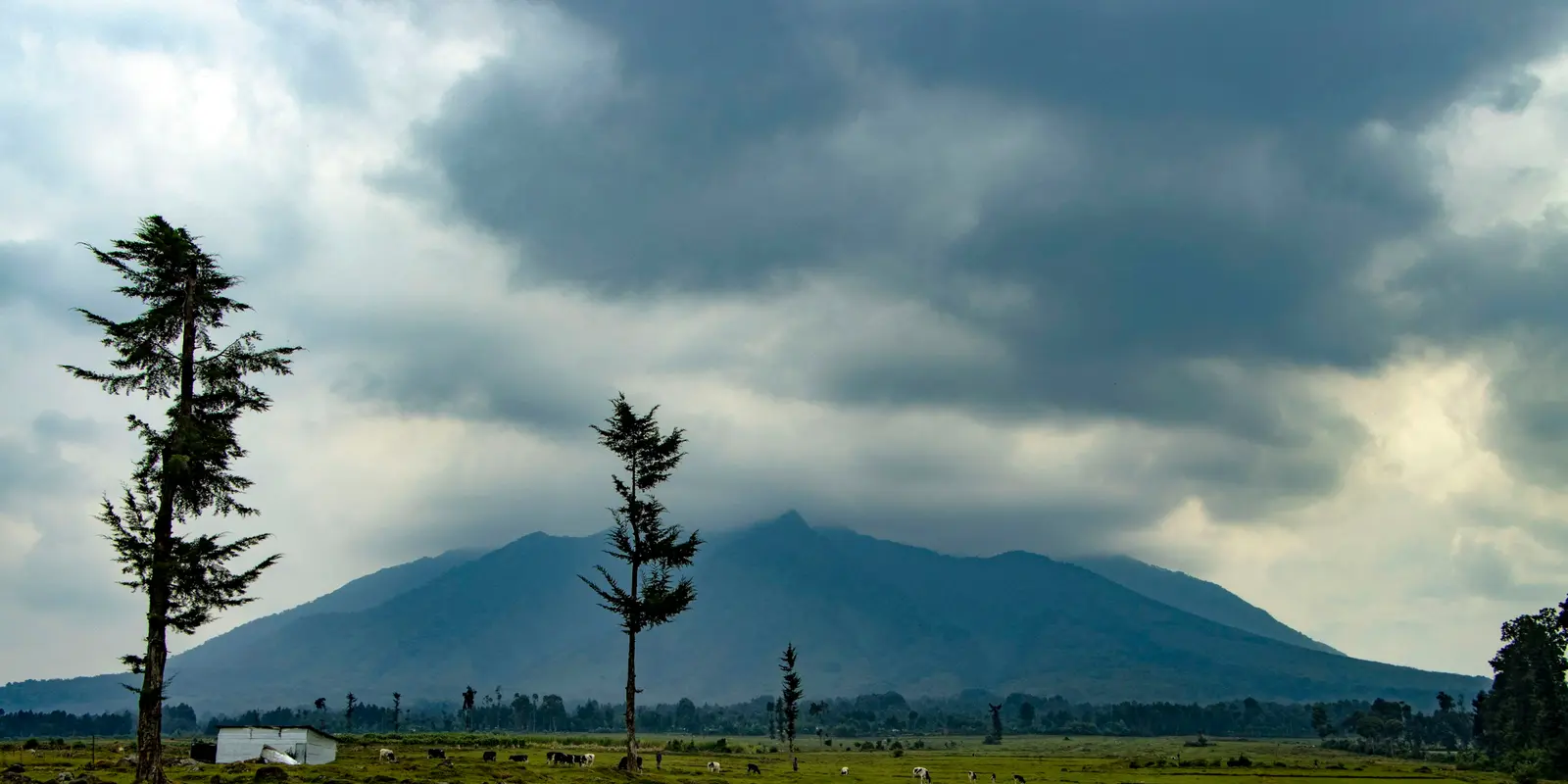
Airtel covers Kigali and Musanze well, but signal fades above 2,500m on the gorilla trek itself, on any network. Here's what a Rwanda eSIM should include and how it differs from Uganda's trek.
 Destination Guides
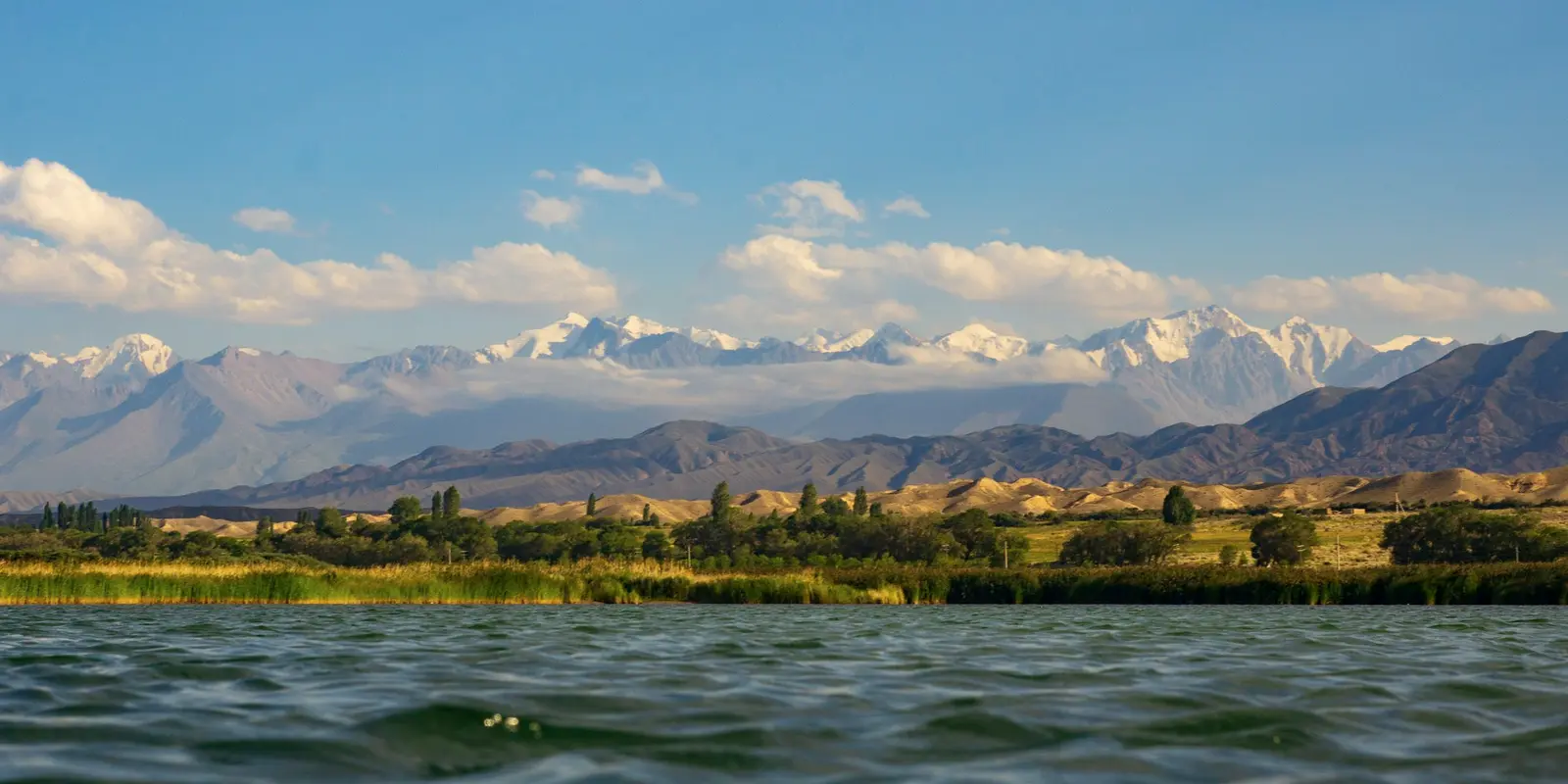
An honest look at Kyrgyzstan eSIM coverage: co:sim's Beeline network around Issyk-Kul and Bishkek, and why Ala-Kul and Song-Kul treks go offline above the treeline.
 Destination Guides
co:sim offers a free 1 GB eSIM valid for 7 days across 33 European countries, including Romania. Ideal for a Bucharest city break or a first look at a Transylvania road trip's real data needs before buying a bigger plan.
 co:sim Team