Back to Blog
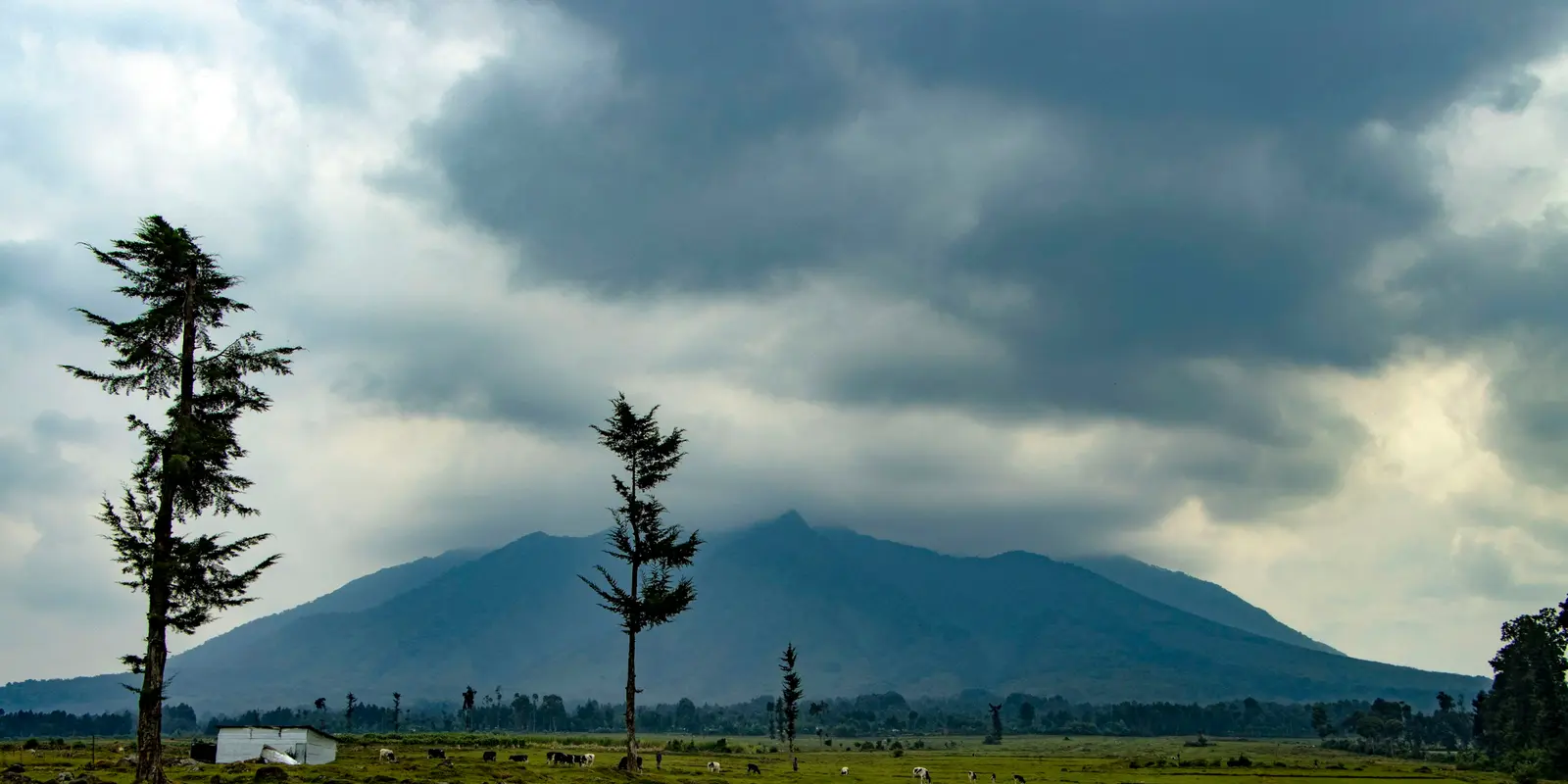
Rwanda's gorilla trekking runs through Volcanoes National Park, not Uganda's Bwindi, and that distinction matters for permits, borders, and logistics, not just scenery. co:sim's Rwanda eSIM connects through Airtel, which holds up well in Kigali and at the Musanze and Kinigi gateway towns where treks begin, but the honest caveat is the same one Uganda's piece makes for Bwindi: signal on any network fades out once you start climbing, and disappears entirely above roughly 2,500 meters, well before most gorilla families are found. This guide covers what a Rwanda eSIM should include, where Airtel's coverage genuinely holds, and how the trek itself, not the network you choose, is what determines when you'll be offline.
Four things matter more than the headline data number: which network carries the plan (co:sim's Rwanda eSIM runs on Airtel, competitive in Kigali and the towns around it), how the data is metered (a flat total bucket versus a daily-refreshing allowance), whether it supports top-ups if your trip runs long, and the install deadline. co:sim's current Rwanda plans list a 90-day install window from purchase, shown directly on the plan page rather than buried in fine print.
For a trip combining a few days in Kigali with a gorilla trek out of Musanze, 3-5GB total is usually enough if you're mainly on maps, messaging, and photos in town. There's little reason to buy a large bundle for a single-purpose trekking trip, since the trek itself is where you'll be offline regardless of plan size.
| Plan type | Typical data | Validity | Good for |
|---|---|---|---|
| Daily throttled | 500MB-2GB per day | 1 day, renewable | Short Kigali stopovers, checking in daily |
| Fixed bundle | 1-10GB total | 7-30 days | A gorilla trekking trip of a few days to two weeks |
| Larger bundle | 10-20GB total | 30 days | Longer stays or remote work from Kigali |
co:sim's own Rwanda eSIM lineup follows this same shape, from a light day pass up to a 30-day, 20GB bundle, each with its own validity and price shown directly on the plan page rather than one headline figure that doesn't match checkout. Reloadable plans top up from the co:sim account dashboard without reinstalling, useful if you extend a Rwanda trip to add Nyungwe Forest or a few extra days in Kigali. A Rwanda eSIM on co:sim is data-only (no phone number attached), so calls route through WhatsApp, FaceTime, or a similar app instead, which is how most tour operators and lodges here communicate with guests already.
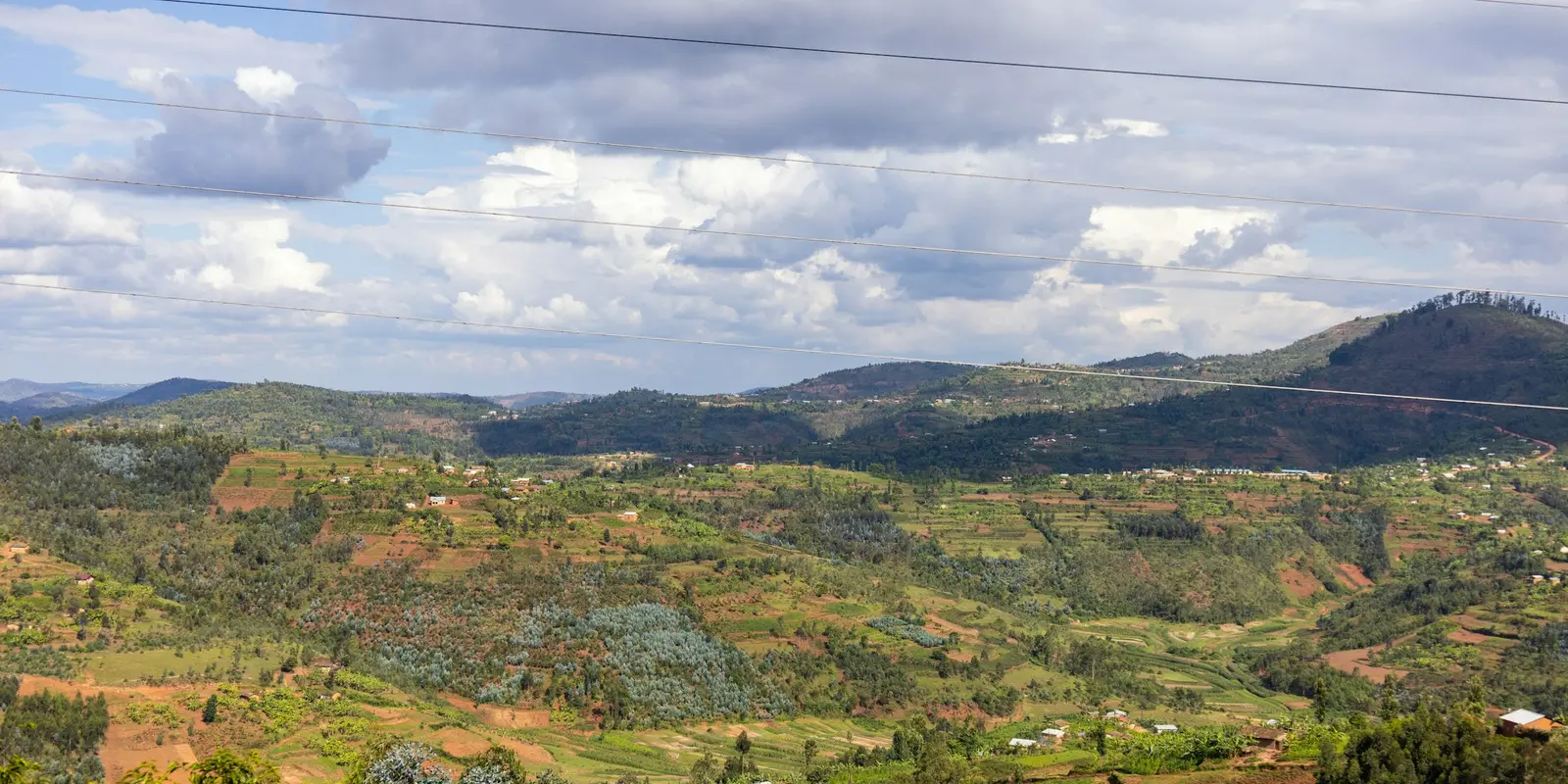
Airtel is genuinely competitive in Rwanda's cities and larger towns. Coverage assessments note that Musanze, the gateway town for Volcanoes National Park, carries reliable 4G at the park headquarters in Kinigi, where every trek's morning briefing takes place, and both of Rwanda's main networks reach that car park comfortably. Until 2023, Airtel and MTN in Rwanda both resold access to the same government-linked wholesale 4G network rather than running fully independent infrastructure; regulators have since opened the door for each operator to build out its own network, though the two remain broadly comparable in the towns that matter for a trekking trip.
The honest gap is the trek itself, not Airtel specifically. Signal on any network fades once you leave Kinigi and start climbing into the forest, and Volcanoes National Park's own gorilla families live at an elevation of roughly 2,500 to 4,000 meters, per Rwanda Development Board's own trekking guidance, which is well past where any carrier's mast reaches.
Install co:sim's Rwanda eSIM at home on Wi-Fi before you fly: the QR code arrives by email within seconds of checkout, so there's nothing to arrange at Kigali International Airport. On iPhone: Settings → Cellular → Add eSIM → Use QR Code. On Android, the equivalent path is under Settings → Network & Internet → SIMs. Leave the line installed but inactive until you land, then enable data roaming for it and switch off your home carrier's roaming to avoid a surprise bill. co:sim's Rwanda plans currently allow installation up to 90 days after purchase, so buying before your trek permit date is finalized is safe.
See current Rwanda eSIM plans and pricing on co:sim →Yes, in ways beyond just which country you fly into. Rwanda's trekking happens in Volcanoes National Park, on the Virunga range near Musanze, while Uganda's happens in Bwindi Impenetrable Forest, a genuinely different ecosystem with its own permit system, park entrance, and logistics. The two are not interchangeable trips: permits are bought separately per country, and a permit for one park doesn't grant access to gorilla families in the other. Both countries share a similar honest coverage story, though, solid signal in the gateway towns and briefing areas, and a hard cutoff once trekking starts climbing into elevation, so if you're deciding between them, the choice should come down to your border logistics, budget, and itinerary rather than assuming one destination substitutes for the other.
No, not for most of it, and this has nothing to do with which eSIM or network you choose. Rwanda's gorilla families live at elevations of roughly 2,500 to 4,000 meters inside Volcanoes National Park, according to Rwanda Development Board's own trekking information, well beyond where any mobile mast reaches. Once you leave the Kinigi car park and start climbing, expect zero signal on Airtel, on Rwanda's other network, or on any foreign roaming profile, for the two to six hours a trek typically takes depending on where your assigned gorilla family is found that day. Download offline maps, screenshot your permit and lodge details, and treat your guide as the actual safety net during the climb, since no phone signal will reach you there regardless of preparation.
For the parts of a trip where you'd actually use a phone, yes. Airtel is competitive in Kigali and holds up reliably in Musanze and at the Kinigi park headquarters, where morning briefings and permit check-ins happen before treks begin each day. Rwanda's two networks historically rode the same underlying wholesale infrastructure until a 2023 regulatory change allowed each to build out independently, so the practical difference between them in the towns most travelers actually pass through is smaller than the brand names alone might suggest to someone comparing them from abroad. The genuine coverage gap in Rwanda isn't really between networks at all, it's between anywhere with a mobile mast and the high-elevation trekking routes themselves, where no carrier reaches regardless of reputation or market share.
Data covers most of what a typical visitor needs. co:sim's Rwanda eSIM is data-only, so it carries no phone number and can't receive a traditional call or SMS, but WhatsApp, FaceTime, and similar apps handle voice calls and messaging wherever there's a data connection. Most Rwanda tour operators, guides, and lodges coordinate with guests over WhatsApp already, so this rarely becomes a practical problem for permit confirmations or day-to-day communication. If you specifically need a number that can receive an SMS, such as a bank verification code from home or a delivery confirmation, pair the data eSIM with a local physical SIM bought in Kigali, or simply keep your home SIM active for that one specific purpose while everything else runs on data.
Yes, on co:sim's reloadable plans — check the individual plan page before buying, since the cheapest daily throttled passes are typically non-reloadable by design and meant for single-day use. A reloadable Rwanda plan tops up directly from your co:sim account dashboard without reinstalling the eSIM profile or requesting a new QR code, convenient if a trekking-focused trip turns into a longer stay once you've added Nyungwe Forest or Lake Kivu to the itinerary. Non-reloadable day passes simply expire at the end of their validity window with no extension option, so if you already suspect a longer trip before you book your permit, a single 30-day bundle is usually simpler and better value than stacking several short passes back to back as the trip unfolds.
Rwanda's gorilla trekking rewards travelers who plan around the mountain, not the network: solid Airtel coverage in Kigali and Musanze, and an honest, complete signal blackout the moment the trek climbs into the forest. Install a co:sim Rwanda eSIM before you fly and you'll have data ready the moment you land in Kigali, with nothing left to arrange before the drive to Musanze.
Instant delivery by email · Install before you fly
 Destination Guides
An honest look at Kyrgyzstan eSIM coverage: co:sim's Beeline network around Issyk-Kul and Bishkek, and why Ala-Kul and Song-Kul treks go offline above the treeline.
 Destination Guides
co:sim offers a free 1 GB eSIM valid for 7 days across 33 European countries, including Romania. Ideal for a Bucharest city break or a first look at a Transylvania road trip's real data needs before buying a bigger plan.
 Destination Guides
Uganda requires a slow biometric SIM registration process a co:sim eSIM skips entirely — plus an honest look at signal (or the lack of it) in Bwindi.
 co:sim Team