Back to Blog
The best eSIM for a Mongolia trip is a data-only plan that runs on Mobicom, the country's largest carrier and the network most travel eSIM brands connect through, including co:sim's own Mongolia plan. The real decision isn't which brand to buy from — it's sizing your data around the stretches of Gobi Desert and open steppe where no carrier has a signal at all. This guide covers plan sizing, the one genuine network-choice difference worth knowing about, an honest look at where coverage actually reaches, and how to get set up before you land.
Four things matter more here than for most destinations:
Match your plan to the number of days you'll actually be in range, not the trip length on paper — the data amount, validity window, and install deadline are listed up front on each plan page you're comparing.
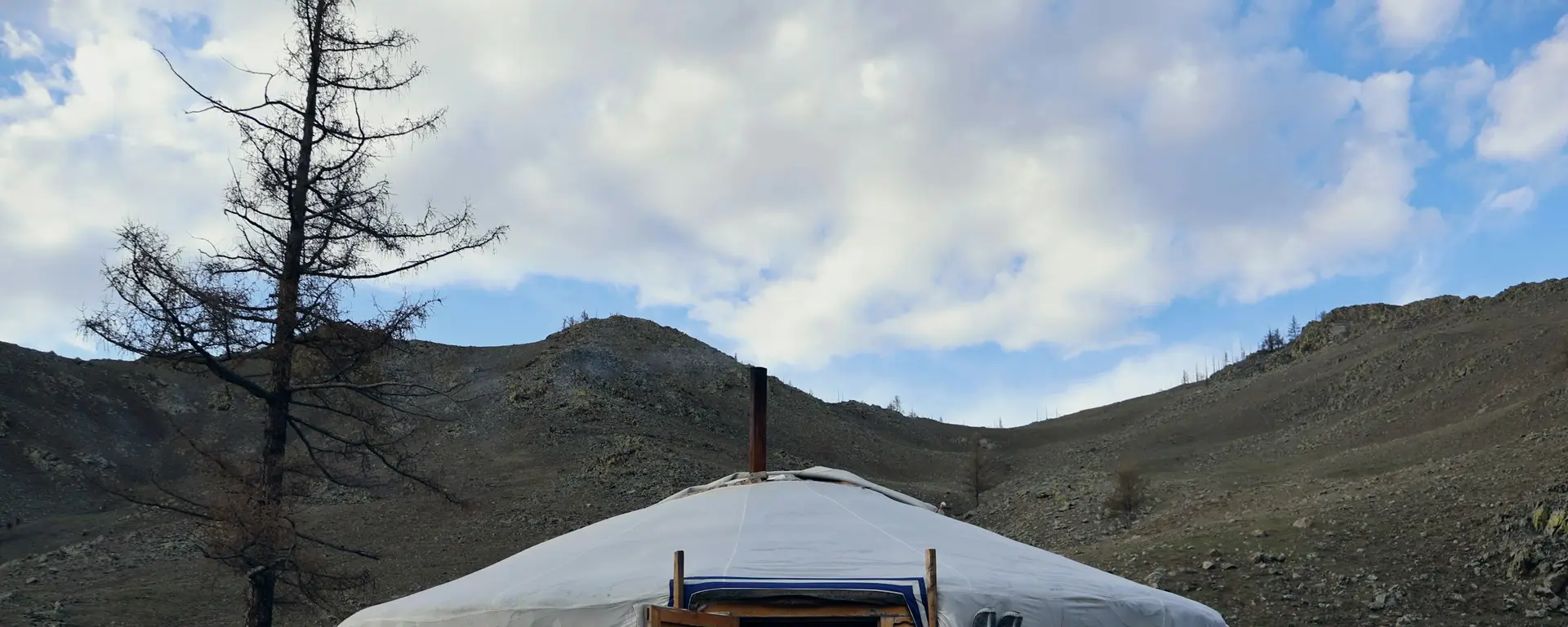
Data-only eSIMs for Mongolia are typically sold in fixed-data tiers rather than open-ended unlimited plans. co:sim's Mongolia lineup, for example, runs from small short-trip sizes up to 20GB, with validity windows between 1 and 30 days, and some tiers are reloadable if your trip runs long or you use more than planned. Because Mongolia's networks are genuinely contended mainly in Ulaanbaatar and a handful of aimag (provincial) centers, a plan's advertised speed matters far less here than whether you're in a coverage zone at all — which is the actual decision this guide is about.
A short Ulaanbaatar-based trip with day tours rarely needs more than a few gigabytes; a longer Gobi loop needs less than that despite running longer, because so much of it happens with no signal to spend data on. Reloadable tiers suit travelers who aren't sure yet, since you can start modest and top up once you're back in range rather than guessing high.
This is the one genuinely distinctive fact worth knowing before you buy. Mongolia has two carriers serious enough for travelers to weigh: Mobicom, the country's largest operator by subscribers and partly owned by Japan's KDDI, and Unitel, the domestic operator that became the first company in Mongolia to launch a 4G LTE network, in April 2016, and switched on the country's first 5G test station in Ulaanbaatar in September 2022.
Most travel eSIM brands, co:sim included, connect Mongolia plans through Mobicom, which has the longer track record covering Ulaanbaatar, the main highway corridors, and aimag centers. At least one competing eSIM brand sells access to Unitel instead — and the two carriers don't agree on who wins where: some coverage write-ups still call Mobicom the safer bet for a signal on a distant hilltop, while one Mongolia connectivity guide rates Unitel's 4G network as the more extensive of the two, including in remote provinces. In practice, for the standard Ulaanbaatar-plus-Gobi itinerary most visitors run, either network performs similarly. If your route heads specifically into the far west or an unusual overland path, ask your ger camp host or tour operator which network locals actually rely on in that exact area — real-world reception in rural Mongolia regularly diverges from either carrier's published coverage map.
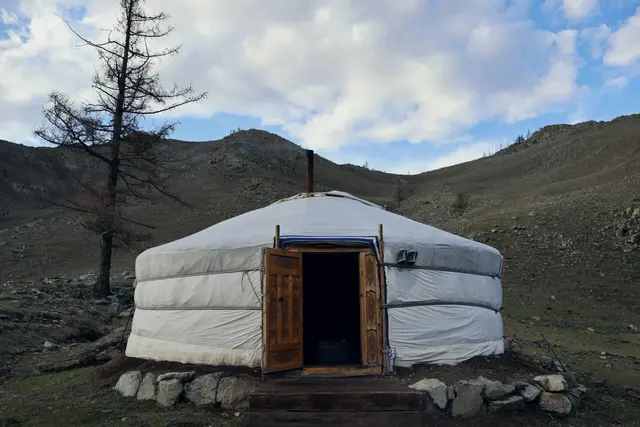
Partly, and knowing where the line falls matters more here than for almost any other destination on this site. Coverage is genuinely solid in Ulaanbaatar, aimag centers, and established tourist stops — most Gobi ger camps carry at least a basic signal, and hosts can usually point you to the strongest spot nearby. Between those points, expect nothing: Mongolia is one of the world's most sparsely populated countries, and the Gobi Desert, the Altai mountains, and the central steppe all carry genuine dead zones where neither major carrier has a signal for stretches that can run two to three days on a remote overland route.
That's not a coverage failure to work around — it's the terrain. Download offline maps (Maps.me or OsmAnd both cover Mongolia reasonably well) and anything else you'll need before you leave the last town on your route, and treat data as something you catch up on once you're back in range rather than something continuous. This kind of trip is exactly what's driving Mongolia's tourism growth right now: the country logged 208,028 international arrivals in the first four months of 2026 alone, a 35% year-on-year rise, with the Gobi Desert and nomadic ger-camp stays cited as central to that pull — Silk Road-adjacent, wide-open, genuinely remote travel is the draw, not a resort with guaranteed Wi-Fi.
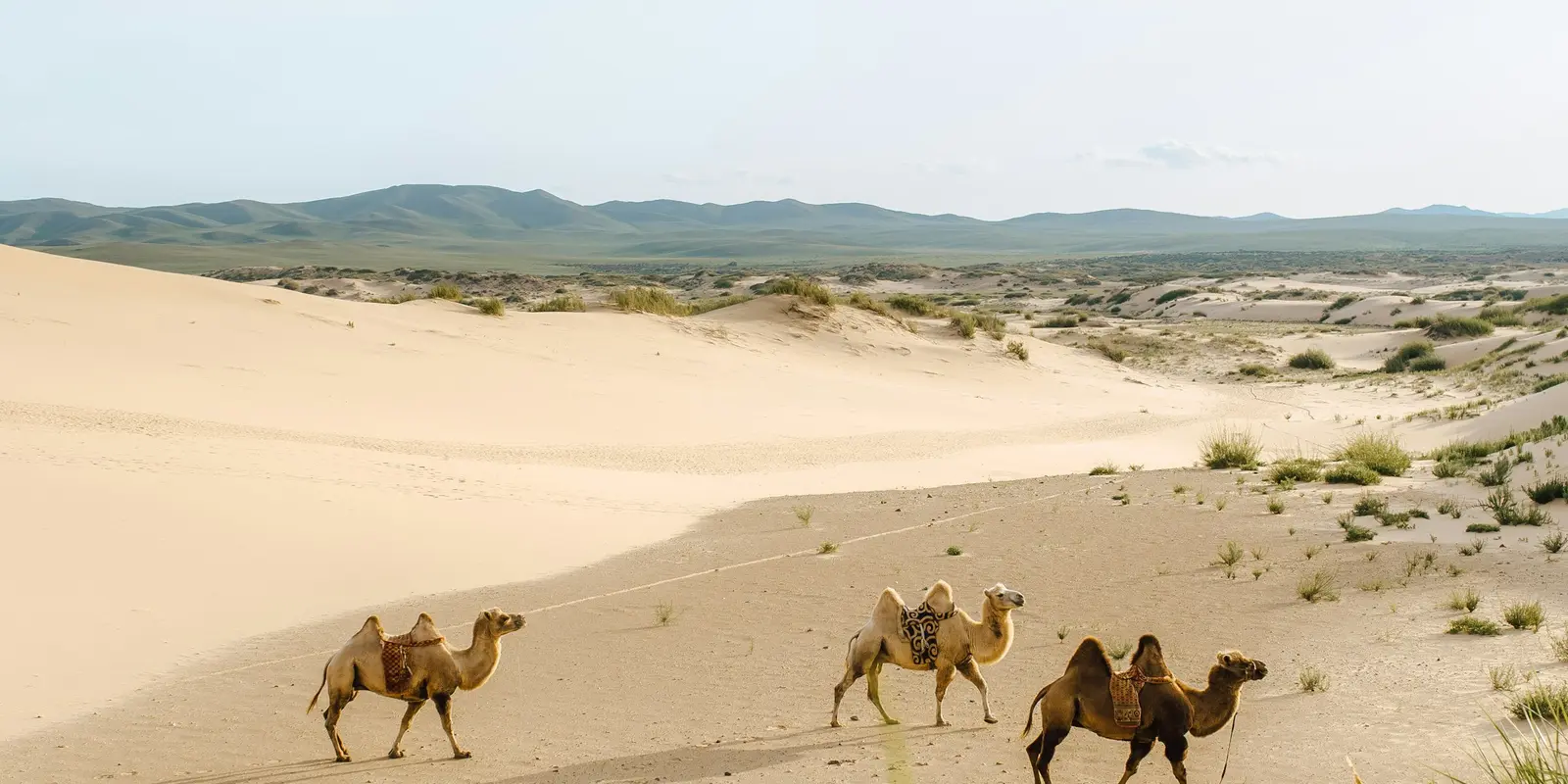
One more Gobi-specific thing that has nothing to do with which carrier you pick: winter and shoulder-season cold. Gobi temperatures regularly fall well below -20°C, and lithium-ion batteries lose usable capacity and can shut a phone down early in that kind of cold even while showing a full charge. Keep your phone in an inner jacket pocket rather than an outer one or your bag, and let it warm to room temperature before you plug it in — charging a genuinely cold phone is what actually risks lasting battery damage, not the cold exposure on its own.
Install before you leave home, while you're still on reliable Wi-Fi — an Ulaanbaatar hotel room after a long flight, or a ger camp with no signal at all, is the wrong place to discover a typo in the activation code. With co:sim, the QR code arrives by email within seconds of checkout, so there's no waiting once you've paid.
Settings → Cellular → Add eSIM on iPhone; Settings → Network & internet → SIMs → Add eSIM on most Android phones) and scan the code.Check the plan's install deadline against your actual travel dates rather than assuming it matches a different trip you've booked before — an eSIM left uninstalled past that date is automatically cancelled.
Yes, but coverage narrows fast once you leave the capital and aimag (provincial) centers. Mongolia's two main carriers, Mobicom and Unitel, both cover Ulaanbaatar, major highway corridors, and most aimag towns with usable 4G. Between those points — across the Gobi Desert, the Altai mountains, and the open steppe — expect long stretches with no signal at all, sometimes for two to three days on a remote overland route. Established tourist stops and most ger camps carry at least a basic signal, and camp hosts can usually point you to the strongest nearby spot. A data-only eSIM like co:sim's Mongolia plan works the same way a local SIM would in these zones: full data speed where coverage exists, nothing where it doesn't. Pair it with offline maps for the gaps rather than expecting continuous connectivity anywhere outside the main towns.
For most visitors it doesn't matter much. co:sim and the majority of travel eSIM brands sell Mongolia access through Mobicom, the country's largest carrier by subscribers, which has the longer track record covering Ulaanbaatar, the highway network, and aimag centers. At least one competing eSIM brand sells Unitel instead, which pioneered 4G in Mongolia back in 2016 and, by some measures, reaches further into western provinces. If your itinerary is the standard Ulaanbaatar-plus-Gobi loop most tours run, either network performs similarly, and getting the data amount and validity right matters more than the carrier name. Heading somewhere genuinely remote or off the standard tour routes is the one case worth asking locally which network actually works there, since real-world rural reception regularly differs from either carrier's published coverage map.
It depends on whether you've installed it. An uninstalled co:sim eSIM can be refunded within 30 days of purchase, though plans that start billing at purchase rather than at first connection are excluded from that window — check the specific plan page if this matters to you. Once an eSIM has been installed, it's no longer eligible for a self-service refund. That's one more reason to install at home on Wi-Fi only once your Mongolia dates are firm, rather than as a "just in case" purchase weeks ahead of a trip that might still change. If your dates are settled, installing before departure and leaving the line off until you land is the safer order: it locks in your plan without starting the countdown early.
Less than you'd expect, because a meaningful share of a Gobi itinerary happens with no signal to use data on at all. A week combining Ulaanbaatar with Gobi ger camps typically uses somewhere in the low single-digit gigabytes for maps, messaging, and photo sharing during the days you do have coverage — heavy video calling pushes that higher, but there's limited point buying much more unless your trip is mostly city-based. Because Gobi coverage clusters around towns and camps rather than running continuously, a reloadable plan suits this trip better than one large fixed allotment: start with a moderate amount, then top up once you're back in signal if you're running low, rather than paying up front for data you may not have a connection to use.
No — an eSIM is a digital profile stored in your phone's hardware, not a removable chip, so cold doesn't affect it any differently than it would a physical SIM. What cold weather does affect is your phone's battery: lithium-ion batteries lose usable capacity in sub-freezing temperatures and can shut a phone down early even on a full charge, which matters in Gobi winter conditions that regularly drop well below -20°C. Keep your phone in an inner jacket pocket rather than an outer pocket or bag, and let it warm to room temperature before charging — plugging in a genuinely cold phone is what risks lasting battery damage, not the cold exposure on its own. None of this touches your eSIM profile or data plan; once the phone warms back up, it reconnects exactly as before.
Mongolia rewards travelers who plan around its size rather than against it. A Mobicom-based data-only eSIM covers Ulaanbaatar, the highway corridors, and most Gobi ger camps the moment you land, and the gaps in between are the same regardless of whose SIM you're carrying. If your route continues past Mongolia, co:sim's full destination catalog covers 190+ countries so you can set up the next leg the same way, before you fly.
Browse co:sim's Mongolia eSIM plansInstant delivery by email · Install before you fly
 Destination Guides
Airtel covers Kigali and Musanze well, but signal fades above 2,500m on the gorilla trek itself, on any network. Here's what a Rwanda eSIM should include and how it differs from Uganda's trek.
 Destination Guides
An honest look at Kyrgyzstan eSIM coverage: co:sim's Beeline network around Issyk-Kul and Bishkek, and why Ala-Kul and Song-Kul treks go offline above the treeline.
 Destination Guides
co:sim offers a free 1 GB eSIM valid for 7 days across 33 European countries, including Romania. Ideal for a Bucharest city break or a first look at a Transylvania road trip's real data needs before buying a bigger plan.
 co:sim Team