
Back to Blog
For Lake Malawi's shoreline towns, Airtel is the network that matters — co:sim's Malawi eSIM runs on Airtel's 4G, the same operator that covers the lake's main resort strip from Cape Maclear and Senga Bay up to Nkhata Bay and Monkey Bay. A week on the lake plus a couple of days in Lilongwe or Blantyre rarely needs more than a mid-size data plan; go bigger only if you're heading deep into Liwonde or Majete, where signal thins out regardless of provider. This guide covers what a Malawi eSIM plan should include, what actually works along the shoreline, and where to expect dead spots regardless of provider.
Four things matter more than the headline data number: which network the eSIM rides on (for a travel eSIM, Malawi effectively means Airtel, and Airtel's own coverage tool is the fastest way to check a specific lodge before you commit), how the data is metered (a flat total bucket versus a daily-refreshing allowance), whether the plan supports top-ups if the trip runs long, and the install deadline. co:sim lists that install window on every Malawi plan page instead of burying it in fine print — its current Malawi plans give you 90 days from purchase to install, so buying ahead of a trip you haven't finalized is safe.
For a week on the lake plus a couple of days in the cities, 3-5GB total is usually enough if you're mainly on WhatsApp, maps, and email. Add more only if you're streaming or making daily video calls.
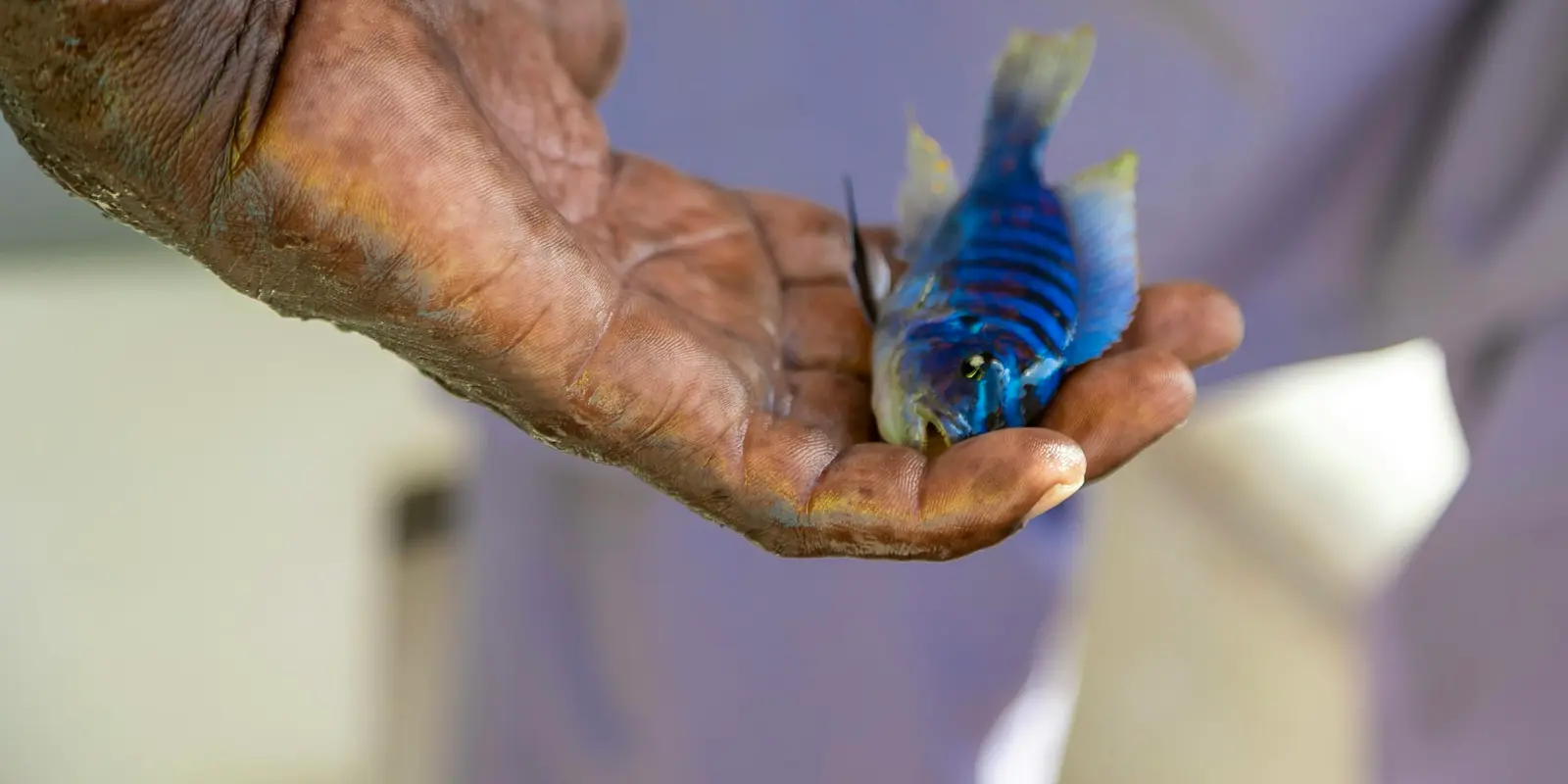
Malawi's travel-eSIM catalog is genuinely small — this is a country where most providers keep the lineup to a handful of sizes rather than a long menu, which is worth knowing before you shop around.
| Plan type | Typical data | Validity | Good for |
|---|---|---|---|
| Daily throttled | 500MB-2GB per day | 1 day, renewable | Short lake stopovers, checking in daily |
| Fixed bundle | 1-10GB total | 7-30 days | A one- or two-week Malawi trip |
| Larger bundle | 10-20GB total | 30 days | Longer stays or remote work from a lakeside lodge |
co:sim's own Malawi eSIM lineup follows this same shape: a handful of Airtel-network plans running from a light day pass up to a 30-day, 20GB bundle, each showing its own validity and price on the plan page rather than one headline number that doesn't match what you actually pay. Reloadable plans can be topped up from the co:sim account dashboard if the trip runs long, without reinstalling a new profile. A Malawi eSIM on co:sim is data-only (no phone number attached), so voice calls and texts route over WhatsApp, FaceTime, or a similar app instead, which is how most travelers here reach lodges and drivers anyway.
Airtel is the strongest option directly on the lake. Current coverage guides converge on the same shortlist: Airtel's 4G reaches the main resort strip — Cape Maclear, Nkhata Bay, Monkey Bay, and Senga Bay all have usable signal at the beachfront lodges, and both Lilongwe and Blantyre are solidly covered. That matches what Airtel's own coverage lookup shows for the lakeshore district capitals.
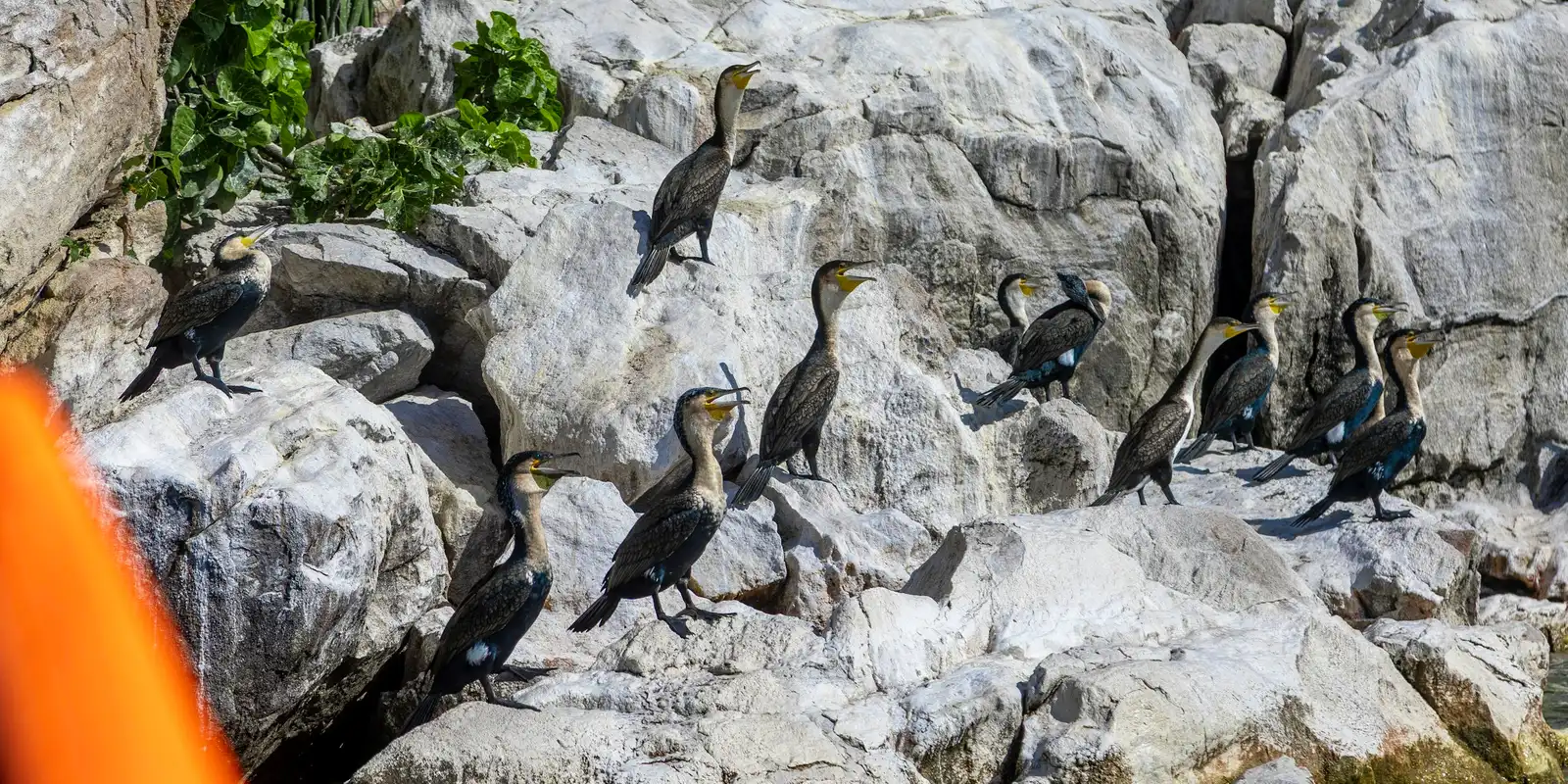
The honest gap is everywhere between the resort towns. Local connectivity guides note that the remote northern shoreline past Nkhata Bay, open-water ferry crossings, and the interior of protected areas like Liwonde and Majete thin out fast — a terrain and tower-density problem that affects every carrier operating in Malawi, not something a different eSIM fixes. If your itinerary includes several nights at a bush camp inside one of the parks, ask the lodge directly about its own signal or satellite backup rather than assuming any eSIM will reach you there. 5G hasn't launched in Malawi as of 2026, so 4G LTE is the ceiling everywhere, with 3G as the fallback in rural stretches.
Install co:sim's Malawi eSIM at home on Wi-Fi before you fly: the QR code arrives by email within seconds of checkout, so there's no airport kiosk or SIM-swap queue on arrival. On iPhone: Settings → Cellular → Add eSIM → Use QR Code. On Android, the path is nearly identical under Settings → Network & Internet → SIMs. Leave the new line installed but inactive until you land, then turn on data roaming for it and switch off your home carrier's roaming to avoid a surprise bill. Because co:sim's Malawi plans currently list a 90-day install window from purchase, buying early and flying later is safe — just confirm the exact figure on the plan page before you travel, since it can vary by plan.
See current Malawi eSIM plans and pricing on co:sim →No. As of 2026, Malawi's mobile networks top out at 4G LTE, with 3G as the fallback in rural areas and 2G in the most remote spots. This applies to every carrier, including Airtel, which co:sim's Malawi eSIM plans run on, so there's no premium tier to pay extra for even if a plan advertised one. In practice this makes little practical difference for most travelers: 4G comfortably handles maps, messaging apps, email, and standard-definition video calls, which covers the bulk of what a Lake Malawi trip actually needs day to day. Where you'll notice the ceiling is trying to stream high-definition video or upload large photo and video files from a lakeshore lodge — plan for noticeably slower speeds there rather than assuming big-city bandwidth, and download anything data-heavy while you still have strong signal in a town like Lilongwe, Blantyre, or Mzuzu.
Possibly, but don't count on it for the whole stay. Coverage inside Malawi's protected areas is inconsistent regardless of network — reception tends to cluster near park gates, headquarters buildings, and a handful of higher points, while river camps and deep bush lodges can be signal-free for stretches of the day or even overnight. This is a tower-density and terrain issue rather than a fault of any specific SIM: no eSIM or physical SIM fixes a gap where there simply isn't a mast for miles around, and that's true whether you're on Airtel, TNM, or a foreign roaming profile. If you're staying multiple nights inside a reserve, ask the lodge in advance whether they run their own Wi-Fi or satellite link for guests, and download offline maps and any documents you'll need before you leave the last town with reliable signal.
Data covers most of what travelers actually use day to day. co:sim's Malawi eSIM is data-only, so it carries no phone number and can't receive a traditional call or SMS. WhatsApp, FaceTime, and Google Voice handle voice calls and messaging instead, and some of those apps even receive one-time verification codes for services that support app-based delivery. Most Malawi lodges, safari operators, tour guides, and lakeshore restaurants communicate over WhatsApp anyway, since it's the regional default, so the lack of a phone number rarely becomes a practical problem on a leisure trip. If you specifically need a local number, say to receive an SMS from a bank or a delivery service that won't accept a VoIP number, pair your data eSIM with a cheap local physical SIM instead, bought after you land.
Yes, on co:sim's reloadable plans — check the individual plan page before buying, since not every size supports it and the daily throttled day-passes are typically non-reloadable by design. A reloadable Malawi plan can be topped up from your co:sim account dashboard without reinstalling the eSIM profile or generating a new QR code, so a trip extension doesn't mean starting your connectivity setup over from scratch. Non-reloadable day passes are built for short, single-visit use and simply expire when their validity window ends, with no top-up option available. If you already suspect your Malawi trip might run past two or three weeks, buying a single 30-day bundle up front is usually simpler and better value than stacking several short passes back to back as you go.
Usually not, for a Malawi-focused trip. Regional bundles are built for travelers actively crossing several countries in one itinerary, splitting a shared data allowance across each border they cross, and a Lake Malawi visit is more often a standalone trip, or loosely paired with a side visit to Zambia or Tanzania that uses its own local SIM, rather than one continuous multi-country route. For a dedicated Malawi itinerary, a single-country plan sized to your real data use is usually better value than a broad regional bundle you'd only partly use across a handful of countries. Check co:sim's Malawi eSIM page directly for current plan sizes, validity windows, and pricing before deciding either way, since exact figures change more often than general buying advice does.
Lake Malawi rewards travelers who plan around its coverage reality rather than against it: solid 4G on Airtel at every resort town along the shore, and honest dead zones once you're deep inside a national park or crossing open water. Install a co:sim Malawi eSIM before you fly and you'll be connected the moment you land in Lilongwe or Blantyre, with data ready for the drive down to the lake.
Instant delivery by email · Install before you fly
 Destination Guides
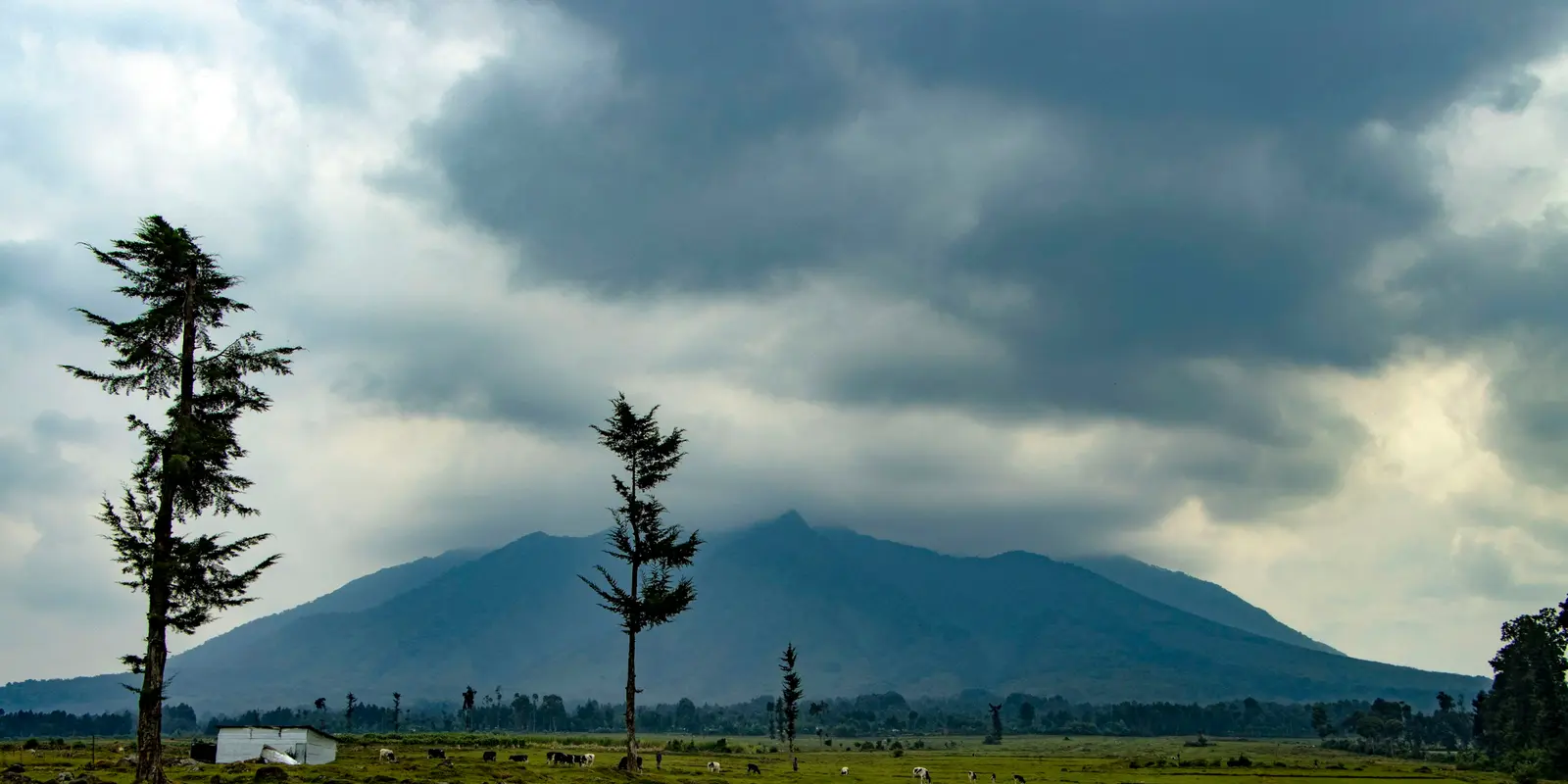
Airtel covers Kigali and Musanze well, but signal fades above 2,500m on the gorilla trek itself, on any network. Here's what a Rwanda eSIM should include and how it differs from Uganda's trek.
 Destination Guides
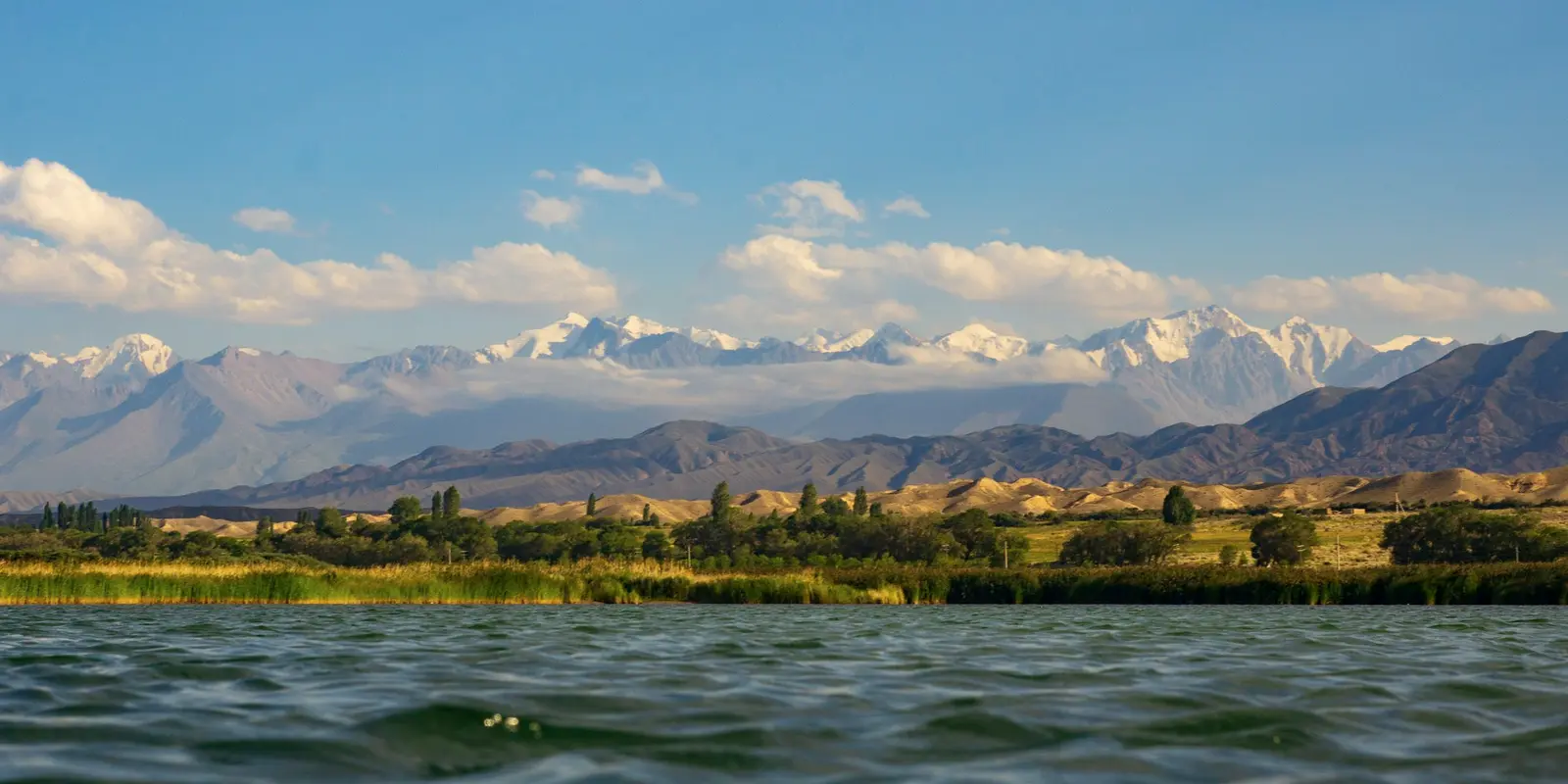
An honest look at Kyrgyzstan eSIM coverage: co:sim's Beeline network around Issyk-Kul and Bishkek, and why Ala-Kul and Song-Kul treks go offline above the treeline.
 Destination Guides
co:sim offers a free 1 GB eSIM valid for 7 days across 33 European countries, including Romania. Ideal for a Bucharest city break or a first look at a Transylvania road trip's real data needs before buying a bigger plan.
 co:sim Team