Back to Blog
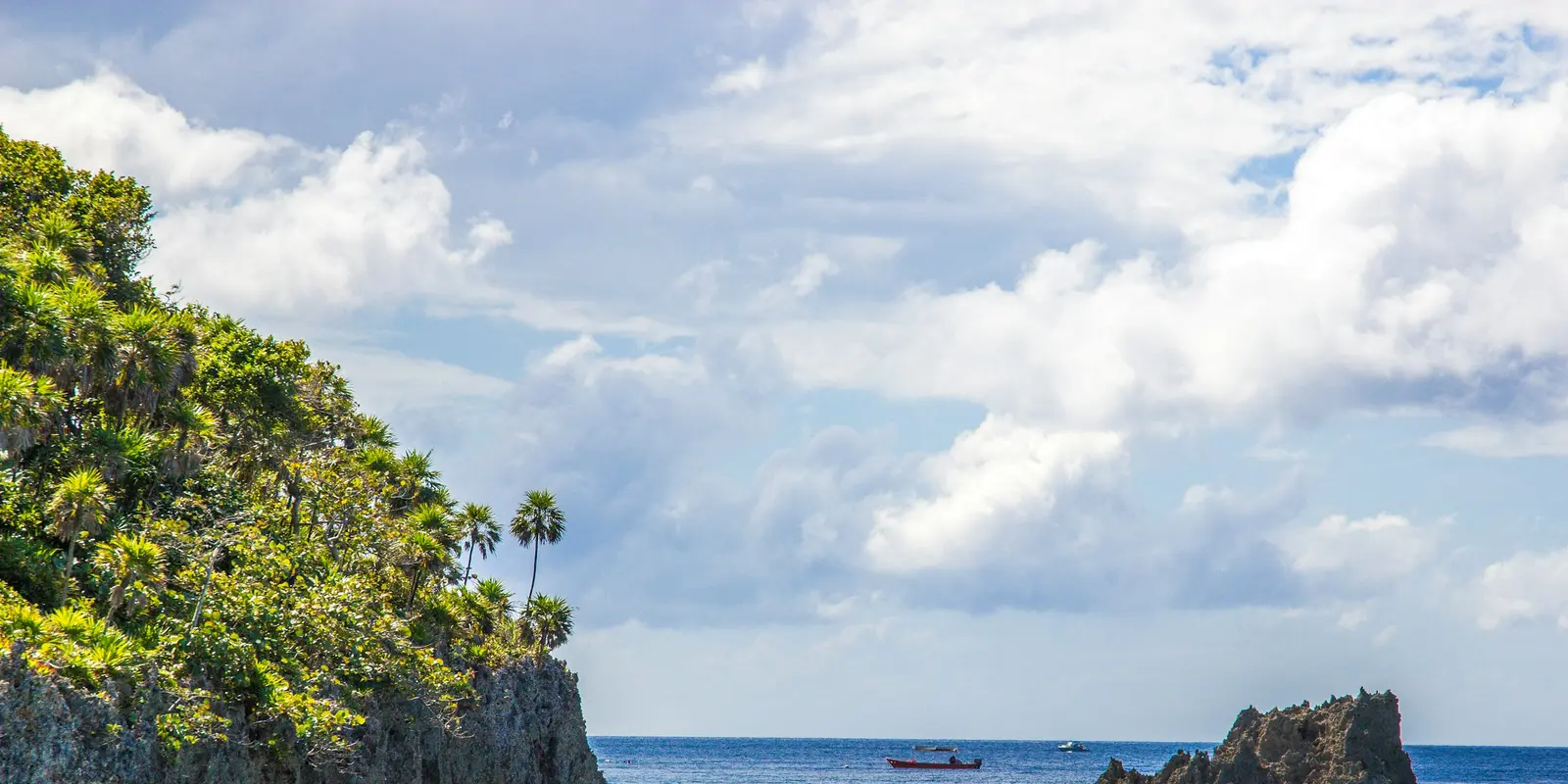
For Roatán and the Bay Islands, co:sim's Honduras eSIM connects via the Claro network, and that's a genuine strength rather than a compromise: independent speed testing across Roatán, Copán Ruinas, and the mainland found Claro and Tigo delivering essentially the same results, so a single-network eSIM isn't leaving useful coverage on the table here. This guide covers what to expect on the reefs and in West End and West Bay, what changes once you head inland toward Copán, and how to get connected before your first day of diving.
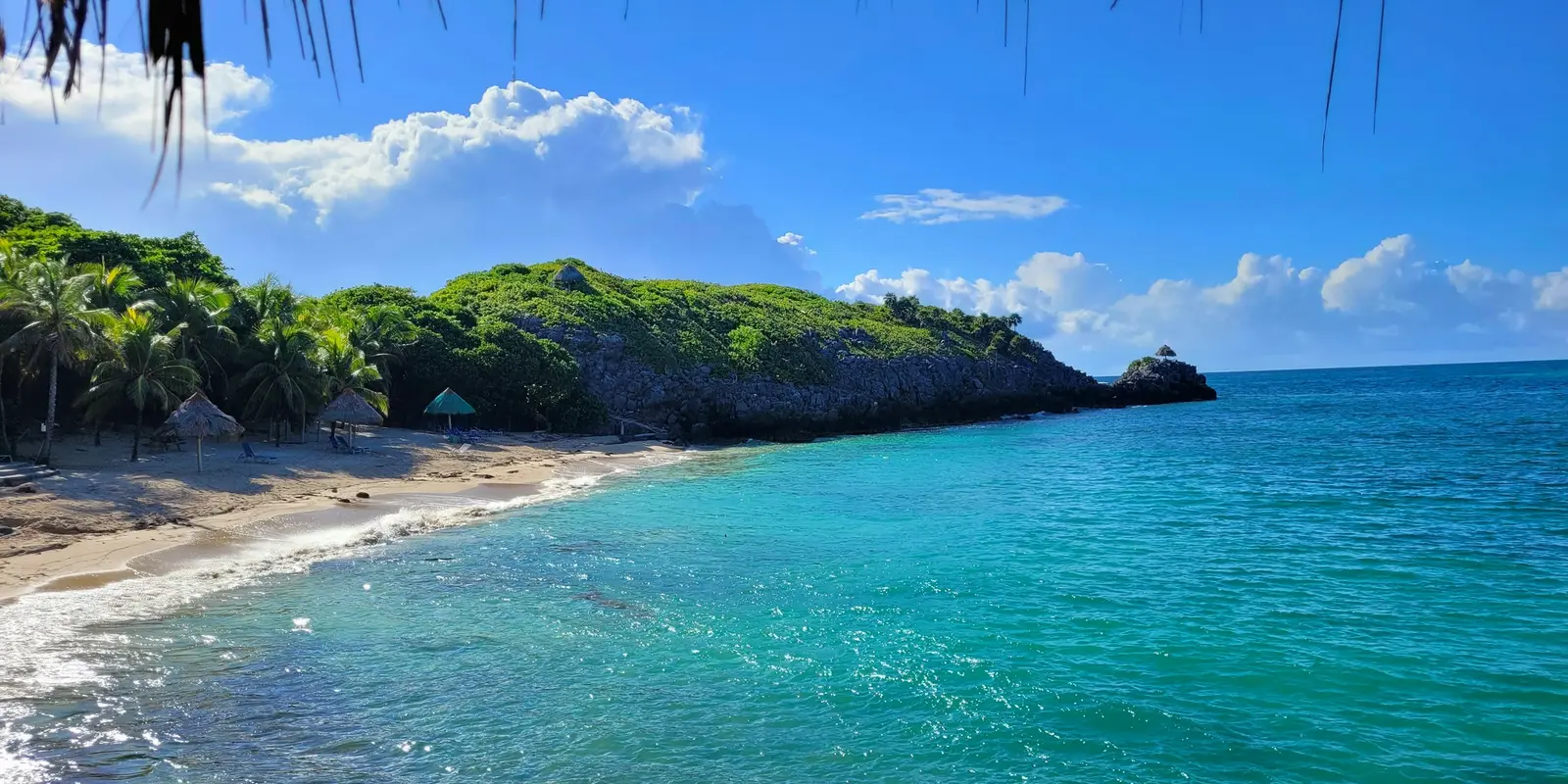
Two different trips share this destination, and they need slightly different things. Divers and beach travelers based in Roatán or Utila want reliable coverage in the towns (West End, West Bay, Coxen Hole) and don't need much data since most of the day happens underwater or offline. Travelers heading inland toward Copán Ruinas or San Pedro Sula want a plan that holds up on highway drives between towns, where coverage briefly thins between the well-covered population centers.
Either way, check which network the plan actually uses before buying, not just a generic "Honduras coverage" claim. Each co:sim plan page lists the underlying network, the install deadline, and whether the plan supports top-ups, so you know exactly what you're getting before you pay, rather than discovering it once you land on the island.
| Option | Coverage | Data structure | Best for |
|---|---|---|---|
| co:sim Honduras eSIM | Claro network (4G) | Fixed-GB and daily-allowance tiers, top-up supported | Bay Islands diving trips and inland Copán/San Pedro Sula travel alike |
| Local physical SIM (Claro or Tigo) | In-store, ID typically required | Pay-as-you-go top-ups | Longer stays who don't mind a shop visit and want a local number |
| Generic international travel eSIMs | Varies by provider's local partnership | Often sold as flat-rate "unlimited" | Travelers who'd rather pay a flat rate than track a data allowance |
| Airport SIM kiosk | Often marked up versus in-town shops | Small starter data bundles | Only when there's no time to set anything up in advance |
Airport SIM kiosks in Honduras exist, but travelers consistently report them charging more than an in-town Claro or Tigo shop for the same starter bundle, and you still have to find the kiosk, queue, and set the SIM up after a long flight. Installing an eSIM before you fly sidesteps that entire step; it's already working by the time you're through immigration.
co:sim's Honduras eSIM runs on Claro at 4G, per the live network listing on the plan page. That single-network setup holds up well across the destinations tourists actually visit: one detailed, independently run comparison tested data speeds in Tegucigalpa, Copán Ruins, and Roatán and found Tigo and Claro delivering essentially the same results at each location, with no clear overall winner between the two networks nationwide. On Roatán specifically, both operators are described as covering the island's main tourist corridor reliably, with 4G and increasingly 5G now available in Honduras's major cities and popular destinations, Roatán and Copán Ruinas included.
The Bay Islands are premier diving destinations along the Mesoamerican Barrier Reef, the world's second-largest reef system, and diving is the main reason Roatán draws an estimated 1.6 million visitors a year, a figure that has grown steadily as the island's dive infrastructure has matured. Most of a diving day happens with your phone in a dry bag rather than checking signal. Where coverage matters more is topside: between dives, at the dock, and in West End's restaurants and dive shops, all comfortably inside Claro's island coverage.
Buy the plan before your flight, since co:sim emails the QR code within seconds of checkout, and install it over Wi-Fi while you still have a reliable connection. That matters more for a diving trip than most: once you land in Roatán, your first priority is usually the dive shop, not troubleshooting a SIM.
Settings → Cellular → Add eSIM (iPhone) or Settings → Network & internet → SIMs → Add eSIM (Android), then scan the QR code.co:sim's Honduras eSIM connects via the Claro network at 4G speeds, according to the live network listing on the plan page. This matters more than it might seem, since Honduras has two major carriers, Claro and Tigo, and coverage quality between them varies by exact location rather than one clearly beating the other nationwide. Independent speed testing across Tegucigalpa, Copán Ruins, and Roatán found the two networks performing about the same at each spot, which means a Claro-based eSIM isn't giving up meaningful coverage on the island or inland. Roatán's main tourist areas, West End, West Bay, and Coxen Hole, all sit comfortably within Claro's island coverage, and the same network extends reliably to the mainland stops most itineraries add on, San Pedro Sula and Copán Ruinas among them.
Based on independent testing rather than marketing claims, there's no clear winner between the two on Roatán specifically; both networks cover the island's main tourist corridor reliably, and speed tests found them delivering similar results at the same locations. For a diving trip, the practical difference matters less than usual anyway, since most of the day is spent underwater with your phone left at the dive shop or hotel, not comparing bars of signal between carriers. What matters more is topside coverage between dives, at the marina, and in West End's restaurants and dive shops, which co:sim's Claro-based eSIM covers as part of the island's main network footprint, with Roatán's roughly 1.6 million annual visitors relying on exactly that corridor.
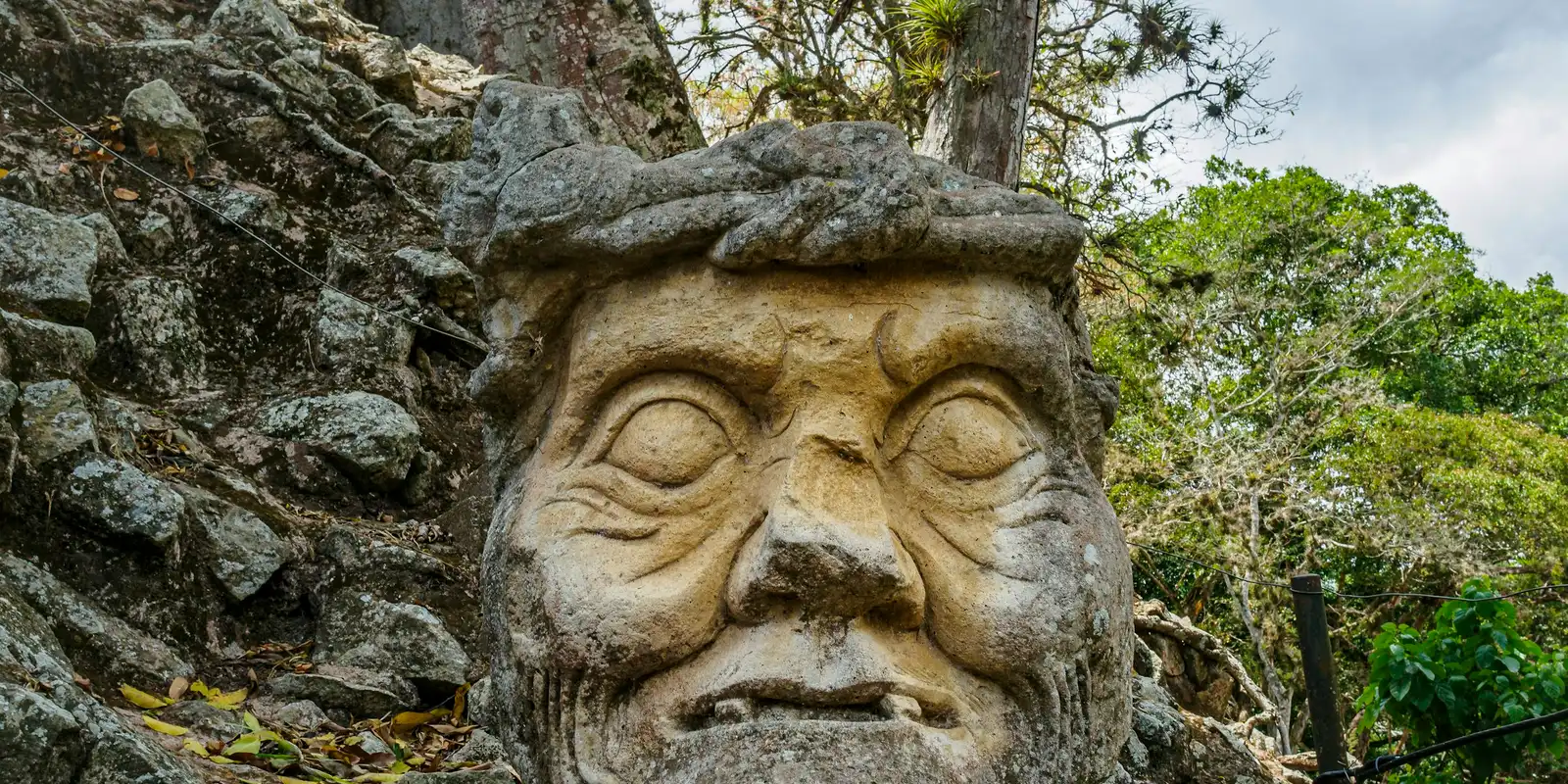
Yes, generally. The same independent speed testing that covered Roatán also tested Copán Ruins and found Claro performing comparably to Tigo there too, and both carriers now offer 4G, with 5G reaching Honduras's major cities and popular tourist destinations. Coverage on the highway corridors connecting San Pedro Sula, Copán Ruinas, and the coast is generally reliable in towns and along main routes, with the more remote interior regions, like parts of La Mosquitia, being the real exception rather than Copán itself, which sits well within Claro's normal coverage footprint. A Honduras eSIM covers both a Bay Islands beach trip and an inland ruins visit on the same plan, without needing to switch networks or buy a second SIM partway through the trip.
Usually not, and it costs you time on top of money. Honduran airport SIM kiosks, including the one in Roatán, are commonly reported as charging more than an in-town Claro or Tigo shop for the same starter bundle, and you still have to locate the kiosk, queue, and get it set up before you can use it, all after a long flight when you'd rather be heading to your hotel or the dock. An eSIM bought through co:sim installs before you even leave home, over your own Wi-Fi, and activates automatically once you land and connect to Claro, so there's no post-flight errand at all. For a short Roatán trip especially, where every day matters, the time saved is worth at least as much as the price difference.
Less than you'd expect, if most of your time is spent diving. A moderate fixed-GB or daily-allowance co:sim plan comfortably covers maps, messaging, and photo uploads between dives, since actual diving hours are offline by definition and use no data at all. If your trip mixes beach days with streaming or video calls back home, or you're traveling with family who'll all be online at once, size the plan up accordingly rather than guessing low. Check whether it's reloadable too, in case a week in Roatán stretches longer than planned, which happens more often than travelers expect. The plan page lists both the data structure and top-up support before you buy, so you're not guessing at whether a top-up is even possible once you're already on the island.
Yes. co:sim's Honduras eSIM plan covers the whole country under the same Claro network listing, not just the Bay Islands, so a trip that starts with diving in Roatán and continues to San Pedro Sula or Copán Ruinas on the mainland stays on the same plan the entire time. There's no need to buy a separate island-only or mainland-only product, and no need to swap eSIMs partway through the trip, which matters for anyone combining a beach week with an inland ruins visit on the same itinerary. Check the plan's validity period against your full itinerary length before buying, so the data lasts the whole trip rather than just the island portion, especially if the mainland leg gets added on after you've already booked the flights.
Roatán and the Bay Islands reward a plan that's ready before you land: Claro-based coverage across the island's dive towns, reliable enough inland toward Copán that switching plans isn't necessary, and no airport kiosk queue to deal with first.
See current Honduras eSIM plans on co:simInstall it before you fly, and spend your first hour in Roatán at the dock, not troubleshooting a SIM card. Browse every co:sim destination if Honduras is one stop on a wider Central America trip.
Instant delivery by email · Install before you fly
 Destination Guides
Airtel covers Kigali and Musanze well, but signal fades above 2,500m on the gorilla trek itself, on any network. Here's what a Rwanda eSIM should include and how it differs from Uganda's trek.
 Destination Guides
An honest look at Kyrgyzstan eSIM coverage: co:sim's Beeline network around Issyk-Kul and Bishkek, and why Ala-Kul and Song-Kul treks go offline above the treeline.
 Destination Guides
co:sim offers a free 1 GB eSIM valid for 7 days across 33 European countries, including Romania. Ideal for a Bucharest city break or a first look at a Transylvania road trip's real data needs before buying a bigger plan.
 co:sim Team