Back to Blog
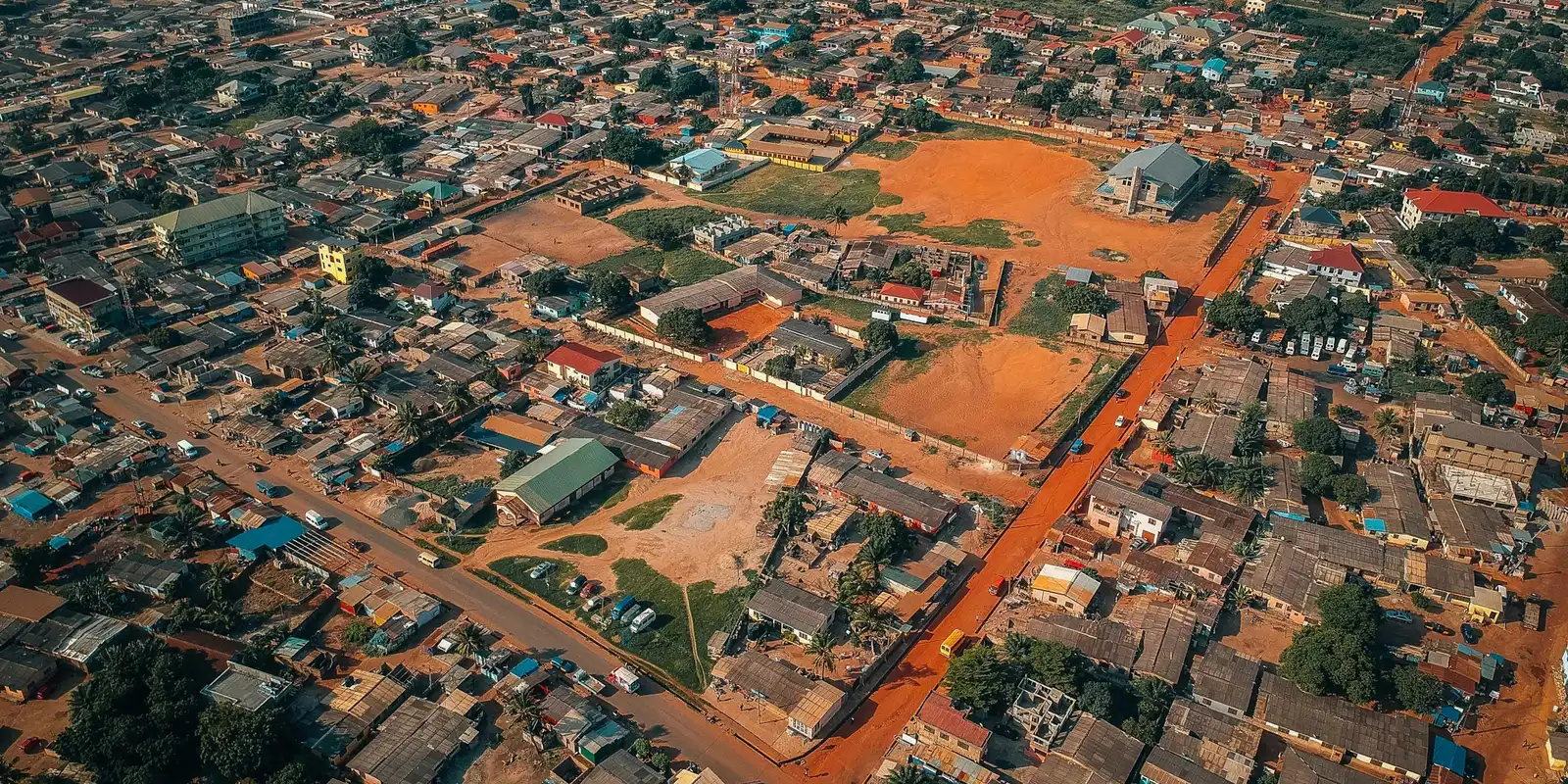
For most trips to Ghana — visiting family in Accra, exploring Cape Coast's forts, or flying in for Detty December — a co:sim data-only eSIM for Ghana is the simplest way to get online the moment you land, no passport-and-fingerprint SIM registration required. Ghana's mobile networks are solid in the cities and along the coastal corridor, and patchier once you're well off the highway, so matching your plan to where you're actually going matters more here than in a flagship destination. This guide covers Ghana's network landscape, which network a Ghana eSIM actually connects to, and how to set one up before you fly.
Three things decide which Ghana eSIM plan fits your trip: how long you're staying, how much data you actually use, and where in the country you're headed. A five-day family visit to Accra needs far less data than a three-week trip that also covers Kumasi, the Volta Region, and the north. co:sim's Ghana plans range from a 500MB/day option — fine for maps and WhatsApp — up to 20GB over 30 days for heavier use like video calls or working remotely between visits.
Every plan is data-only: it covers browsing, messaging apps, and calls made over WiFi or data (WhatsApp, FaceTime, Signal), but it does not include a Ghanaian phone number for SMS or cellular voice calls. That's the same trade-off every travel eSIM makes, and it's worth confirming you're fine with it before you buy.
Ghana's eSIM plans generally split into two shapes: a fixed data allowance that lasts the whole trip, or a daily allowance that resets every 24 hours. Which one suits you depends on how evenly you'll use data across the trip.
| Plan type | Data | Validity | Best for |
|---|---|---|---|
| Daily, light | 500MB–1GB/day | 1–30 days | Maps, messaging, occasional social media |
| Daily, standard | 2–3GB/day | 1–30 days | Regular browsing, video calls, social media |
| Fixed, total | 5–20GB | 30 days | Longer stays with uneven day-to-day use |
The full Ghana lineup on the co:sim Ghana eSIM page lists current data amounts and validity windows for each tier. Reloadable plans can be topped up from your account dashboard if you run low partway through the trip, without buying or installing a second eSIM — the plan page states up front whether a given option is reloadable.
Ghana has three mobile networks: MTN, Telecel (formerly Vodafone Ghana), and AirtelTigo. MTN is the country's largest operator and is generally reported to have the widest 4G reach into rural areas beyond the main highways, according to a Ghana SIM card comparison that benchmarks all three. co:sim's Ghana eSIM connects through Telecel's 4G/5G network — a solid, honest match for the trip most diaspora and tourist visitors actually take: Accra, Kumasi, Cape Coast, and the coastal corridor, where Telecel has invested heavily.
If your itinerary runs deep into the Volta Region or the far north, MTN's broader rural footprint may edge it out — worth knowing before you buy, since a data-only eSIM only ever runs on the specific network it's built for, not whichever network happens to have the strongest signal in a given spot.
That coastal corridor is also where Ghana's tourism boom is concentrated. The government's "Year of Return" campaign brought a reported 750,000-plus diaspora visitors to Ghana in 2019 alone and pushed tourism receipts up nearly 50% that year; the follow-on "Beyond the Return" program has kept December arrivals climbing every year since, per Wikipedia's summary of the campaign. Most of that travel — a family visit from the US or UK, a heritage trip to Cape Coast Castle and Elmina — sits comfortably inside Telecel's coverage map, so the network choice matches where the traffic actually goes.

Ghana requires biometric registration — a physical passport, a photo, and a fingerprint scan — for any local SIM card, tourist SIMs included, according to the same Ghana SIM card guide. A co:sim eSIM skips all of that: the QR code arrives by email within seconds of checkout, so you can install it before you leave home and simply switch it on after landing at Kotoka International Airport.
Installing takes a couple of minutes over WiFi — Settings → Cellular → Add eSIM on iPhone, or Settings → Network & Internet → SIMs on most Android phones. One more reason to install early: Ghana's power grid has a well-known unpredictability problem nicknamed "dumsor," and while home WiFi and hotel internet go down with the mains, cell towers commonly run on their own backup power, so mobile data often keeps working through outages that take out other connectivity — useful for booking a ride or reaching family when the lights go out.
Coverage in Ghana is strongest in the cities and along the coastal corridor — Accra, Kumasi, Cape Coast, Takoradi — and weaker once you're well off the main highways, in parts of the Volta Region, or deep in the northern regions. A Ghana eSIM connects through one specific network, which covers the routes most visitors actually travel but thins out in the same remote areas where any Ghanaian SIM struggles, since coverage there depends on cell-tower density rather than which provider's name is on the SIM. If your trip includes genuinely remote stops — Mole National Park, for instance — expect intermittent signal rather than a dead zone everywhere, but not the steady bars you'll get in Accra either. Plan around it rather than relying on it, especially if you need to be reachable on a fixed schedule.
co:sim's Ghana eSIM is data-only: it gives you mobile internet for maps, messaging apps, email, and social media, but it does not include a Ghanaian phone number, and it can't send or receive traditional SMS or cellular voice calls. For calls and texts while traveling, internet-based apps — WhatsApp, FaceTime, Signal — work over the data connection instead, which covers how most travelers actually stay in touch today. If you specifically need a local number, for example to receive a Ghanaian bank's SMS code or set up a ride-hailing account, you'd need a separate local SIM for that one purpose alongside your data eSIM. For everything else — staying in touch with family, navigation, sharing photos — the data-only plan is what most visitors actually need.
For a typical week-long visit — maps, WhatsApp, some social media, and email — 1-2GB per day is comfortable for most travelers. If you're mostly at a family home or hotel with WiFi and only need data for getting around and staying in touch, a 500MB/day plan often stretches further than expected. Heavier use — video calls home, streaming, or navigating data-hungry map apps for hours each day — pushes that toward 3GB/day or a fixed 10-20GB total plan for a longer stay. Because daily-reset plans don't roll unused data over to the next day, a fixed total allowance suits a trip with uneven usage — a busy sightseeing day in Accra followed by a quiet day with family — better than a strict daily cap does.
Reloadable co:sim plans can be topped up directly from your account dashboard without buying or installing a second eSIM — useful if a trip runs longer than planned, or a data-heavy day eats through your allowance faster than expected. The plan page for each Ghana option states whether that specific plan is reloadable before you buy, so check that up front if you might extend your stay. Non-reloadable plans are a one-time allowance for the validity period; once it's used up or the plan expires, you'd buy a fresh eSIM rather than add data to the existing one. Either way, a top-up or a new purchase installs the same way the original eSIM did, with a QR code delivered by email — no shop visit required.
Yes — an uninstalled co:sim eSIM can be refunded within 30 days of purchase, though that window is capped by the plan's own install deadline, and plans that bill immediately at purchase aren't eligible (check the specific plan page for details). Once you've installed the eSIM profile on your phone, it's no longer eligible for a self-service refund, even if you haven't activated it or used any data yet — so if your travel plans might still change after buying, hold off installing until you're sure you're going. This isn't a Ghana-specific rule; it applies the same way across the whole data-only eSIM lineup, for every destination co:sim sells. It's worth knowing before you buy several days ahead of a trip that could still shift, or before you gift an eSIM to someone whose plans aren't fully locked in yet.
Ghana rewards a little planning: know whether your trip stays on the coastal corridor or heads inland, and you'll know which network story matters for you. If Ghana is one stop on a wider West Africa trip, the Africa regional eSIM covers multiple countries on one plan instead of swapping eSIMs at every border. For most visits — family, heritage tourism, a Detty December trip — co:sim installs before you fly and connects the moment you land.
Browse co:sim's Ghana eSIM plansInstant delivery by email · Install before you fly
 Destination Guides
Airtel covers Kigali and Musanze well, but signal fades above 2,500m on the gorilla trek itself, on any network. Here's what a Rwanda eSIM should include and how it differs from Uganda's trek.
 Destination Guides
An honest look at Kyrgyzstan eSIM coverage: co:sim's Beeline network around Issyk-Kul and Bishkek, and why Ala-Kul and Song-Kul treks go offline above the treeline.
 Destination Guides
co:sim offers a free 1 GB eSIM valid for 7 days across 33 European countries, including Romania. Ideal for a Bucharest city break or a first look at a Transylvania road trip's real data needs before buying a bigger plan.
 co:sim Team