Back to Blog
The best eSIM for Belize is a data-only plan on DigiCell — the country's dominant network and the one co:sim's own Belize plan connects through — sized around a trip that genuinely splits between two different worlds: barrier-reef diving and inland Mayan ruins. That dual itinerary is what makes Belize different from almost every other Caribbean or Central American pick, and it's also what makes connectivity planning harder than a single-region trip, since a reef town like San Pedro and a jungle site like Caracol have almost nothing in common signal-wise. This guide covers what to look for in a Belize eSIM, which network it actually runs on, an honest coverage split between the coast and the jungle, and how to set up before you fly.
Three things matter more here than for a single-region trip:
Look for a plan page that states the data amount, validity window, and install deadline up front, so you can size one plan for the full two-region trip rather than guessing.
Most Belize itineraries that combine both halves run a two-base structure: jungle and ruins first, reef second. A well-regarded 10-day version spends the first five days inland from San Ignacio — covering the ATM Cave, Xunantunich, and Caracol — before a short flight to Ambergris Caye for five more days split between Hol Chan Marine Reserve, the Great Blue Hole, and Caye Caulker, doing the physically demanding jungle activities first and finishing the trip rested on the coast rather than exhausted. The Cayo District around San Ignacio is the base for ruins and caves; Ambergris Caye and Caye Caulker are the base for reef access.
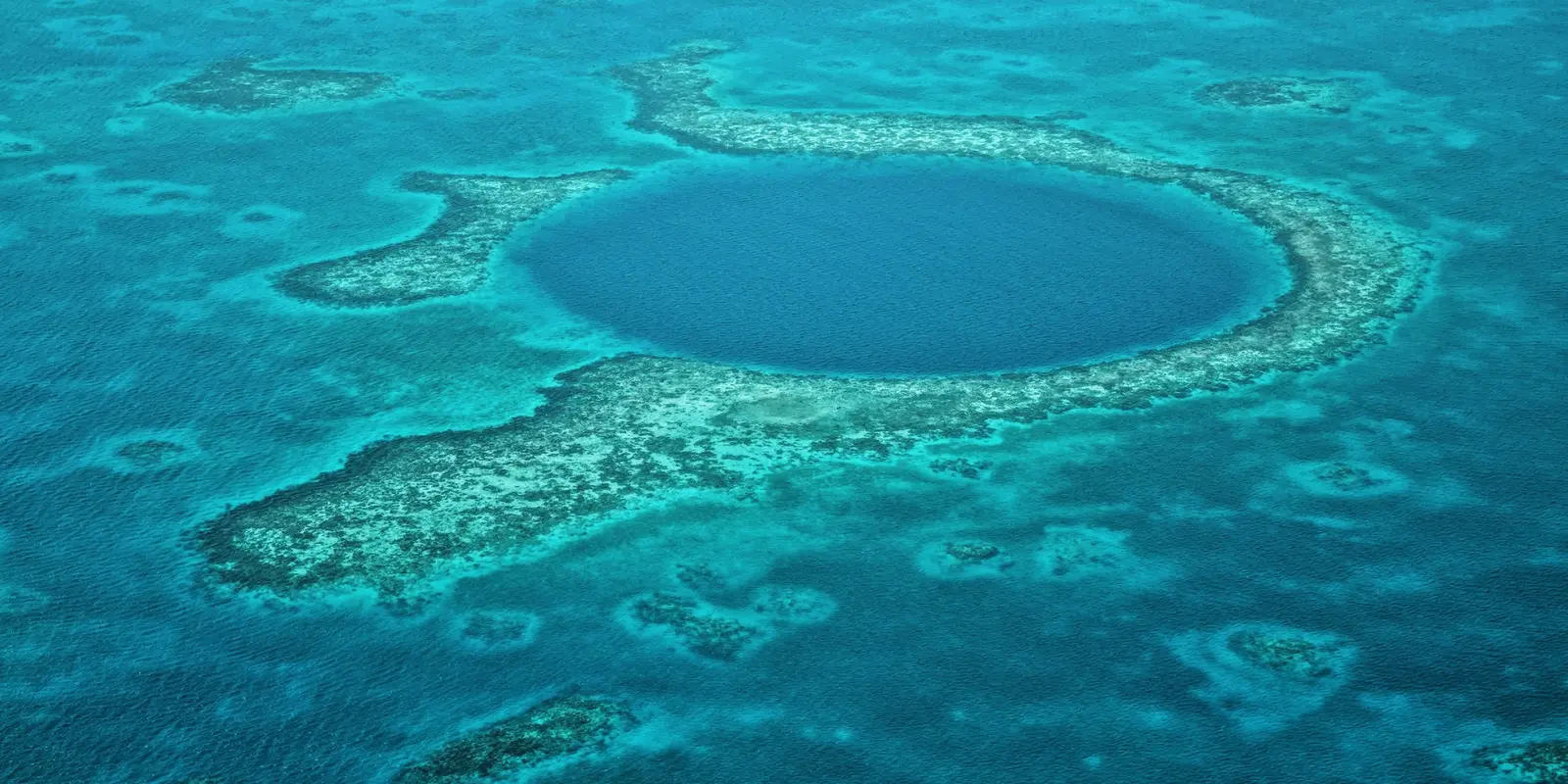
On the reef side, Hol Chan Marine Reserve sits a short boat ride from San Pedro and needs no dive certification — snorkelers float through dense coral alongside turtles and rays, with Shark Ray Alley next door for a close pass by harmless nurse sharks. The Great Blue Hole, Belize's signature dive site, is a roughly 1,000-foot-wide, 400-foot-deep marine sinkhole discovered by Jacques Cousteau, typically visited as a multi-tank trip from the cayes. On the ruins side, Xunantunich is reached by a hand-cranked cable ferry across the Mopan River and lets you climb El Castillo, one of Belize's tallest structures, for a view across the jungle into Guatemala. Caracol goes further: it's home to Caana, Belize's tallest man-made structure at roughly 141 feet, and getting there is part of the experience — more on that below. The ATM Cave (Actun Tunichil Muknal) near San Ignacio adds a wade-and-climb approach into a cavern holding centuries-old Maya artifacts and skeletal remains; cameras are banned inside, and daily visitor numbers are capped, so it's worth booking two to three days ahead.
Belize has effectively one dominant network: DigiCell, which is the mobile brand of Belize Telemedia Limited (BTL), the country's state-owned telecom operator. Most travel eSIMs, co:sim included, connect through DigiCell, which covers Belize City, Ambergris Caye, Caye Caulker, Placencia, and San Ignacio with 4G LTE. There's no competing second network of similar scale for travelers to weigh here the way there is in some countries — the practical question in Belize isn't which brand to pick, it's how far DigiCell's coverage actually reaches once you leave the towns, which is the honest split below.
This is the one thing worth planning around, because Belize's dual reef-and-ruins itinerary crosses from strong coverage into genuine dead zones and back again. San Pedro, Caye Caulker, Placencia, Belize City, and San Ignacio all get reliable 4G — the towns where most of this itinerary's reef stops and its San Ignacio base sit. Caracol is the opposite case: the drive there runs through Mountain Pine Ridge Forest Reserve on partly unpaved road that a 4×4 is strongly recommended for, and the area is genuinely without phone signal, to the point that guides consistently recommend downloading offline Google Maps before setting off since reception is spotty well before you're deep in the reserve. Remote cayes away from the main tourist islands, and stretches of jungle between towns generally, thin out the same way. Plan the Caracol leg of the trip as a deliberately offline day rather than something to trip-plan data around, and download any maps or booking confirmations you'll need before you leave San Ignacio that morning.
Install before departure, on home Wi-Fi — not in the arrivals hall at Philip Goldson International, and definitely not from a jungle lodge with no signal near Mountain Pine Ridge. With co:sim, the QR code arrives by email within seconds of checkout.
Settings → Cellular → Add eSIM on iPhone; Settings → Network & internet → SIMs → Add eSIM on most Android phones) and scan the code.If your itinerary runs the jungle-then-reef structure most 10-day trips use, a reloadable plan means you're not trying to guess your Caye Caulker data needs before you've even reached San Ignacio.
Yes — one Belize eSIM covers both halves of a reef-and-ruins trip, since it's a single DigiCell profile rather than a region-specific one, and there's no need to swap SIMs or reinstall anything when you switch from the jungle leg to the coast leg. What changes is coverage, not the SIM itself: San Pedro, Caye Caulker, Placencia, Belize City, and San Ignacio all get reliable 4G on DigiCell, the network most travel eSIMs including co:sim's Belize plan use, while remote stretches — Caracol above all — have no signal at all regardless of which eSIM or carrier you're carrying. Buy one plan sized for the whole trip rather than switching plans between the jungle and coast legs, and treat the no-signal stretches as a feature of the terrain rather than a problem with your SIM or provider.
Realistically, no. The drive to Caracol runs through Mountain Pine Ridge Forest Reserve on partly unpaved roads, and the area is widely reported to have no reliable phone signal, which is why travel guides consistently recommend downloading offline maps before you leave San Ignacio rather than counting on data once you're in the reserve. This has nothing to do with which eSIM or carrier you're using — DigiCell, the network behind most Belize eSIMs including co:sim's, simply doesn't reach this deep into the Chiquibul Forest. Treat a Caracol day as an intentionally offline one: download any maps, tickets, or confirmations you need the night before, bring a paper backup of your route, and expect to reconnect once you're back on the highway toward San Ignacio.
Less than the trip length suggests, because a meaningful chunk of the inland days happens with no signal to use data on. A common structure — roughly five days around San Ignacio for the ruins and caves, five more on the cayes for the reef — typically uses a moderate amount overall: light use (maps, messaging, occasional photo uploads) inland, picking up toward the coast where you'll likely have more downtime and better signal to post from. A reloadable plan handles this better than a single large fixed amount bought in advance, since you can start moderate and top up once you're on Ambergris Caye or Caye Caulker if the reef half of the trip runs data-heavier than the jungle half did.
It depends on whether you've installed it. An uninstalled co:sim eSIM can be refunded within 30 days of purchase, though plans that start billing at purchase rather than at first connection are excluded from that window — check the specific plan page if this matters to your booking timeline, especially if your reef-and-ruins itinerary is still being finalized. Once installed, an eSIM is no longer eligible for a self-service refund, which is one reason to install it at home once your Belize dates are confirmed rather than weeks ahead "just in case" your trip changes shape. If your dates are already firm, installing before departure and leaving the line off until you land avoids starting the countdown early while keeping everything ready to switch on the moment you touch down at Philip Goldson International.
DigiCell — it's the mobile brand of Belize Telemedia Limited (BTL), the country's dominant state-owned telecom operator, and it's the network most travel eSIMs, including co:sim's Belize plan, already run on. There isn't a comparably sized second carrier covering the same ground the way there is in some countries, so the practical question in Belize is less "which network" and more "how far does DigiCell's coverage reach on my specific route." The answer is straightforward: strong and consistent in San Pedro, Caye Caulker, Placencia, Belize City, and San Ignacio, and genuinely absent around Caracol and deep inside Mountain Pine Ridge Forest Reserve, regardless of which SIM, local or international, you happen to be carrying that day. A local prepaid SIM from a DigiCell counter in Belize City or San Ignacio faces the exact same coverage map an eSIM does, so switching providers doesn't buy you signal a network simply doesn't have out there.
Belize's reef-and-ruins combination is the rare trip that's genuinely two destinations in one, and the eSIM question follows the same split: solid, unremarkable coverage in the towns on both halves, and a real dead zone at Caracol that no provider's SIM gets around. A DigiCell-based data-only eSIM covers San Pedro, Caye Caulker, Placencia, and San Ignacio the moment you land, and knowing where it stops is the planning that actually matters. If your route continues past Belize, co:sim's full destination catalog covers 190+ countries so you can set up the next leg the same way.
Browse co:sim's Belize eSIM plansInstant delivery by email · Install before you fly
 Destination Guides
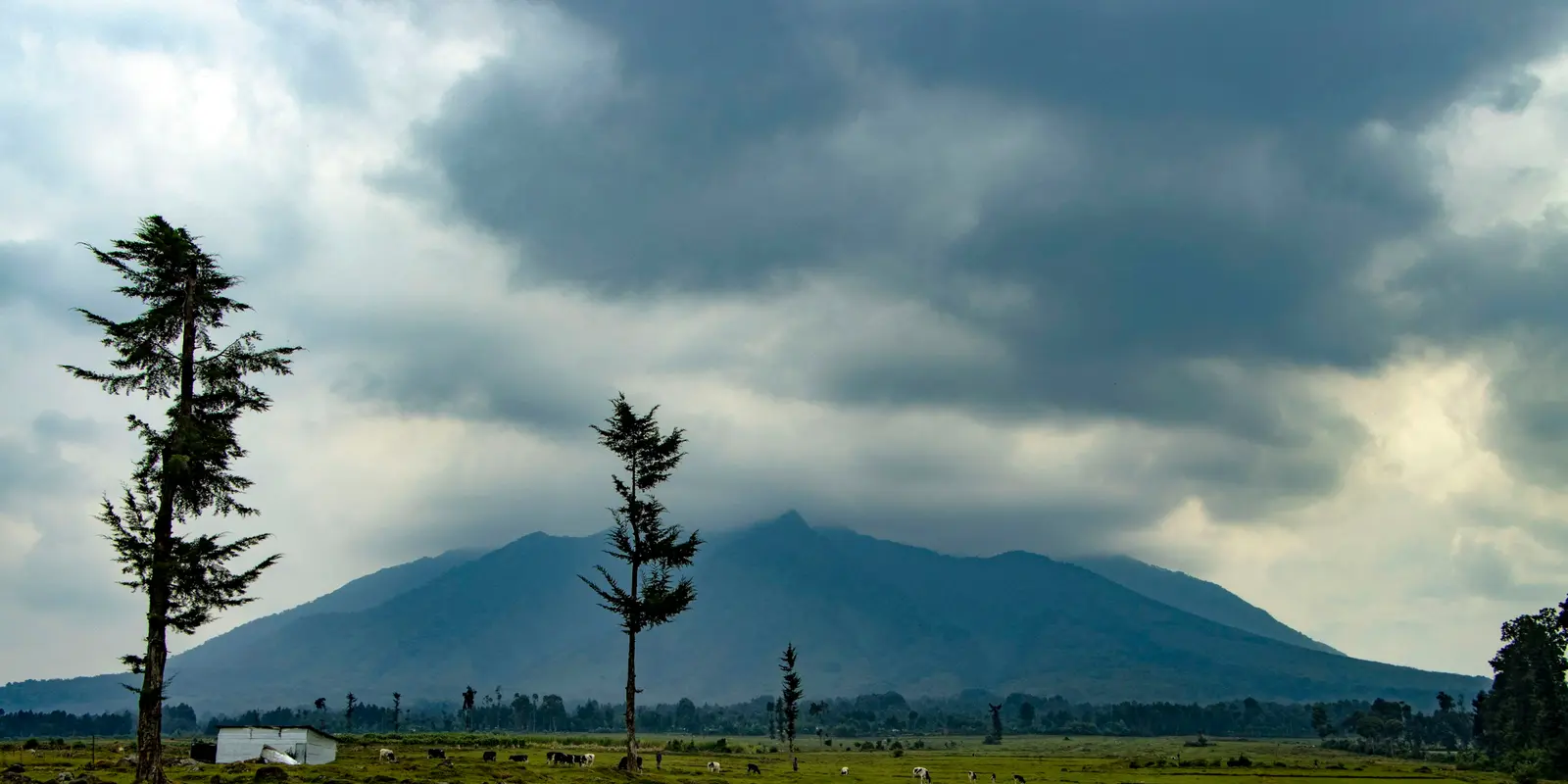
Airtel covers Kigali and Musanze well, but signal fades above 2,500m on the gorilla trek itself, on any network. Here's what a Rwanda eSIM should include and how it differs from Uganda's trek.
 Destination Guides
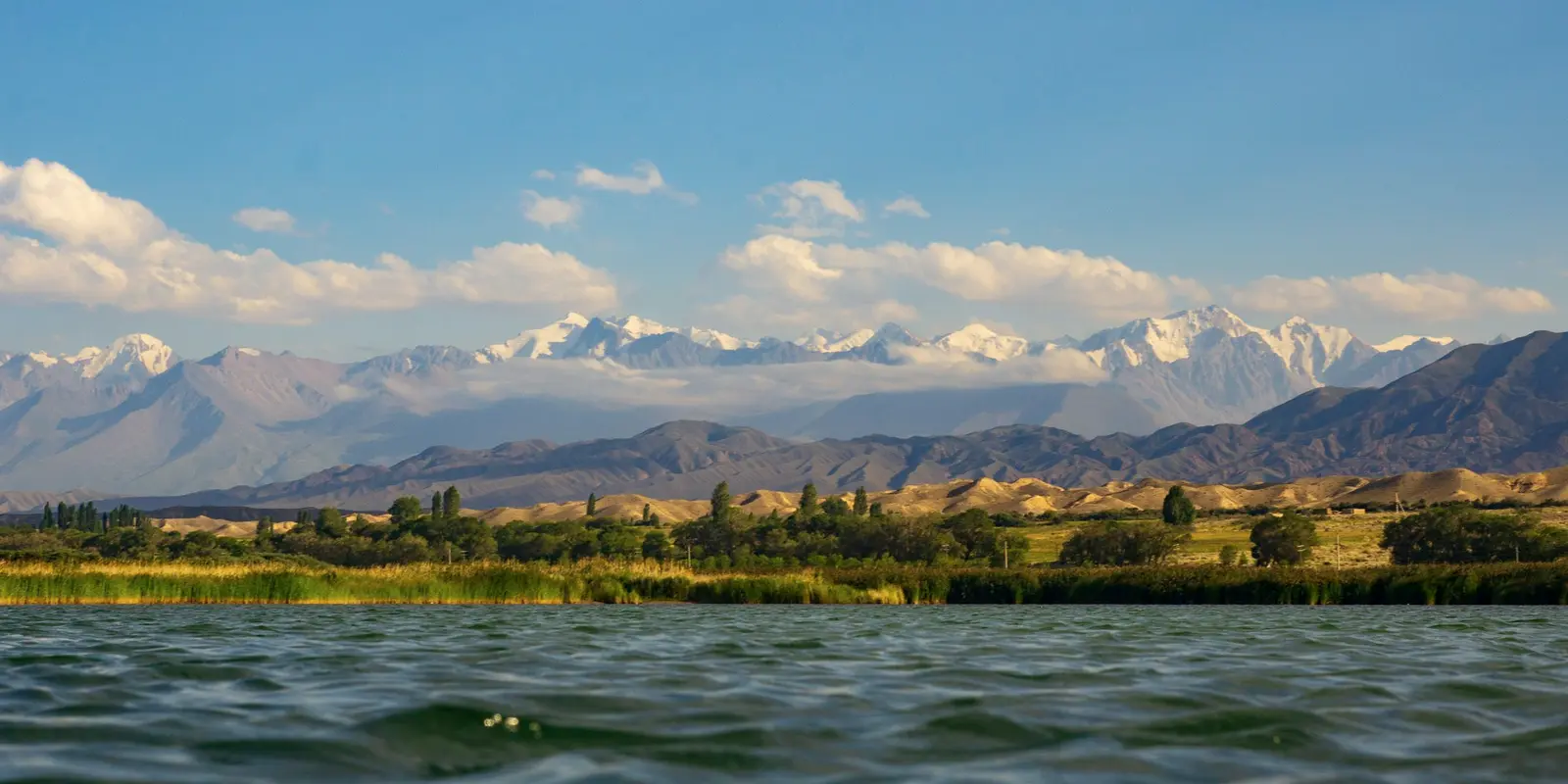
An honest look at Kyrgyzstan eSIM coverage: co:sim's Beeline network around Issyk-Kul and Bishkek, and why Ala-Kul and Song-Kul treks go offline above the treeline.
 Destination Guides
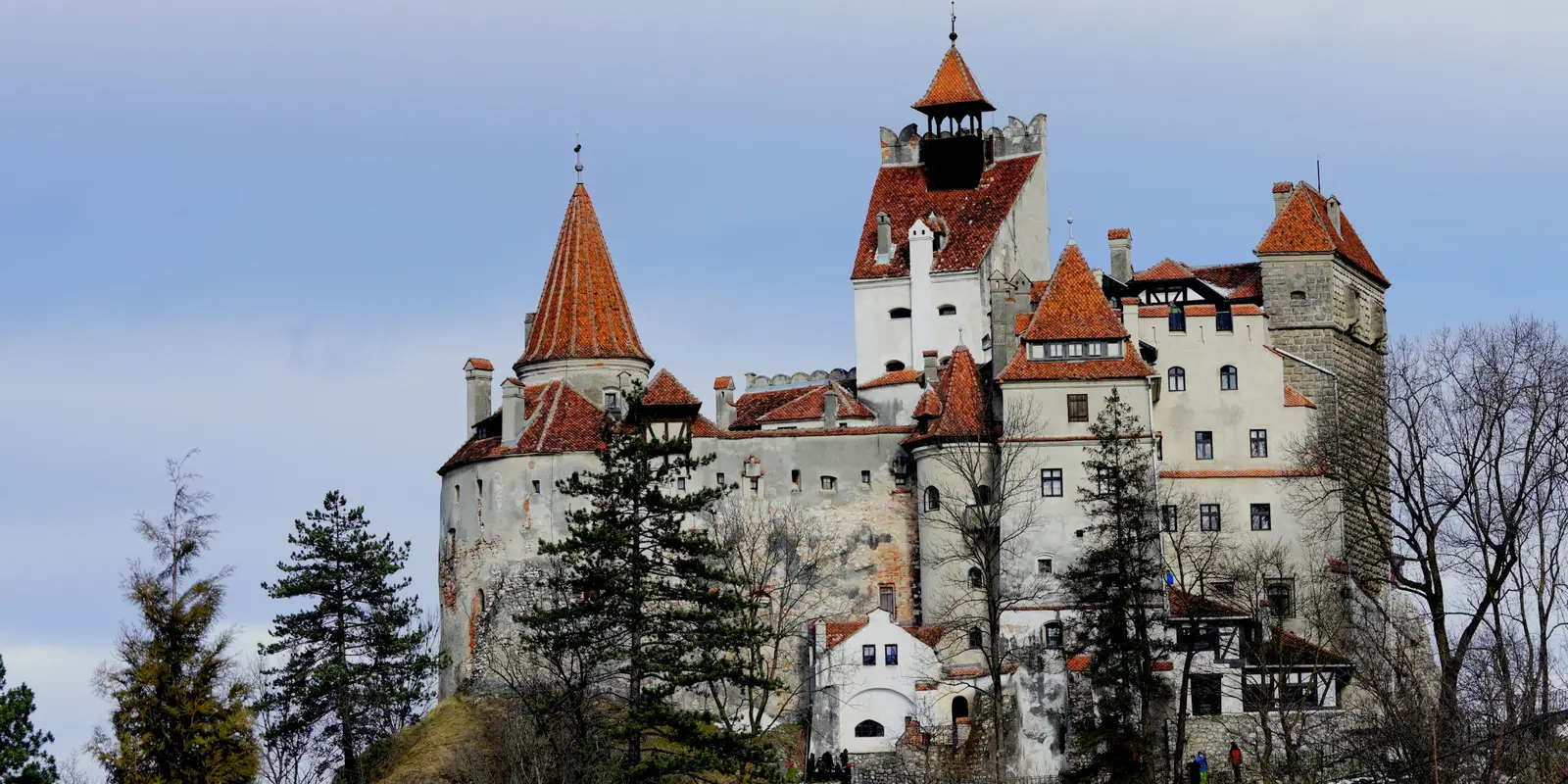
co:sim offers a free 1 GB eSIM valid for 7 days across 33 European countries, including Romania. Ideal for a Bucharest city break or a first look at a Transylvania road trip's real data needs before buying a bigger plan.
 co:sim Team