
Back to Blog
Vienna Airport publishes one thing about its Wi-Fi, and it is the one that matters: free WLAN / WIFI for everyone. It names no network and states no session time limit, so read the name off terminal signage on the day rather than trusting a figure from a blog. Then arrange mobile data for everything past the terminal doors, which a travel eSIM such as co:sim's Austria plan can do before you leave home.
The airport's Comfort & Services page states the offer in a single line: the airport offers the perfect connection to the internet, free WLAN / WIFI for everyone. That is the current published position, and it is deliberately short.
Notice what is absent. The page names no network and states no session cap. The airport used to keep a dedicated Wi-Fi page carrying more detail, but that URL no longer resolves and redirects to the passenger homepage instead, so the single line above is what the airport currently publishes. Several travel sites state a specific network name and a specific session length for Vienna regardless, and neither figure traces back to a live airport page. Treat them as unverified rather than authoritative.
The practical consequence is a change of habit rather than a problem. Instead of memorising a network name before you fly, read it off the signage in the terminal you are actually standing in, and connect only to that one. On an open network the name is the only thing separating the real service from a lookalike hotspot, so a name you cannot verify in advance is simply a name you verify on arrival.
Decline anything past a terms screen. A genuine airport portal asks you to accept conditions; it does not need a device-management profile, an app installation or a card number, and a screen that asks for one is a reason to disconnect rather than to comply.
Plan power alongside connectivity while you are at it. Wi-Fi and battery are the same problem in practice: a long layover spent on video calls ends with a handset that cannot display a boarding pass, and a free network is of little use to a phone at eight per cent.
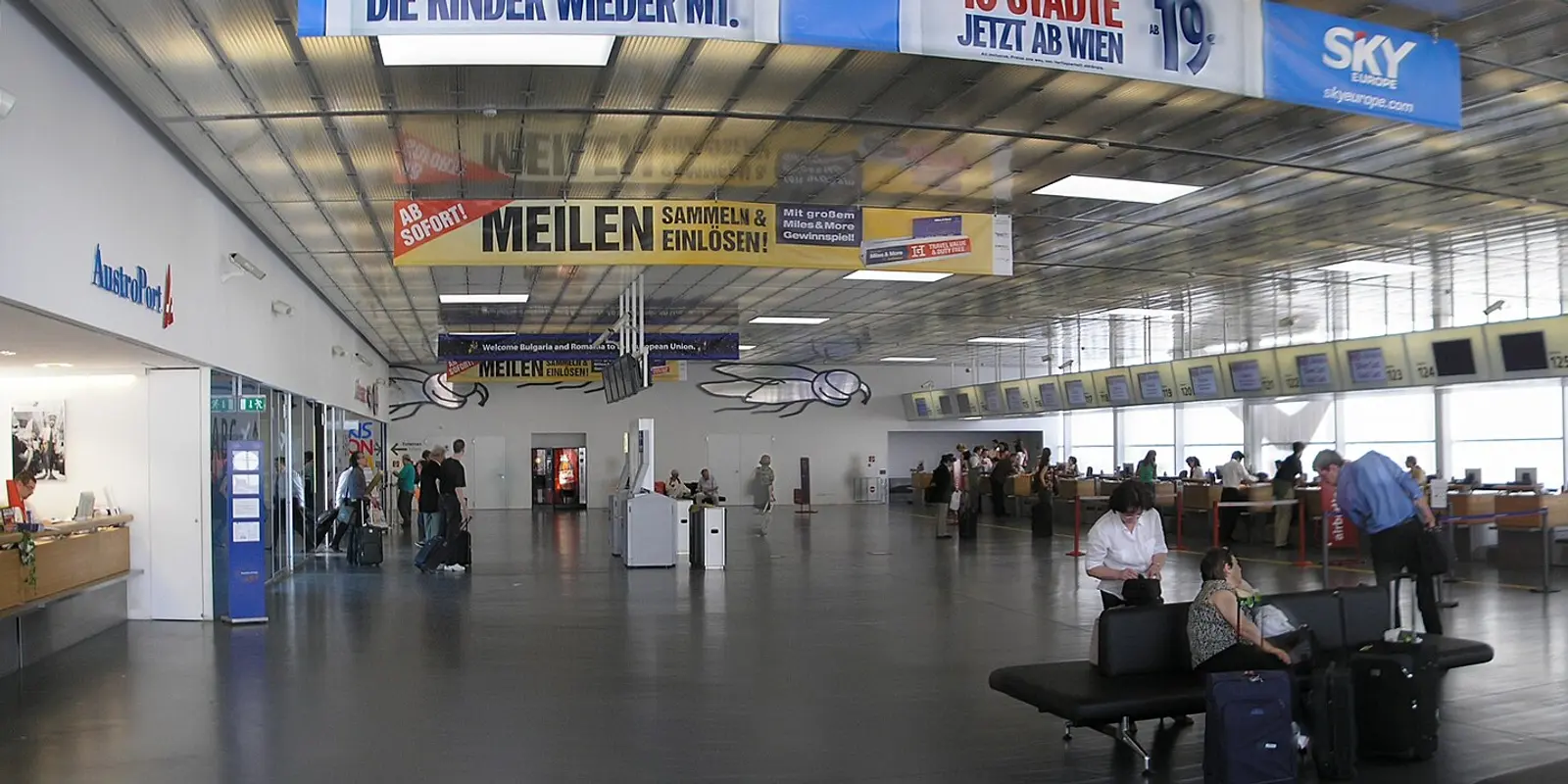
Vienna Airport sits outside the city, and the ride in — City Airport Train, S-Bahn, bus or taxi — happens entirely outside terminal Wi-Fi. That stretch is where you want a live departure board, a map, the accommodation address and a message to whoever is expecting you, and it is exactly where the free network has already stopped.

Austria is in the European Union, so an eligible EU or EEA consumer plan generally follows roam-like-at-home rules there. The European Commission's roaming guidance explains how the rules work and the fair-use conditions that can still limit a long stay or an unusual tariff. Your own contract is the document that decides, so read it before departure rather than after the first bill.
Travellers from outside that area have no equivalent protection, and Vienna receives a great many of them. A plan issued in the United Kingdom, Switzerland, the United States, Japan or Korea may offer a sensible day pass, or may bill per megabyte at a rate that makes a week of ordinary navigation genuinely expensive. Establish which before you fly.
Austria's regulator RTR runs RTR-NetTest, an official measurement tool that lets anyone test and compare mobile and fixed connection quality in Austria. It is a better reference than an operator's marketing claim because the measurements are independent of the operator being measured.
Read it for what it is, though. A network-quality measurement describes connections that people actually made; it is not a guarantee of signal in a specific building, in a U-Bahn tunnel, or in an Alpine valley on a day trip out of the city. Vienna itself is densely served, and the honest caveats belong to the excursions rather than the capital.
Plan the route you will travel, not the country. Download offline maps for it while you still have a connection you trust.
Each co:sim plan page lists the allowance, the validity, the underlying network, the billing-start rule and whether the plan accepts top-ups, so installing early does not automatically start the clock early. Check that rule before installing, and if the line is slow to register after landing, toggle Airplane Mode and restart the phone before deleting anything.
A trip that continues to Bratislava, Budapest or Prague is worth comparing against the Europe regional plan rather than buying a fresh single-country eSIM at every border.
See co:sim Austria data-only plansNew co:sim accounts can also claim a free Austria eSIM. Claiming it requires signing in and completing a card-verification step; the card is not charged.
FREESee the free Austria eSIM offerIt is free, and the airport says so plainly: its Comfort & Services page offers free WLAN / WIFI for everyone. What that page does not give you is the network name or a session time limit, and the dedicated Wi-Fi page the airport once maintained no longer resolves, so no live airport page publishes either detail today. Several third-party travel sites state both confidently; because neither figure traces back to the airport, treat them as unverified. In practice this changes very little. Read the name off the signage in your own terminal, connect only to that network, and ignore similar-sounding entries with a stronger signal. A co:sim Austria eSIM installed before departure takes the question out of the journey into the city altogether, though it is a data-only service and adds no Austrian phone number to the handset.
Treat it as shared transport, because that is what any open airport network is. The risk is not usually the airport's equipment; it is a lookalike access point sitting beside it in the network list, which matters more here because the official name is not published in advance. Confirm the name on terminal signage, stay on HTTPS addresses, and never dismiss a certificate warning to save a minute. A legitimate portal asks you to accept terms and nothing else, so a screen requesting a banking password, a device-management profile or an app install is a reason to disconnect. If a payment cannot wait, mobile data at least removes the unknown local access point from the chain, although your carrier, the website itself and DNS all remain part of it. Use the bank's own app with multi-factor authentication, then forget the network afterwards.
If your plan was issued in the EU or the EEA, roam-like-at-home rules generally apply in Austria, subject to the fair-use conditions the European Commission describes, so most European visitors need nothing extra and should simply confirm it against their contract. A plan from outside that area is a different matter and can bill per megabyte at rates that make routine map use costly over a week. Check the daily fee, the fair-use cap and whether the allowance is shared with home data. Roaming preserves your number, which matters when a bank sends one-time codes by SMS, whereas a travel eSIM does not: these are data-only plans, so calls and texts stay on the home line. Each co:sim plan page names the underlying Austrian network, which gives you something concrete to check against RTR-NetTest rather than a slogan.
Use the terminal network for what finishes in the terminal, and arrange data that follows the train, the tram and the rest of the week.
Instant delivery by email · Install before you fly
 Travel Tips
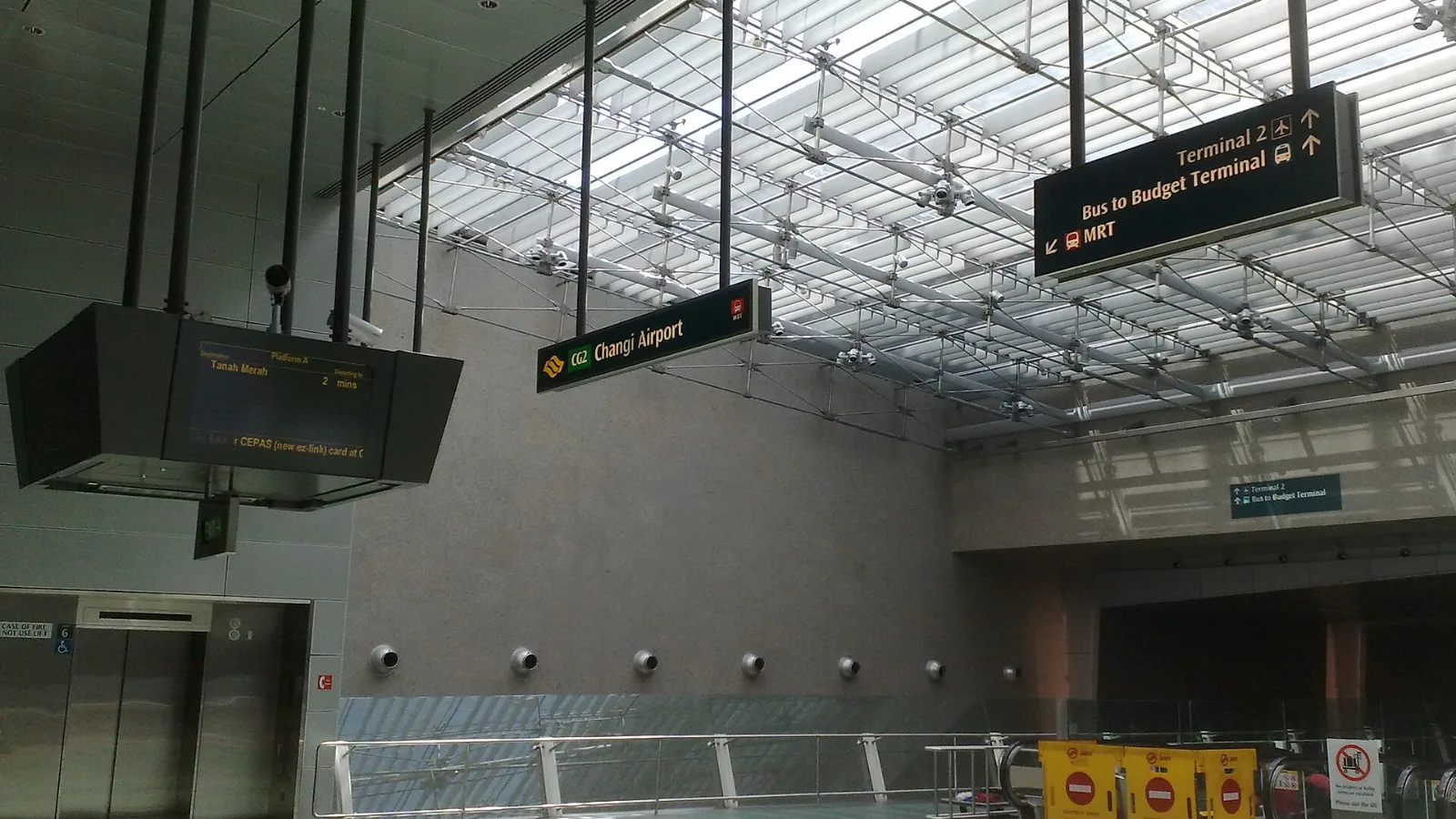
Take the MRT if you are one or two people staying near a train line: it costs about S$2 to S$3 and takes 35 to 50 minutes with one change. Take a Grab or taxi if three or more of you are sharing, you land at Terminal 4 or after the last train, because a car to the city takes about 30 minutes and usually costs S$25 to S$45.
 Travel Tips
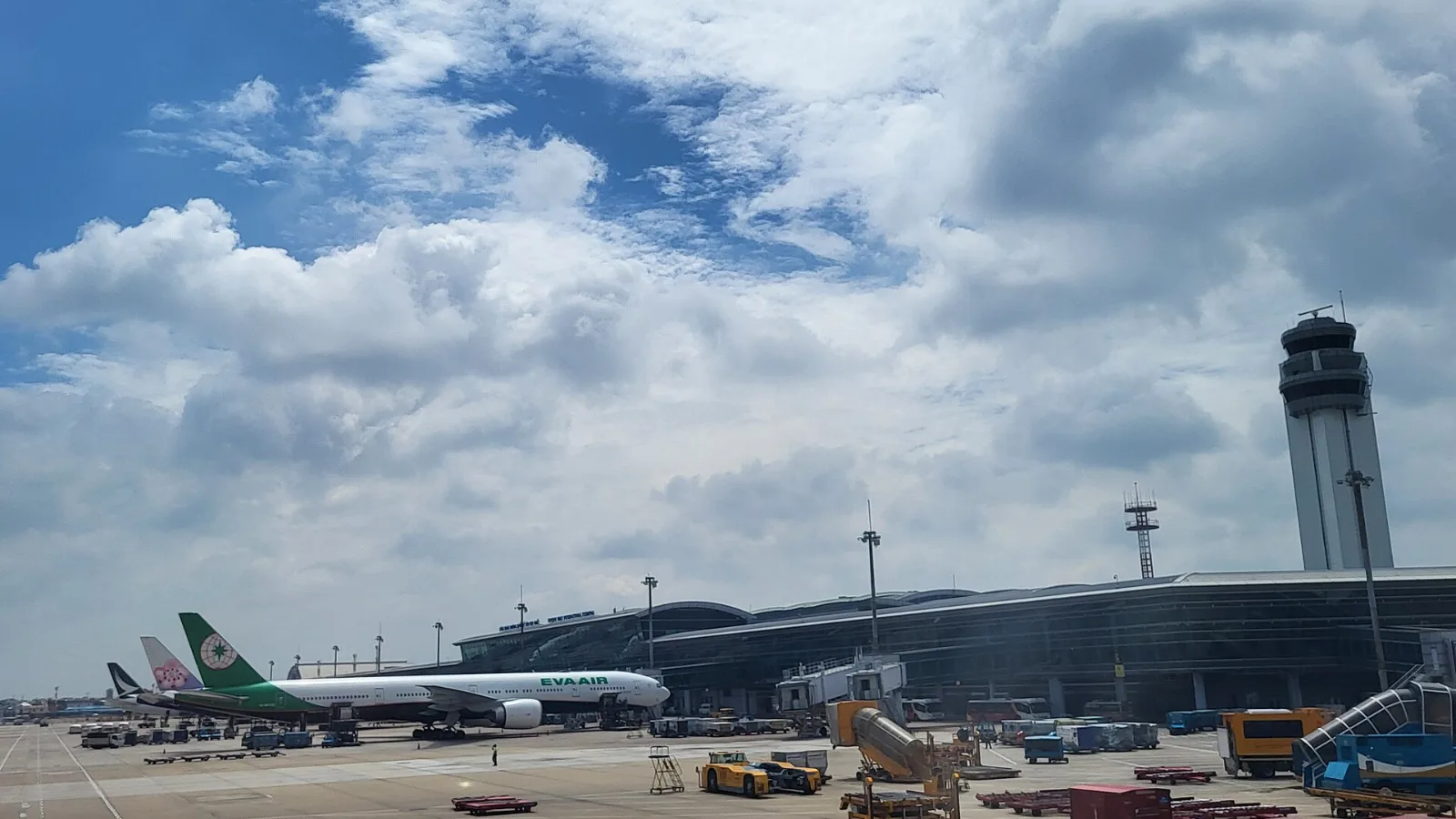
Take a Grab if you land at international Terminal 2, have a suitcase or are two or more people: a GrabCar to District 1 usually costs about 150,000 to 250,000 dong. Take bus 109 only on a tight budget with light luggage, because since 2025 it leaves from domestic Terminal 3, not the international terminal.
 Travel Tips
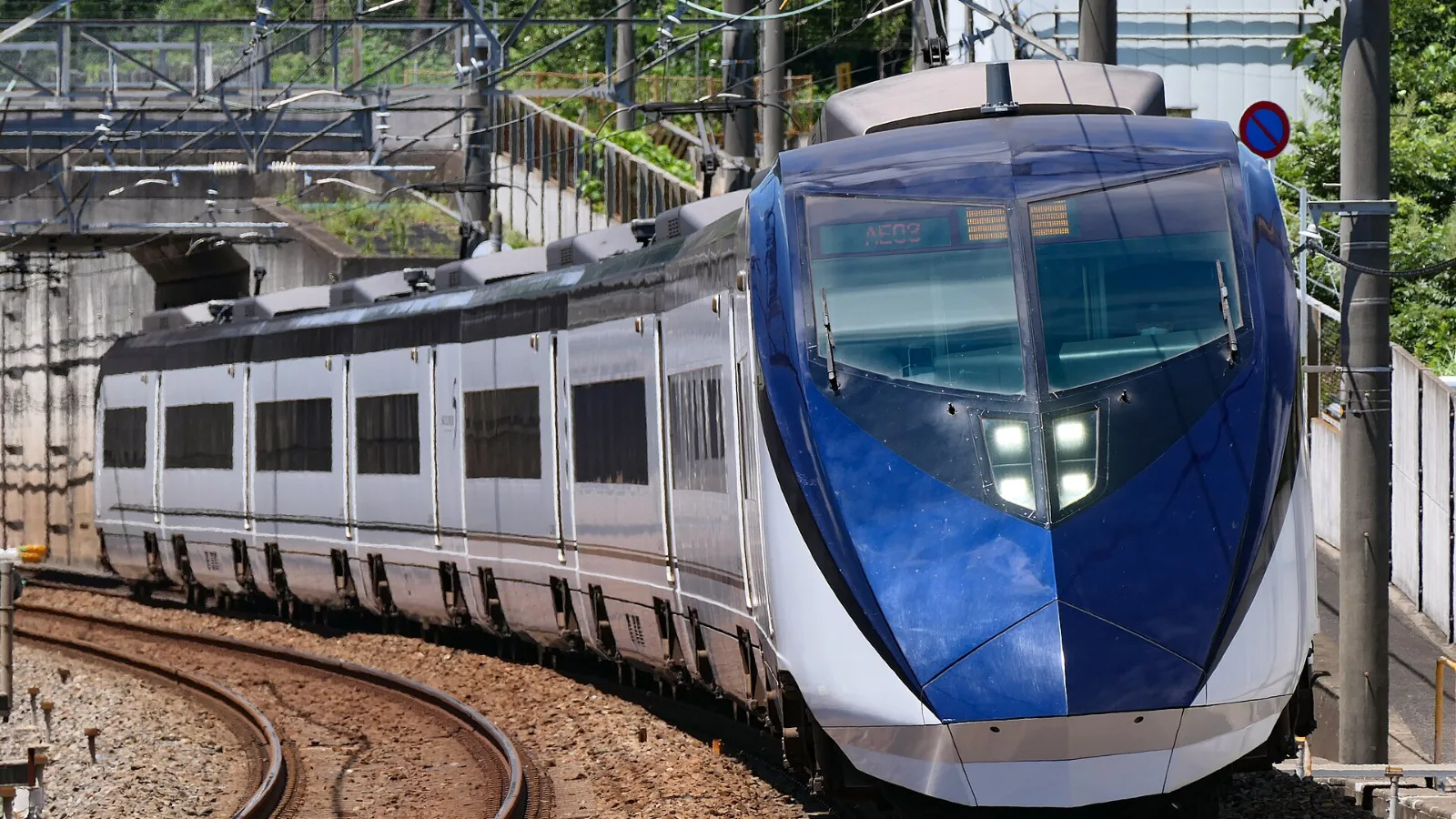
Take the Keisei Skyliner if your hotel is in Ueno, Asakusa or north-east Tokyo: it reaches Nippori in as little as 36 minutes for ¥2,580. Take the Narita Express if you are staying near Tokyo Station, Shinjuku, Shibuya or Yokohama, because it runs straight there, and the ¥5,200 round-trip ticket brings each leg close to the Skyliner fare.
| Option | Where it works | Strength | Limitation |
|---|
| Vienna Airport free Wi-Fi | Inside the terminal | Free, open to everyone, no account | No published network name; ends at the terminal |
| co:sim Austria eSIM | Terminal, train, Vienna and the wider trip | Installed before departure, live on arrival | Data-only, so no Austrian phone number |
| EU or EEA home plan | Austria, when the plan qualifies | Keeps your number and allowance | Fair-use conditions still apply |
| Austrian prepaid SIM | Longer stays needing a local number | Local calls and SMS included | Shop visit plus ID after landing |
 co:sim Team