
Back to Blog
Travelers can get online at Canada airports with free Wi-Fi, but a travel eSIM gives a more reliable backup for maps, rides and messages after leaving the terminal. This guide explains the airport connection path and where co:sim fits.
Look for the official airport Wi-Fi name on arrival, open a browser if a sign-in page appears, and avoid entering sensitive banking details on an unfamiliar network. Airport Wi-Fi can be busy or unavailable in baggage and ground-transport areas. Install a co:sim eSIM before departure so the phone can switch to mobile data when the signal or captive portal is unreliable.

A co:sim data-only plan does not include a phone number, but it supports internet calling and messaging apps. The plan page shows the available network, validity, installation deadline and top-up support. Check those details before purchase because airport Wi-Fi instructions and mobile coverage can change.
For a single-country visit, see co:sim's Canada data plans and browse all data-only plans. These links let you compare the plan size with your trip length without relying on a stale airport price.
co:sim delivers the QR code by email after checkout, so you can complete the install before boarding. The account dashboard lets you manage plans after arrival.
It can be enough for a message or a quick map download while you are inside the terminal, but it is not a dependable city-wide connection. A co:sim eSIM provides a second path once you leave the airport, and the phone can fall back to Wi-Fi whenever the local network is busy.
Yes. Install the profile before departure while you have stable internet, then wait to select it for mobile data until you arrive. co:sim plans are data-only, so keep your regular line available for calls if your carrier supports them.
The airport's published information and two independent airport references were checked for this guide.
co:sim plans are sold by destination and regional coverage. Compare the live product page before you travel because network partners and plan inventory can change.
Instant delivery by email · Install before you fly
 Travel Tips
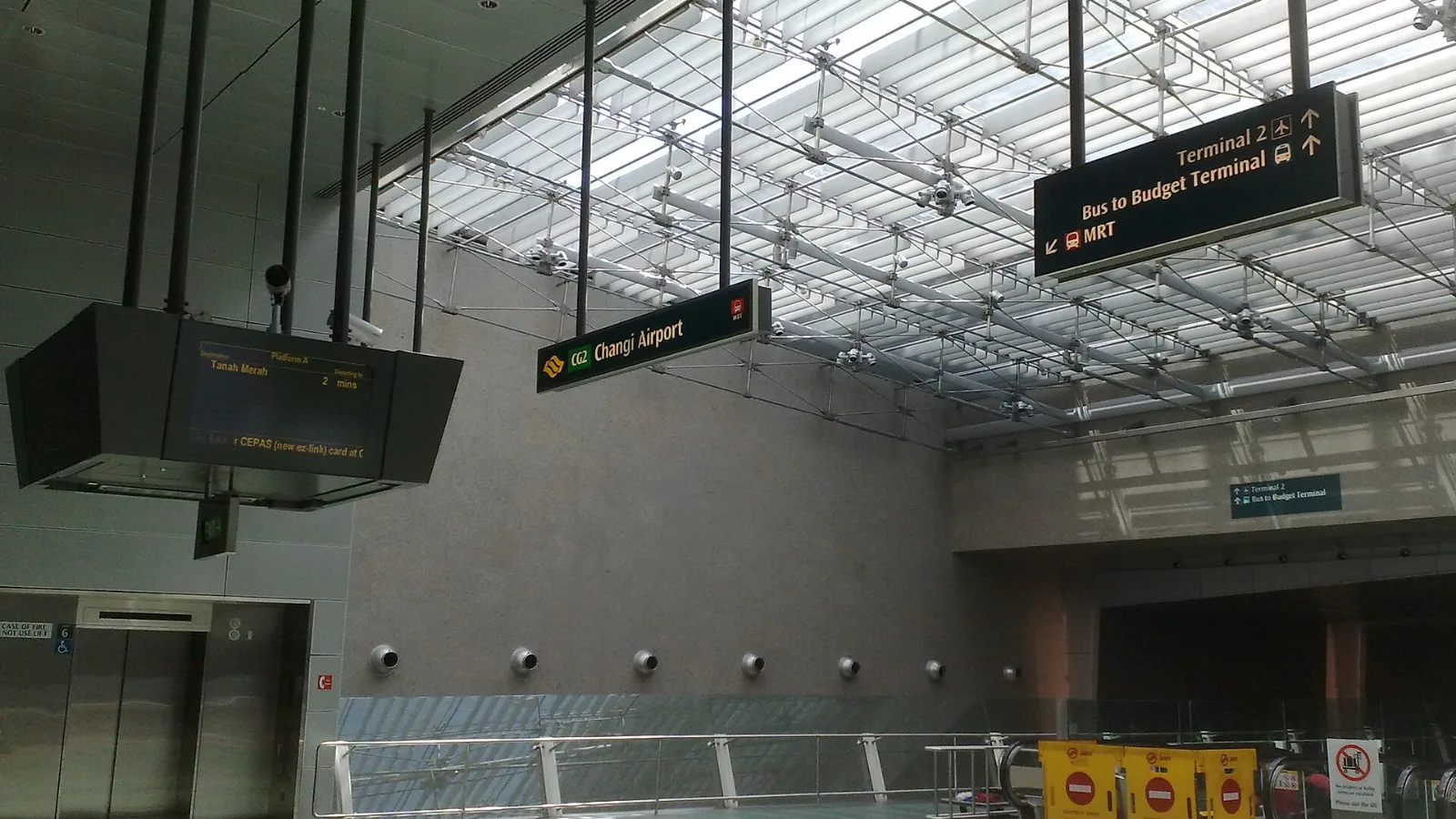
Take the MRT if you are one or two people staying near a train line: it costs about S$2 to S$3 and takes 35 to 50 minutes with one change. Take a Grab or taxi if three or more of you are sharing, you land at Terminal 4 or after the last train, because a car to the city takes about 30 minutes and usually costs S$25 to S$45.
 Travel Tips
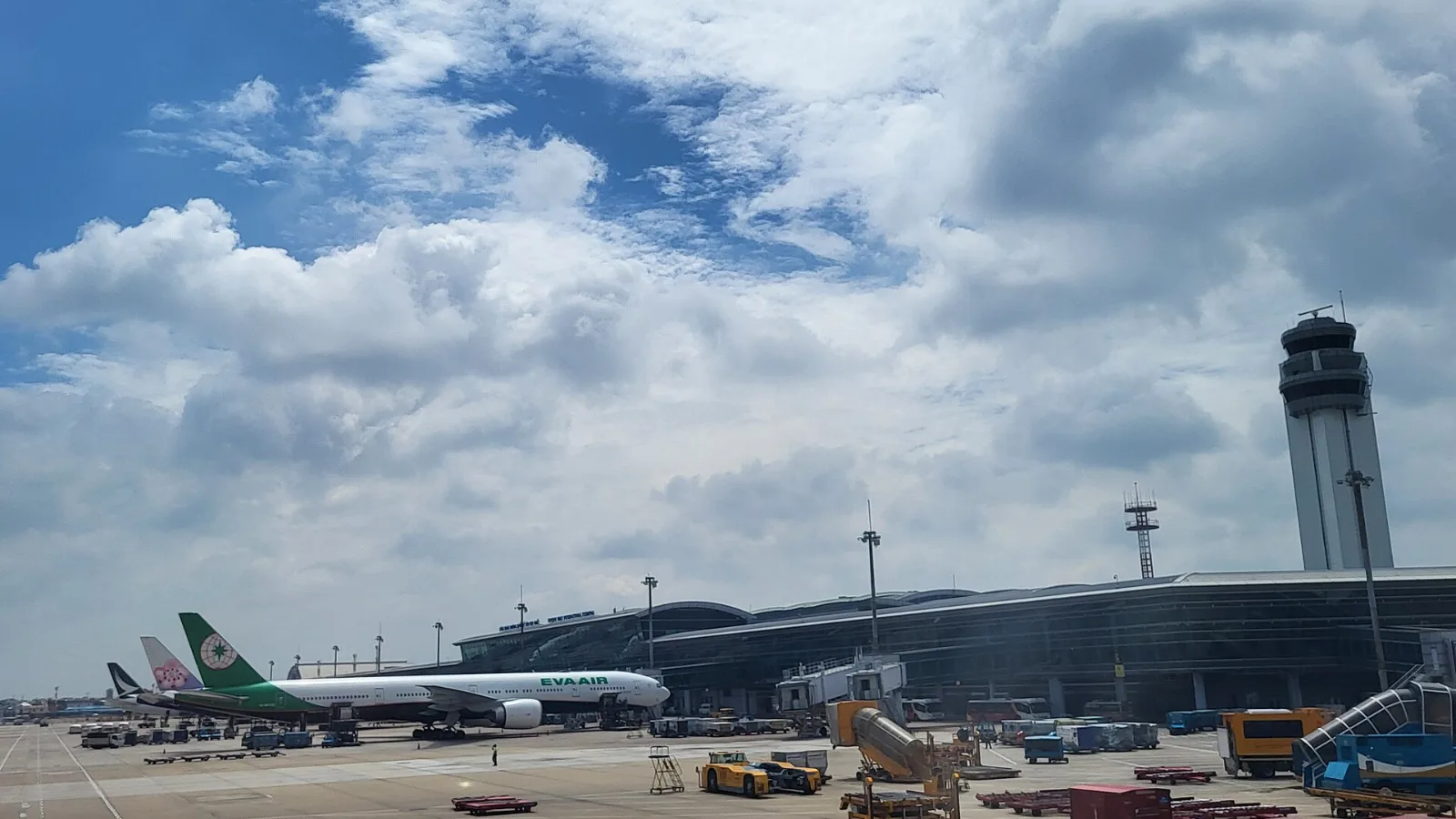
Take a Grab if you land at international Terminal 2, have a suitcase or are two or more people: a GrabCar to District 1 usually costs about 150,000 to 250,000 dong. Take bus 109 only on a tight budget with light luggage, because since 2025 it leaves from domestic Terminal 3, not the international terminal.
 Travel Tips
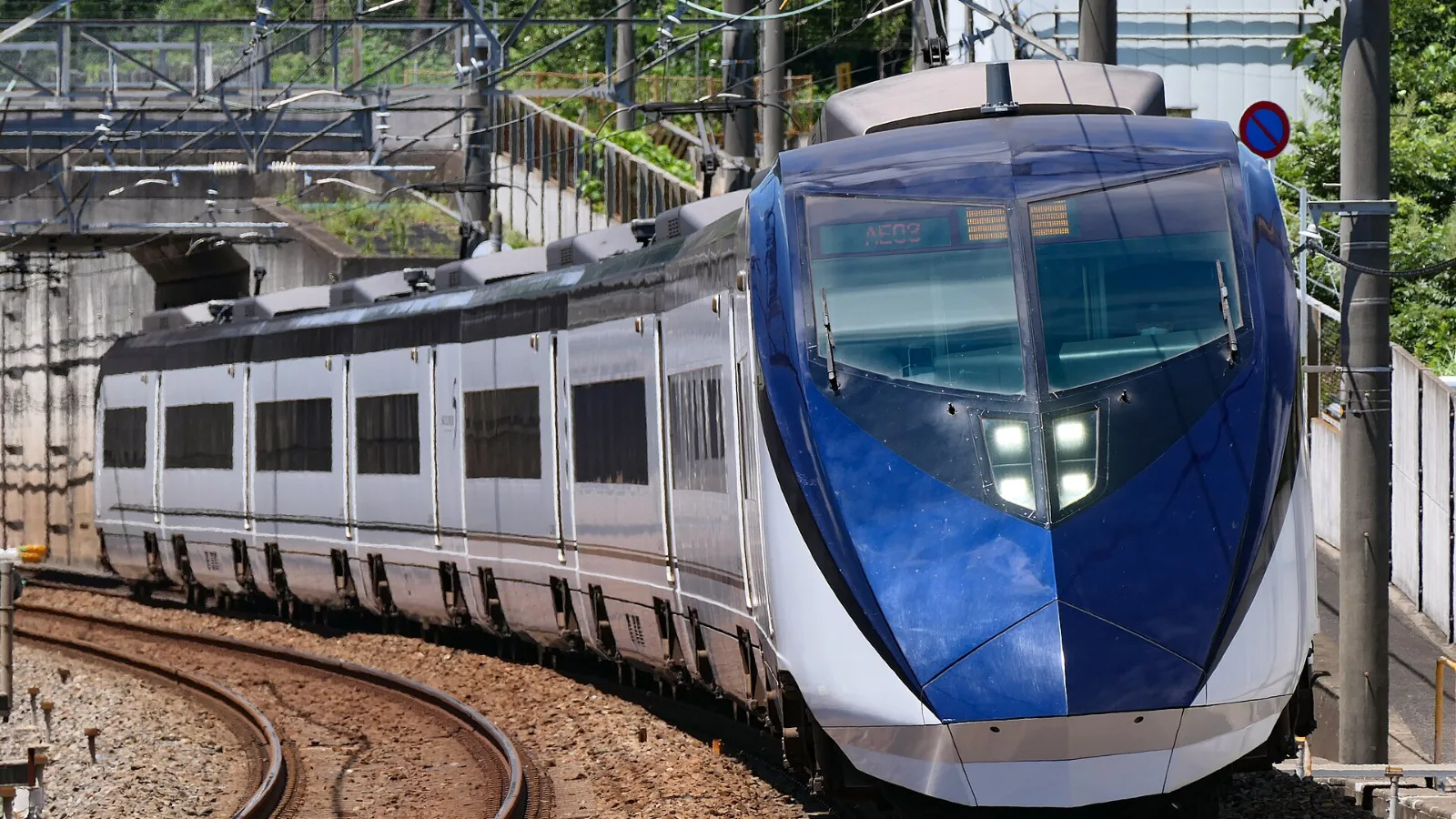
Take the Keisei Skyliner if your hotel is in Ueno, Asakusa or north-east Tokyo: it reaches Nippori in as little as 36 minutes for ¥2,580. Take the Narita Express if you are staying near Tokyo Station, Shinjuku, Shibuya or Yokohama, because it runs straight there, and the ¥5,200 round-trip ticket brings each leg close to the Skyliner fare.
 co:sim Team