Back to Blog
The Swiss Travel Pass usually deserves a closer look for a moving holiday with frequent covered train, bus and boat journeys; the Swiss Half Fare Card suits travellers buying fewer individual tickets, especially when mountain trips matter. Calculate your actual route before choosing. A co:sim data-only eSIM (embedded SIM) can help with timetable checks, but connectivity and rail entitlement are separate purchases.
The Swiss Travel Pass is a travel ticket for the covered network on its selected days. The Swiss Half Fare Card is a visitor discount card: you still buy a valid ticket for each journey. Neither should be confused with the resident Swiss Half Fare Travelcard, commonly called the Halbtax.
| Question | Swiss Travel Pass | Swiss Half Fare Card |
|---|---|---|
| Do you buy a ticket for every covered ordinary journey? | Covered travel is included on valid pass days | Yes, at the applicable discounted fare |
| What is the duration? | A chosen block of consecutive travel days | One month |
| What about mountains? | Some included; other journeys discounted under route-specific rules | Many discounted; check the exact railway |
| What about museums? | Participating museum admission included | Do not assume a museum bundle |
| Does mobile data come with it? | No; co:sim data is a separate decision | No; the card does not provide connectivity |
These distinctions come from Switzerland Tourism's pass guide and its visitor Half Fare Card guide. Read the validity map for your actual route; the name of a national product is not proof that every cable car is included.
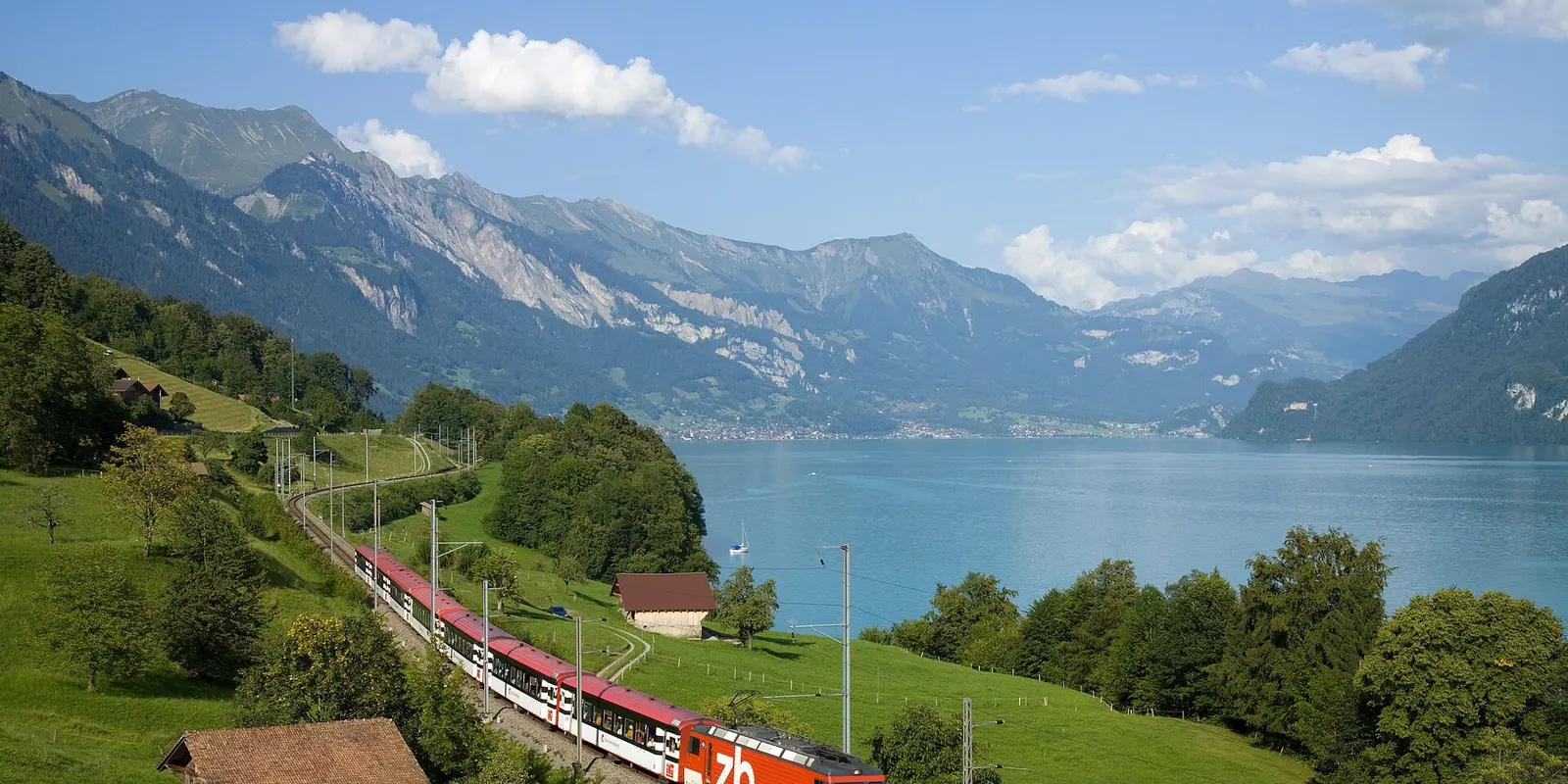
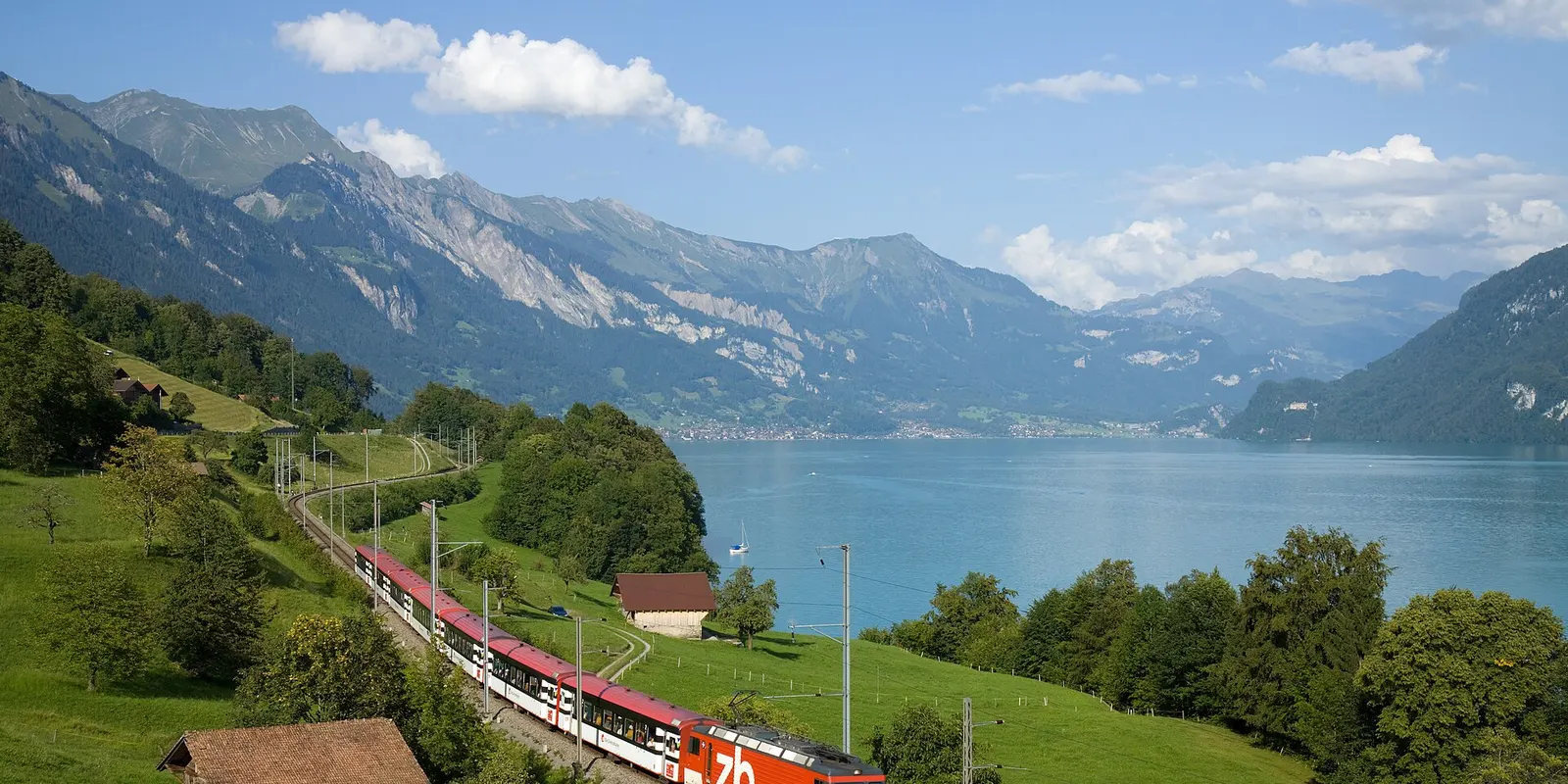
Photo: David Gubler / Wikimedia Commons, CC BY-SA 3.0. Cropped and resized; this derivative uses the same license. Also used for the cover and branded social cards.
Prices checked 5 October 2026, in Swiss francs, for adults. The official Swiss Travel Pass price table lists these consecutive-day, second-class fares:
The official Swiss Half Fare Card page lists CHF 150 for one month, with the same card price for first- and second-class ticket purchases. These are dated source values, not promises for a future travel year. Reopen the official sales information when you book.
Keep the calculation in one currency. A seller's USD display may reflect a different exchange-rate or retail calculation, so do not subtract it directly from a CHF pass price. Also compare the same passenger eligibility and travel class. A youth fare and an adult fare do not belong in the same break-even equation.
Let F be the total full-fare cost of journeys that the chosen pass would include and that the Half Fare Card would discount by exactly half. Let P be the official price for the matching pass duration. In that restricted comparison, the Half Fare Card total is its card price plus half of F; the pass total is P.
Using the CHF 150 card price and the CHF 309 four-day pass price, the derived threshold is CHF 318 in eligible full-fare journeys: twice the difference between the pass and card prices. Above that total the pass wins this simplified transport-only comparison; below it the card wins. This is arithmetic from verified product prices, not a quoted fare for any route.
Do not apply that threshold to a mixed mountain basket without adjustments. Add each option's mountain tickets, reservations, supplements and any admission you would actually purchase separately. Compare real discounted tickets as well: advance offers may not behave like ordinary full fares, and a theoretical half-price total is less useful than the ticket you can buy.
There is also a third column: no card or pass. When you take little public transport, the Half Fare Card's purchase price may outweigh its reductions. Include airport journeys, but exclude a sightseeing ride you would never take without an unlimited pass.
For a city-base stay, list the airport return, local journeys not covered by accommodation benefits, the day trip you intend to take and any mountain excursion. If most days involve walking and one expensive outing, calculate the individual tickets first. Do not buy a national pass just because it looks simpler on a planning spreadsheet.
For a moving holiday, list each intercity leg on its actual day, then add local transit, boats and museums you will genuinely visit. Consecutive validity matters: quiet days inside the block still consume pass days. Consider a different product only if its terms solve that specific scheduling problem, rather than mixing its price into this comparison.
Record the quote date, passenger category and class beside the basket. This worksheet intentionally leaves route fares blank: a Zurich-to-Lucerne quote is not an interchangeable proxy for a longer intercity journey. Your total should remain auditable after a booking changes.
Switzerland Tourism names Rigi, Stanserhorn and Stoos as included mountain excursions under the Swiss Travel Pass. It describes discounts on many others, not blanket inclusion. Check the exact valley-to-summit route, any approach boat or train and seasonal operation before counting the whole outing as free.
The same official pass guide warns that some panoramic services require reservations or supplements. A pass covering the journey is different from holding the necessary seat reservation. Switzerland Travel Centre's Half Fare Card instructions likewise separate the discount card, valid ticket and reservation.
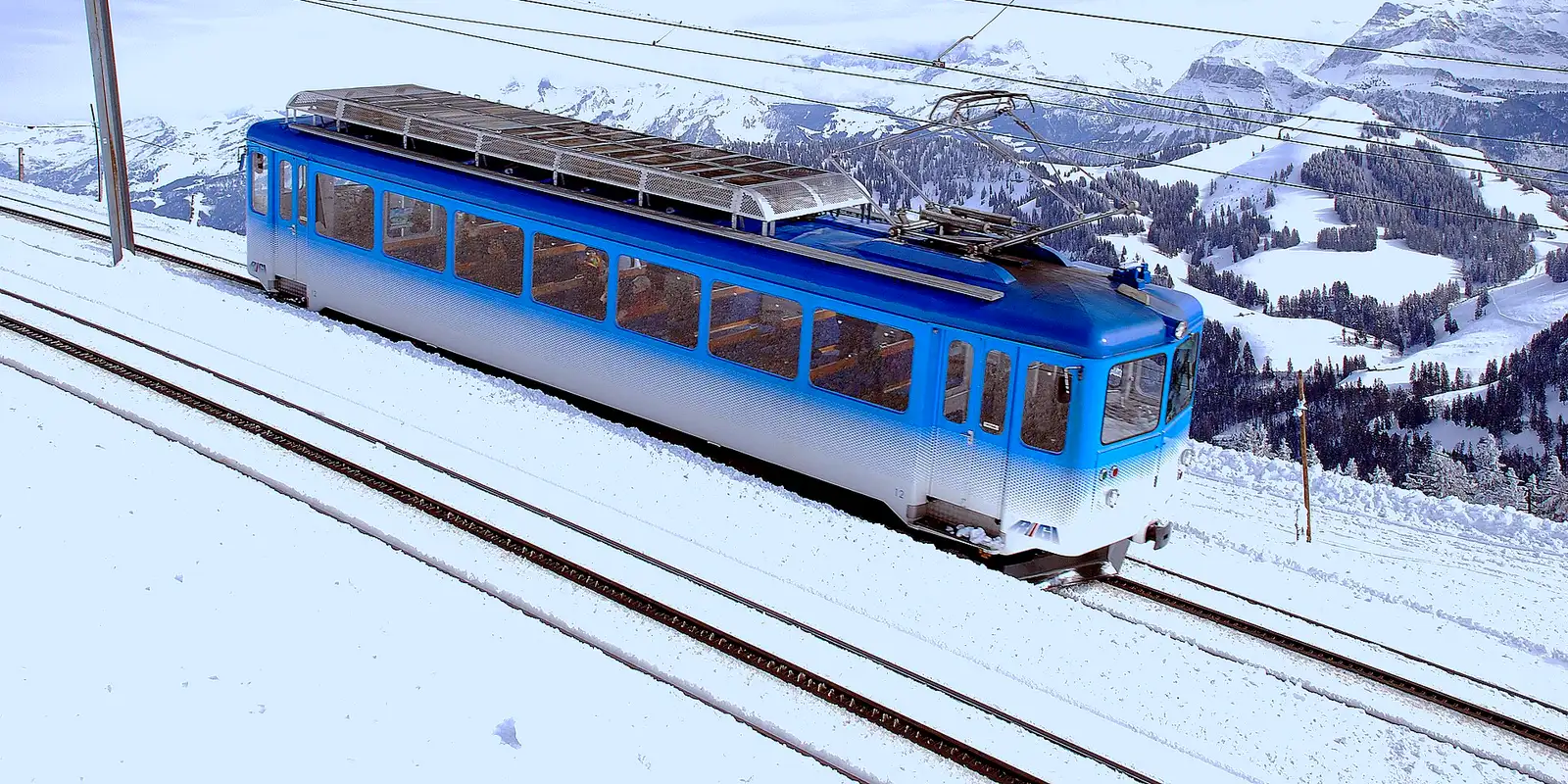
Photo: Matthias Zepper / Wikimedia Commons, CC BY-SA 3.0. Cropped and resized; this derivative uses the same license.
The Swiss Family Card guide says children aged 6 to 15 travel free with the complimentary card when accompanied by a parent holding an eligible Swiss Travel Pass or Swiss Half Fare Card. The accompanying parent's required tickets still matter for mountain outings.
Calculate adults and children separately, then check that the family card is issued for the booking. A trip with grandparents or another accompanying adult should not inherit the parental rule without checking eligibility. Family benefits can change the result substantially, so an adult-only comparison is a starting point rather than a family total.
Save the pass or card, individual tickets where required and reservations so you can display them offline. Switzerland Travel Centre instructs Half Fare Card users to present the card together with the ticket. A connection helps you obtain new information; it does not replace either document during an inspection.
co:sim's Switzerland page lets you compare the listed data allowance and validity for timetable checks and messaging. For onward countries, start with the Europe plan directory, then confirm Switzerland and every other destination on the individual plan. Keep mountain coverage expectations realistic and retain offline copies.
Switzerland data plansIf the live free offer fits your visit, check eligibility and card-verification requirements first.
FREESwitzerland free eSIM offerThe visitor Swiss Half Fare Card is the product relevant to this comparison, and it should not be confused with the resident Half Fare Travelcard commonly called the Halbtax. Switzerland Tourism describes a one-month visitor card for people living outside Switzerland and Liechtenstein. It reduces eligible ticket prices; it is not an unlimited travel ticket. Switzerland Travel Centre explains that you must buy the journey ticket and present it with the card. Select the appropriate discount when buying, and keep both documents accessible. co:sim mobile data can help you check a connection or buy a new ticket, but neither connectivity nor a saved itinerary proves rail entitlement. Compare this visitor card with the Swiss Travel Pass using the actual journeys and passenger category for your holiday, rather than borrowing the price or renewal rules of a different resident product.
The Swiss Travel Pass can save money on a short city stay if your covered journeys and admissions justify its purchase, but a quiet base with mostly walking may favour individual tickets or a Half Fare Card. Build a basket for the same travel class and dates, including airport journeys and only the outings you expect to take. The official pass prices and visitor card price provide the product costs; live route quotes provide the rest. Check mountain reductions and reservations separately. Do not count museum savings for places you would not visit. co:sim's data allowance is a separate travel expense and belongs in either budget equally if you choose it. Convenience may justify a modest premium, but it should be a conscious decision after the transport totals, not an invented saving attributed to the pass.
Children can receive important benefits with either the Swiss Travel Pass or the Swiss Half Fare Card through the Swiss Family Card, subject to the accompanying-parent conditions. The official family guide states that children aged 6 to 15 travel free with the complimentary card when accompanied by a parent holding an eligible product. For mountain excursions, the parent must also hold the necessary tickets. Check the child's age on the travel dates, request the family card and confirm any reservation requirements for the particular service. An adult-only break-even calculation does not give the family total because the children's fares may not follow the same half-price pattern. If children travel with another relative or independently, verify that arrangement directly instead of assuming the parental benefit applies. Keep the family's cards and tickets available offline so a weak signal does not interrupt an inspection.
Price the journeys you will actually take, check the mountain exceptions, and use co:sim's Switzerland page for the separate mobile-data decision.
Instant delivery by email · Install before you fly
 Travel Tips
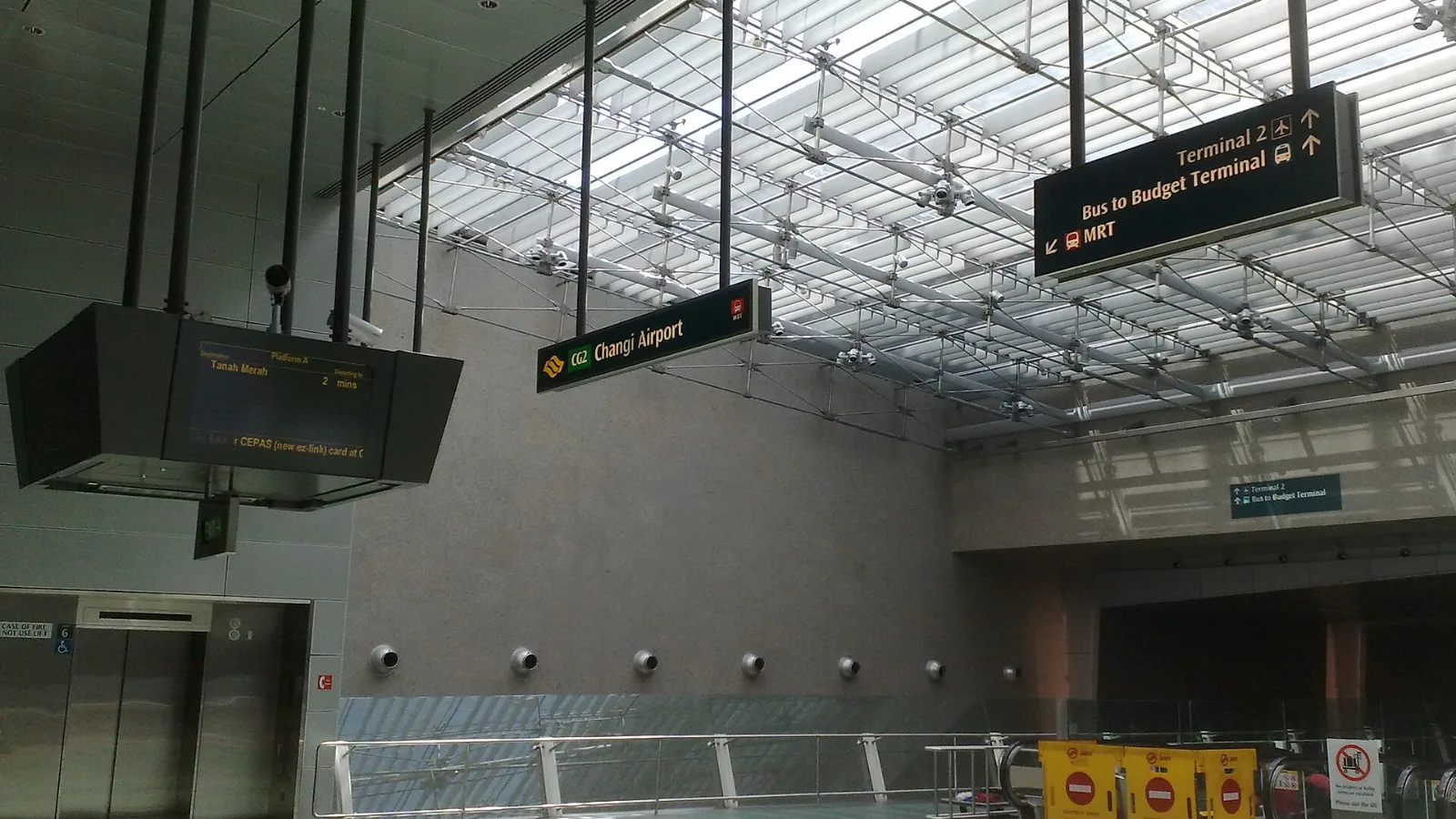
Take the MRT if you are one or two people staying near a train line: it costs about S$2 to S$3 and takes 35 to 50 minutes with one change. Take a Grab or taxi if three or more of you are sharing, you land at Terminal 4 or after the last train, because a car to the city takes about 30 minutes and usually costs S$25 to S$45.
 Travel Tips
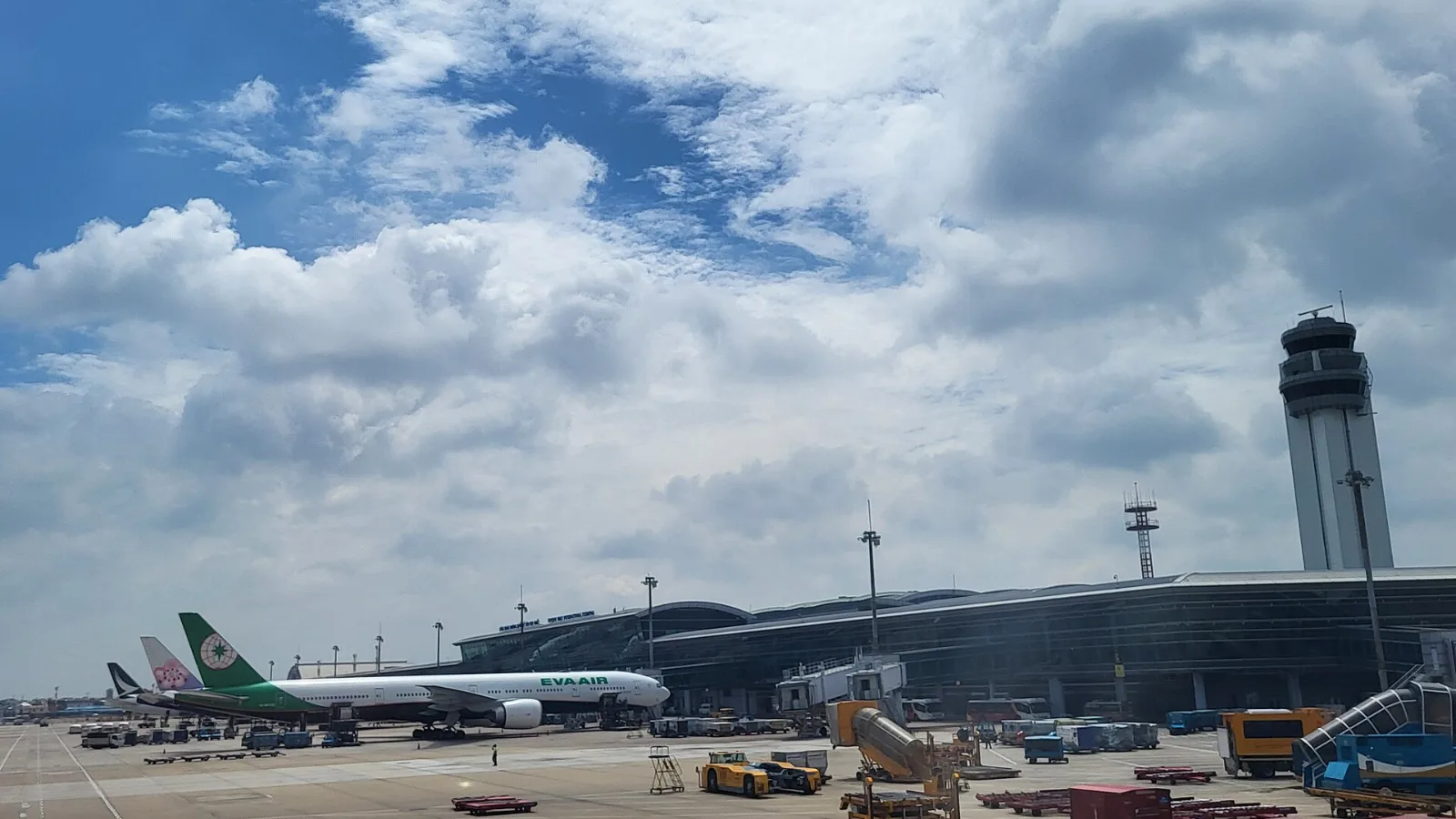
Take a Grab if you land at international Terminal 2, have a suitcase or are two or more people: a GrabCar to District 1 usually costs about 150,000 to 250,000 dong. Take bus 109 only on a tight budget with light luggage, because since 2025 it leaves from domestic Terminal 3, not the international terminal.
 Travel Tips
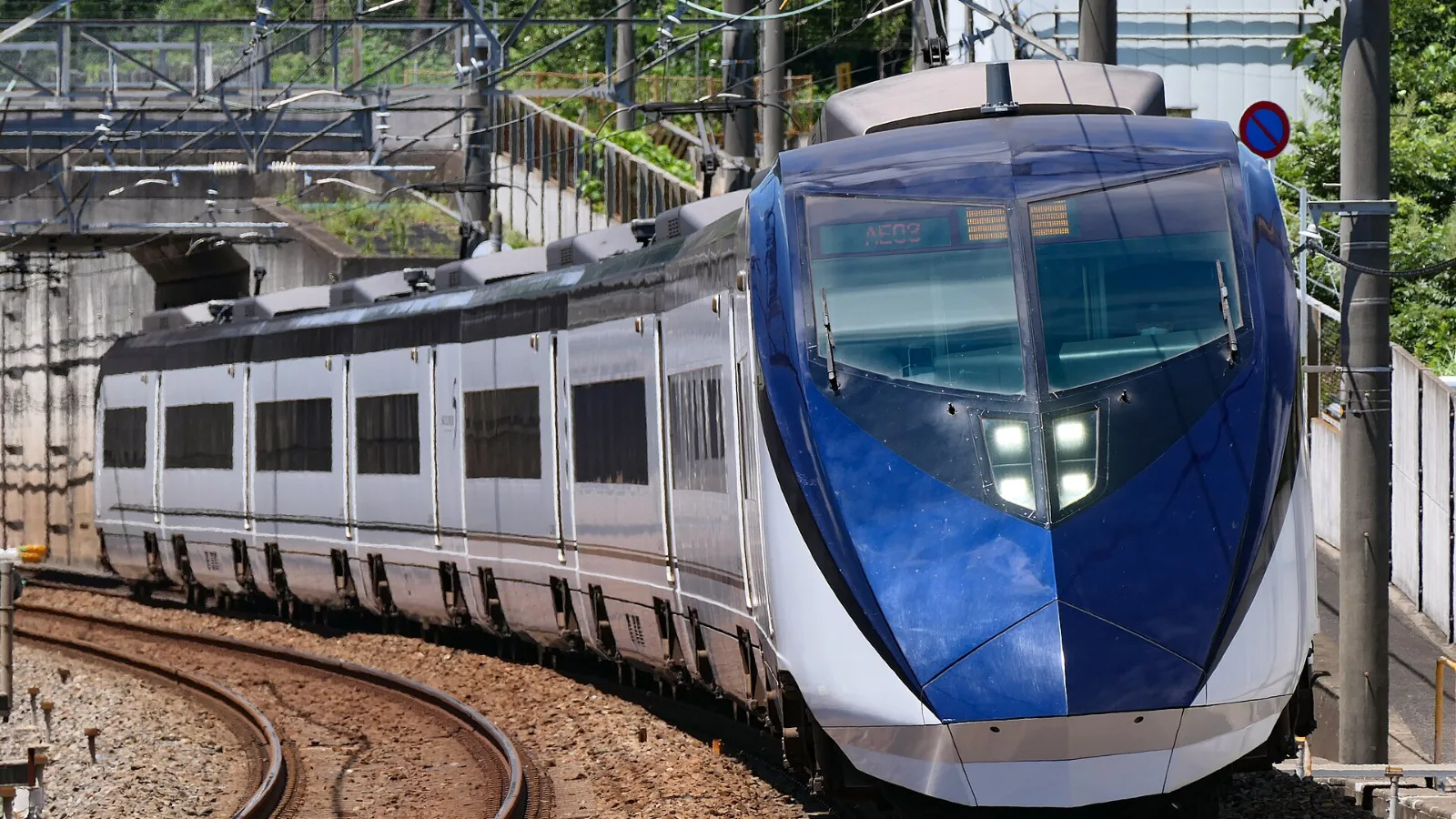
Take the Keisei Skyliner if your hotel is in Ueno, Asakusa or north-east Tokyo: it reaches Nippori in as little as 36 minutes for ¥2,580. Take the Narita Express if you are staying near Tokyo Station, Shinjuku, Shibuya or Yokohama, because it runs straight there, and the ¥5,200 round-trip ticket brings each leg close to the Skyliner fare.
| Consecutive days | Adult second-class Swiss Travel Pass |
|---|
| 3 | CHF 254 |
| 4 | CHF 309 |
| 6 | CHF 399 |
| 8 | CHF 439 |
| 15 | CHF 499 |
| Your own dated basket | No card | Half Fare Card | Travel Pass |
|---|
| Product purchase | None | Official card price | Matching-duration pass price |
| Ordinary journeys | Live ticket quotes | Actual discounted quotes | Check each leg against the validity map |
| Mountain journeys | Route-specific quotes | Card-specific reductions | Included or pass-specific reductions |
| Reservations and supplements | Add separately | Add separately | Add separately when required |
| Museum visits you want | Admission quotes | Admission quotes | Verify participation and inclusion |
 co:sim Team