For Singapore Tourist Pass vs SimplyGo, start with distance-based contactless fares unless your planned eligible journeys justify an unlimited pass. The Singapore Tourist Pass buys convenience and a fixed transport budget; SimplyGo lets you pay for the trips you actually take. co:sim data can help you plan those trips, but mobile data is separate from the fare and is not an entry requirement for a physical contactless bank card.
#How does Singapore Tourist Pass vs SimplyGo work?
The Singapore Tourist Pass issuer describes the standard pass as a special EZ-Link card covering unlimited travel on basic public buses, MRT and LRT during its validity. MRT means Mass Rapid Transit; LRT means Light Rail Transit. SimplyGo is the fare-payment system through which supported contactless bank cards and other payment media can be used for public transport, as explained by the Land Transport Authority.
Choice
What you are choosing
Main trade-off
Standard Singapore Tourist Pass
Unlimited eligible transport for the selected consecutive days
You pay the pass price even on a light travel day
SimplyGo with a supported bank card
Distance-based fares for actual journeys
Check card acceptance and foreign-card charges
Existing stored-value travel card
Another accepted payment method under its own rules
Check its balance, compatibility and costs
co:sim Singapore data-only eSIM
Mobile internet for maps and messages
No transit fare, local number, voice calls or SMS included
The first three choices follow the issuer's pass rules and LTA payment guidance. The data row is separate: if you need it, compare the live Singapore eSIM plans. An eSIM is an embedded SIM for a compatible unlocked phone. It does not turn a bank card into a transit card or make an unsupported payment method work.
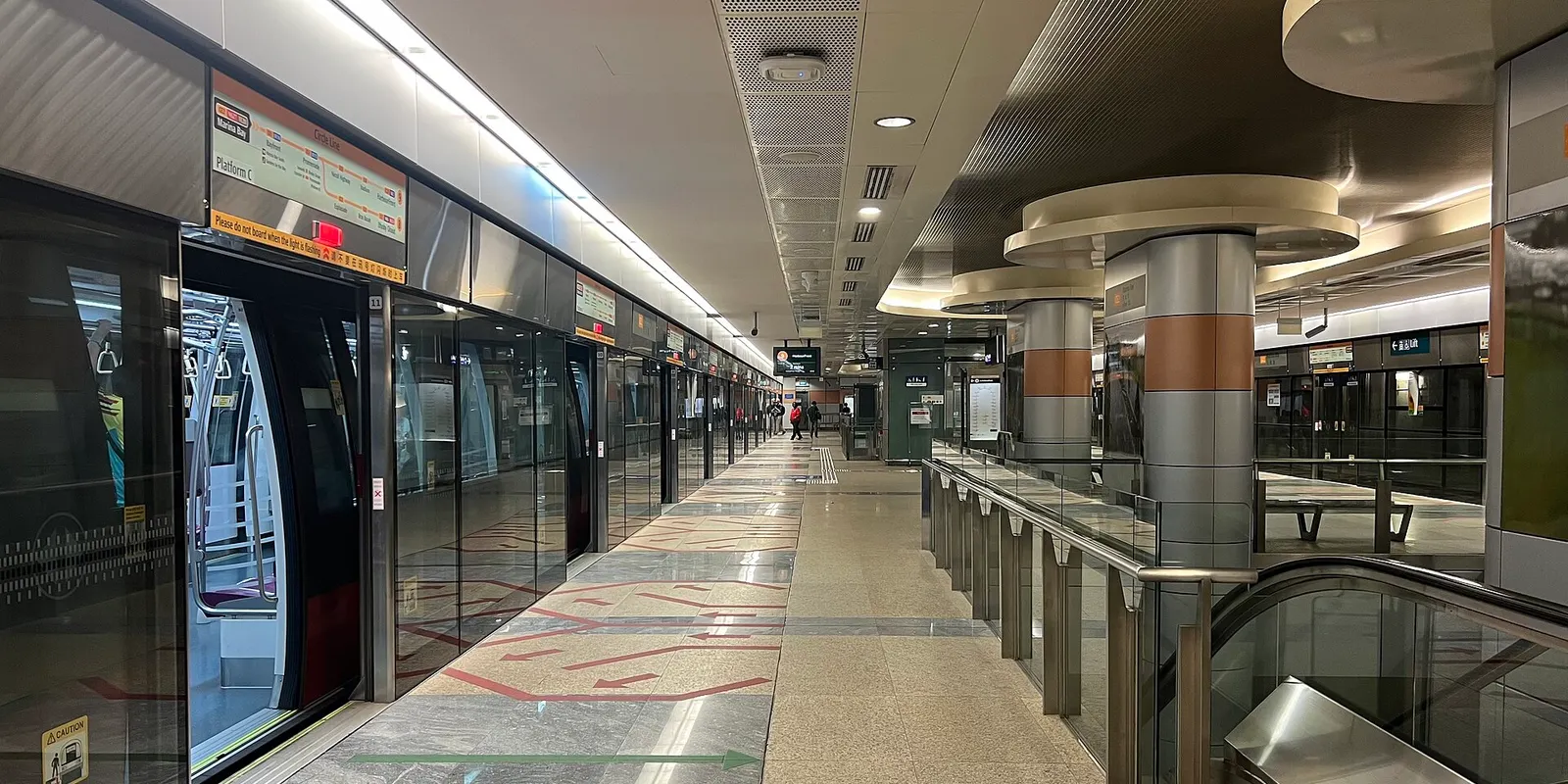
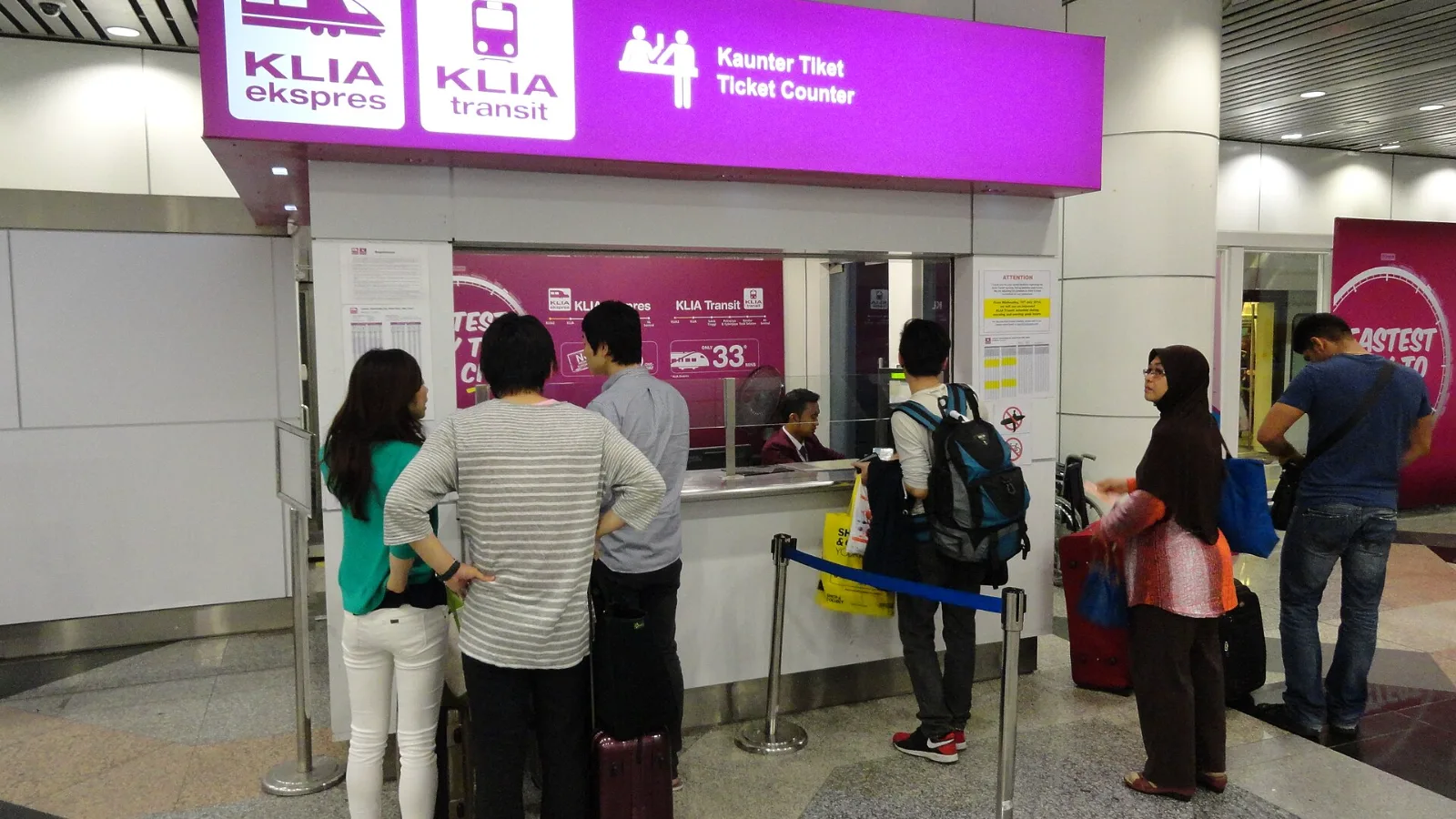
Photo: S5A-0043, CC BY 4.0; cropped and resized; cover and social card adapted from this photo.
#What does the standard Singapore Tourist Pass cost and exclude?
The official standard-pass page lists S$17 for one day, S$24 for two days, S$29 for three days, S$37 for four days and S$45 for five days. These figures refer to the standard Singapore Tourist Pass, not a souvenir charm or an attraction bundle. Read the product name as carefully as the price when you buy.
The same issuer terms say the first day runs from first use until the end of public-transport service that day, and multi-day passes must be used on consecutive days. This is not an automatic rolling block of 24 hours from your first tap. A late evening activation therefore deserves a different calculation from beginning your sightseeing in the morning.
The pass exclusions include premium or private services such as Sentosa Express, RWS8, M2–Khatib Bus, express buses and other premium or niche bus services. Do not add those journeys to your pass-savings total. If a retailer offers a separately named bundle, assess that bundle's own terms; an extra item in one product does not change the standard pass.
Start with the ordinary journeys you would make anyway. Unlimited access can be convenient, but creating extra rides just to “use the pass” spends holiday time. A walkable cluster of sights may make a lighter transit day more enjoyable even if it lowers the apparent value of a prepaid product.
#How should you calculate whether the pass is worth it?
Use the LTA journey and fare-calculator guidance to price your actual origins, destinations and transfers. SimplyGo's adult fare tables provide the published fare structure. Distance-based fares and transfer rules mean that counting vehicle boardings alone is a poor substitute for pricing the journey; changing from a bus to a train does not always mean the same thing as starting another separate outing.
Write down the trips you realistically intend to make, then compare their total with the pass price for the same consecutive service days. Add any applicable foreign-card administration charge and your bank's own fees to the contactless side. Keep excluded services on a separate line because buying the standard pass does not remove their cost.
For a fare-table reference, SimplyGo's basic-bus adult table lists S$1.28 for a card-paid journey up to 3.2 km and S$1.98 for 12.3–13.2 km. These are distance bands, not quotes for a sightseeing route. A complete day may involve different distances and qualifying transfers, so do not multiply one band by every boarding. Use the calculator with your actual starting point, destination and connections, and keep the result beside the pass price.
A light day may involve travel to one area and a return later. A medium day may add another neighbourhood; a heavy day may involve repeated separate outings across the city. Those labels do not produce a universal break-even ride count. Enter your own stops and transfer pattern, then decide how much the certainty of a pass is worth to you.
#What should visitors check before tapping a foreign bank card?
LTA lists supported contactless bank cards and mobile wallets, and says an administration fee applies to cards issued outside Singapore. Check the current SimplyGo and card-issuer terms for your exact card before travel. This guide does not assume that every foreign debit card is supported or quote an unverified fee amount as universal.
Keep the payment medium consistent. LTA tells travellers to tap in and out with the same card or device. A physical card and its version in a phone wallet should not be casually swapped halfway through a journey. Take the intended card out of your wallet before tapping so that another card does not get read accidentally.
Check your card's foreign-use settings with its issuer and retain a backup payment method. Do not assume that installing the SimplyGo app fixes an unsupported or bank-blocked card. LTA describes account registration as the way to view trip and fare details; it is a different question from whether the chosen card can be accepted for payment.
#What changes for a late arrival or a mostly walkable day?
A late arrival is a reason to look closely at the pass clock. Under the issuer's service-day rules, activating a day pass near the end of service does not reserve a full following day of travel. Price that evening's actual journey separately, then compare a pass beginning with your first full sightseeing day if that better matches the plan.
Do the same for a day dominated by one neighbourhood, a long attraction visit or walking. A pass can still be worth buying for simplicity, but call that a convenience choice rather than a demonstrated saving. Do not count premium services that the standard pass excludes, and do not assume an attraction ticket is included just because public transport takes you there.
#Do you need mobile data for Singapore's public transport?
Mobile data is useful for route changes, live information and messages. It is a separate purchase from the payment options described by LTA. A supported physical contactless bank card does not need a travel eSIM in order to become a valid payment card. A mobile wallet also has its own device and issuer requirements, which should be checked separately.
With co:sim, compare the selected Singapore plan's allowance and validity, and follow its installation instructions before you need the connection. Data-only means no local number, conventional calls or SMS. If your existing roaming is adequate, another plan may be unnecessary. Save the hotel address and essential directions offline because coverage, battery life and app availability can vary.
The free-offer page explains the current eligibility and verification requirements. It is separate from both the transport pass and paid mobile-data products.
#Is the Singapore Tourist Pass always cheaper for three days?
The Singapore Tourist Pass is not automatically cheaper just because your stay lasts three days. The issuer lists the standard three-day pass at S$29, covering eligible transport on consecutive service days. Compare that with your planned distance-based journeys using the LTA fare-calculator guidance, then account for any applicable foreign-card and bank fees. Do not include services excluded from the standard pass as though they become free.
A trip with long walks and one main outing each day may favour pay-as-you-go travel, while repeated separate journeys may strengthen the pass case. The exact routes and transfers decide the comparison, not a universal number of taps. co:sim can provide mobile data for checking a revised route if you need it, but buying an eSIM neither reduces transit fares nor changes what the pass includes.
#Can I tap in with a bank card and tap out with my phone?
Use the same card or device for entry and exit. LTA explicitly gives that instruction so that the system can charge the correct fare. Even when a mobile wallet is linked to the same underlying bank account as a physical card, do not switch between them during a journey. Decide which payment medium you will use before approaching the gate or bus reader and keep it accessible until the journey is complete.
Also avoid holding several contactless cards against the reader together. Keep a charged phone if you choose a mobile wallet, and check its issuer's travel requirements before departure. If a tap fails, ask staff or consult the operator's guidance rather than repeatedly changing payment media without understanding what has been recorded. A separate backup is useful, but it should not be confused with switching the active payment medium halfway through one trip.
#Does a Singapore eSIM include transport or a local phone number?
A co:sim Singapore data-only eSIM provides mobile data under the selected plan's terms; it does not include a Singapore Tourist Pass, SimplyGo fares, a local phone number, ordinary voice calls or SMS. Transport and connectivity are separate purchases. Check your phone is compatible and unlocked, then compare the plan's current allowance and validity with the needs of your visit. If your home plan already includes suitable roaming, you may not need another eSIM.
For transport planning, an internet connection can help open maps or consult LTA's travel information, while downloaded addresses remain useful when connectivity is unavailable. Messaging or internet-call apps can use data, but they do not turn a data-only plan into conventional telephone service. Keep another option for essential standard calls, and follow the transit operator's ticket and payment rules independently of your mobile-data choice.
Buy the transport option that matches your actual trips, and choose co:sim only if you need a separate Singapore data plan for maps and messages.
 co:sim Team