
Back to Blog
For a Seoul, Gyeongju and Busan seven-day itinerary, give Seoul the opening days, stay overnight in Gyeongju, and finish in Busan instead of returning between cities. This route works best when departure is from Busan or there is a separate return buffer; if both flights use Seoul, protect the last travel day. co:sim's data-only eSIM (embedded SIM) is an option for visitors who need mobile maps, not an extra requirement for travelers who already have suitable Korean service.
Use this as a planning proposal, not a timetable or a promise that every attraction will fit. Arrival and departure count within the trip. The route follows the cities in one direction and puts an overnight in Gyeongju so its evening is not squeezed between trains.
| Day | Base | Main plan | What to protect |
|---|---|---|---|
| 1 | Seoul | Arrive, check in, explore nearby | Recovery time after the flight |
| 2 | Seoul | Palace and historic neighbourhood | Current opening information |
| 3 | Seoul | One neighbourhood day | Time to pack and check train details |
| 4 | Gyeongju | Train south, historic centre, evening walk | Station-to-hotel transfer |
| 5 | Busan | Travel to Busan, settle in | A relaxed arrival afternoon |
| 6 | Busan | One coastal district |
The Korea Tourism Organization's train guide explains the intercity railway system and ticket options. Check the actual service for each date before committing hotels. A map line between cities is not proof of a direct departure at the hour you want.
If the route feels tight already, remove Gyeongju and keep Seoul plus Busan. That is a sensible change for travelers with substantial luggage, limited walking stamina or a desire for unplanned afternoons. More stops are not automatically a better first visit.
On arrival, keep the plan close to your accommodation. Choose the airport connection around your hotel location, bags and landing time. The official airport-to-city guide distinguishes AREX's express and all-stop services. Do not buy a ticket simply because it contains the word “express” if the onward journey becomes awkward.
Use the main sightseeing day for a palace and the surrounding historic area. Consult Visit Seoul's official guide for attraction details and current notices. Check the exact palace you intend to visit rather than assuming the city's sights share a closing day. Keep nearby meals and walking routes in the same part of town.
For the remaining Seoul day, choose a district that reflects your interests: galleries and cafés, markets and food, or contemporary shopping. Resist combining distant neighbourhoods just because each appears on a recommended list. Decide on a convenient place to finish the evening before the southbound train.
Keep your station, hotel and landmark names in Korean as well as your preferred language. This helps when asking directions and distinguishing places with similar romanized names. Visitors who need mobile data can compare South Korea plans; co:sim shows the selected plan's allowance and billing-start details rather than prescribing a universal amount for every traveler.

Photo: Frank Schulenburg (Wikimedia Commons, CC BY-SA 4.0); cropped. The cover and social card use this photo.
Gyeongju's high-speed railway arrival and the historic sightseeing centre are different parts of the journey. The city's official transport page lists KTX access through Gyeongju Station. Use the current station name on your ticket, save its map pin, and then separately plan the transfer to your accommodation. Old guides may use different station naming; an address in the centre is not automatically a station-side address.
Book the hotel around the evening you want. For a compact first visit, the city's official tourism guide groups the central heritage areas and highlights Hwangnidan-gil. Make the historic centre your afternoon focus and leave room for food and an evening outing around Donggung and Wolji if its current access conditions suit your date.
Do not add Bulguksa, an extensive central walk and a late train departure merely to complete a checklist. The city's guide treats its attraction areas separately; use that geography when deciding what to omit. If the temple is your priority, trade another activity for it or extend the stay.
Check luggage arrangements with your accommodation before choosing the train. Confirm whether you can leave bags before check-in and collect them after check-out. Avoid planning a sightseeing route that requires you to carry a suitcase through every stop.

Photo: Bernard Gagnon (Wikimedia Commons, CC0); cropped.
On the transfer day, settle into the accommodation first and choose a nearby walk and dinner. On the full day, keep the coast to one main district rather than racing from the western city sights to every eastern beach. Haeundae and Gwangalli are alternative focal points for this suggested day; you do not need to collect both to make it worthwhile.
If markets and hillside streets matter more than the coast, use that as the day's theme instead. Save the specific attraction entrances, not just broad neighbourhood labels. Check current access information before treating a viewpoint or village walk as suitable for everyone's mobility needs.
The national tourism transport-card guide describes prepaid cards used on local transport. Keep local bus or subway payment separate from your reserved intercity ticket. A transport card, a rail pass and a particular train booking are different tools, even when all appear in the same travel app.
On departure day, keep activities near the route to your airport or station. If flying from Seoul, a Busan-to-Seoul train is a substantial extra leg, and the airport connection follows it. Consider returning to Seoul the previous evening instead of depending on an unprotected same-day connection to an international flight.

Photo: Carey Ciuro (Wikimedia Commons, CC BY 2.0); cropped.
Confirm accommodation and the two intercity legs together. The official train guide lists operator websites, ticket offices and other purchase options. For each booking, check departure station, arrival station, train date and seat details. Save the ticket in a form that you can open without depending on a new email download at boarding time.
Compare individual tickets with a pass using your actual route and eligibility. Do not buy a pass because a general travel article says it “always pays for itself.” Station-to-hotel transfers and airport connections belong in the budget even when the intercity ticket is already covered.
The Asia regional page is worth comparing only for a wider trip; do not infer its coverage from the URL's number. For Korea alone, start with the country page. co:sim's plan details should guide the choice of validity and data allowance, and coverage still varies with place and conditions.
The Korea new-customer offer requires sign-in and a valid payment card for verification, without charging the card. Check the live eligibility rules, and decide whether the offered allowance fits your actual needs.
FREECheck the Korea new-customer offerSeven days can support a selective Seoul, Gyeongju and Busan route if arrival and departure logistics are favourable and you accept leaving attractions for another trip. The suggested plan uses Seoul first, a Gyeongju overnight and Busan at the end, with transfer days kept deliberately light. It does not assume that a flight day is a complete sightseeing day. Travelers returning to a Seoul airport must reserve time for the train north and the separate airport connection. If you want slower meals, more museums or fewer luggage moves, use Seoul and Busan only. A co:sim Korea data-only plan may help an international visitor manage maps and changing arrangements, but residents with suitable local service do not need an additional travel plan just to follow this itinerary. The main constraint is usable time, not the number of cities on the map.
A Gyeongju overnight is the more comfortable choice when the historic centre and an evening outing are important to you. The high-speed arrival still needs a separate transfer to the area where you will sleep and walk; the official city transport page identifies Gyeongju Station as the KTX arrival. Confirm luggage storage and check-in arrangements before choosing a departure. A same-day stop can work for a focused visit, but it gives less flexibility if the train or local journey takes longer than expected. Visitors using co:sim should keep the hotel pin and ticket available offline as well as using mobile data, since a connection is never a substitute for having the address. Add a distant temple only by removing another activity or extending the stop. An overnight is useful because it creates breathing room, not because every listed sight fits into it.
A rail pass should not be treated as a universal replacement for reserved intercity trains, local subway travel and airport transport. Check the pass's own eligibility and reservation rules, then compare it with the actual train tickets you need. The Korea Tourism Organization's train guide describes railway booking options, while its transport-card guide explains tools for everyday public transport. These solve different parts of a journey. Budget for the station-to-hotel legs separately and keep the payment method for local transport ready before boarding. For a route with relatively few intercity trips, individual tickets may be the simpler option, but current quotes and your eligibility should decide. Do not assume that possession of a pass creates a seat on a popular departure; complete any required booking and retain the actual journey details.
After the train and accommodation choices are settled, compare co:sim's live Korea plan details with your device and the way you use maps and messaging.
Compare South Korea data plansInstant delivery by email · Install before you fly
 Destination Guides
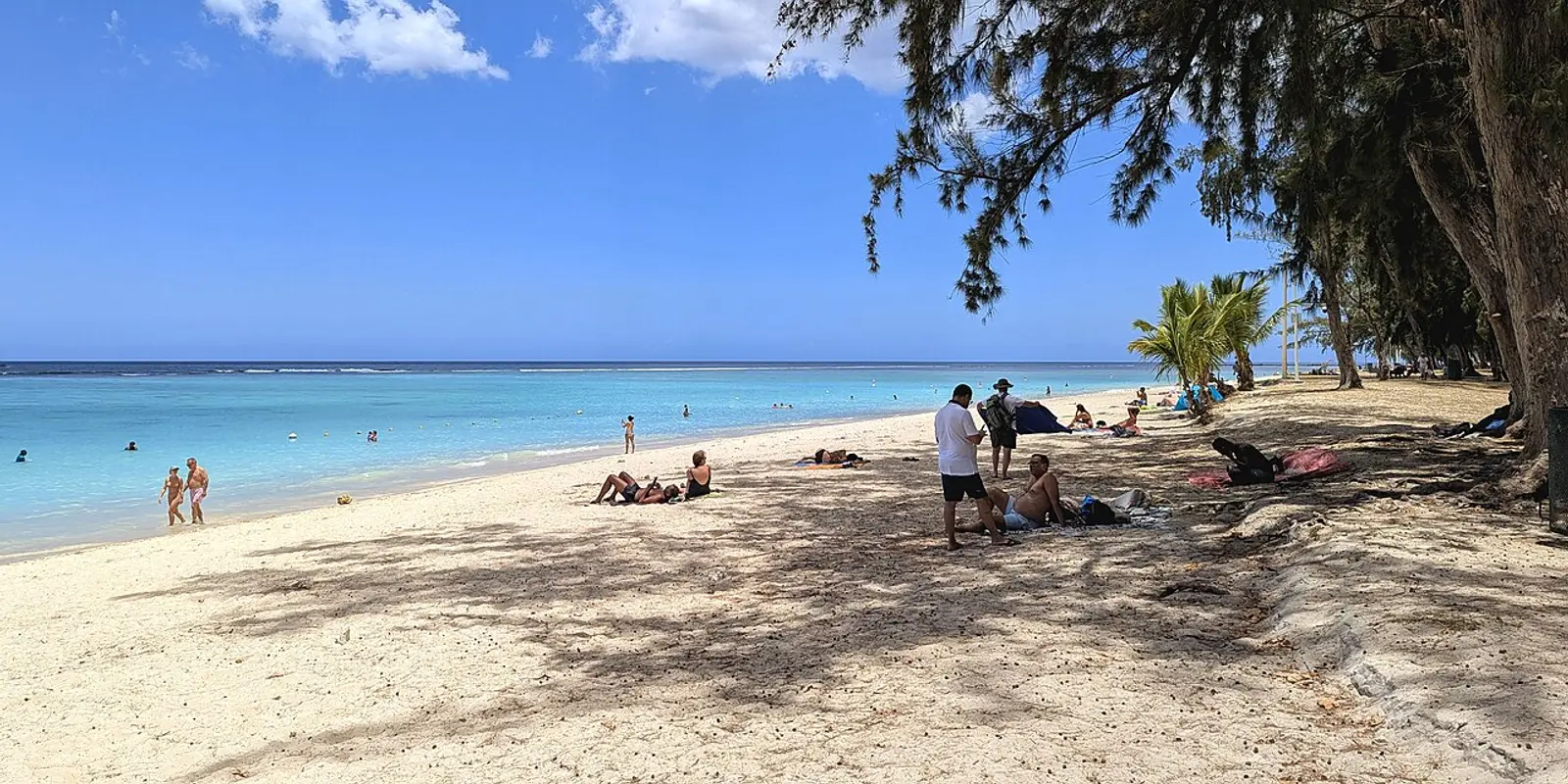
Choose between a single-base Mauritius holiday and a Seychelles island route using November climate patterns, transfer needs and your preferred pace.
 Destination Guides
A three-day Strasbourg–Colmar Christmas-market route, with confirmed 2026 announcements and a clear distinction between current trains and old shuttle dates.
 Destination Guides
Spend a week in Ljubljana, Bled and Bohinj without renting a car. Choose connected overnight bases and protect your return journey.
| Weather and local transit |
| 7 | Departure | Nearby outing only if time permits | Airport or return-to-Seoul buffer |
| Connectivity choice | Useful when | Trade-off |
|---|
| Existing Korean mobile service | Your plan already suits the trip | Check allowance and your own terms |
| Hotel or train Wi-Fi | Downloading maps and large files | Not a continuous street connection |
| co:sim country data-only plan | A visitor needs independent mobile data | Compatible unlocked phone; no local number |
| Regional plan | Another country is genuinely on the route | Verify every destination in the chosen plan |
 co:sim Team