
Back to Blog
For a Lima–Cusco–La Paz–Uyuni–Atacama trip, compare one eSIM that explicitly includes Peru, Bolivia and Chile with three single-country plans. co:sim's South America plans provide a regional option to inspect; the deciding details are the live country list, data allowance, validity and partner networks. Neither a regional plan nor three national plans can promise continuous signal across the salt flat or desert.
Some regional eSIMs do, but “South America” in a product name is not enough evidence. Open the plan's current coverage list and confirm PE, BO and CL before paying. The co:sim South America destination page is the relevant regional starting point, and its live plan details should settle the choice on purchase day. If a plan excludes even one country, treat it as a two-country plan plus a separate stop, not as a seamless solution.
A regional data allowance is convenient when you cannot predict exactly how much you will use in each country. Three national plans can be easier to tailor if most nights are in Peru and Bolivia and Chile is only a short finish. Compare the total cost, usable data and validity of the actual plans on screen. This article intentionally prints no fixed plan price: catalog prices and available packages change, and a static figure can turn a good decision table into bad advice.
| Choice | What it solves |
|---|
The country pages for Peru, Bolivia and Chile let you compare the alternative without guessing from a regional label. Check each plan's underlying network. A network listed for a country says where the plan can attach; it does not mean that every remote section of this route has towers. Keep that distinction visible in your decision.
The following is a planning sequence, not a published timetable or a guaranteed transport connection. Build in time for altitude, weather and changes to intercity travel. Confirm every flight, bus and tour directly with its operator before you commit to a data-plan validity window.
| Planning phase | Stops to research |
|---|

On the Peru leg, use the regulator's OSIPTEL coverage checker for the neighborhoods and stops you intend to visit. On the Bolivia leg, the ATT internet information portal provides a public starting point for national service data; pair that with your chosen carrier's current map before relying on an individual road. In Chile, SUBTEL's coverage-map guidance explains how to inspect mobile service areas. These tools are more informative than an eSIM reseller's phrase “works throughout the Andes.”
Choose the regional option when its live data, duration and country list match the entire trip and the convenience of one installed profile matters to you. A shared allowance can absorb an unexpected extra day in Peru without leaving unused country-specific data stranded. That is a practical benefit, not proof the regional plan is always cheaper. Use the live co:sim plan pages to compare the actual total for your intended data use.
Choose country plans when you need materially different data amounts or different partner-network choices in each place. For instance, a traveler who works online during a long stay in Cusco but uses only maps in Bolivia may prefer more data allocated to Peru. Do not copy that example into a coverage promise: inspect Peru, Bolivia and Chile individually. Check whether your device can hold the necessary profiles and how you will switch data lines at each border.
co:sim delivers the QR code by email after checkout, so you can install a purchased profile while you still have stable internet before the trip. Read its plan page for the install deadline, billing-start rule and top-up support, because those can differ by package. Do not start a plan early simply to test a route unless its terms make that sensible. You can keep your home SIM for calls and SMS while using a data-only travel eSIM for maps and messages, subject to your phone's dual-SIM settings and home-carrier charges.
Treat a remote excursion as an offline activity even if your phone showed signal in the departure town. A coverage map is a planning aid, not a guarantee for a moving vehicle, a salt-flat stop or a high-altitude road. Save the tour operator's name, meeting place, route and emergency instructions locally on every traveler's phone. If a guide supplies a satellite communication procedure, follow it instead of assuming a travel eSIM is a safety device.
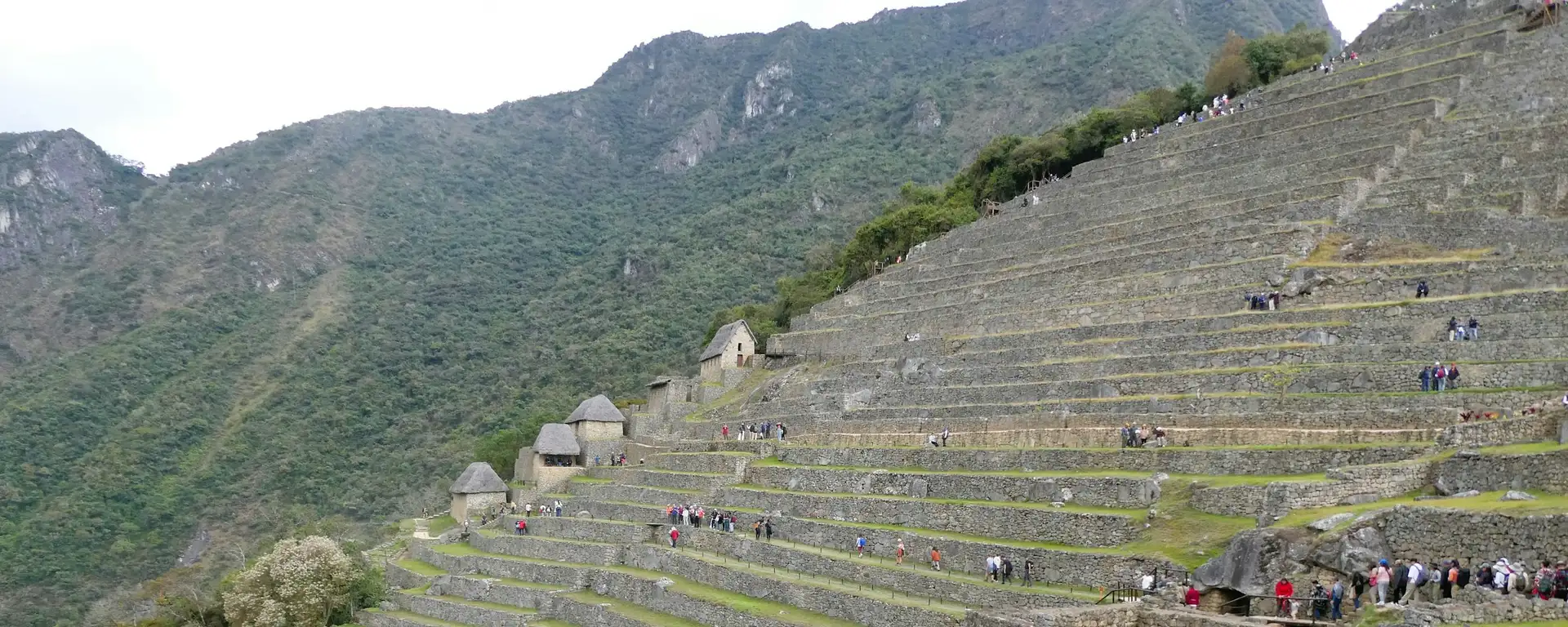
Download offline maps for each next leg while in a connected town. Keep one copy of lodging and transport confirmations that opens without a login code. An eSIM cannot deliver a one-time password to a data-only phone number, because it has no such number; retain access to your home line or other approved account-recovery method. Agree on where your group will meet if one person loses signal, and do not rely on a live map link as the only record of a remote pickup.
At each border, check that the phone selected the intended travel data line and connected to a permitted network. If a regional plan does not reconnect promptly, follow the plan's network-selection instructions before changing unrelated settings. The regional product page is the place to check the current country and network details; the route's remote gaps remain a separate issue regardless of which provider sells the plan.
It can, but only when the specific plan lists all three countries. Start with the co:sim South America product page, check its current PE, BO and CL coverage list, then compare the included data and validity with your whole itinerary. A regional product name alone is insufficient because country lists differ across providers and sometimes across SKUs. One profile can simplify switching between Lima, La Paz and Chile, but mobile service still depends on the partner network where you actually stand. Peru's OSIPTEL checker and Chile's SUBTEL coverage guidance show why local checks matter. Save maps, booking references and tour contacts offline before a remote leg. If the regional SKU misses one country, compare separate national plans rather than hoping the phone will roam onto an unlisted network. A data-only eSIM does not add a telephone number for normal calls or SMS.
There is no fixed answer without your live dates, data needs and the plan pages open together. Compare the regional co:sim option with the Peru, Bolivia and Chile country options at the same total usable data and trip length. A regional allowance may prevent stranded data when your schedule changes; separate plans may fit better when one country contains most of your stay. Check network partners and billing-start terms as well as the total price. This article states no plan price because it can change before your departure. Neither cost calculation predicts signal across the Uyuni salt flat or the Atacama roads. For those areas, consult the relevant national coverage tools and your tour operator, then keep essential bookings and meeting points offline. The best purchase is the one whose terms match your actual route, not the plan with the broadest-sounding name.
Plan the remote segment as if the phone will go offline. Before leaving a connected town, download maps, save your accommodation address, retain the next ticket and agree on a meeting point with your group and guide. Bolivia's ATT information portal and Chile's SUBTEL coverage resources can help you research service areas, but maps do not guarantee reception in a moving vehicle or every valley. Ask the tour operator what communication and emergency procedure it uses; a data-only travel eSIM is for ordinary mobile internet when a partner network is available, not a replacement for the operator's safety plan. Keep a home line if calls or SMS verification may be needed later. If you reach a town with coverage again, confirm the phone's selected data line and network before assuming the plan has expired. Avoid deleting an eSIM profile merely because one remote stretch had no service.
Compare the current co:sim South America plans with the three country pages before committing. Buy for the connected parts of the route and prepare the remote parts offline.
Instant delivery by email · Install before you fly
 Destination Guides
Choose between a single-base Mauritius holiday and a Seychelles island route using November climate patterns, transfer needs and your preferred pace.
 Destination Guides
A three-day Strasbourg–Colmar Christmas-market route, with confirmed 2026 announcements and a clear distinction between current trains and old shuttle dates.
 Destination Guides
Spend a week in Ljubljana, Bled and Bohinj without renting a car. Choose connected overnight bases and protect your return journey.
| What to check before purchase |
|---|
| One regional eSIM | One data pool across the listed countries | PE, BO and CL in the specific SKU; validity across the whole itinerary |
| Three country eSIMs | Different data amounts for each stop | Total cost, installation effort and when each plan starts billing |
| Home-carrier roaming | Keeps your familiar number and billing account | Actual country-by-country roaming terms and charges |
| Connectivity task |
|---|
| First week | Lima, Cusco and nearby day trips | Save hotel addresses, boarding details and offline city maps |
| Middle week | La Paz and the journey toward Uyuni | Compare Bolivian coverage by exact town, not national averages |
| Final week | Uyuni tour and San Pedro de Atacama | Download meeting points and onward tickets before leaving a connected town |
Valid 15 days
From $26.99
 co:sim Team