
Back to Blog
The Oslo Pass is worth buying when the included museum entries and covered transport you will actually use exceed its price. Choose 24, 48 or 72 hours around museum opening days and arrival time, rather than your hotel booking. A co:sim data-only eSIM is a separate option if your existing mobile allowance does not fit Norway.
The official Oslo Pass page currently lists adult prices of NOK 580 for 24 hours, NOK 845 for 48 hours and NOK 995 for 72 hours. It combines included attractions with eligible transport and separate discounts. Begin with places you want to enter, then calculate savings; a large inclusion list cannot tell you what fits your day.
For a trip centred on paid museums, the pass deserves a comparison. For a waterfront walk, cafés and architecture viewed from outside, buying individual transport and any specific entry may be more appropriate. Do not value a museum ticket you would never buy, and do not count a discount as if it were free admission.
| Your plan | Starting comparison | Key constraint |
|---|---|---|
| One concentrated museum day | 24-hour pass against admissions and transport | Entry times and travel between venues |
| City-centre museums plus a separate peninsula day | 48-hour pass | Both days must contain useful visits |
| Several museum days at a slower pace | 72-hour pass | Added hours must overlap opening times |
| Mostly outdoor sightseeing | Separate tickets | Few admission costs to recover |
| Children or eligible discounted visitors | Their actual ticket categories | Adult arithmetic can overstate savings |
Check the issuer's current inclusion list for your exact museums. It includes the Fram Museum and Norsk Folkemuseum, alongside city-centre art museums. Separate membership, concession and free-entry benefits may reduce what you would pay without a pass, so use your own admission category in the calculation.

Photo: Pierre Blaché · CC0 · cropped and resized.
Write a ledger with three columns: a visit you genuinely want, its applicable admission without the pass, and whether the pass actually includes it. Add eligible transport that you would otherwise buy. Leave discounted offers in a separate column, counting only the reduction you can use. Compare the result with the relevant pass price.
For a verified starting point, the Fram Museum lists adult admission at NOK 180, while Norsk Folkemuseum lists NOK 200. Their combined adult entry is NOK 380. Both appear on the Oslo Pass inclusion list. Against the NOK 580 adult 24-hour pass, you still need more than NOK 200 of other worthwhile included entry and eligible transport to be ahead.
That example deliberately does not declare the pass a bargain. A peninsula-focused day can be satisfying with those museums alone, and adding an unwanted venue to recover the difference changes the holiday. Use the transport fare for your real route at purchase time; do not insert a made-up airport saving or count a ticket you already own.
The issuer's adult prices also make the duration decision clear: upgrading from 24 to 48 hours adds NOK 265, and from 48 to 72 hours adds NOK 150. Calculate useful visits in those additional hours. A lower marginal cost makes an extension worth examining, but an extra closed-museum morning still contributes no entry savings.
The issuer's transport coverage page states that the Oslo Pass covers Ruter travel in zones 1, 2, 3, 4V and 4N. Check the route and operator for a journey outside central Oslo. A zone statement is not a promise that every service passing through the area accepts the pass.
For Oslo Airport Gardermoen, the current issuer guidance includes local trains operated by Vy. It excludes Flytoget, Flybussen and Vy buses. Old claims that the pass excludes every airport journey therefore miss an important distinction. Read the service name before boarding; “airport train” alone is not enough to establish coverage.
The same transport page excludes access to Torp Airport through the covered local network. Do not transfer Gardermoen's inclusion rule to a different airport. If your flight uses Torp, keep that transfer outside the pass calculation and research the actual operator separately.
The issuer also lists Bygdøy museum boats and specified fjord ferry services. Inclusion does not prove a sailing is available on your date. Check the season and timetable before choosing a ferry-based museum day, and retain a land-transport alternative if the route you want is unavailable.
The Oslo Pass usage guide says the selected 24-, 48- or 72-hour countdown starts when you activate the pass. That rolling clock differs from a calendar-day ticket. Buy when appropriate, but decide the activation moment from the visits and eligible transport you intend to cover.
If you activate at the airport late in the day, ask how much museum time remains in the following hours. The included local train may have value, but losing useful time at the end of the pass can offset it. Conversely, an early arrival followed by paid sightseeing may make airport activation sensible. Compare both scenarios without pretending the airport fare alone settles the choice.
For a two-part sightseeing plan, keep city-centre visits on one part and a Bygdøy museum visit on another, subject to the included venues being open. This is a proposed grouping, not a timetable. Choose the museum you care about most first and allow time to enjoy it rather than planning a sprint between all available entrances.
For autumn planning, Fram's own visitor page lists 10:00–17:00 from October through April. Check every other museum's date-specific calendar independently. Shared geography does not imply identical opening days or last admission, and an unavailable second museum changes the value calculation.
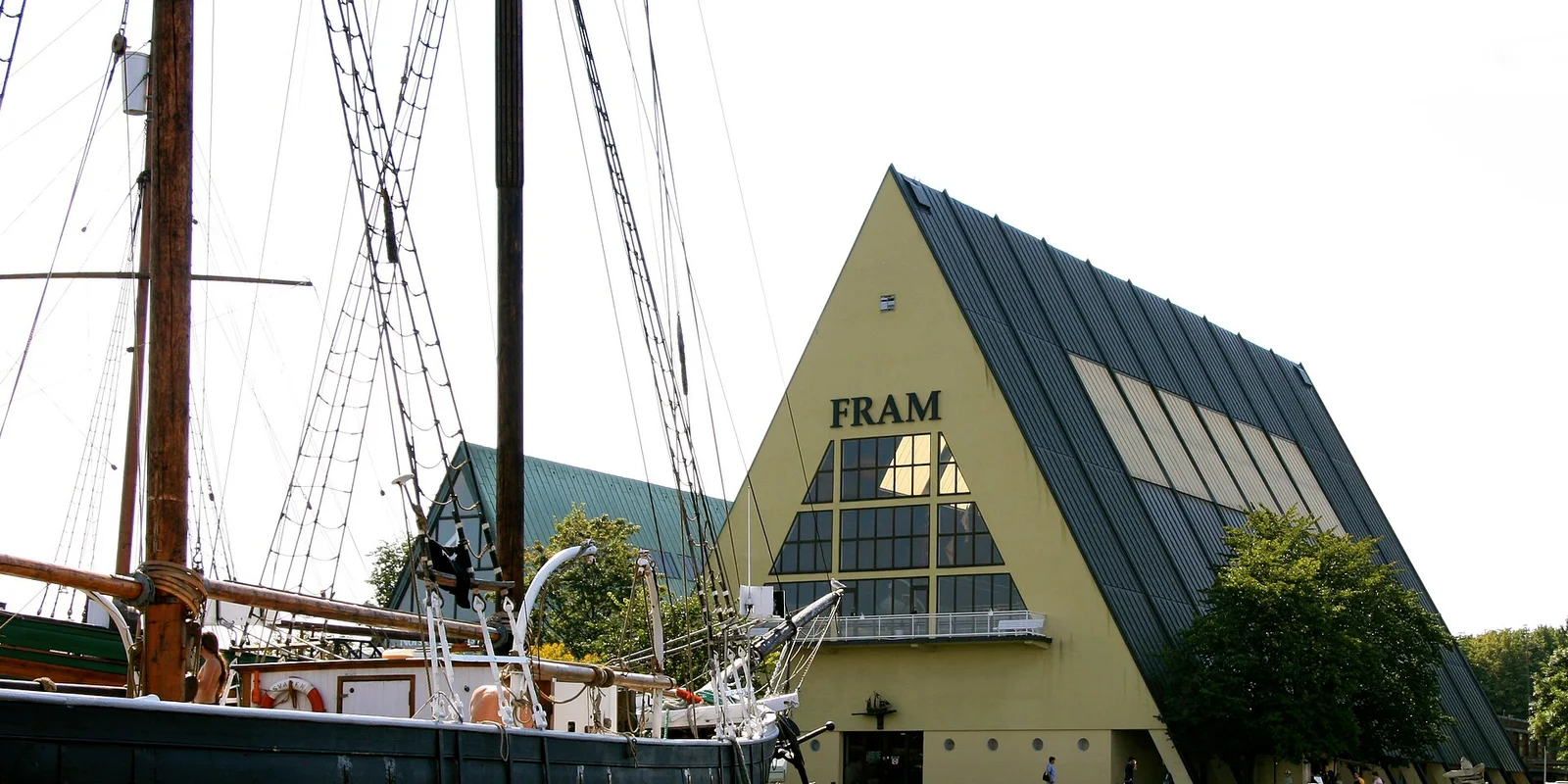
Photo: Jenni Douglas from Edinburgh, Scotland · CC BY 2.0 · cropped and resized.
The issuer's usage instructions say you need an internet connection to activate the digital pass. The app works offline afterwards, but needs to go online each morning to download the daily public-transport animation. Do not describe this as continuous connectivity being required, or as a screenshot being a complete substitute for the app.
Use accommodation Wi-Fi for the morning refresh if convenient, and protect battery capacity for inspections and admissions. Keep the correct transport screen available and follow the issuer's inspection instructions. Offline maps and saved accommodation details are useful backups, but they do not change ticket validity.
If you need a separate mobile allowance, co:sim's Norway data-only eSIM plans let you compare the live options. Check your existing roaming terms first; some visitors already have suitable service. Read the co:sim plan page's current data allowance, validity and billing-start information before choosing rather than borrowing the pass's countdown.
A data-only eSIM (embedded SIM) supplies mobile data, not a Norwegian phone number or carrier calls and SMS. It can support maps and online messaging on a compatible, unlocked device; availability varies. Neither mobile connectivity nor a pass purchase guarantees entry capacity or a ferry departure.
FREECheck current Norway free-eSIM eligibilityThe Oslo Pass currently covers Oslo Airport Gardermoen travel on local trains operated by Vy, according to the issuer's transport page. It does not include Flytoget, Flybussen or Vy buses. Identify the actual service, rather than treating all airport transport as one category. The same page distinguishes Torp Airport, which is outside the covered local transport arrangement.
Your pass must be valid when you use the covered journey. Before activating at arrival, compare the value of that train ride with the museum time the countdown will later leave you. A late landing can make separate airport transport and later pass activation a better fit. co:sim's Norway plan is only a mobile-data option and has no bearing on transport acceptance. Use it for information if needed, check your existing roaming allowance, and follow the pass issuer's current coverage and inspection instructions for the ticket itself.
A three-night hotel stay does not automatically justify a 72-hour Oslo Pass. The pass runs for the selected hours after activation, according to the official usage guide, while museums admit visitors during their own opening times. Arrival after closing or departure before opening can reduce the useful sightseeing time even when accommodation spans several nights.
At the current adult prices, 72 hours costs NOK 995 compared with NOK 845 for 48 hours. The extra NOK 150 deserves a comparison with worthwhile visits and eligible rides in the additional window. Do not buy the extension merely because it is cheaper per hour. A co:sim data plan can have a different validity and billing-start rule, so choose each duration separately. Draw the pass window on your itinerary, check museum calendars and put your favourite visits inside it before committing to the longer version.
The digital Oslo Pass can be used offline after the required online steps, but it is not a fully disconnected product for the entire trip. The issuer's instructions require internet access to activate it and an online connection each morning to download the daily animation for public transport. Follow those instructions in the app rather than relying on a saved screenshot.
Accommodation Wi-Fi may cover the morning task. Mobile data is useful for route changes and updated information, but it is a separate choice, not an Oslo Pass inclusion. Keep enough battery to show the live app screens at an admission desk or transport inspection, and ensure each traveller can access their valid ticket. Saving a map or museum address helps navigation when the signal drops; it does not replace the ticket. Choose a connectivity arrangement that fits your phone and existing allowance without assuming that every QR-based product needs constant internet access.
If Norway requires extra mobile data for your trip, compare co:sim's current options alongside your sightseeing budget.
Compare Norway data-only eSIM plansInstant delivery by email · Install before you fly
 Travel Tips
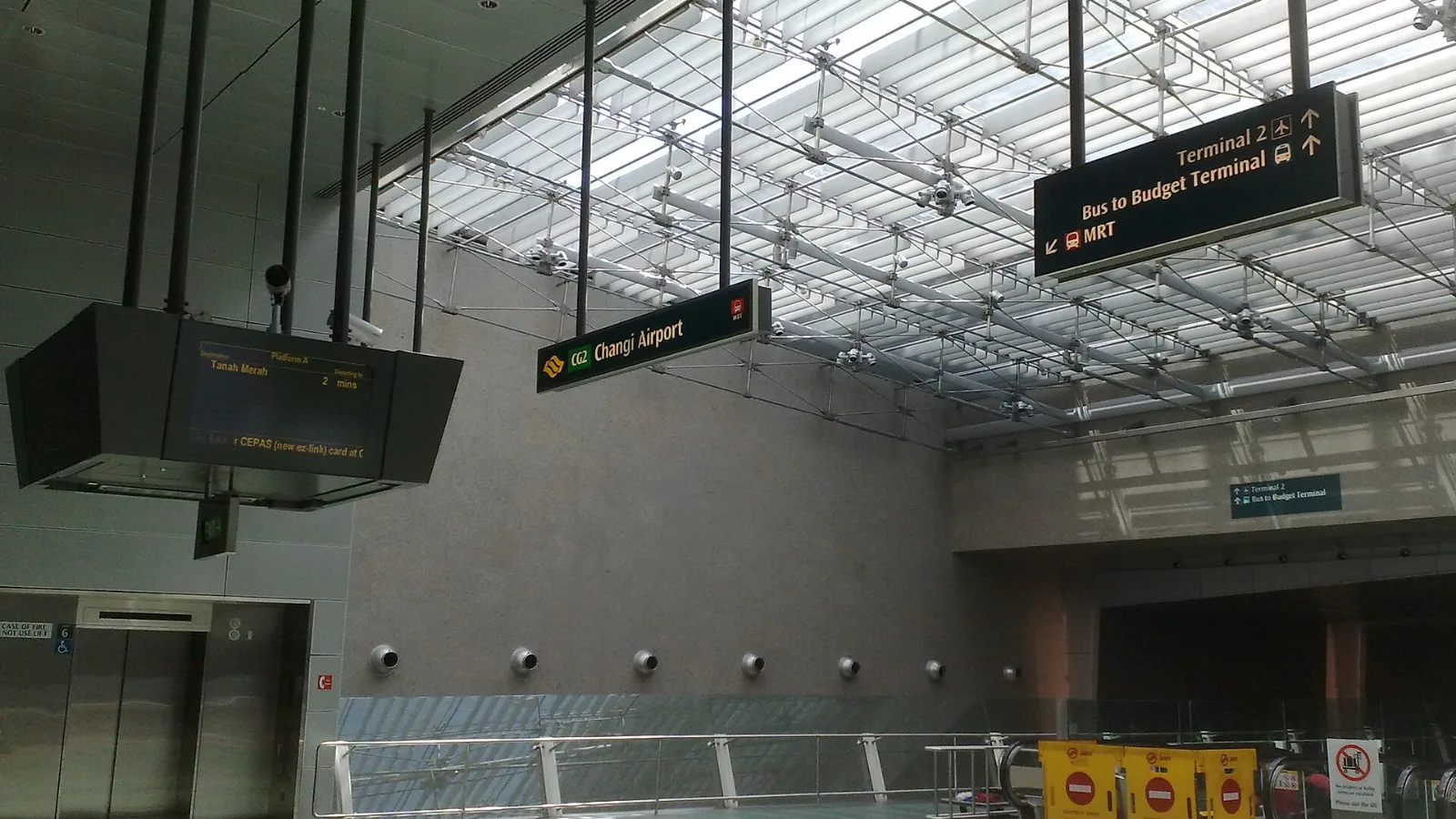
Take the MRT if you are one or two people staying near a train line: it costs about S$2 to S$3 and takes 35 to 50 minutes with one change. Take a Grab or taxi if three or more of you are sharing, you land at Terminal 4 or after the last train, because a car to the city takes about 30 minutes and usually costs S$25 to S$45.
 Travel Tips
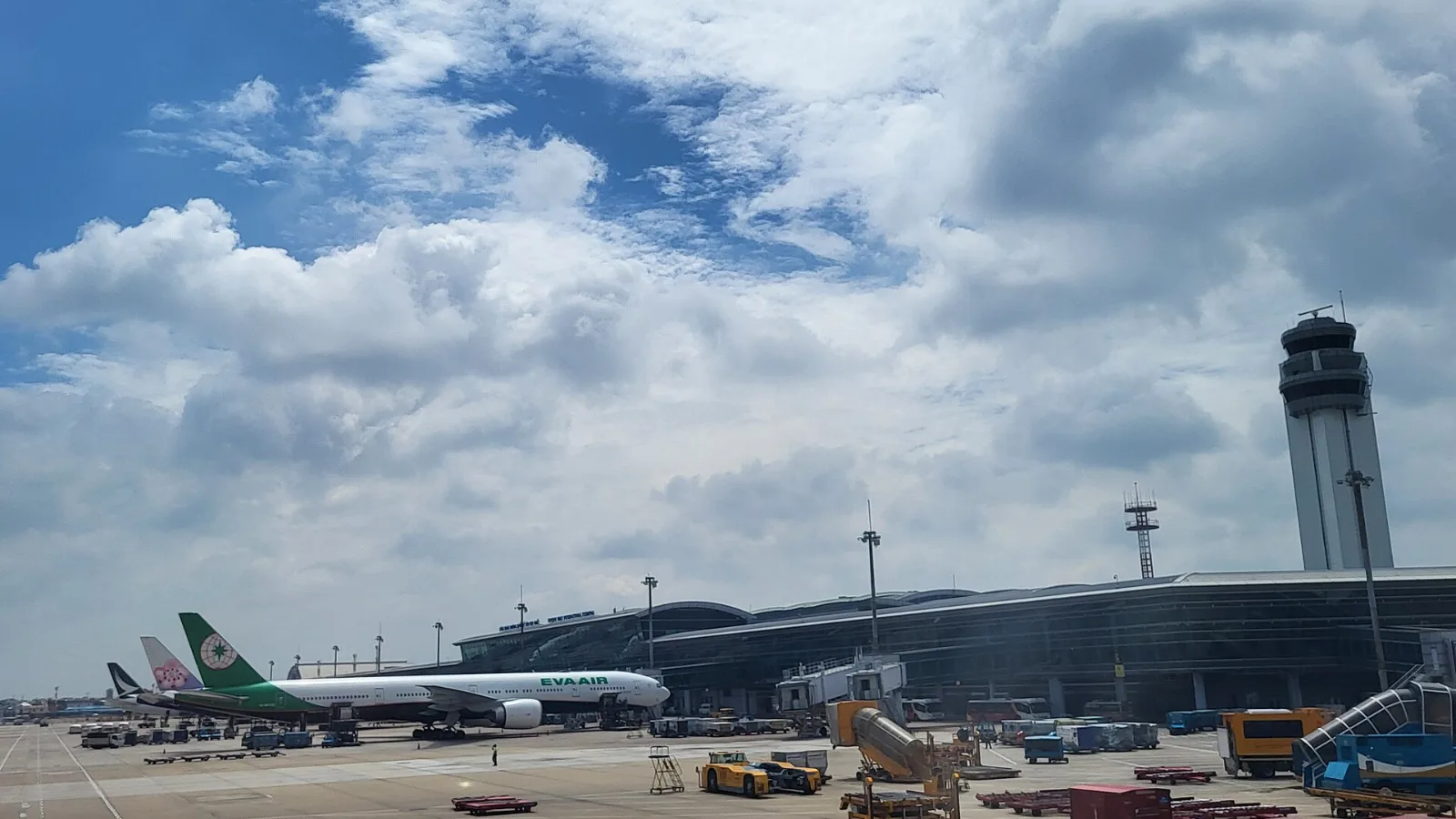
Take a Grab if you land at international Terminal 2, have a suitcase or are two or more people: a GrabCar to District 1 usually costs about 150,000 to 250,000 dong. Take bus 109 only on a tight budget with light luggage, because since 2025 it leaves from domestic Terminal 3, not the international terminal.
 Travel Tips
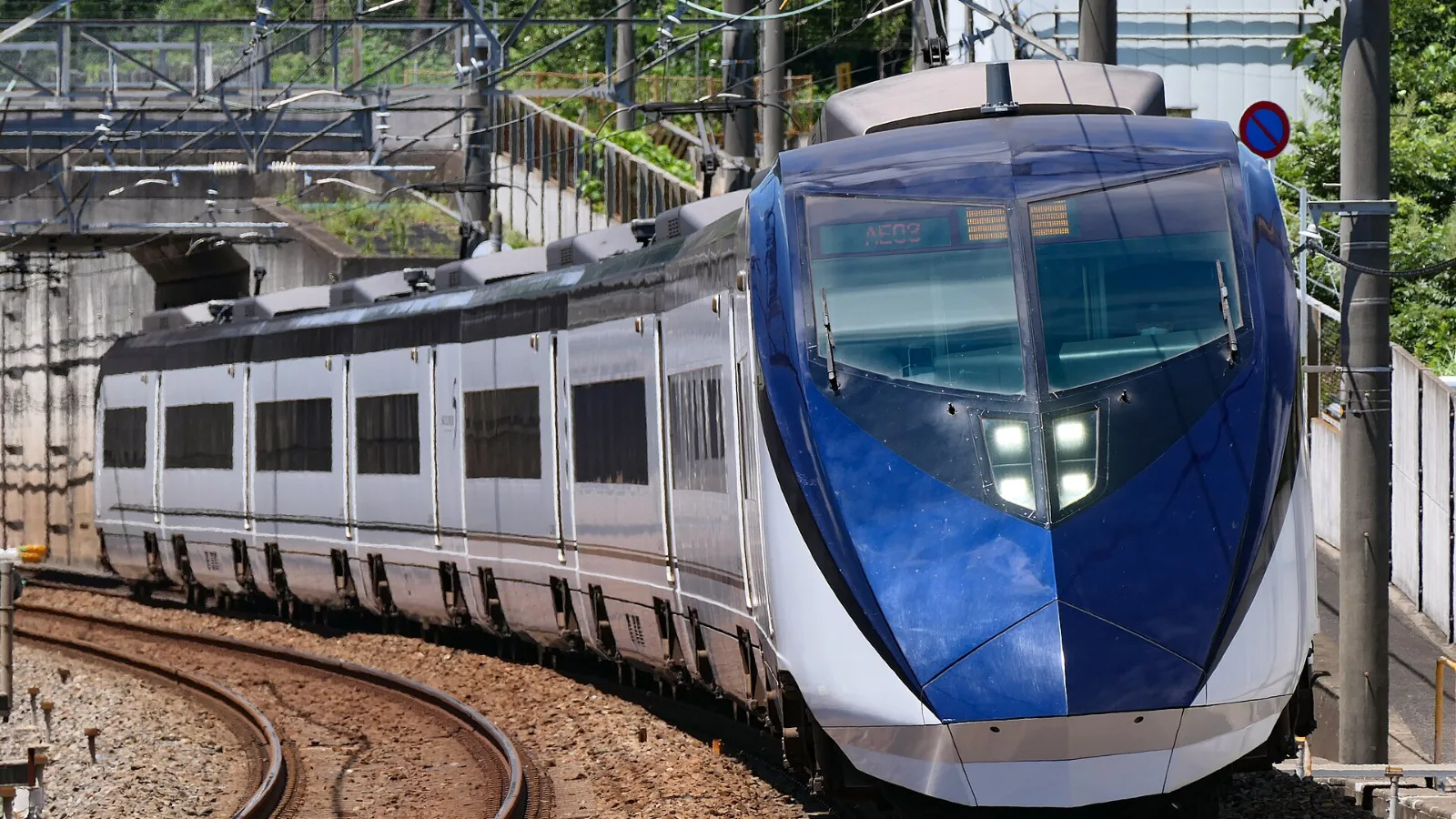
Take the Keisei Skyliner if your hotel is in Ueno, Asakusa or north-east Tokyo: it reaches Nippori in as little as 36 minutes for ¥2,580. Take the Narita Express if you are staying near Tokyo Station, Shinjuku, Shibuya or Yokohama, because it runs straight there, and the ¥5,200 round-trip ticket brings each leg close to the Skyliner fare.
 co:sim Team