Back to Blog
The Osaka Amazing Pass is worth buying when the included attractions you genuinely want to enter, plus eligible transport, cost more than separate tickets. Choose one day for a concentrated sightseeing day and two days only for a useful second day. A co:sim data-only eSIM handles maps and booking updates separately; neither product replaces the other.
The standard Osaka Amazing Pass currently costs ¥3,500 for one day or ¥5,000 for two days. Start with your must-see places, not the number of attractions advertised. A food-focused day with canal-side walking is a different purchase decision from a day entering paid museums, observation decks and a cruise.
Write down the admission you would actually pay at each chosen venue. Add only transport you would otherwise buy. Then remove anything closed, unavailable at your arrival time, or merely discounted. Compare that total with the pass price. The participating-attractions list is the inclusion authority; being near an included attraction does not make a neighbouring business included.
| Your sightseeing plan | Sensible starting choice | What to verify |
|---|---|---|
| Paid sights clustered into one full day | Standard one-day pass | Admission conditions and last entry |
| Different paid sights over consecutive days | Standard two-day pass | Second-day value and repeat-entry rules |
| Mainly food, shopping and walking | Separate tickets | Actual rides and any paid must-see |
| Mainly local metro travel | Enjoy Eco Card comparison | Its own route exclusions |
| Airport arrival plus city sights | Check the named airport version | Airport and city validity are different |
Do not count meals, shopping or attractions you would visit only to justify the purchase. Convenience has value, but a pass that makes you race between entrances may be a poor holiday choice even when the arithmetic looks favourable.
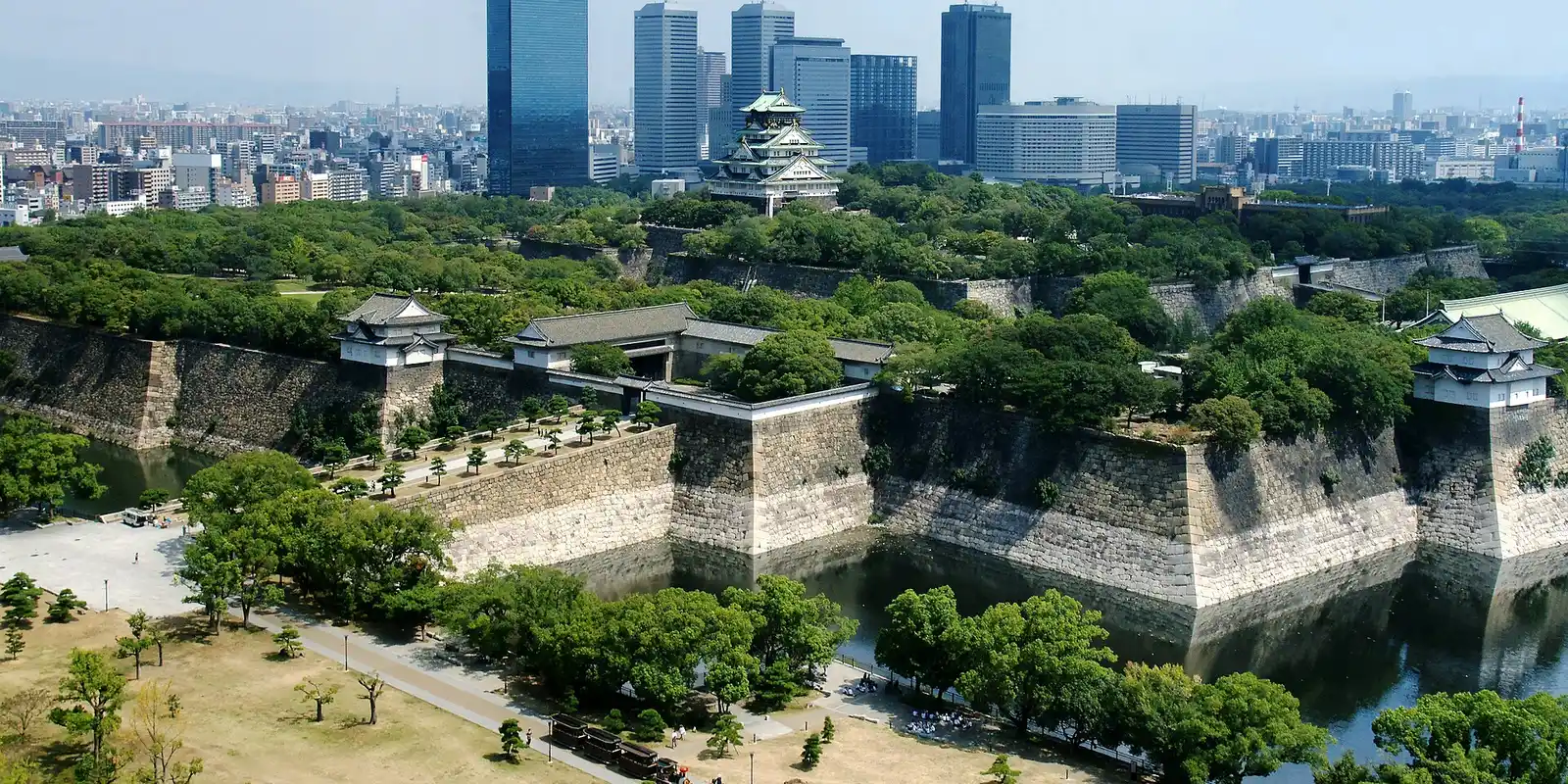
Photo: 663highland · CC BY 2.5 · cropped and resized.
Use the Osaka Metro Enjoy Eco Card as a transport-only baseline when it suits your actual route. Its adult price is ¥820 on weekdays and ¥620 on Saturdays, Sundays and holidays. It covers the stated Metro and city-bus network with exclusions, including Yumeshima Station; it is not equivalent to every railway covered by the sightseeing pass.
Against that baseline, the standard one-day pass needs more than ¥2,680 of worthwhile included admission on a weekday, or ¥2,880 on a weekend or holiday. These are calculations from the ¥3,500 pass price and the Metro card prices, not a claim about a particular attraction combination. If your transport would cost less than the Eco Card, use that lower figure instead.
A concrete warning: the Tombori River Cruise operator lists an adult fare of ¥2,000. That cruise plus a weekday ¥820 Eco Card totals ¥2,820, still ¥680 below the ¥3,500 standard pass. Check the cruise's pass eligibility on the current inclusion list. A second included admission must add genuine value; a pleasant free walk does not close that gap.
For two weekdays, ¥5,000 minus two ¥820 Eco Cards leaves ¥3,360 to recover through included admissions, using the same operator and Metro prices. This is a planning threshold, not guaranteed savings. Your hotel location, ride count and preferred ticket discounts can change the baseline.
The standard-pass conditions say these are day-based tickets, not rolling 24- or 48-hour products. The two-day option uses consecutive days. The digital service day runs from 03:00 to 02:59 the next morning, so starting between midnight and 02:59 uses the previous service day. Activate for sightseeing after that boundary, not reflexively after a late flight.
The same conditions page identifies Osaka Metro, city buses with exceptions, New Tram and specified city-area sections of private railways. Plan the precise journey against the route map. Do not assume JR trains, an intercity trip or any airport journey belongs to the standard city product.
The issuer lists separate Itami Airport and Kansai International Airport versions, including a KIX 28-hour product. Read the named version's own route and activation terms before comparing it with a separately purchased airport ticket. A familiar “Osaka Amazing Pass” label is not enough to establish that an airport segment is included.
For a concentrated day, organise the morning around Osaka Castle, then choose a city-centre attraction and a Dotonbori cruise if available. The issuer's attraction list currently includes Osaka Castle Museum and Tombori River Cruise. Treat this as a proposed sequence, not a reservation or a promise of boat capacity. Leave time for park walking, lunch and transfers rather than filling every open hour with another entrance.
If Umeda Sky Building is a priority, rearrange the day around its pass restriction: KUCHU-TEIEN OBSERVATORY admission with the pass applies until 15:00. Its later general opening time does not extend that included-entry window. Sunset plans therefore need a separate check rather than assuming the daytime benefit applies.
For a second day, pick a different neighbourhood and different included sights from the live list. Price that day independently before upgrading. Keep a fallback if weather affects your boat plan or a venue is closed; moving to a nearby café is enjoyable but does not create pass savings.
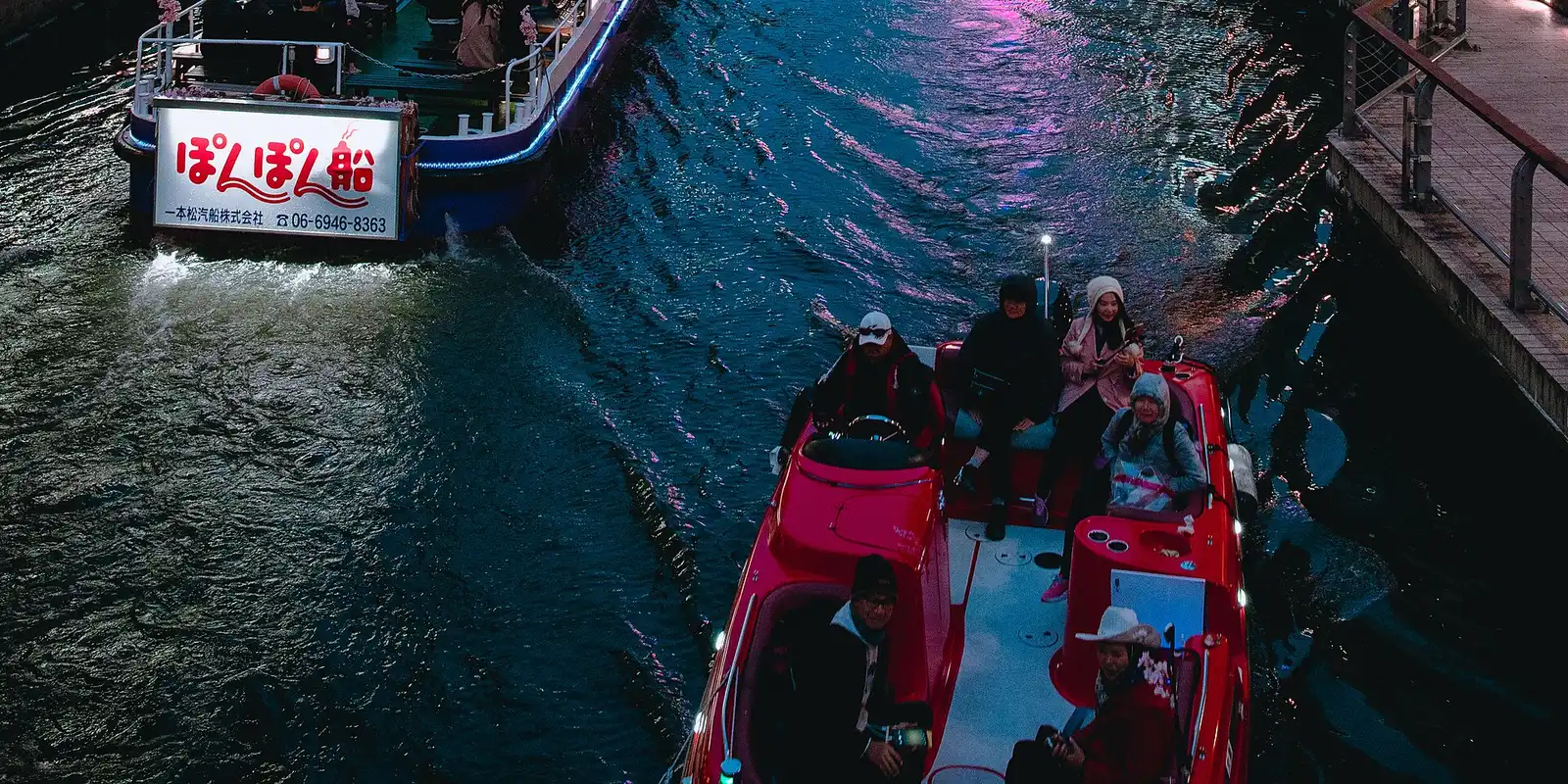
Photo: Dick Thomas Johnson from Tokyo, Japan · CC BY 2.0 · cropped and resized.
A digital transport pass, navigation and mobile service solve different problems. Read the pass's own purchase and use instructions; do not assume a saved screenshot replaces a live ticket. Before leaving accommodation, load the correct ticket and save your route and hotel address as backups.
For visitors whose existing mobile plan does not fit the trip, co:sim's Japan data-only plans are one option for maps and online messages. The live co:sim product page shows the choices available when you buy, so check data allowance, validity and the stated billing-start rule rather than borrowing the sightseeing pass's clock. Domestic travellers may already have suitable service and need no extra plan.
A data-only eSIM (embedded SIM) provides mobile data, not a local phone number or carrier voice and SMS. Use a compatible, unlocked device and keep battery capacity for the transport ticket. Connectivity and network reach vary; an eSIM does not guarantee that an attraction's booking site works or that a sold-out cruise becomes available.
FREECheck current Japan free-eSIM eligibilityThe two-day Osaka Amazing Pass is better value only when the second consecutive day contains enough useful included visits and transport. The issuer lists ¥3,500 for one day and ¥5,000 for two days, so upgrading costs ¥1,500 at the current standard prices. That difference is a decision threshold, not automatic savings. Compare the second day with the tickets you would otherwise buy and check each venue's conditions on the attraction list.
A late arrival, museum closure or day spent shopping can make the upgrade unnecessary. Draft both days before purchasing, with room for meals and walking. A co:sim Japan plan can support route changes when you need mobile data, but its validity is separate from the sightseeing pass. Neither a longer data plan nor a longer hotel stay creates extra attraction value. Choose the pass duration from paid sightseeing you actually intend to complete.
Do not treat the standard Osaka Amazing Pass as an airport transfer ticket. The issuer distinguishes the ordinary city product from an Osaka Itami Airport version and a Kansai International Airport version. The standard coverage conditions describe specified city transport, and the airport products have their own terms. Check the exact version, route, direction and activation window before buying.
Keep the airport decision separate from the sightseeing calculation. If arrival leaves little time for paid attractions, buying an airport ticket and starting the city pass later may suit your schedule better. Compare real fares at purchase time rather than assuming a combined label saves money. co:sim provides mobile data plans, not the airport transfer or sightseeing ticket. Save the accommodation address and onward route before departure; mobile data can help with updates, but it does not expand the pass's transport coverage.
A Dotonbori-and-castle-area day does not automatically justify the Osaka Amazing Pass. Separate walking and eating from paid admission. The relevant included products are specific entries, such as Osaka Castle Museum and Tombori River Cruise on the official attraction list, rather than everything in those neighbourhoods. Check what you actually plan to enter and any availability restriction.
For a simple calculation, the cruise operator currently lists ¥2,000 for an adult Tombori River Cruise. Add your actual transport and any other paid admission before comparing with the ¥3,500 standard one-day pass. Do not count a museum you intend to skip, or an optional cruise you would not otherwise buy. If your day is mainly food and strolling, separate fares preserve flexibility. Choose the pass for the activities you want, not to make a free neighbourhood visit feel like a discounted attraction.
For an Osaka trip that needs mobile data, compare co:sim's current Japan options alongside your transport plan.
Check Japan data-only eSIM plansInstant delivery by email · Install before you fly
 Travel Tips
Take the MRT if you are one or two people staying near a train line: it costs about S$2 to S$3 and takes 35 to 50 minutes with one change. Take a Grab or taxi if three or more of you are sharing, you land at Terminal 4 or after the last train, because a car to the city takes about 30 minutes and usually costs S$25 to S$45.
 Travel Tips
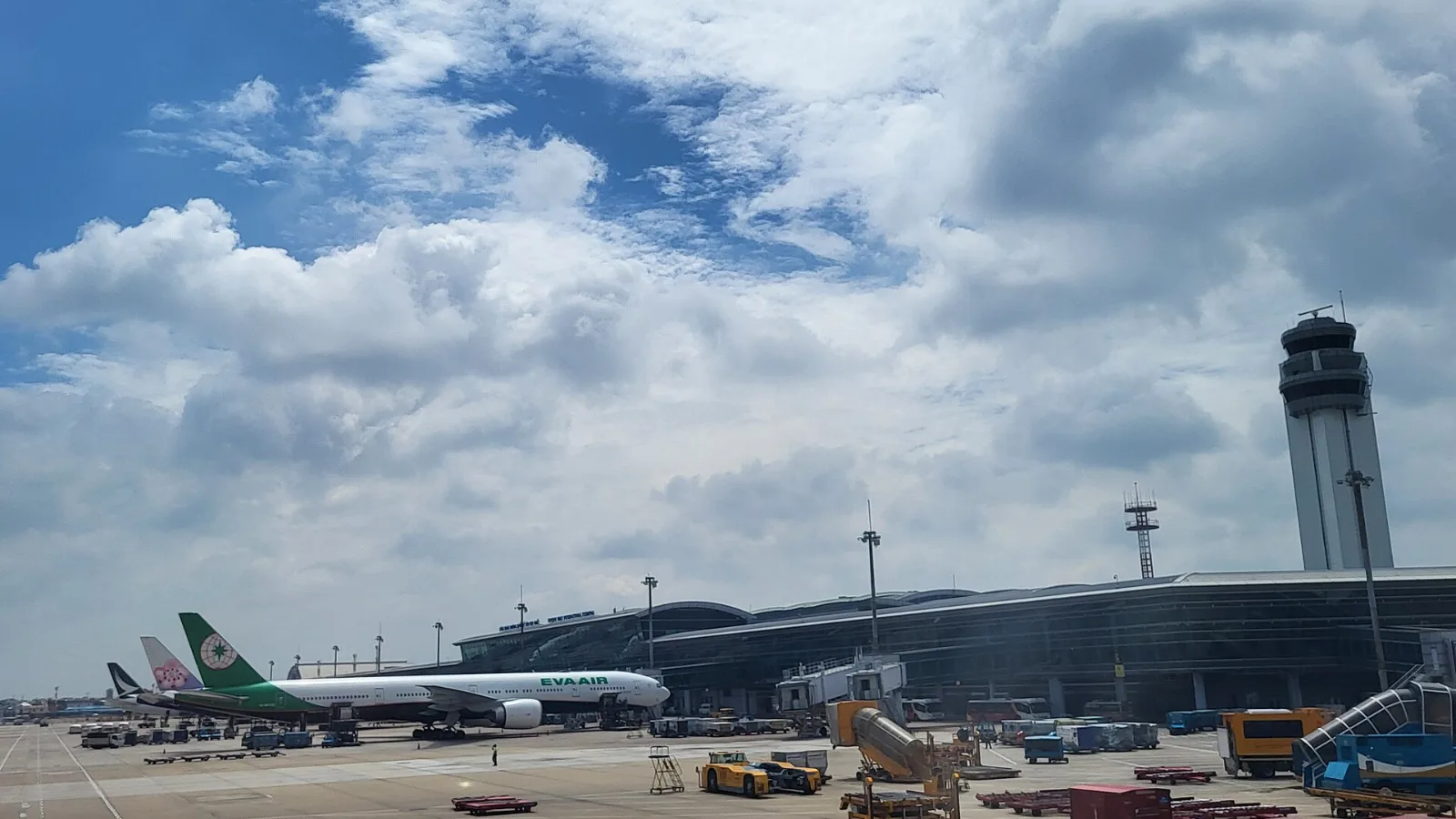
Take a Grab if you land at international Terminal 2, have a suitcase or are two or more people: a GrabCar to District 1 usually costs about 150,000 to 250,000 dong. Take bus 109 only on a tight budget with light luggage, because since 2025 it leaves from domestic Terminal 3, not the international terminal.
 Travel Tips
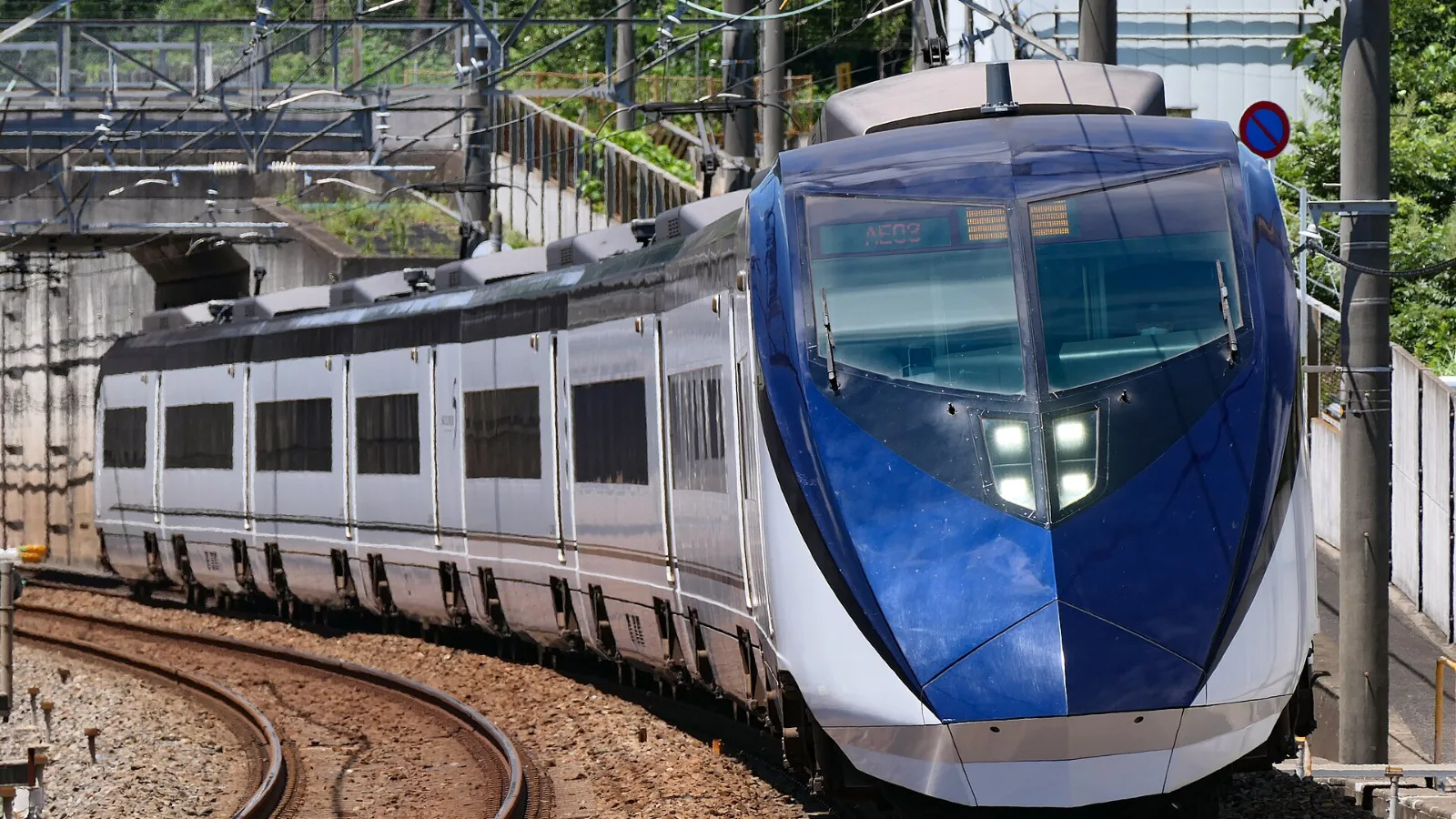
Take the Keisei Skyliner if your hotel is in Ueno, Asakusa or north-east Tokyo: it reaches Nippori in as little as 36 minutes for ¥2,580. Take the Narita Express if you are staying near Tokyo Station, Shinjuku, Shibuya or Yokohama, because it runs straight there, and the ¥5,200 round-trip ticket brings each leg close to the Skyliner fare.
 co:sim Team