For an Oman 7 day itinerary, build a northern loop: Muscat, Nizwa, a Wahiba Sands camp and a final night back in Muscat. Keep Salalah for another trip and arrange desert access with the camp rather than driving a normal rental into dunes. co:sim mobile data can support planning, but offline directions and confirmed meeting points matter outside the cities.
The schedule below is an editorial route proposal, not a booked tour or a guarantee of road conditions. It assumes arrival and departure through Muscat, a vehicle or prearranged driver for the inland legs, and six nights. Adjust the first and last days to your actual flights before committing to non-refundable travel bookings.
Use Muscat for arrival, Nizwa as an inland base, a desert camp for the distinctive overnight, and Muscat again before departure. This keeps the trip focused on northern Oman. Rough Guides' itinerary overview provides useful route context, but the allocation below is our suggested pace rather than a copied tour schedule.
Day
Main plan
Overnight
Main planning task
1
Arrive in Muscat; easy waterfront walk if time allows
Muscat
Collect transport and confirm the hotel
2
Muscat heritage and a relaxed coastal stop
Muscat
Check attraction access before setting out
3
Travel inland and settle in Nizwa
Nizwa
Leave a useful arrival buffer
4
Nizwa Fort, souq and a light local outing
Nizwa
Avoid adding a demanding mountain drive
5
Travel to the desert meeting point; camp transfer
Wahiba Sands area camp
Agree the vehicle change and arrival time
6
Return from camp and drive back to Muscat
The nights are a deliberate pacing choice: two in Muscat at the start, two around Nizwa, one at the desert camp and one back in Muscat. If the flight lands very late, the arrival day should stay an arrival day. Do not treat it as a full sightseeing day just because it occupies a row in the table.
#What should you do on your first two days in Muscat?
Keep the first day light. Check in, confirm the next morning's plan and make an easy waterfront or souq visit if you still have energy. Experience Oman's Muscat page identifies Mutrah Souq, the National Museum, Sultan Qaboos Grand Mosque and coastal attractions among the city's visitor options.
Use the next day for a focused heritage outing rather than driving between every named sight. Pair an attraction with time around Mutrah or the waterfront, then allow a relaxed meal. Check visitor access and dress requirements with the particular attraction. This guide deliberately avoids repeating opening hours that can change or publishing assumptions about access during religious observances.
Do not start the inland road trip immediately after a tiring arrival unless that genuinely suits your flights and driver arrangements. A rested morning departure from Muscat is a better planning default than collecting a vehicle and pushing inland late simply to match a packed checklist.
Muscat is also the place to resolve rental questions. Confirm permitted roads, insurance conditions, emergency contact procedures and how you will reach the camp handover point. The vehicle's appearance is not permission for off-road use; a rental agreement and a camp's instructions are the useful documents.
Travel inland on day three, then use day four for Nizwa without repacking the same morning. The official Nizwa Fort page describes its circular defensive design and the adjacent traditional souq. That pairing gives the inland stay a concrete focus, rather than making Nizwa a rushed photo stop between two long drives.
Visit the fort and souq at a pace that leaves room for rest and a meal. Check admission and current access directly before you go. The tourism page lists October–April as its preferred visiting period; that is seasonal guidance, not a forecast or a guarantee of pleasant conditions on a particular day.
Keep an optional nearby cultural stop genuinely optional. If the road day took longer than expected or your group wants more time in Nizwa, stay with the core plan. Adding a mountain excursion changes road and vehicle requirements and should be researched as a separate decision, not attached casually to this itinerary.
Before leaving Nizwa, confirm the desert camp's meeting location again. Save the coordinates, the written directions and a contact method that will work for the arrangements you have made. A camp name in a navigation app is not necessarily the agreed handover point.
#How do you reach Wahiba Sands without unnecessary driving risk?
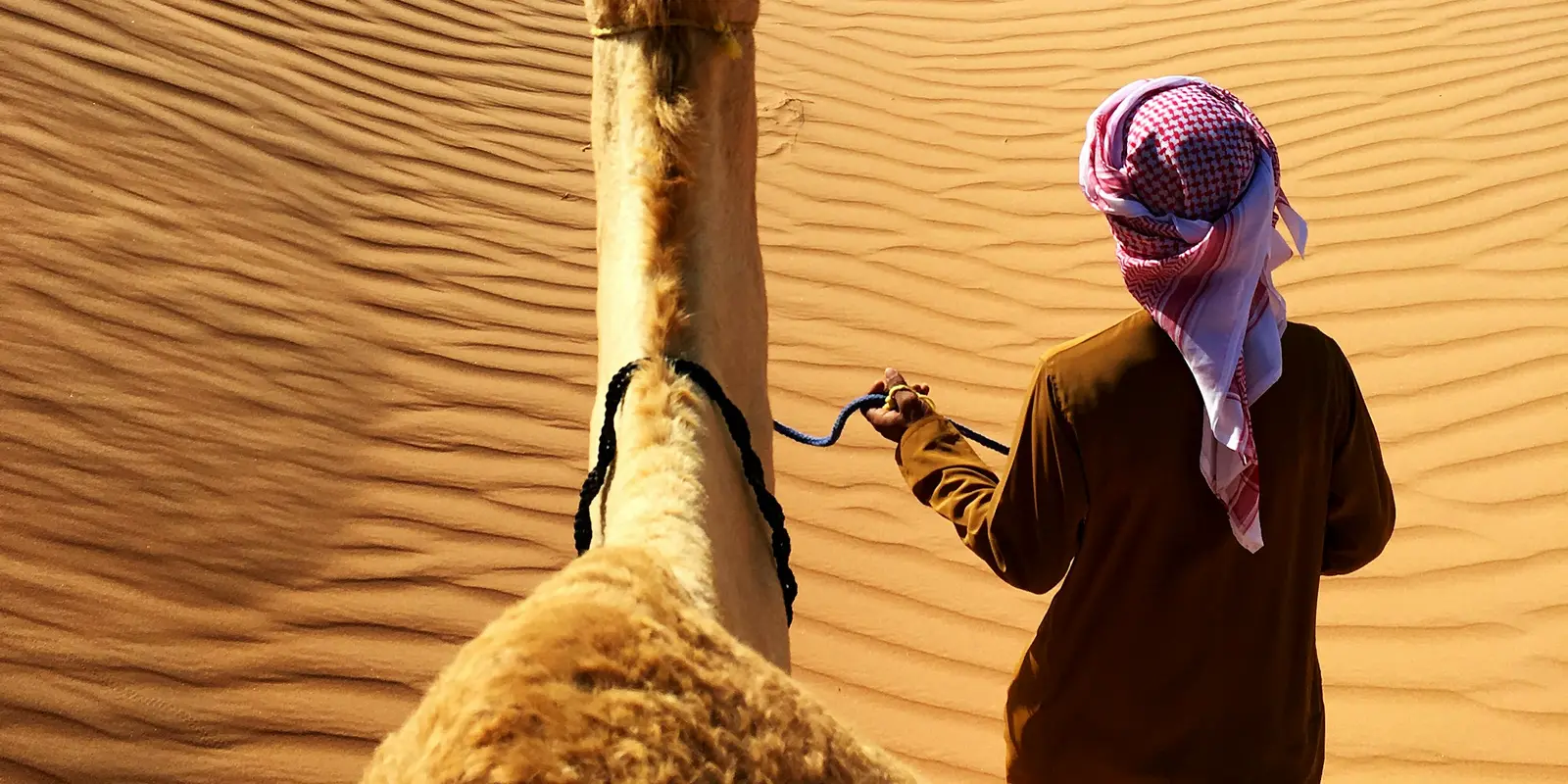
Wahiba Sands is also called A'Sharqiyah Sands. Experience Oman's desert page describes camping, camel trekking and 4x4 activities, and lists September–April as its preferred visiting period. Those activities establish the desert's appeal; they do not establish that your rental car or your driving experience is suitable for dunes.
Ask the camp for a written arrival plan before paying for the stay. Establish where the paved-road meeting point is, what vehicle you leave there, who takes you onward, and how the return works. Confirm whether the transfer is included or separately charged, plus arrangements for luggage and anyone needing assistance.
Treat the desert transfer as a booked service. Do not follow another car into sand because the map suggests a shortcut. The camp should specify the route and appropriate transport for its location. A professional driver or organized transfer is a practical option for visitors who do not want to manage off-road logistics.
Keep day five about arriving at camp, settling in and enjoying the agreed activities. Dune driving should be handled by an appropriate operator, not improvised as an extension of the road trip. Carry water and suitable clothing, and follow the camp's advice for the conditions you actually encounter.
For this week, leave Salalah out. It changes the geography and transport demands of a northern loop; adding it without taking time away from another stop produces a different trip. Keep the value of this route in having time at Muscat, Nizwa and the desert rather than trying to cover every Oman highlight.
A wadi stop or mountain excursion can replace a light day, but should not silently replace the return buffer. Investigate access, conditions and transport before committing. Do not enter a wadi when local warnings advise against it, and do not assume a swimming photograph establishes safe access on your travel date.
On day six, return from camp and head back to Muscat. If everything runs smoothly and a researched stop fits, consider it; if not, go directly to the hotel. A final city night makes the departure day easier to manage than remaining inland until the morning of a flight.
#What should you book and save before the road trip?
Book the nights, road transport and camp transfer around your actual flight schedule. Save confirmations, meeting coordinates, hotel addresses and a road map offline. Ask the rental company or driver about the selected route, and check current entry requirements, weather notices and official travel advice separately. This route guide does not certify present safety conditions or visa eligibility.
co:sim's Oman data plans offer a separate mobile-data option for an unlocked, compatible eSIM phone. An eSIM is an embedded SIM; data-only service does not include an Omani telephone number. Verify the current plan details and keep any camp contact arrangements independent of an assumption that internet calling will always work.
Information option
Useful for
Limitation
Offline map and saved booking
Directions and meeting details without signal
Cannot fetch fresh road notices
Driver or camp's written instructions
The agreed transfer and local arrival procedure
Must be confirmed for your booking
co:sim Oman data-only eSIM
Map checks and internet messages where available
Signal varies; it is not an emergency guarantee
Connectivity is a supporting tool, not the basis of desert navigation. Ask how to contact the camp if data is unavailable, and keep the instructions where every traveller can access them.
#Is seven days enough for Muscat, Nizwa and Wahiba Sands?
Seven days can work for Muscat, Nizwa and a Wahiba Sands overnight when you keep the route in northern Oman and match it to your flights. The proposed six-night allocation is two nights in Muscat, two near Nizwa, one at camp and a final night back in Muscat. It is an editorial pacing suggestion, not an operator's guaranteed schedule. Experience Oman supplies the Muscat attraction context, while the other stops need their own bookings and access checks. A late arrival or early departure reduces usable sightseeing time. Leave Salalah out of this particular loop, and make extra mountain or wadi outings substitutions rather than additions. The aim is time at the main stops and a manageable departure day. Recheck driving plans and camp transfers before committing to the accommodation sequence.
This northern Oman route should be planned around the roads and transfer arrangements you actually book, rather than assuming every visitor needs the same vehicle. The official desert page lists 4x4 dune activities, but that does not authorize an ordinary rental to enter sand or prove a visitor can drive it safely. Ask the rental provider about the proposed paved-road route and arrange the camp's appropriate onward transfer from an agreed meeting point. co:sim data can help you check a map or send an internet message where signal is available; it does not replace written directions, vehicle permission or a professional desert driver. Mountain detours may change the vehicle decision and require separate research. Confirm the return transfer too, so day six begins with a workable plan to retrieve your vehicle and reach Muscat.
Do not make continuous mobile reception a condition for reaching a Wahiba Sands camp. A camp's location and the conditions along the route can make connectivity uncertain. co:sim Oman plans provide data on a compatible unlocked eSIM phone without an Omani telephone number, and coverage is not guaranteed everywhere. Save the camp's written directions, meeting-point coordinates and booking confirmation offline before leaving the city. Arrange with the camp how you will contact it if mobile data is unavailable, including any normal telephone contact your existing line can support. Internet messaging should be a convenience, not the only arrival method. Ask who provides the transfer, when you meet and where you leave the road vehicle. The most reliable preparation is a clear handover arrangement that still makes sense when a map cannot refresh or a phone loses signal.
Set the flight-compatible night plan and confirm the desert handover first. Compare co:sim's current Oman data options as an extra planning tool alongside your saved route.
 co:sim Team