Back to Blog
After Narita's last useful train, take a Tokyo-bound bus only if its current departure is reachable from your terminal and its city stop leaves you a workable onward journey. Otherwise compare a confirmed taxi quote with an available nearby bed. Make that decision when you are ready to leave arrivals, not from the aircraft's landing time.
A Narita airport late night arrival can still involve immigration, baggage and a terminal walk before any transport is possible. co:sim mobile data can help with landside updates, but no connection can hold a departing bus or confirm an unbooked room. Keep the fallback practical for everyone travelling with you.
Use the first option that is both operating and suitable for the complete journey. Start by checking whether another useful rail service remains: missing a preferred express is not necessarily the same as missing every train. Then check buses, a taxi and accommodation in that order, adjusting for children, luggage and mobility needs.
| Option | Use it when | Confirm before committing |
|---|---|---|
| Remaining train | A current departure and onward connection are reachable | Station, service, interchange and final local transport |
| Tokyo-bound bus | Boarding is still possible and the destination stop works | Terminal, stop, fare, baggage rules and last leg |
| Taxi or booked transfer | You need a direct journey and accept its complete quote | Pickup, vehicle capacity, tolls, late charges and waiting terms |
| Nearby accommodation | A room or suitable sleeping space is confirmed | Late admission, access now, age rules and onward travel |
This is a sequence of checks, not a ranking by advertised fare. A low bus fare followed by an expensive city taxi may lose its advantage. A room that requires a shuttle which has stopped running may create another transfer problem instead of solving the first one.
Compare the timetable with the time your whole party can reach the actual platform or bus stop. Include border processing, baggage collection, customs, collecting anyone who needs assistance, and walking to the correct terminal area. None of those has a guaranteed duration that can safely be deducted from a scheduled landing time.
Use the current Keisei station timetable for the correct airport station and direction. A Skyliner result is a particular train option, not proof that every other service has ended. Equally, reaching a city station before midnight does not guarantee the local train to your hotel still runs.
Once you are landside, stop using the original flight estimate. If the family is ready now, search from now, with a realistic terminal walk. If one bag is missing and needs a report, or someone needs assistance, update the plan before buying another ticket. A theoretically catchable last departure is not a robust choice when reaching it requires running with luggage.

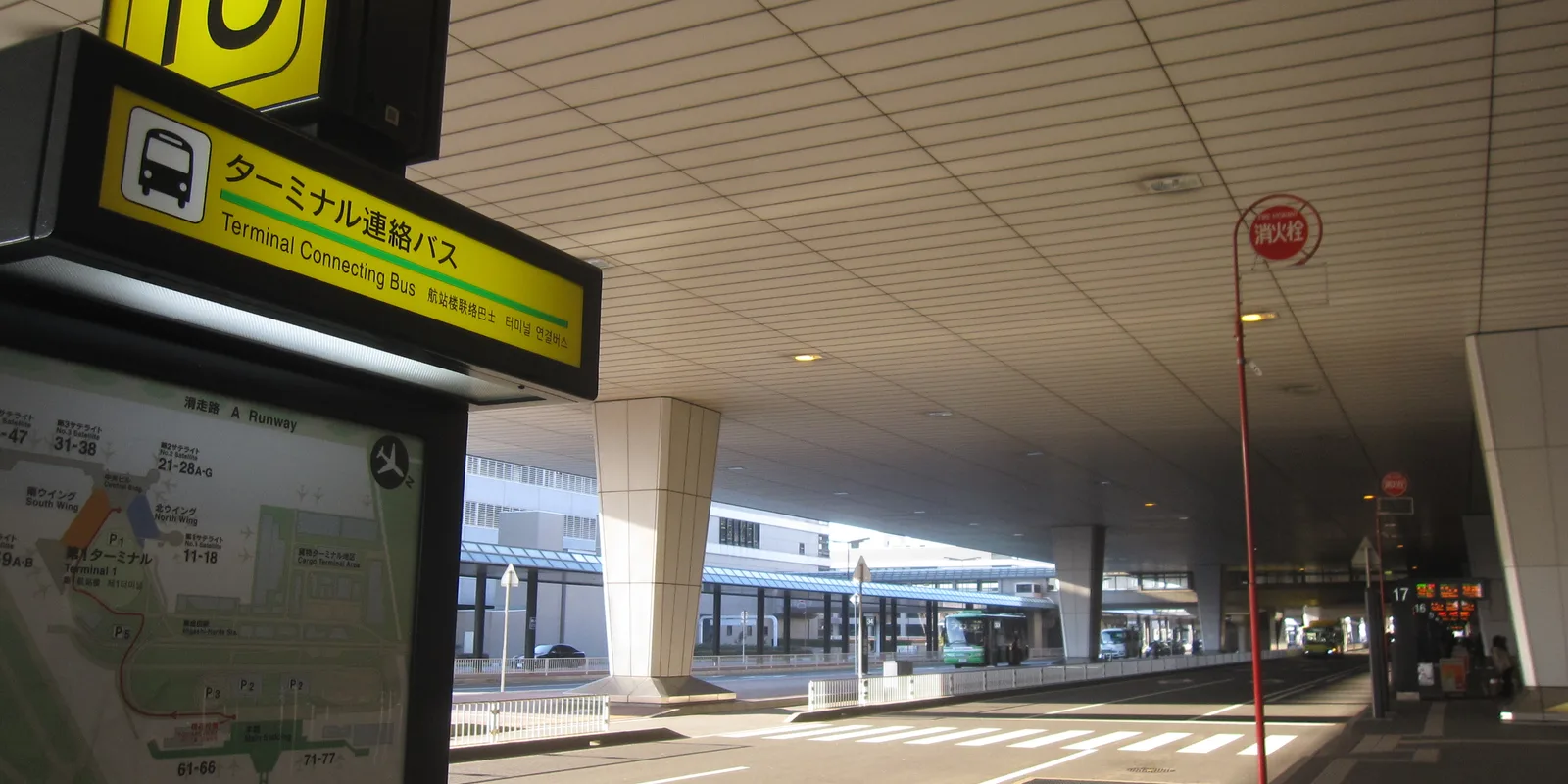
Possibly, but check a specific departure instead of assuming an overnight airport-bus network. Narita Airport's public-bus page identifies operators and access information. The airport's departing-bus guide helps match your destination and terminal; different routes are not interchangeable.
For Airport Bus Tokyo–Narita, known as TYO-NRT, use the Tokyo-bound timetable. Choose your terminal and follow its current downloadable timetable. The page contains older boilerplate and a title with a different platform reference from its visible terminal tab, so do not copy a search-result snippet as boarding instructions. Confirm the stop shown on the current departure information and airport signs.
The official PDF dated 1 April 2026, checked for the airport-to-Tokyo direction, lists the last departures as Terminal 3 at 23:20, Terminal 2 at 23:25 and Terminal 1 at 23:30, arriving at Tokyo Station Nihombashi Gate at 00:38. Recheck the current dated timetable before travelling. This snapshot does not establish year-round times or an all-night service.
Check the fare attached to that departure. The operator distinguishes designated early and late services; a daytime fare is not a safe overnight budget. Do not assume the timetable means continuous service throughout the night, or that a bus marked for Tokyo Station also stops near your accommodation.
Before paying, identify the final leg from the bus stop. Open the hotel address, check its late-arrival process, and decide whether you can walk safely with your bags or need another ride. For a hotel far from the arrival stop, obtain the onward taxi estimate too. Compare that complete cost against the direct-airport alternative.
A taxi becomes a reasonable option when the whole party needs a direct arrival, remaining public transport is impractical, and a confirmed quote fits the budget. Use the airport's designated taxi arrangements or a booking you can verify. Treat an unsolicited approach as a reason to check the official pickup instructions before proceeding.
Give the exact hotel address, passenger count and luggage count. Ask whether the quoted amount includes tolls, late-night charges and any waiting, and whether the vehicle can carry the party comfortably. If a child seat or accessible vehicle is essential, obtain explicit confirmation; an available ordinary car does not establish that it meets those needs.
For a prepaid transfer, read the flight-delay, waiting and no-show terms. Do not assume the driver waits indefinitely because you entered a flight number. Contact the provider if the pickup time changes, and keep the agreed meeting point offline. For a metered journey, ask how the final fare is calculated rather than presenting an estimate as a fixed price.
A larger group's shared cost can change the comparison, but only after the vehicle is confirmed. Do not divide a small-car quote among more people than it can take. Keep a second option available until the taxi or transfer has actually been accepted.
Yes, if accommodation and access are confirmed for your actual arrival time. The official nine hours Narita page is one starting point for checking an airport sleeping option, not evidence that a bed is currently free or suitable for every family. Review age restrictions, sleeping arrangements and admission conditions before booking.
For any nearby hotel, ask how to reach it now. A complimentary shuttle advertised on the property page may have finished for the night, and “airport area” is not a walking-distance promise. Check the last shuttle, a taxi alternative and the reception's latest arrival procedure together.
Do not equate a terminal seat with a confirmed overnight entitlement. Ask airport staff about the area you can use and any applicable access restrictions. If you choose a hotel, reassess the next morning's onward travel so you do not pay for a bed and then discover an unsuitable departure. The decision here is transport versus staying nearby; accommodation booking-date advice is a separate question.

Save the hotel address in Japanese, the arrival terminal, booking references, official timetable links and a map of the final leg. Carry enough battery power to show bookings after a delay. Share the fallback with another adult so all critical information is not stored on one phone.
co:sim's Japan data plans are an option for checking updates beyond airport Wi-Fi. They are data-only eSIMs, meaning digital SIMs that provide mobile data without a phone number. Follow the installation instructions on a compatible, unlocked phone and check the selected plan's conditions before departure.
If Japan is part of a longer trip, compare co:sim's Asia regional options against the countries on your itinerary; verify the actual included destinations. Keep a separate voice-call method if accommodation requires a telephone call. co:sim data can support internet messaging, but the plan does not supply ordinary calls or SMS, and a saved map remains useful when reception fails.
Photographs (cover, terminal, station): iloverjoa (CC BY 3.0); Smiley.toerist (CC BY-SA 4.0); そらみみ (Soramimi) (CC BY-SA 4.0) Cropped and re-encoded; each photo retains its linked license.
The new-customer free offer requires sign-in and a valid payment card for verification, with no charge.
Missing the last Skyliner does not by itself establish that every train or bus from Narita has finished. Check the current timetable for your airport station and the Tokyo-bound bus timetable, then verify the complete connection to your accommodation. A service is only useful if your party can reach its boarding point and continue after it arrives in the city.
Do not use a scheduled landing time as proof that you can catch a departure. Immigration, baggage, customs and the terminal walk happen before boarding another vehicle. If you are already landside, search from the actual time you can move. When no practical public-transport option remains, compare an accepted taxi quote with confirmed accommodation near the airport. Neither an old late-night bus screenshot nor a hotel listing establishes availability on your night, so keep the fallback open until one option is secured.
A data-only eSIM provides internet access rather than an ordinary phone number or carrier voice and SMS service. co:sim's Japan plans therefore help with supported internet messaging, maps and online booking, but they do not replace a voice line when a hotel or taxi company requires a conventional telephone call. Arrange another calling method and check its charges before relying on it.
Save the Japanese address and the booking reference offline as well. If a delay changes the agreed arrival or pickup, contact the business through a channel it actually monitors; sending a message is not the same as receiving confirmation. Keep the phone charged and select the intended mobile-data line after arrival. A working data connection helps you obtain information, but it cannot guarantee a room, vehicle, bus seat or exception to a property's late-arrival rules. Those need confirmation from the relevant operator.
For a family arriving late at Narita, a confirmed suitable bed can be more practical than a last bus followed by another difficult transfer. Compare the complete route, including children, luggage and the city arrival stop. Check the accommodation's age rules, sleeping layout, admission time and current access before treating it as the safer fallback; a capsule-style listing is not automatically suitable for a family.
co:sim data can help check messages and onward transport on land, but save the hotel's reply and access instructions before moving. If the shuttle has ended, include the taxi to the property in your comparison. If you choose the bus instead, verify baggage and child-ticket conditions with that operator and confirm how you will reach the final address. The lowest advertised fare should not outweigh an unconfirmed last leg, and a nearby hotel should not be booked solely because its name contains “airport”.
Choose the complete journey you can confirm, then compare co:sim's Japan plans.
Compare Japan data plans FREECheck the Japan free-eSIM offerInstant delivery by email · Install before you fly
 Travel Tips
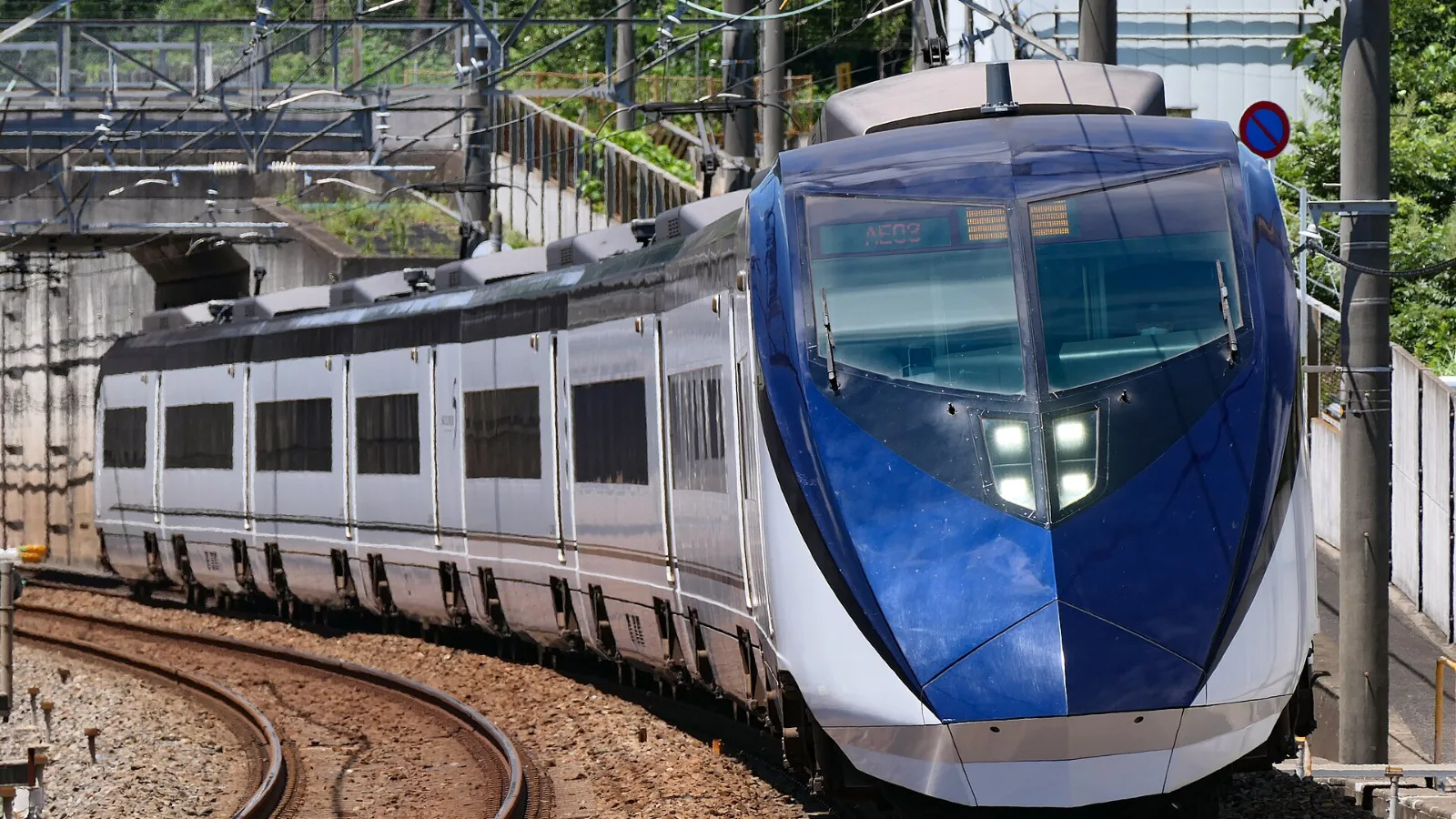
Take the Keisei Skyliner if your hotel is in Ueno, Asakusa or north-east Tokyo: it reaches Nippori in as little as 36 minutes for ¥2,580. Take the Narita Express if you are staying near Tokyo Station, Shinjuku, Shibuya or Yokohama, because it runs straight there, and the ¥5,200 round-trip ticket brings each leg close to the Skyliner fare.
 Travel Tips
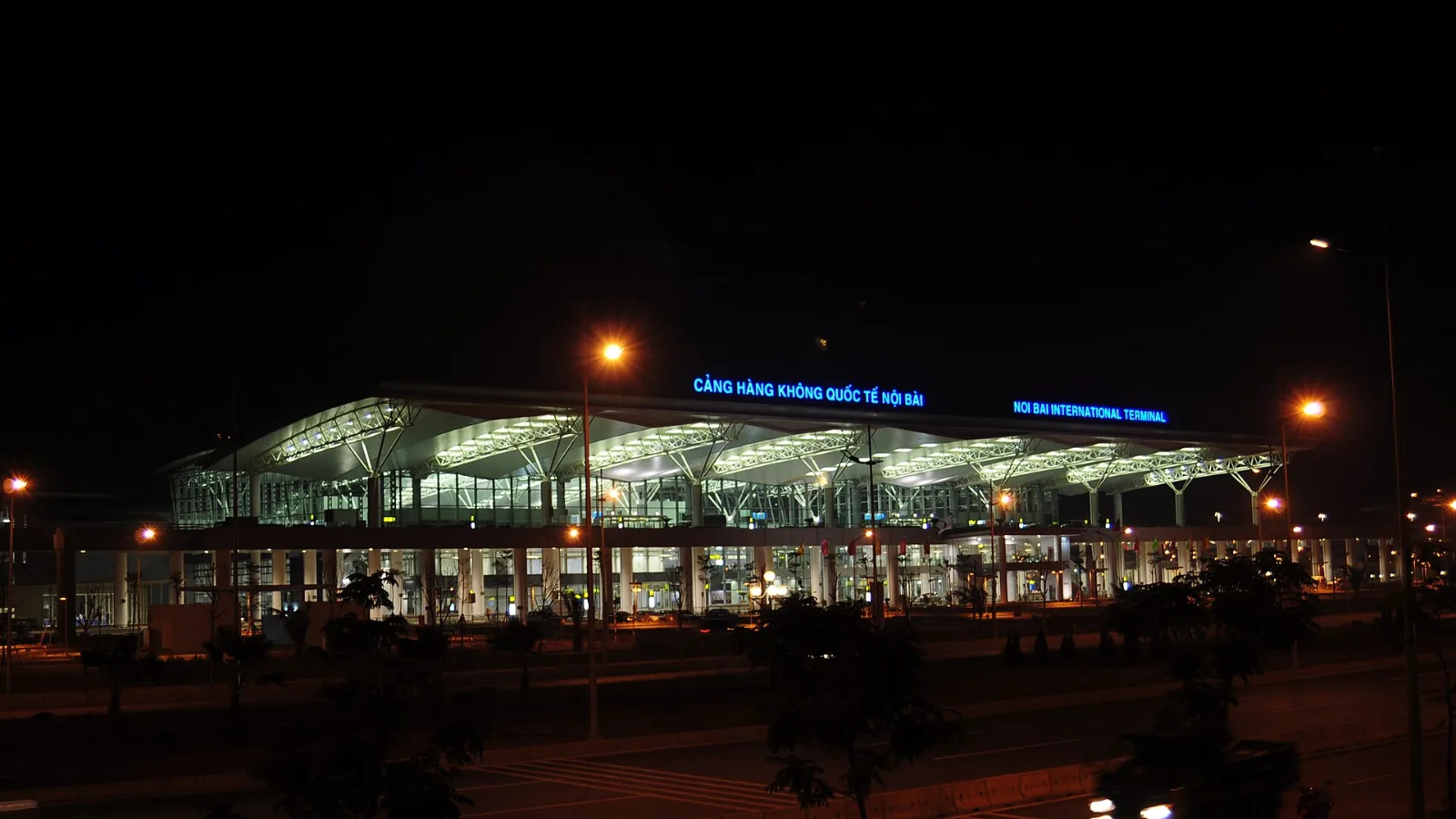
Take bus 86 if you are travelling light, land before mid-evening and are staying near Hoan Kiem Lake: it costs about 45,000 dong and takes 50 to 70 minutes. Take a Grab if there are two or more of you, you have big bags or you land late, because one car to the Old Quarter usually costs about 230,000 to 320,000 dong and drops you at the door.
 Travel Tips
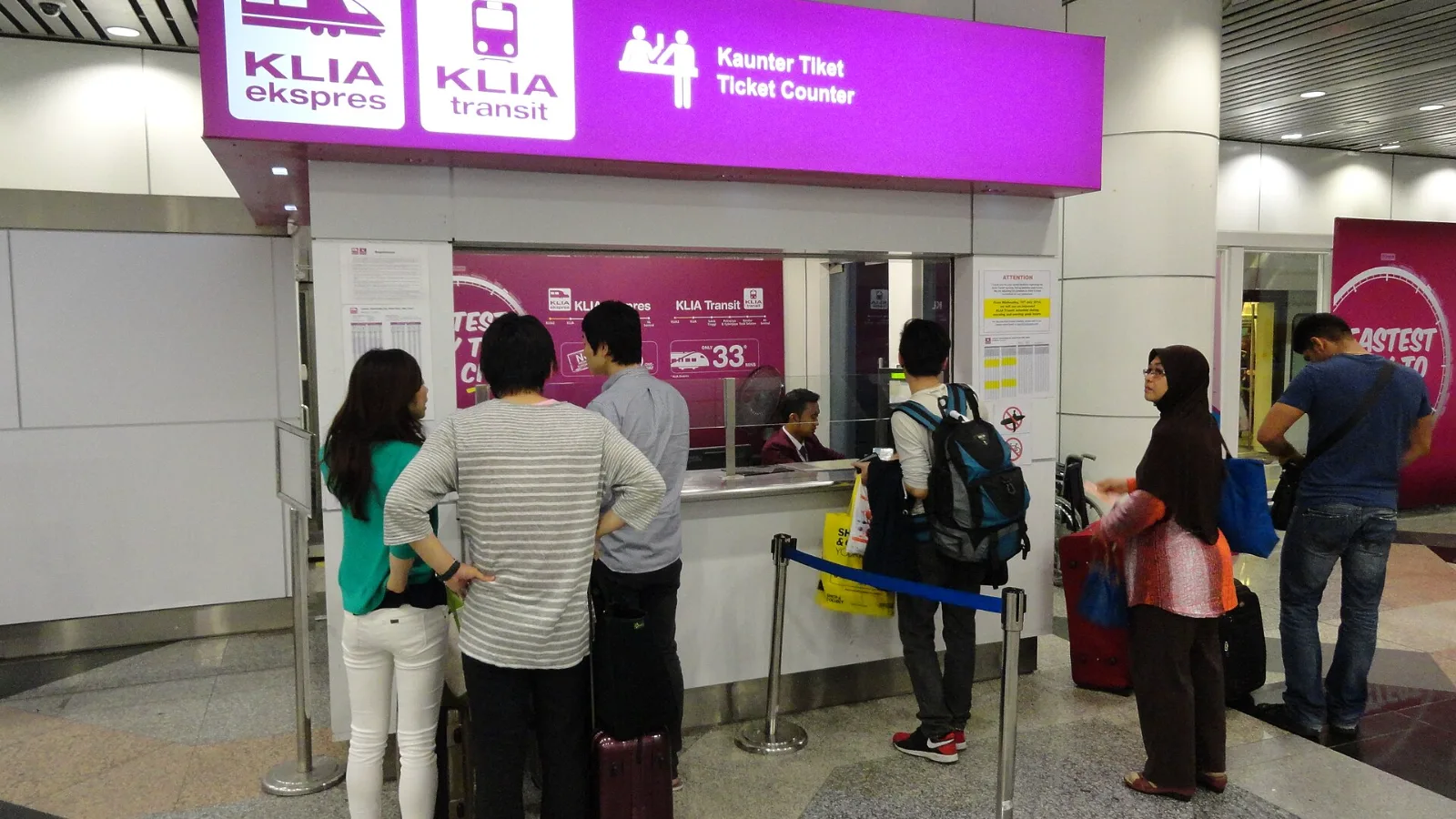
Take the KLIA Ekspres if you are travelling alone or as a pair and your hotel is near KL Sentral or a rail line: it reaches KL Sentral in 28 minutes from Terminal 1 for RM55, less 10% if you buy online. Take a Grab if three or more of you are going to a hotel away from KL Sentral, because one car fare usually costs less than three train tickets and drops you at the door.
 co:sim Team