
Back to Blog
Milan Malpensa offers free airport Wi-Fi, and the network is named MALPENSA FREE WI-FI on the airport's own service page, which describes it as free and high-speed internet access for everyone. Use it for the tasks that finish inside the terminal, then plan separately for the 50-minute train ride into Milan and everything after it. A travel eSIM such as co:sim's Italy plan installs before departure, so the handset is already on an Italian network when the cabin doors open.
The airport's Malpensa free Wi-Fi page publishes the network name and the promise behind it: free, high-speed internet access for everyone. That page does not publish a session cap, a registration requirement or a speed figure, so any specific minute or megabit number quoted on a third-party site is unverified. Read the captive-portal wording on the day and trust that over a blog.
The practical routine is the one every open airport network shares. Check the name against terminal signage before you join, because the SSID is the only thing separating the official service from a lookalike hotspot sitting next to it in the list. Accept the terms when the portal appears. If the portal never appears, open a browser and request any plain HTTP address to force it.
Decline anything beyond a terms screen. A legitimate airport portal does not need a device-management profile, an app install or a banking password, and a prompt asking for one is a reason to disconnect rather than to comply.
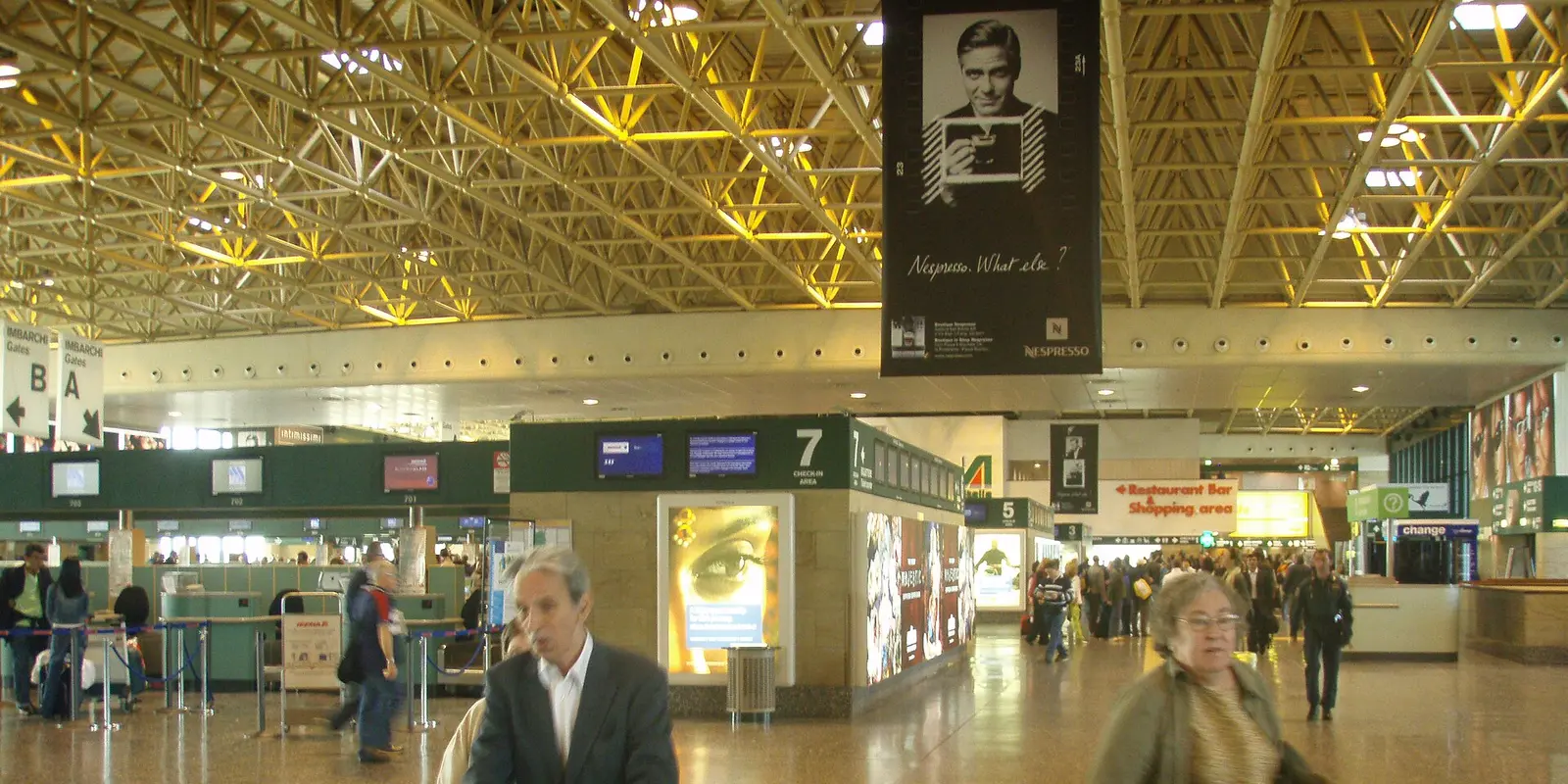
Malpensa sits well outside the city, which is what makes the terminal-only limit bite harder here than at a close-in airport. The gap between the Wi-Fi ending and your accommodation beginning is measured in tens of minutes, not a short taxi ride, and it is exactly the window in which you want live departure boards, a map and a messaging app.
Trenord's Malpensa Express is the rail link, and its Terminal 1 page gives the numbers. The route between Milano Centrale and Malpensa Terminal 1 takes about 51 minutes. Trains between Milano Cadorna and Malpensa depart every 30 minutes and the trip takes roughly 37 minutes. The Terminal 1 station has four tracks and sits on airport floor -1, reached by an internal walkway.
Ticket offices are available too: one inside the station open 06:30 to 21:00, and one in the arrivals area open 07:00 to 21:00. Tickets can also be bought online, which is faster than queueing but needs a connection you will not have once you are past the terminal.
That last detail is the argument for arranging data before you fly rather than after you land. Buying the ticket, tracking the train and finding the right platform are all online tasks, and they all happen in the stretch where airport Wi-Fi has already stopped.

If your plan was issued in the EU or the EEA, roam-like-at-home rules generally apply in Italy. The European Commission's roaming guidance sets out how the rules work and the fair-use conditions that can still limit a long stay or an unusual tariff. Your own contract remains the decisive document; check it before you fly rather than after the first bill.
Travellers arriving from outside that area get no such protection, and the difference is large. A plan from Japan, the United States, the United Kingdom or Switzerland may bill per megabyte at a rate that turns a week of maps into a genuine expense, or may sell a day pass that is reasonable. Find out which before departure.
For network quality once you are connected, Italy's regulator AGCOM runs Misurainternet, an official measurement project that publishes comparative statistics for Italian operators. It is a better reference than a marketing claim, though it measures connection quality rather than promising signal in a specific building.
Each co:sim plan page lists the allowance, the validity, the underlying network, the billing-start rule and whether the plan accepts top-ups, so installing early does not necessarily start the clock early. Check that rule before you install, and if the line is slow to register after landing, toggle Airplane Mode and restart before deleting anything.
A trip that continues to Zurich, Nice or Ljubljana is worth comparing against the Europe regional plan rather than buying a second single-country eSIM at the border.
See co:sim Italy data-only plansNew co:sim accounts can also claim a free Italy eSIM. Claiming it requires signing in and completing a card-verification step; the card is not charged.
FREESee the free Italy eSIM offerMalpensa's own digital-services page names the network MALPENSA FREE WI-FI and describes it as free, high-speed internet access for everyone. What that page does not publish is a session cap, so treat the various minute figures circulating on third-party sites as unverified rather than authoritative, and read whatever the captive portal states on the day you travel. The limit that reliably applies is geographic: the service covers the terminals and stops when you leave them, which at Malpensa means a rail or coach journey of roughly 40 to 50 minutes before you reach central Milan. A co:sim Italy eSIM installed before departure keeps the phone online across that stretch, though it is data-only and carries no Italian number, so SMS codes still arrive on your home line.
Open airport networks are shared transport, and Malpensa's is no different. Confirm the network name against terminal signage before joining, stay on HTTPS addresses, and never click through a certificate warning to save time. A genuine captive portal asks you to accept terms and nothing more; if a screen asks for a card number, a banking password or permission to install a profile, disconnect instead of continuing. For a payment that genuinely cannot wait, mobile data at least removes an unknown local access point from the chain, although your carrier, the site and DNS remain in it. Use the provider's official app on an updated handset with multi-factor authentication enabled, then forget the network afterwards so the phone does not rejoin a lookalike automatically on the return leg.
An EU or EEA consumer plan generally follows roam-like-at-home rules in Italy, subject to the fair-use conditions the European Commission describes, so many European travellers need nothing extra. A plan issued outside that area is a different question entirely and can bill per megabyte at rates that make ordinary map use expensive. Check the daily fee, the fair-use cap and whether the allowance is shared with home data before departure. Roaming preserves your number, which matters when a bank sends one-time codes by SMS. A travel eSIM does not: co:sim sells data-only plans, so calls and texts stay on the home line or on internet apps. Running both, with data roaming disabled on the home line, is the arrangement most travellers end up with.
It helps, and the reason is connectivity rather than price. Trenord sells Malpensa Express tickets online, and buying in advance means you walk from the terminal to the Terminal 1 station on floor -1 without joining a queue. Ticket offices exist as a fallback, one inside the station open 06:30 to 21:00 and one in the arrivals area open 07:00 to 21:00, but they close earlier than some late arrivals land. The larger point is that the purchase, the live departure board and the platform number are all online tasks, and they sit in the window after the airport network has ended. Arranging data before you fly turns that whole sequence into something you can do while walking rather than something you do standing still, hunting for a signal.
Use the terminal network for what finishes in the terminal, and arrange data that follows the train, the tram and the rest of the week.
Instant delivery by email · Install before you fly
 Travel Tips
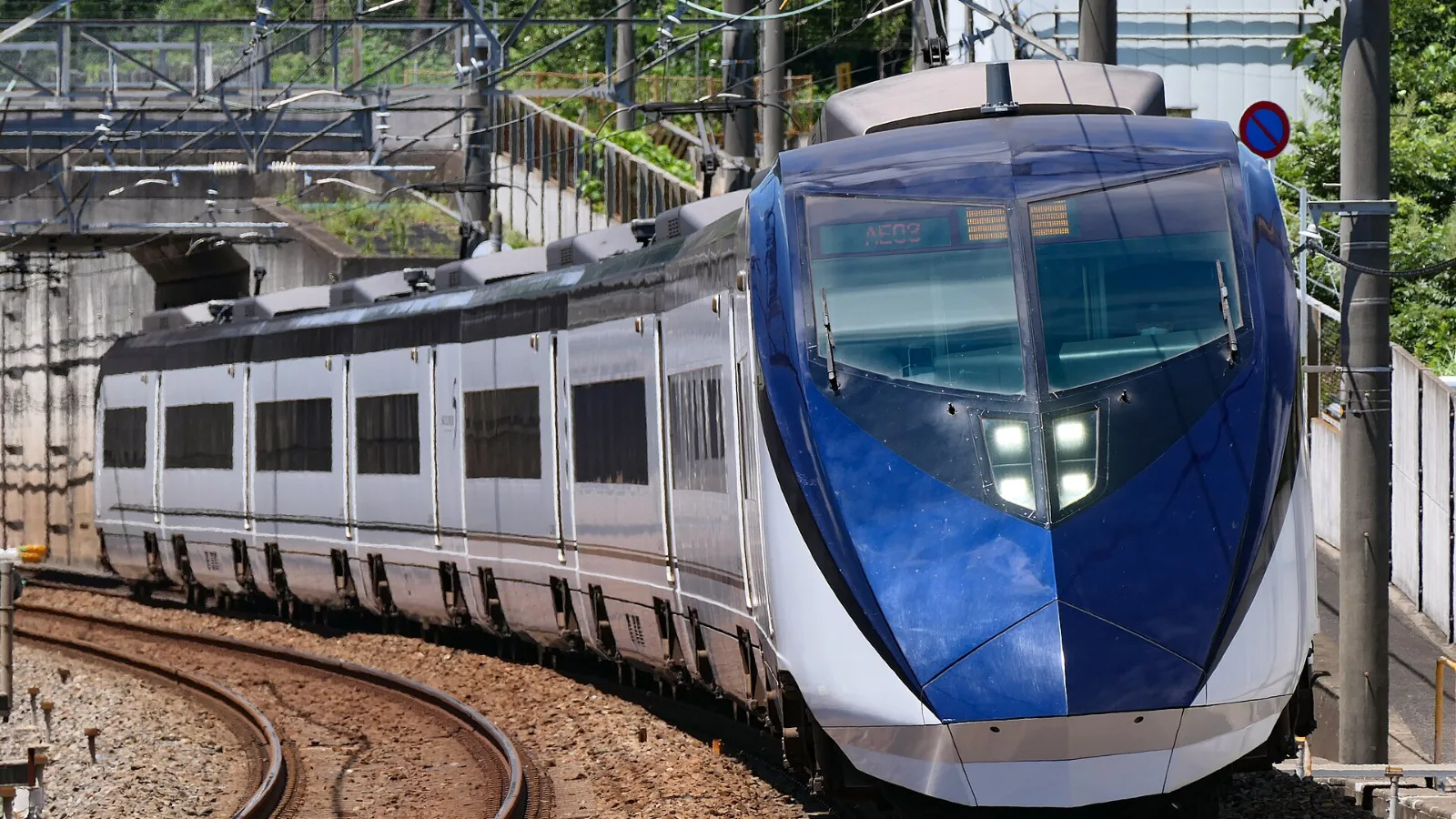
Take the Keisei Skyliner if your hotel is in Ueno, Asakusa or north-east Tokyo: it reaches Nippori in as little as 36 minutes for ¥2,580. Take the Narita Express if you are staying near Tokyo Station, Shinjuku, Shibuya or Yokohama, because it runs straight there, and the ¥5,200 round-trip ticket brings each leg close to the Skyliner fare.
 Travel Tips
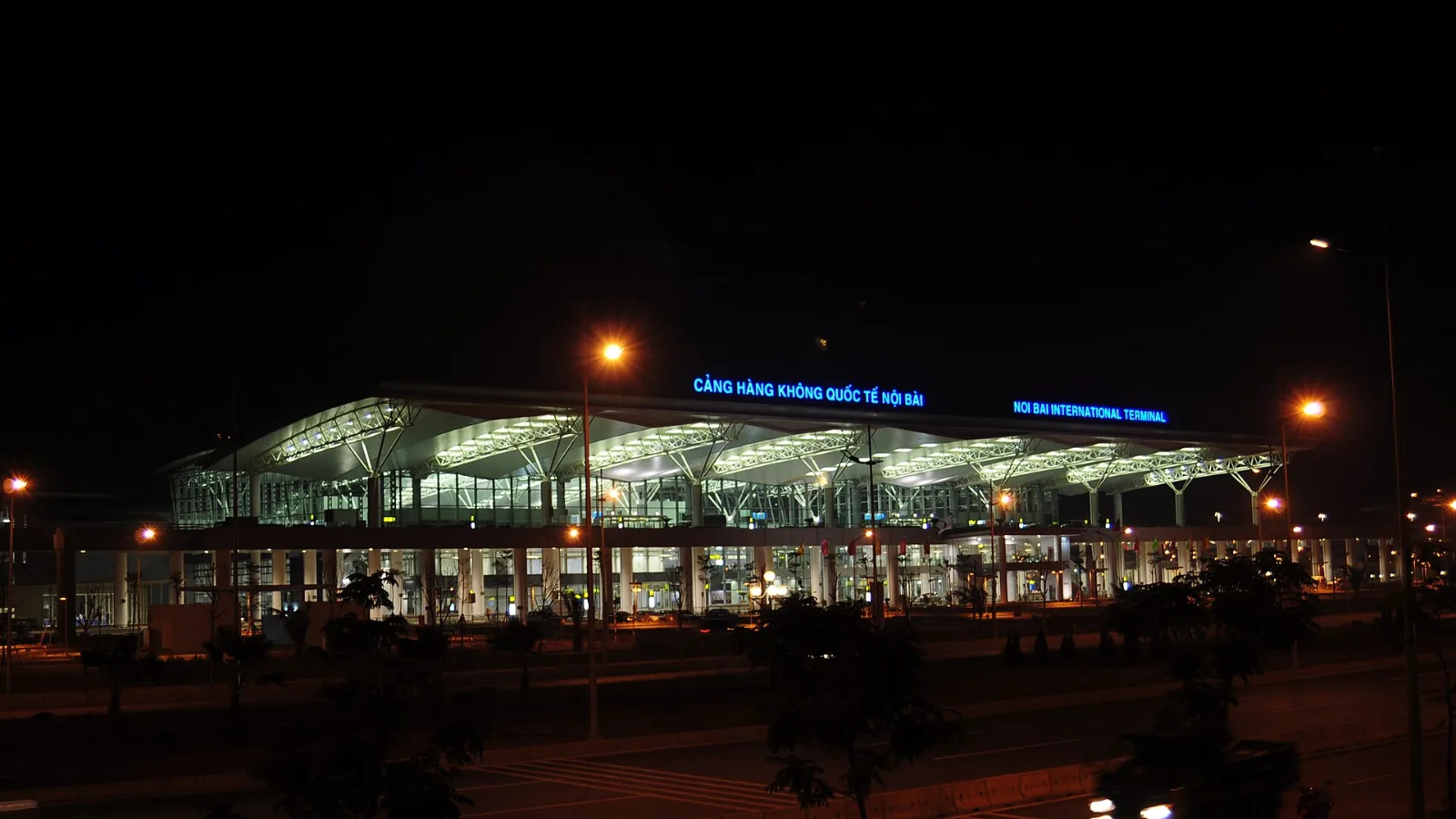
Take bus 86 if you are travelling light, land before mid-evening and are staying near Hoan Kiem Lake: it costs about 45,000 dong and takes 50 to 70 minutes. Take a Grab if there are two or more of you, you have big bags or you land late, because one car to the Old Quarter usually costs about 230,000 to 320,000 dong and drops you at the door.
 Travel Tips
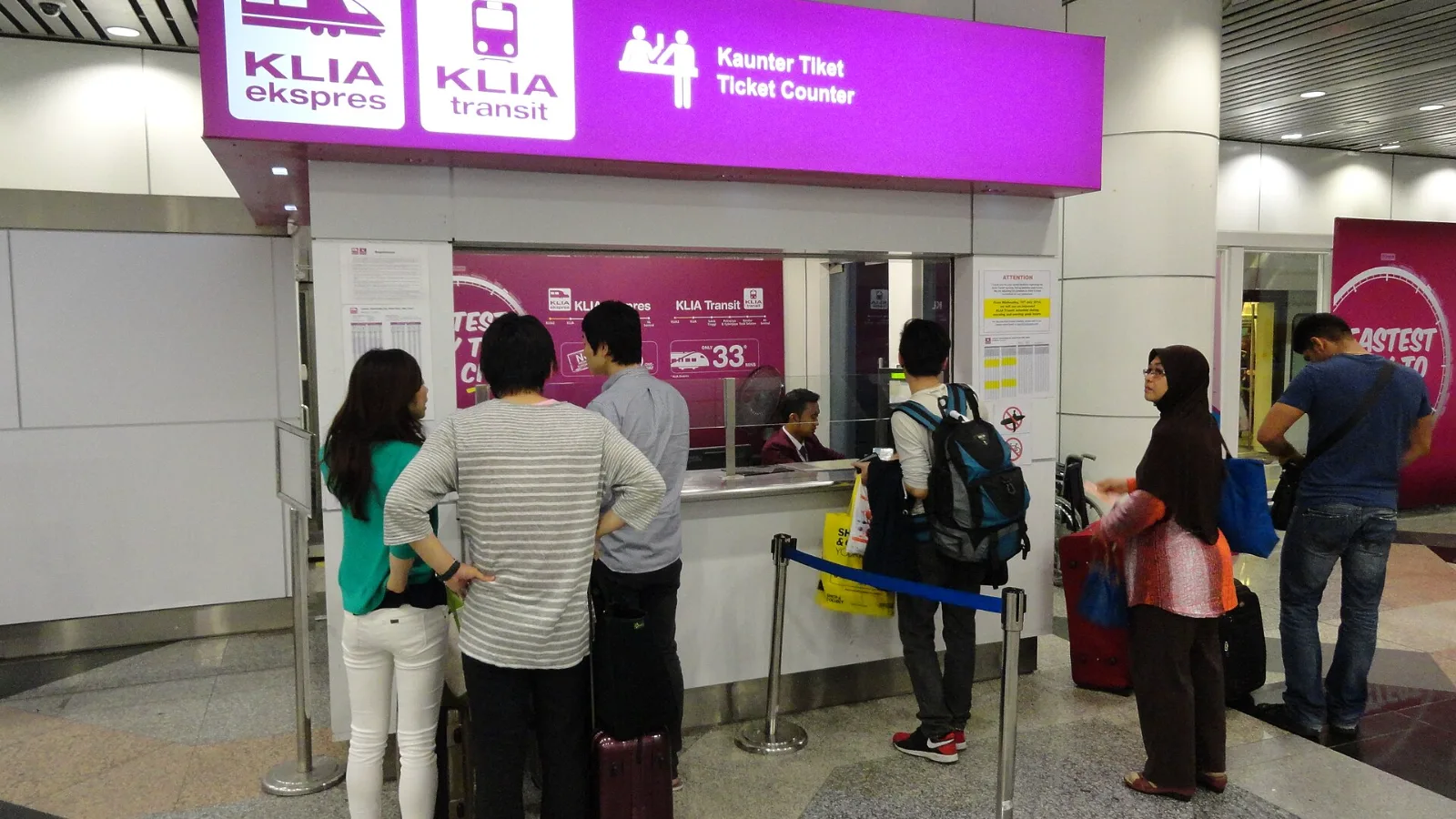
Take the KLIA Ekspres if you are travelling alone or as a pair and your hotel is near KL Sentral or a rail line: it reaches KL Sentral in 28 minutes from Terminal 1 for RM55, less 10% if you buy online. Take a Grab if three or more of you are going to a hotel away from KL Sentral, because one car fare usually costs less than three train tickets and drops you at the door.
| Option | Where it works | Strength | Limitation |
|---|
| MALPENSA FREE WI-FI | Inside the Malpensa terminals | Free, no cost to try, fine for a quick task | Ends at the terminal doors |
| co:sim Italy eSIM | Terminal, train, Milan and the rest of the trip | Installed before departure, live on arrival | Data-only, so no Italian phone number |
| EU or EEA home plan | Italy, when the plan qualifies | Keeps your number and your allowance | Fair-use conditions still apply |
| Italian prepaid SIM | Longer stays needing an Italian number | Local calls and SMS included | Shop visit plus ID after landing |
 co:sim Team