
Back to Blog
Melbourne Airport offers complimentary Wi-Fi on its Airport Free Wi-Fi network, but do not build your arrival plan around it lasting beyond the terminals. For the city, SkyBus connects the airport with Southern Cross Station; there is no operating airport rail station to board today. Use Wi-Fi to check the next transfer, then mobile data such as a co:sim Australia plan for the journey and your final address.
The airport's Wi-Fi help page says to select Airport Free Wi-Fi and describes complimentary access in public areas and gate lounges, specifically naming T2, T3 and T4. Its facilities FAQ adds a practical exception: the airport Wi-Fi service is not available in Terminal 1, operated by Qantas. If you arrive at T1, use your own connection or ask staff about current options rather than assuming the same network is present at your gate.
The airport says its free Wi-Fi is not encrypted. Use secure websites and apps, and avoid sensitive account changes on a public connection. If the sign-in step stalls, its help page recommends current device software, automatic IP settings and, where relevant, changing browser privacy settings so the access flow can load. Restore your preferred settings afterward. Save your hotel address and transfer information before you walk outside, because a terminal hotspot is not a citywide data service.
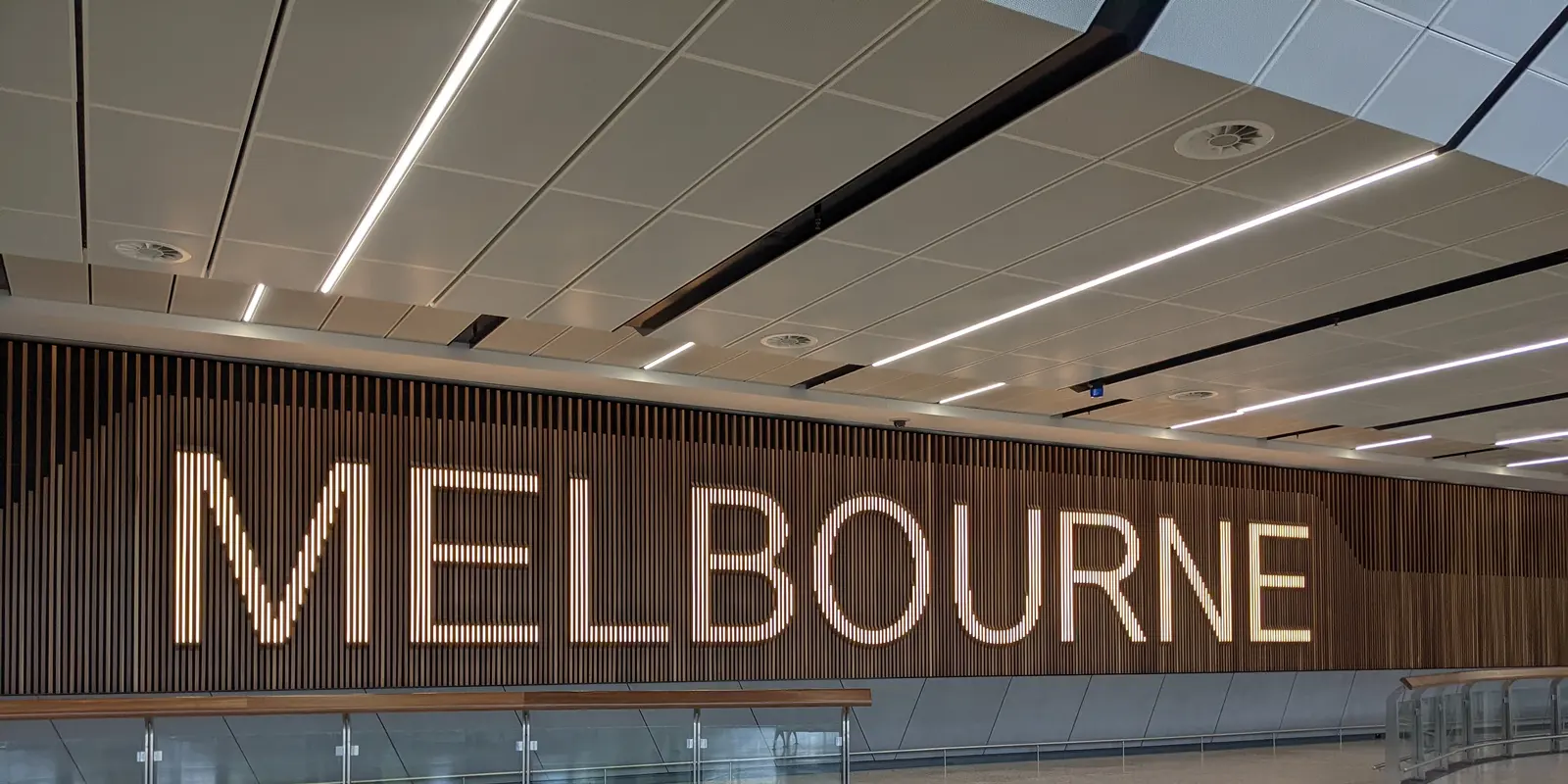
The airport's bus-services page identifies SkyBus Melbourne City Express as a direct coach to Southern Cross Station, with stops outside Terminals 1, 3 and 4. It lists daily operation from 4 a.m. to 1 a.m.; check the live timetable for your actual arrival because services and disruption notices can change. The airport rail project page discusses a future link, not an available train platform at the airport. Do not route yourself toward a rail station that has not opened.
SkyBus's own service page says tickets can be bought online, in its app or at airport kiosks, and that its coaches offer Wi-Fi. Southern Cross is a transport hub, not every traveler's final stop. Look up the walk, tram, train or second ride from there to your hotel while you still have a connection. co:sim mobile data can keep the ticket, map and host message available between the airport exit and that last leg; its eSIM does not replace a voice number for conventional calls.

Choose by your arrival time, luggage and final address rather than by a headline travel time. SkyBus is straightforward when Southern Cross is a useful interchange. The airport's ground-transport information also points to bus, taxi, ride-share and car options. A public bus may suit a route whose stops align with your destination, but it needs more itinerary checking than the city express coach. A taxi or app ride can reduce transfers for a group or heavy bags; confirm the authorized pickup location and fare method with the operator.
The most important late-arrival check is the gap in the airport's stated SkyBus schedule between 1 a.m. and 4 a.m. Do not assume the airport's free Wi-Fi can solve a transfer after the service has stopped. Save an alternative pickup plan before departure. An eSIM can be installed in advance after its QR code arrives by email, then selected for data when you land. Verify the plan page's network, activation and billing-start information for the exact plan you select. If your home carrier's roaming already suits a brief visit, that is another workable option.
For a domestic connection after an international arrival, check which terminal and airline operate the next flight before crossing the airport. The airport Wi-Fi guidance names T2, T3 and T4 but the facilities FAQ excludes T1 from that service, so a transfer between terminals can also change your connectivity options. Keep the next boarding pass and airline notice accessible offline. If a pickup is booked, send the driver your terminal and a landmark after you have collected luggage; "Melbourne Airport" alone does not identify the correct curb.
For Melbourne alone, a country plan may be enough. For an itinerary that continues to New Zealand, compare the Australia and New Zealand regional plan with separate country options and check the published destination list. Do not infer that a domestic Australian plan covers another country just because it appears in the same travel booking. co:sim plans are data-only, so messaging apps can use the connection but ordinary calls and SMS still depend on another line or service.
Keep a small offline arrival packet even with mobile data: a hotel address, the SkyBus destination, a ticket screenshot and the contact method for your accommodation. Live navigation is still useful when a stop, road pickup or city transfer changes. The airport Wi-Fi page and SkyBus page are better places to recheck operational details than an old screenshot of a timetable. The simplest sequence is to use terminal Wi-Fi where available, board the right coach or booked vehicle, then rely on your own mobile data for the final city leg.
Melbourne Airport offers complimentary Airport Free Wi-Fi, but its official pages need to be read together. The Wi-Fi help page names T2, T3 and T4 public spaces and gate lounges, while the facilities FAQ says its service is not available in Qantas-operated Terminal 1. For a T1 arrival, do not promise yourself an airport hotspot before checking local signage or asking staff. The airport also says the free service is not encrypted, so use secure apps and avoid sensitive changes on that public network. Where it works, Wi-Fi is useful for a transfer ticket, address or arrival message inside the terminal. A co:sim Australia eSIM is a separate mobile-data connection for the journey beyond the airport, provided your phone supports eSIM and the chosen plan suits your stay. Save a few essential details offline either way.
No operating airport rail station is available for this arrival. Melbourne Airport's rail link page describes a future project, while its bus-services page describes the current direct SkyBus Melbourne City Express to Southern Cross Station. The airport lists coach stops outside Terminals 1, 3 and 4 and a daily 4 a.m. to 1 a.m. operating window, so recheck the live service before you fly, especially for an overnight arrival. Southern Cross may still be a transfer point rather than your final address. co:sim mobile data can help you navigate that second leg and retrieve an electronic ticket, but save the hotel address and a pickup alternative in case you arrive while the coach is not running or your device needs troubleshooting.
No. SkyBus's Melbourne City Express page lists free Wi-Fi on board, which can help during the airport-to-city coach ride. It does not follow you to the hotel, onto a later regional train or into New Zealand. If you only need a saved address and can work offline, you may not need a separate data plan immediately. For live maps, ride requests and messages after leaving Southern Cross, choose mobile data through your home carrier or a travel eSIM. co:sim offers data-only Australia plans and an Australia–New Zealand option; check the product's actual destination coverage and device compatibility rather than buying by the regional name alone. An eSIM gives no new phone number, so keep a separate calling plan if your accommodation or transport provider expects a normal call.
For the airport transfer and city arrival, compare co:sim Australia data options with your full itinerary.
View Australia eSIM plansInstant delivery by email · Install before you fly
 Travel Tips
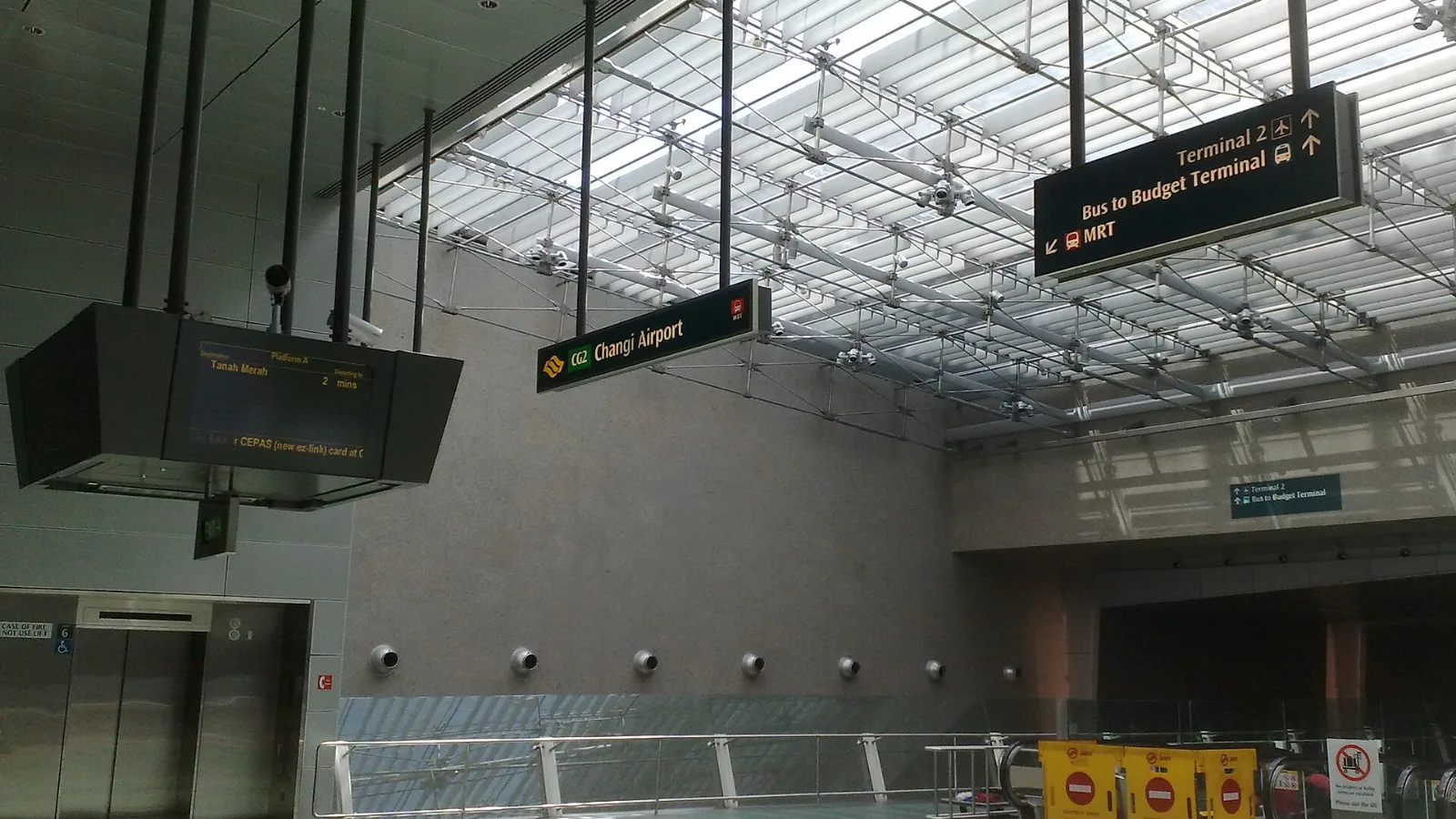
Take the MRT if you are one or two people staying near a train line: it costs about S$2 to S$3 and takes 35 to 50 minutes with one change. Take a Grab or taxi if three or more of you are sharing, you land at Terminal 4 or after the last train, because a car to the city takes about 30 minutes and usually costs S$25 to S$45.
 Travel Tips
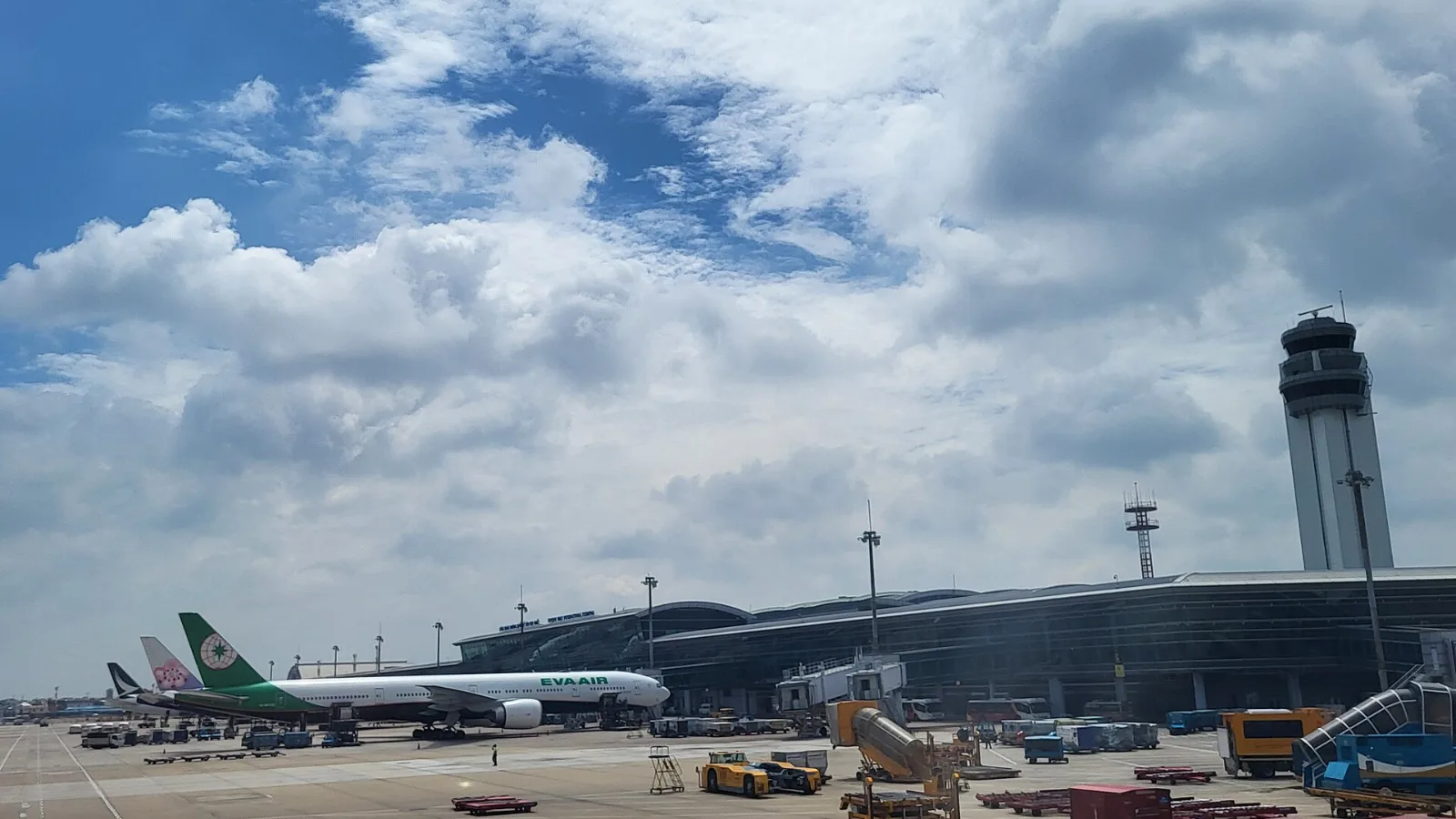
Take a Grab if you land at international Terminal 2, have a suitcase or are two or more people: a GrabCar to District 1 usually costs about 150,000 to 250,000 dong. Take bus 109 only on a tight budget with light luggage, because since 2025 it leaves from domestic Terminal 3, not the international terminal.
 Travel Tips
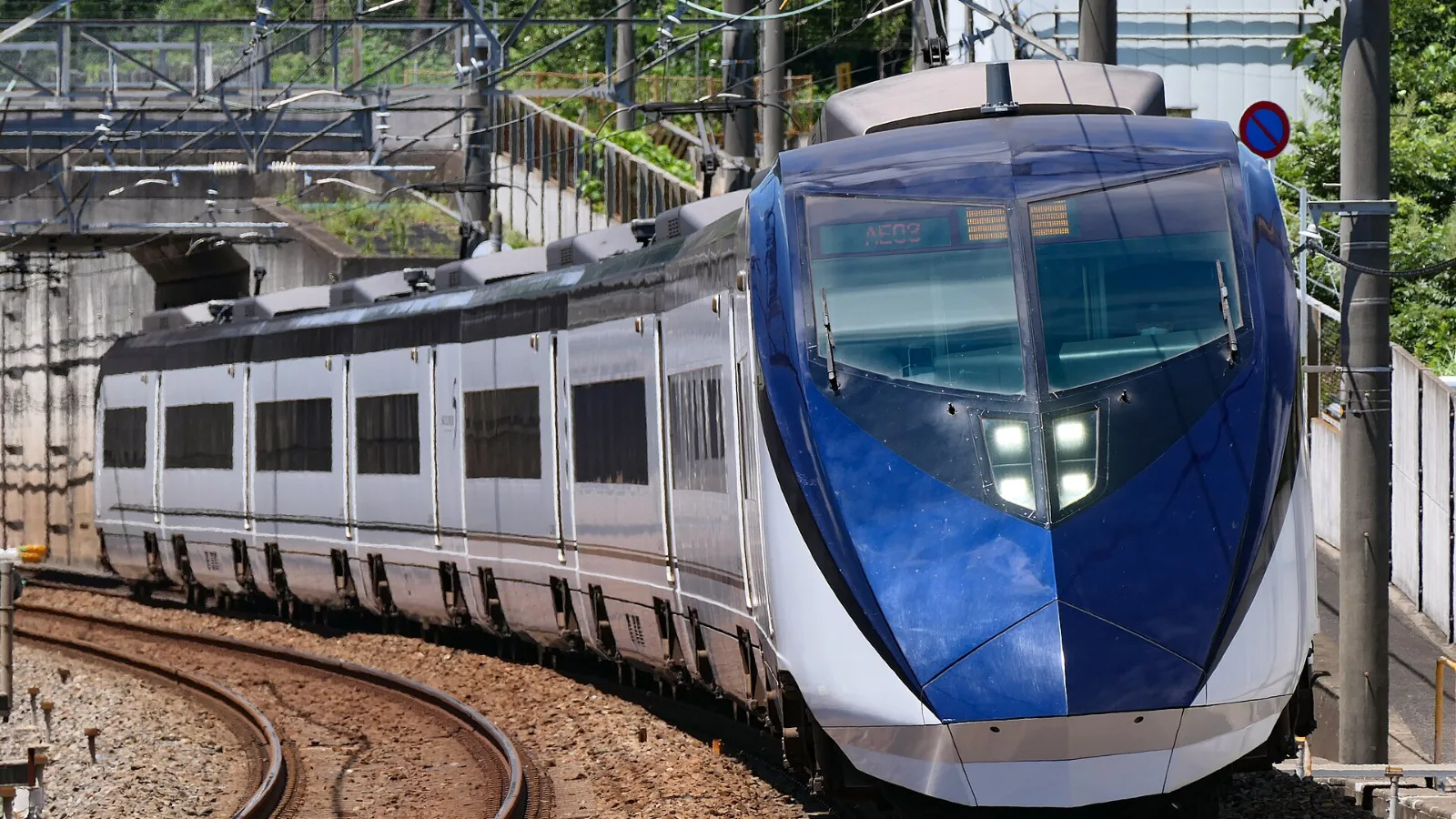
Take the Keisei Skyliner if your hotel is in Ueno, Asakusa or north-east Tokyo: it reaches Nippori in as little as 36 minutes for ¥2,580. Take the Narita Express if you are staying near Tokyo Station, Shinjuku, Shibuya or Yokohama, because it runs straight there, and the ¥5,200 round-trip ticket brings each leg close to the Skyliner fare.
 co:sim Team