Back to Blog
For a Malaysia to Thailand train eSIM, choose a plan that explicitly covers both countries, then keep tickets and border paperwork offline. co:sim's Singapore–Malaysia–Thailand bundle is one verified option for KL to Bangkok; separate country plans also work. Neither choice guarantees uninterrupted reception inside trains or at immigration.
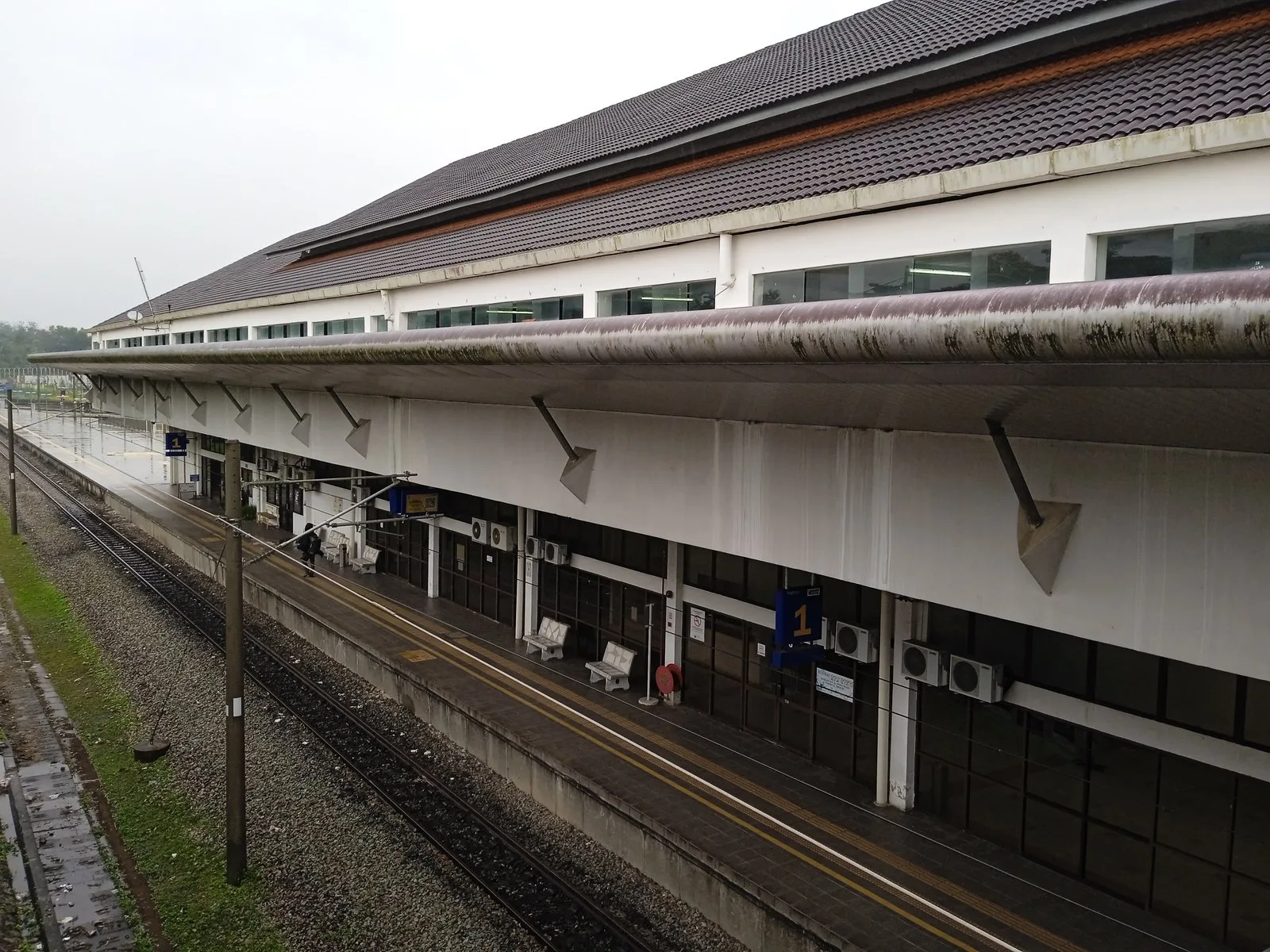
Treat this journey as connected railway legs, rather than one ticket from Kuala Lumpur to Bangkok. KTMB's ETS information lists KL Sentral–Padang Besar among its routes. Padang Besar is the border interchange where Malaysian and Thai services meet. A Penang stop adds a Butterworth leg; it does not eliminate the border transfer.
For the Thai section, decide whether you want a Hat Yai stop or an onward sleeper connection. Seat 61's Malaysia rail guide explains both the Padang Besar interchange and onward travel toward Bangkok. Use it to understand the route, then check the actual service date and ticket conditions with the railway before paying. A timetable screenshot from someone else's trip is not a reservation.
| Journey segment | What to save before boarding | Connectivity decision |
|---|---|---|
| KL Sentral to Padang Besar | ETS ticket, carriage and seat, border connection details | Malaysian coverage is needed first |
| Optional Penang stop via Butterworth | Hotel address and onward ticket | Check whether the plan lasts through the stopover |
| Padang Besar interchange | Passport details, arrival paperwork, Thai ticket | Expect a network registration change |
| Hat Yai stop or onward sleeper | Platform information and accommodation contact | Thai coverage must be included |
| Bangkok arrival | Actual arrival station and onward transport map | Do not assume your train ends at Hua Lamphong |
The same rail guide identifies Krung Thep Aphiwat as the station for the relevant long-distance Bangkok services. Confirm your own ticket's arrival station before choosing a hotel pickup. A driver waiting at a different Bangkok station is a much bigger problem than a slow map download.

Compare the Malaysia plans and Thailand plans with the regional option below. Two national plans suit an itinerary with different data needs in each country. One regional profile is simpler when you want to keep the same mobile-data line selected across the border.
The live Singapore–Malaysia–Thailand package record explicitly lists MY and TH in its coverage. Its supplier-reported network list names CelcomDigi, Maxis and U Mobile in Malaysia, and DTAC and TrueMove H in Thailand. These are the allowed host networks for that package, not a promise that every tower or every handset will provide the same service. Check the exact plan you select because other packages can use different partners.
| Option | Useful when | Trade-off |
|---|---|---|
| co:sim regional data-only eSIM | You want one profile for the rail corridor | Included countries do not guarantee continuous trackside reception |
| Separate Malaysia and Thailand eSIMs | You want to choose allowance and duration separately | You must select the correct data line at the border |
| Home-carrier roaming | Your existing bundle explicitly includes both countries | Check your own carrier's limits and charges |
| Station or hotel Wi-Fi | You can wait until the next stop | It cannot be your only access to immigration documents |
Regional coverage is about where the profile may register. Plan duration is a separate question. Read the billing-start rule before installing or enabling it: an allowance used during your Malaysian sightseeing is not reset merely because the train reaches Thailand. Choose duration for the complete trip, including any Penang or Hat Yai stay.
Download the ETS ticket, Thai onward ticket, accommodation address, and any arrival confirmation to the phone's local storage. Open each file with airplane mode on. A document sitting only in an email inbox or cloud folder is not an offline copy.
Thailand's official Digital Arrival Card manual says the TDAC applies to non-Thai arrivals by land, air or sea, and explains submission and updating. Check the official portal's current eligibility, exceptions and submission window for your journey. The card is not a visa, and buying an eSIM does not establish your right to enter Thailand.
Enter the land-arrival and accommodation details that match your actual journey. If the onward booking changes, review whether the arrival information needs updating. Keep your passport and tickets accessible while following staff instructions; the exact border procedure can vary with the service and operating arrangements.
Malaysia and Thailand use different local times, as the rail guide explains. Record the time zone beside each connection rather than trusting the phone's automatic clock during a cross-border network change. Leave a generous connection margin and ask the operator how missed onward services are handled. This guide deliberately does not freeze departure times, fares or border opening hours.
Check that the exact handset supports eSIM (embedded SIM) and is carrier-unlocked. Apple's travel-eSIM guidance explains compatibility, unlocked devices and travel data settings. Android labels vary by manufacturer, so locate the equivalent SIM manager before boarding.
With reliable Wi-Fi, follow the installation instructions delivered with the order. co:sim sends the QR code by email and shows the selected plan's billing-start rule, activation deadline and top-up support. Installation and the start of billing are separate events whose relationship depends on the package; do not assume every plan starts only on arrival.
A data-only plan supplies internet access, not a local telephone number or conventional voice/SMS service. Download your messaging app before departure, keep its existing account, and confirm how to contact your hotel when data is unavailable. Do not rely on receiving a bank verification message through the travel eSIM.
Once you are clear of immigration and safely waiting, check that the intended travel line is enabled and selected for data. Let it register before changing settings repeatedly. Airplane mode followed by reconnection can prompt another registration attempt; it cannot create coverage where no supported network reaches the train.
If separate profiles are installed, switch to the Thailand profile rather than deleting the Malaysia profile. If a regional profile is installed, keep it selected and check its remaining allowance and validity. Follow the supplied APN instructions exactly if an APN is required. Do not copy an unrelated provider's settings from a forum.
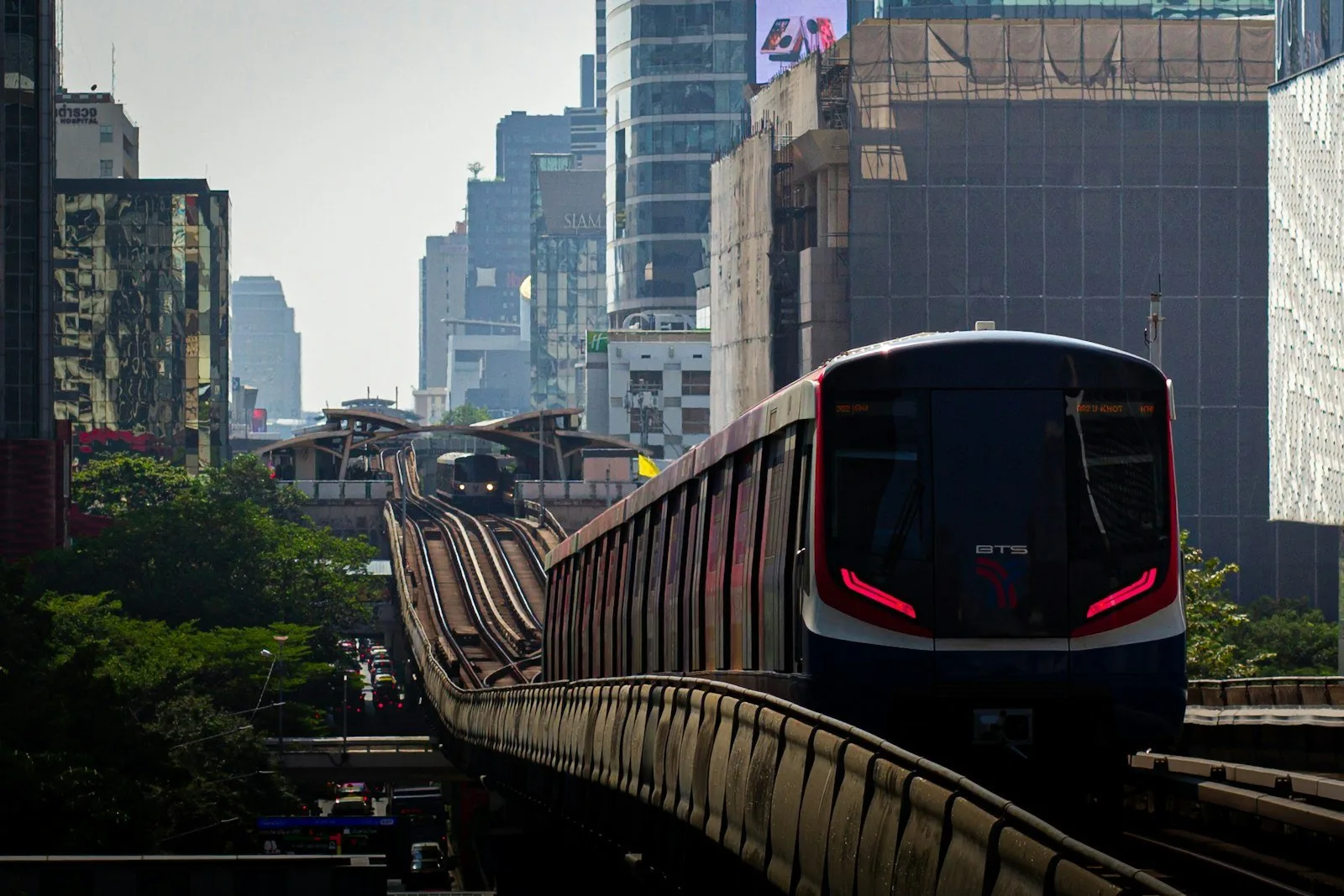
Avoid diagnosing speed while the train is moving between cells. Try a simple text message or small webpage at the next stop. Save large uploads for trusted accommodation Wi-Fi, and keep an offline city map for arrival. A working connection in KL does not establish reception in every rural segment or in the sleeper carriage.
One eSIM can stay selected on a Kuala Lumpur–Bangkok journey when the exact package includes both Malaysia and Thailand and remains within its allowance and validity. co:sim's verified Singapore–Malaysia–Thailand package lists both countries, so a traveler can keep that regional data profile selected instead of manually choosing a second national profile. The phone still changes host networks; a brief interruption or longer gap at the border is possible. Country inclusion does not prove that the train carriage, station building or every rural section has reception. Check the selected package's network list and billing-start rule before departure, save border documents offline, and leave home-line automatic data switching disabled. If the profile stops connecting, check the intended line and remaining plan first, then follow the supplied roaming or APN instructions. Removing the eSIM is not a sensible first troubleshooting step.
A regional eSIM does not replace immigration paperwork for a Malaysia–Thailand train trip. Passport eligibility, visa requirements where applicable, and Thailand's arrival-card process are separate from mobile connectivity. The official TDAC manual includes land arrivals and states that the arrival card is not a visa. Use the official portal for the current requirements that apply to your passport and crossing, and save confirmations locally before leaving Kuala Lumpur. co:sim provides mobile data after successful network registration, not permission to enter either country or a guaranteed connection in the immigration area. Carry accommodation details and onward tickets in a form you can show without internet access. Check time zones and connection arrangements separately with the railway. If the train or accommodation booking changes, review the arrival information rather than assuming the previously submitted details remain correct for the revised journey.
Station Wi-Fi can supplement a KL-to-Bangkok trip, but it should not be the only way to retrieve rail tickets, arrival confirmations or the hotel address. Access may require a sign-in, fail on the platform, or disappear as soon as the train leaves. Download the documents and maps over a trusted connection and test them in airplane mode. A data-only travel eSIM is useful for messaging the hotel, checking changed transport arrangements and loading a small webpage when a supported network is reachable. It does not supply a local telephone number, and a coverage list does not establish reception inside every carriage. Keep a written pickup plan and contact details as well as digital files. For ordinary sightseeing, postpone video uploads and software updates until accommodation Wi-Fi is available instead of making the rail journey depend on constant mobile data.
Before booking, compare the complete journey against co:sim's country list and billing rules. If testing a trial offer, read its live eligibility and allowance: the offer requires sign-in and a valid card for verification, with no charge to that card. A trial is not a promise of data for the entire rail trip.
FREEMalaysia free-eSIM offer FREEThailand free-eSIM offer Compare co:sim Singapore–Malaysia–Thailand plansInstant delivery by email · Install before you fly
 Destination Guides
A practical seven-day rail route through Seville, Cordoba and Granada, with an Alhambra-first booking order and a Cordoba day-trip alternative.
 Destination Guides
Choose a Tokyo and Kyoto route that works beyond peak flowers, keep visits adjustable, and prepare bookings and mobile data without inventing 2027 bloom dates.
 Destination Guides
A suggested five-day rail-and-bus route with two Taipei nights, a Taichung stop and a Sun Moon Lake overnight, plus essential station and return-day checks.
 co:sim Team