Internet in Morocco for Tourists: Staying Connected in the Desert and Mountains
 co:sim Team
Internet in Morocco is reliable in the cities and along the highways, but the connectivity story changes completely once you leave them: a Sahara desert camp near Merzouga can go fully offline for the night, a Toubkal trek loses signal above Imlil village, and the classic Marrakech-to-Merzouga road trip crosses long stretches where the towns have bars and the canyons in between don't. If your itinerary includes any of these (sleeping in the dunes, trekking in the High Atlas, or the multi-day drive south), plan your connectivity around the route, not just the country. This guide covers exactly where signal holds, where it drops, and how to set up a data-only eSIM (embedded SIM — a digital profile installed on your phone instead of a physical card) like co:sim's Morocco plan before you go, so you're not hunting for a telecom shop in Ouarzazate.
#What are your internet options for a Morocco trip?
Three national carriers cover the country: Maroc Telecom (also called IAM), Orange Morocco, and Inwi. All three sell tourist SIMs at Marrakech and Casablanca airport counters, and all three run real 4G networks in cities and along the main highways. The differences show up once you leave the pavement, which is the whole subject of this guide.
The alternative to queueing at an airport SIM counter after a long flight is a data-only eSIM you install before you leave home. co:sim's Morocco eSIM plans run on a named local network, arrive by email within seconds of checkout, and activate only once you turn on data roaming after landing — useful if your flight gets in late and the airport counters have already closed for the night. Because it's data-only, it carries no Moroccan phone number; calls and texts route through messaging apps over the same data connection instead.

#Will you have signal in the Sahara desert camps?
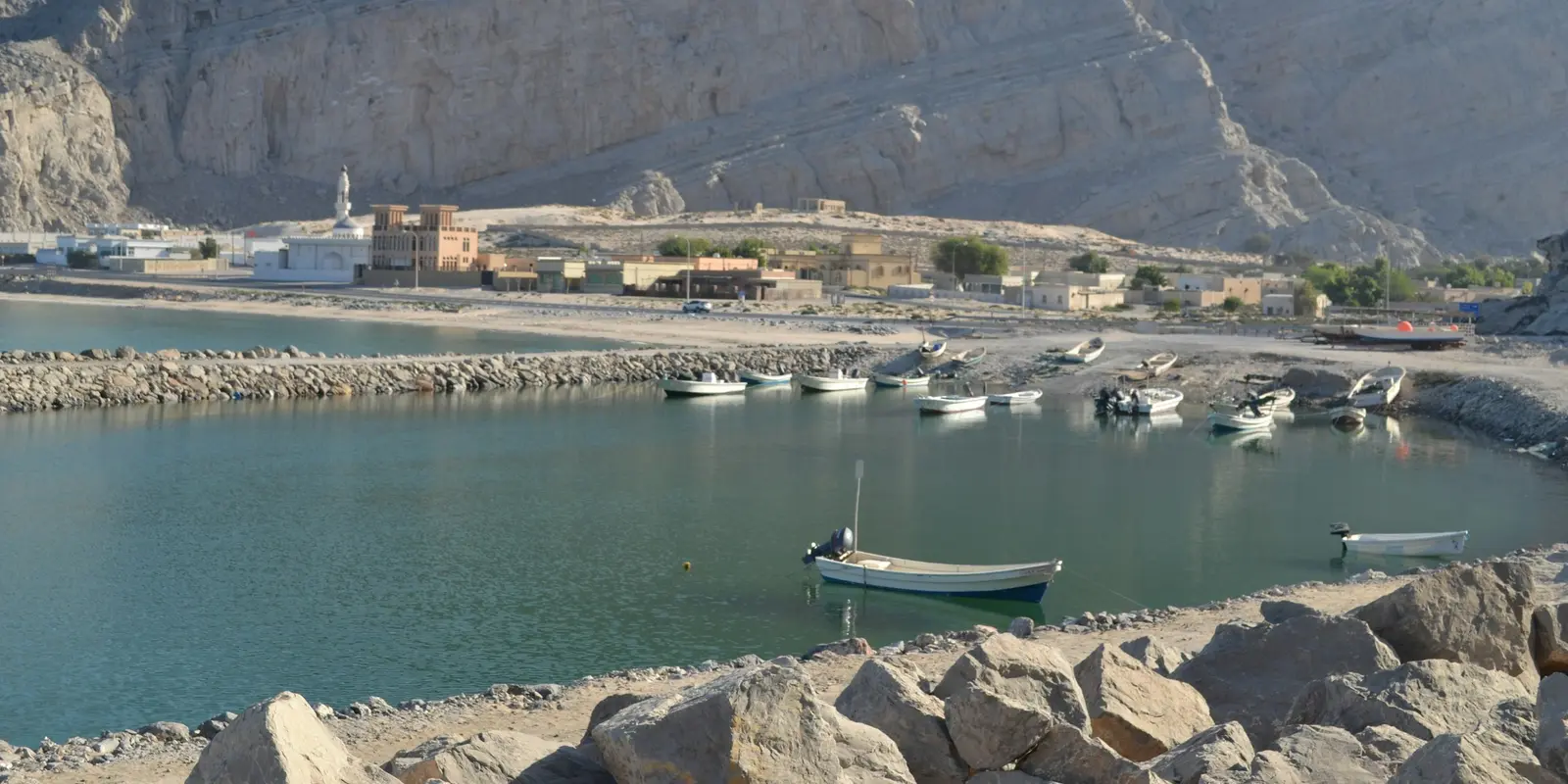
Merzouga and Erg Chebbi are the most-visited and best-connected Sahara access points: the town itself gets a normal 4G signal from Maroc Telecom and Orange, and most travelers reach it easily. Drive 15-20km further into the dunes toward an actual desert camp, though, and signal turns patchy on every carrier — deep camps typically have none at all. Some luxury camps offer slow satellite Wi-Fi in a shared tent, but standard and mid-range camps usually offer nothing, according to both a long-running Morocco travel guide and a more recent connectivity-focused writeup.
Zagora and Erg Chigaga, further south and more remote than Merzouga, are worse for connectivity. Travelers camping there should plan to be offline for one to two full nights, not just a few patchy hours. Maroc Telecom is the carrier most consistently cited as reaching furthest into these routes, though "furthest" still means the town, not the tent. Download offline maps and let anyone expecting to hear from you know you'll be unreachable overnight — the disconnect is normal here, not a sign anything's wrong with your plan.
#Does your phone work while trekking in the Atlas Mountains?
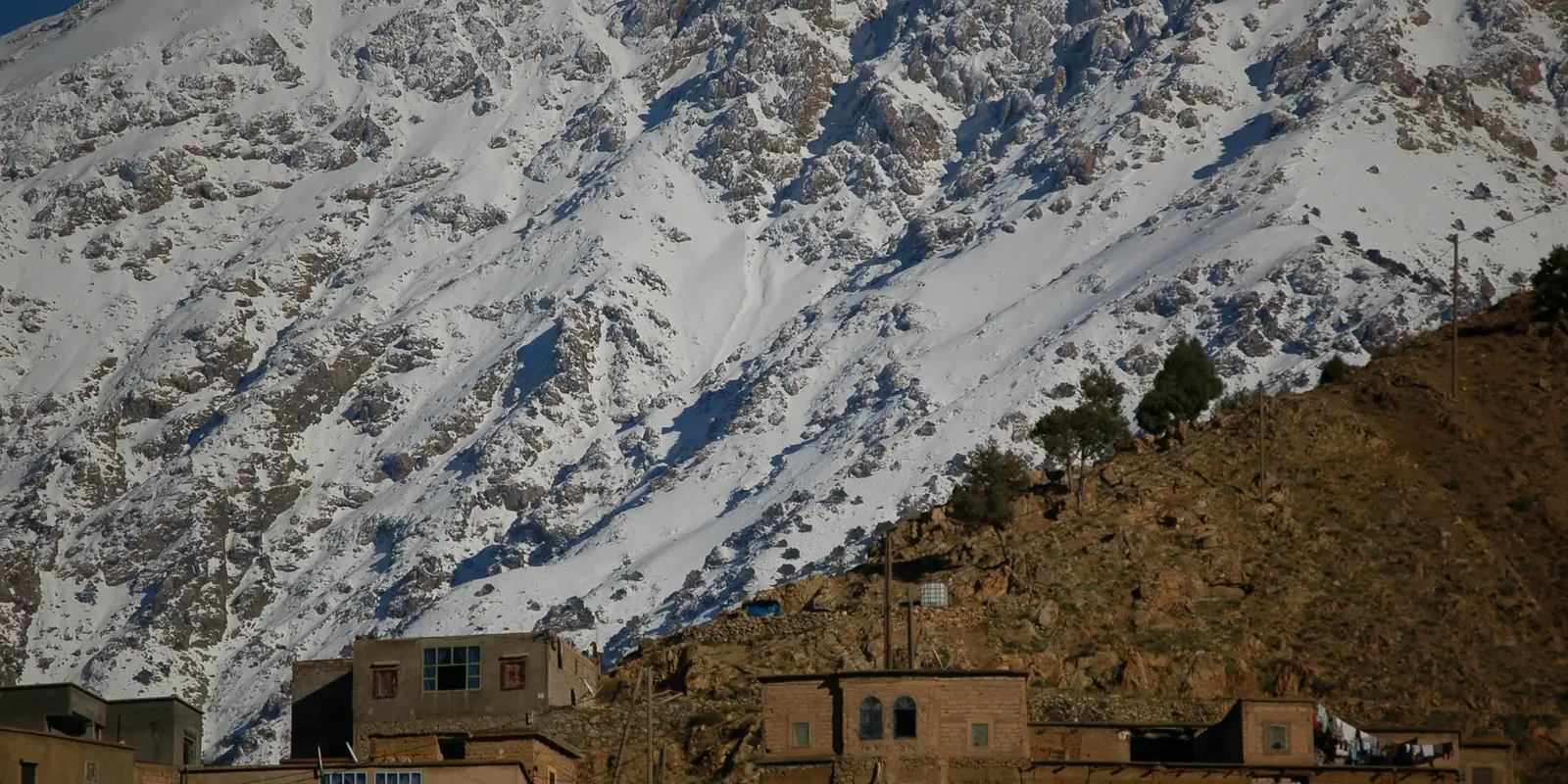
Imlil, the usual gateway village for Jebel Toubkal treks, has decent Maroc Telecom 3G/4G — guided trekking outfits routinely coordinate logistics over WhatsApp from there. Signal weakens as you climb, and the Toubkal refuge itself, where most trekkers overnight before a summit push, has no cellular coverage at all. Expect to be fully offline from the point you leave Imlil until you're back down in the village, regardless of which of the three networks your eSIM or SIM runs on.
Coverage in more remote Atlas valleys is inconsistent for the same reason: the same connectivity guide notes that areas like the Ait Bougmez valley have limited signal no matter the provider. A power bank is worth packing regardless of network — cold mountain air drains phone batteries faster even when there's no signal draining them by searching for one.
#What about the Marrakech-to-Merzouga road trip corridor?
The classic route runs Marrakech, over the Tizi n'Tichka pass, past Ait Ben Haddou, into Ouarzazate, through the Dades and Todra valleys, and on to Merzouga — roughly 560km, usually driven over two to three days rather than in one push, per a detailed route breakdown. Coverage along it follows a clear pattern: solid 4G in every town you'd actually stop in (Ouarzazate, Tinghir, Erfoud), with drops over the Tizi n'Tichka pass itself and, notably, inside the narrower stretches of the Dades and Todra gorges.
That gorge detail matters because it's easy to misjudge: both gorges have signal at their entrances, where the road is wide and the rock walls haven't closed in yet, but it drops once you're inside the canyon proper, per the same source cited above for Sahara and Atlas coverage. A driver who checks maps at the gorge mouth and assumes the connection holds for the next 20 minutes of narrow canyon road will find out otherwise. None of this requires special planning if you're on a data-only eSIM rather than swapping physical SIMs at every town — the profile stays installed through every dead zone and simply reconnects once you're back in range.
#How do you set up an eSIM before any of these routes?
Install the eSIM at home over Wi-Fi before you fly; several of the dead zones above have no Wi-Fi to fall back on if you've left it for later. Keep it inactive until you land in Marrakech, then switch on data roaming. Every co:sim plan page names the underlying Moroccan network, the install deadline, and whether the plan is reloadable, so you know in advance which of the three carriers' rural reach you're actually relying on for the desert or mountain legs of the trip.
Browse co:sim's Morocco eSIM plans#FAQ
#Will I have any phone signal in the Sahara at night?
In the towns bordering the desert (Merzouga, Zagora), yes — normal 4G from Maroc Telecom and Orange reaches those towns without issue. Once you're actually at a desert camp among the dunes, expect little to no signal: driving even 15-20km off the paved road into the Erg Chebbi or Erg Chigaga dunes puts most phones out of range of every Moroccan carrier. A minority of luxury camps offer slow satellite Wi-Fi in a communal tent, but standard camps typically have none. Camps around Zagora are more remote than Merzouga and travelers there should plan on one to two fully offline nights, not just a quiet evening. Download offline maps and tell someone your schedule before you lose signal, since this disconnect is the norm rather than a fault with any specific network or plan.
#Which network works best for Atlas Mountains trekking?
Maroc Telecom is the carrier most consistently recommended for the High Atlas, including the Imlil-to-Toubkal corridor and remote valleys like Ait Bougmez, based on multiple current connectivity guides to the region. That said, "best" still has hard limits: Imlil village itself gets decent 3G/4G on Maroc Telecom, but the signal fades as the trail climbs, and the Toubkal mountain refuge where most trekkers stay overnight before a summit attempt has no cellular coverage at all, on any of the three national networks. Treat any Atlas trek above village level as offline time by default, and plan accordingly — download trail maps in advance and agree on a check-in point with anyone tracking your progress rather than counting on a signal bar appearing partway up.
#What's the best eSIM for a Marrakech-to-Sahara road trip?
A data-only eSIM like co:sim's Morocco plan is a practical fit for this kind of multi-stop itinerary, because the same installed profile covers Marrakech, Ouarzazate, the Dades and Todra valleys, and Merzouga without switching SIM cards at each stop or re-registering with a local shop along the way. It reconnects automatically once you're back in range after a gorge or mountain-pass dead zone, and the plan page states upfront which of Morocco's three networks it runs on and how many days you have to install and activate it after purchase. It won't create signal where none exists in a desert camp or a mountain refuge, but it removes every other friction point on a route that already has enough logistics to plan around.
#Do I need to buy a new SIM in every town along the route?
No — that's specifically a physical-SIM problem, and it's one reason a data-only eSIM suits a multi-stop Morocco itinerary better than hopping between local SIM shops. Once installed, a plan like co:sim's stays on the same profile for the entire trip, reconnecting to its network automatically anywhere that network has coverage, from Marrakech to a highway stop outside Ouarzazate to the edge of Merzouga. You're not re-registering a new card or waiting in a shop queue in each town; the plan you installed before departure keeps working everywhere its underlying network reaches, and simply goes quiet in the same dead zones a fresh local SIM would hit anyway.
A Sahara camp, a Toubkal trek, and the road between them all share the same rule: coverage is genuinely good in Morocco's towns and highways, genuinely absent in specific, well-documented pockets, and installing a co:sim eSIM before you leave means the only thing you have to plan around is the terrain itself.