Back to Blog
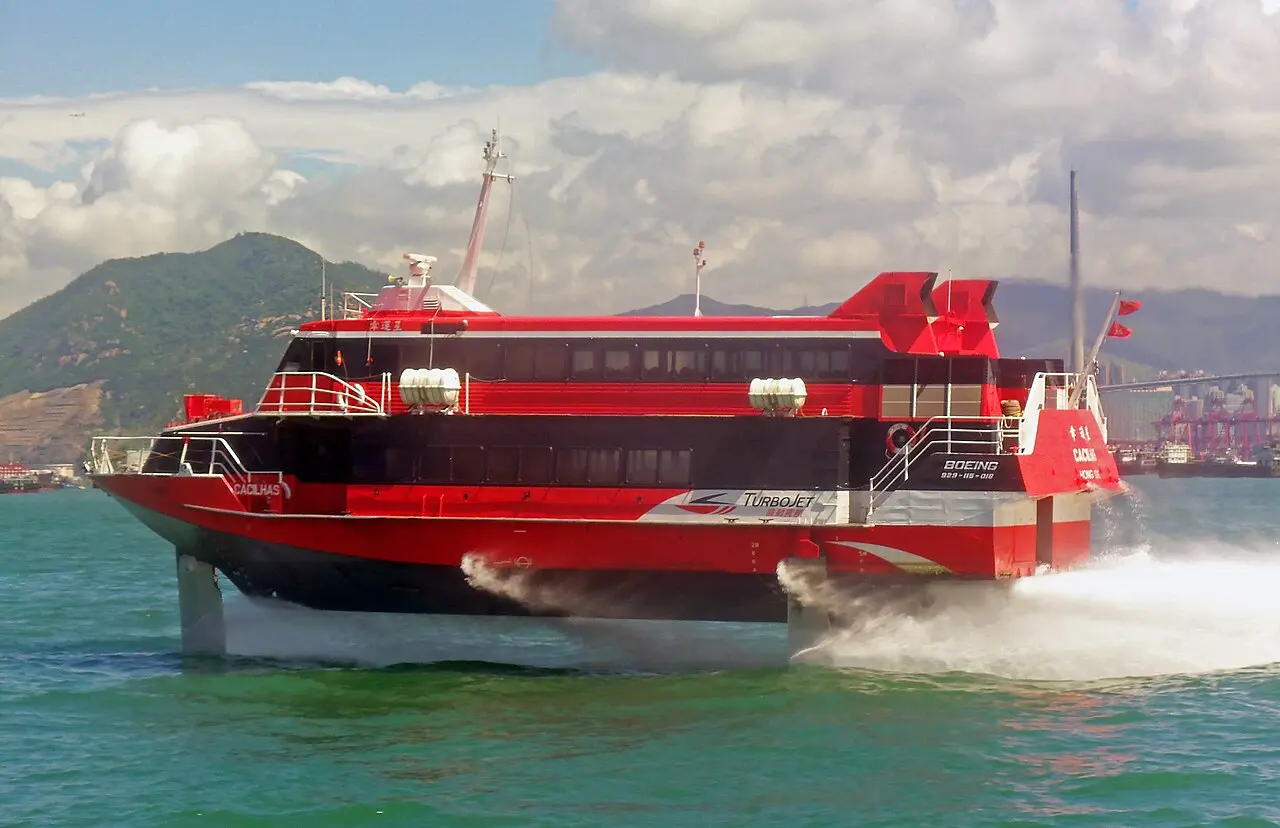
For Hong Kong to Macau ferry or bus, start with your Hong Kong departure point and your Macau destination: the ferry is usually the simpler option to investigate from central Hong Kong Island, while the bridge shuttle deserves a closer look from the airport area or Lantau. Compare the complete journey, including both border procedures and local connections. With co:sim, check Hong Kong and Macau coverage separately before relying on mobile data across the boundary.
The important distinction is between a port-to-port bridge shuttle and a city-to-city cross-boundary coach. They use the same bridge but do not offer the same journey. Likewise, an ordinary ferry from a city terminal is different from an airport transfer service. Pick the correct product before comparing prices or clicking the first ticket result.
Use your hotel door as the start and your actual Macau destination as the finish. A quoted crossing time leaves out the ride to the terminal, ticket collection, queues, immigration and the journey after arrival. The option with the shortest main crossing is not necessarily the option that gets you to lunch sooner.
| Your situation | First option to investigate | Main thing to verify |
|---|---|---|
| Staying near Sheung Wan or Central | City-terminal ferry | Correct Macau arrival terminal |
| Starting around Hong Kong airport or Lantau | Bridge shuttle or a suitable airport service | Whether you are landside or still in transit |
| Prone to seasickness | Bridge route | Transfers and current operating conditions |
| Staying near a cross-boundary coach pickup | City coach | Exact pickup, drop-off and luggage rules |
| Travelling late | Live operator schedules for the whole route | Last local connection after the crossing |
This is a decision table, not a promise that one option always wins. Check the same date and direction for both journeys. Holiday departures, luggage and the location of your hotel can matter more than a modest difference in the advertised fare.
Choose the arrival terminal before choosing a sailing. Macau's Outer Harbour and Taipa terminals serve different arrival locations, so “Macau ferry ticket” is not enough detail. Identify whether your first stop is on the Macau Peninsula or around Taipa and Cotai, then compare the onward route from each available terminal.
Consult TurboJET's official route and sailing information for the exact route you intend to book. Check the departure terminal too: a search result mentioning Hong Kong does not prove that it leaves from the most convenient part of the city. Do not carry an old screenshot of a timetable forward into a new trip without checking it again.
For wider arrival choices, the Macao Government Tourism Office transport guide distinguishes ferry, bridge and other services. Use it for the transport network, then confirm the operating detail with the company selling your ticket. A tourism overview and a dated sailing availability screen serve different purposes.
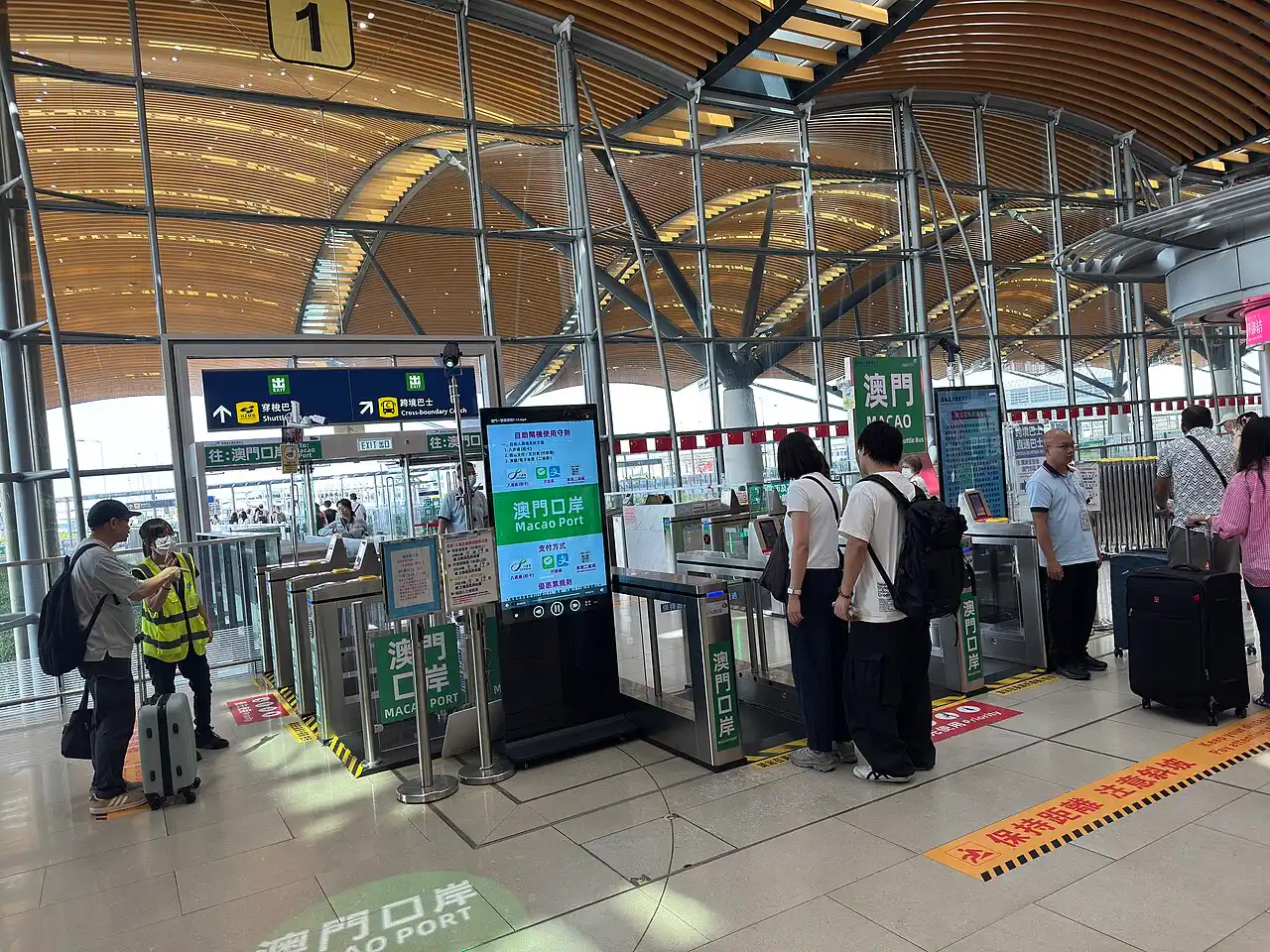
The Hong Kong–Zhuhai–Macao Bridge, often shortened to HZMB, has a shuttle linking the Hong Kong and Macau ports. A port is the border facility; it is not the same as a downtown coach stop. The official HZMB cross-boundary transport page explains the distinction between the shuttle and cross-boundary coaches.
For the ordinary shuttle journey, plan separate stages: reach the Hong Kong Port, complete departure formalities, take the correct Macau-bound shuttle, complete Macau arrival formalities, then continue to your hotel or sightseeing stop. Check the signs and destination carefully because the bridge also serves Zhuhai. A ticket for the wrong destination is not a harmless variation of your intended route.
Keep travel documents, tickets and any required confirmations in a small bag you can access without opening a suitcase. Follow the operator's directions about luggage and boarding; do not assume that another traveller's account of a coach applies to the shuttle. When travelling as a group, agree where to regroup after formalities in case members finish at different times.
A cross-boundary city coach can reduce the need to assemble your own local connections, but its advertised destination must match where you want to go. Read the exact pickup and drop-off points, departure time, luggage allowance and border procedure. The word “direct” does not mean that passengers bypass immigration or never leave their seats.
Compare the coach ticket with the cost and effort of the whole shuttle itinerary. Include the local trip to Hong Kong Port and the onward journey from Macau Port. A cheap crossing is less attractive if your party needs a costly taxi at each end. Conversely, a city coach that drops you near your accommodation may be worth investigating even when its headline fare is higher.
Do the same calculation for the ferry. Your useful comparison has the same start, finish and travel date. Avoid comparing a central ferry departure against only the middle section of a bridge journey; that is comparing different products.
First establish whether you are entering Hong Kong or using a transfer service while remaining in transit. The Macau tourism office's arrival information describes airport connections separately from ordinary city departures. Eligibility, airlines, baggage arrangements and booking conditions need checking for the exact service.
Do not clear arrival immigration and collect bags on the assumption that you can later use an airside transfer. Equally, do not assume an airport-branded coach is available to every traveller already staying in Hong Kong. Read the operator's instructions before leaving the arrivals transfer area or buying a non-refundable ticket.
For a landside bridge journey, the airport's proximity on a map does not eliminate the trip to the Hong Kong Port. Confirm that connection and the final Macau connection separately. If you are heading the other way to catch a flight, work backwards from the airline's check-in deadline with extra margin for border processing and disruption.
Hong Kong and Macau have separate entry formalities. Check the Hong Kong Immigration Department requirements and Macau's official entry guidance for your travel document; transport admission is not immigration permission. For a day trip, check that you can also re-enter Hong Kong afterwards. Do not assume a round-trip ticket settles that question.
Check baggage conditions with the chosen operator before paying. A cabin-sized bag on one service is not evidence of another service's allowance. If you have a stroller, wheelchair or other access need, request specific arrangements rather than relying on the generic word “accessible” in a booking listing.
Weather can affect travel choices, and switching from water to road is not an automatic solution during a severe event. Read current operator notices for the route you intend to use. Keep the return plan flexible where possible, and avoid placing a cross-boundary day trip immediately before an inflexible flight connection.
Compare the Macau data-only plans with your Hong Kong arrangement. On co:sim, a country-labelled product page should not be interpreted as proof that the same plan covers the other territory. Read the actual coverage and billing-start information for the option you select, and check that your phone supports it.
Save tickets, terminal names, your accommodation address and the return instructions before travel. co:sim data-only eSIMs provide internet access rather than a local telephone number; use an agreed messaging app if you need to contact your accommodation. An internet calling app and ordinary carrier calling are different services.
Keep a backup that works without reception. A downloaded document is useful, but follow the ticket issuer's instructions if validation requires a live application. Mobile data cannot remove border queues, guarantee connectivity during the crossing or ensure that a sold-out departure gains another seat.
FREECheck current Hong Kong free eSIM eligibilityPhoto credits
Cover and social card: Daniel Case, CC BY-SA 3.0.
Port photo: LN9267, CC BY-SA 4.0.
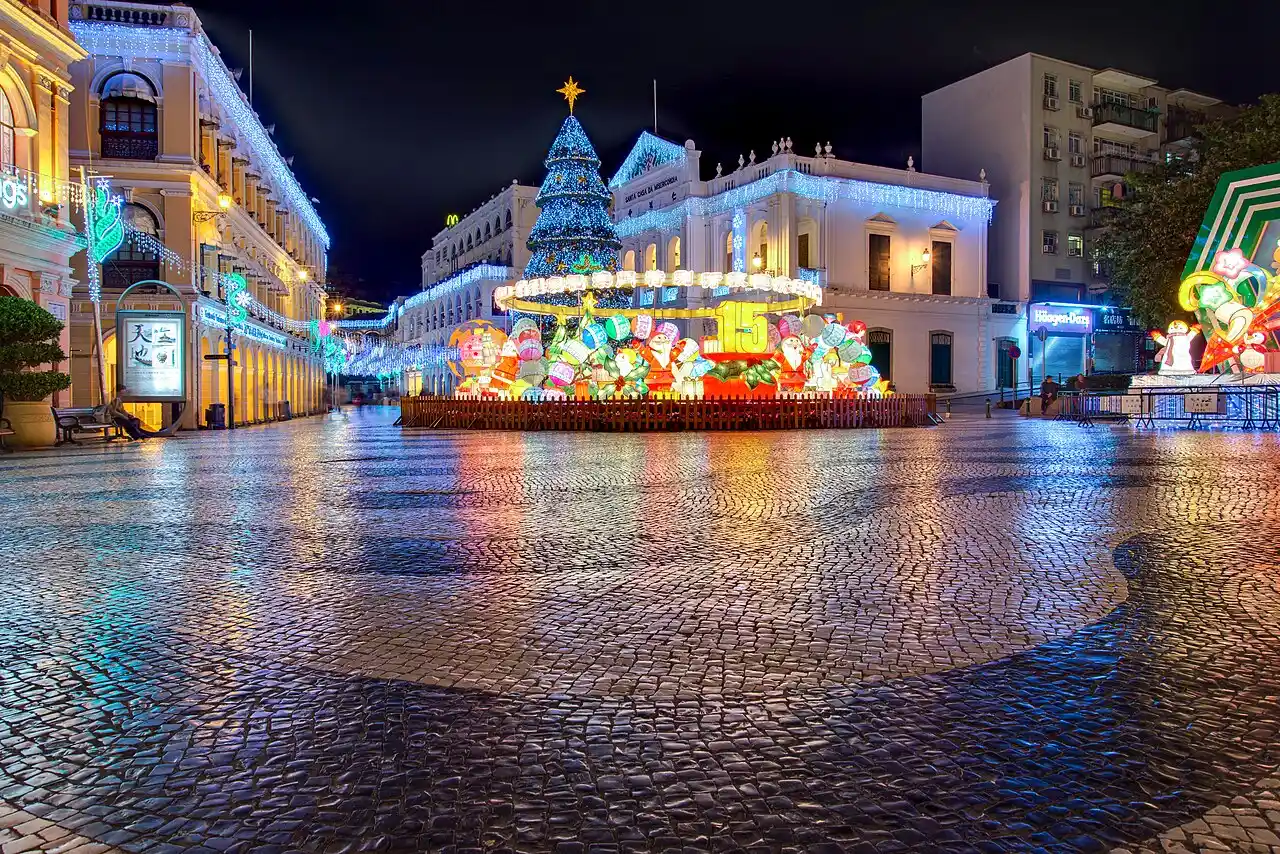
Senado Square photo: kewl.lu, CC BY 2.0.
Images resized and converted; social cards also cropped and overlaid with text. Adapted images retain their stated licenses.
The Hong Kong-to-Macau ferry may be simpler from a central Hong Kong Island starting point, while a bridge route may fit an airport-area departure better. Neither is automatically faster door to door. Compare the journey from your accommodation to the departure point, the crossing, both border procedures and the connection to your exact Macau destination. The ferry's arrival terminal and the bus's final drop-off are part of that calculation.
Use current operator schedules for your date rather than treating an advertised crossing duration as total travel time. A co:sim data-only plan can support route checks when connected, but it does not include transport bookings or priority at immigration. Save your chosen route and a workable alternative offline. If a flight or another fixed booking follows the trip, allow enough margin to absorb a missed departure without depending on the next service being available.
A Hong Kong eSIM should only be expected to work in Macau when Macau is explicitly included in that particular plan's coverage. The proximity of the territories and the availability of a direct transport link do not establish mobile-plan coverage. Check the product details before purchase, whether you choose a multi-destination option or separate plans for the two places. With co:sim, compare the actual country coverage and plan terms rather than assuming the name of one destination includes the other.
A data-only eSIM supplies mobile data, not a local phone number or conventional voice and SMS service. That matters if a ticketing or accommodation process expects a phone call or text message. Keep your usual number available if your own carrier arrangement permits it, review its roaming charges, and save important travel details offline. No plan should be treated as a promise of uninterrupted reception throughout the crossing.
The ordinary HZMB shuttle links the border ports, so it is not automatically a direct ride from central Hong Kong to your Macau hotel. You must account for reaching the Hong Kong Port and continuing after Macau arrival formalities. A separately sold cross-boundary coach may serve urban pickup and drop-off locations, but those points depend on the operator and ticket. Check the exact service rather than using “bridge bus” as if it described one universal route.
Before booking, write down the complete sequence of stops and identify where you will carry or retrieve luggage. Ask the operator about any accessibility need and the border process. For the return, confirm how you will reach the departure point from your final activity, particularly late in the day. A flexible departure pattern on the main crossing does not guarantee that the local bus you need afterwards is still operating.
Choose the terminal and complete route first; then compare co:sim plans with your actual Hong Kong and Macau coverage needs.
Instant delivery by email · Install before you fly
 Travel Tips
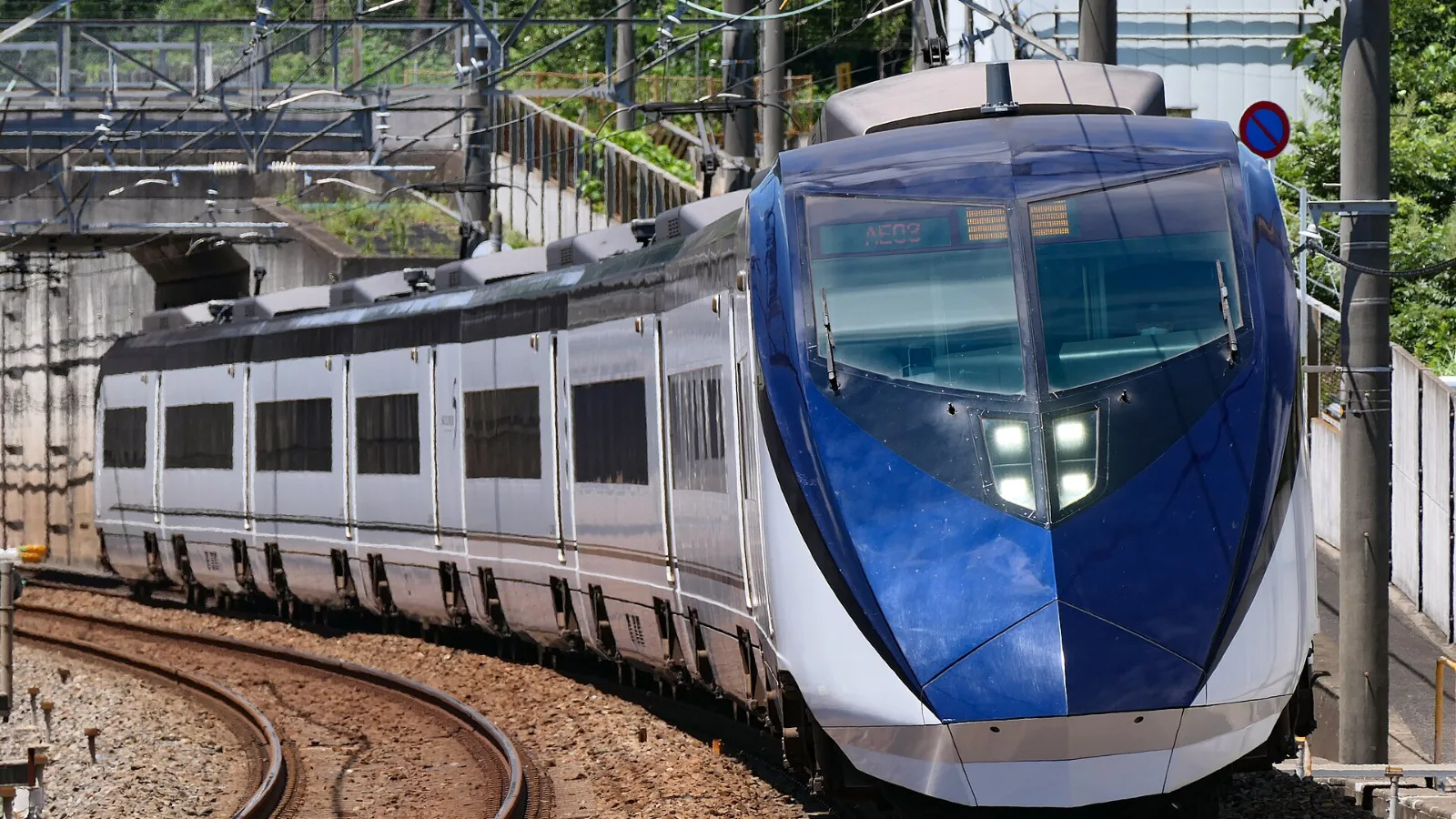
Take the Keisei Skyliner if your hotel is in Ueno, Asakusa or north-east Tokyo: it reaches Nippori in as little as 36 minutes for ¥2,580. Take the Narita Express if you are staying near Tokyo Station, Shinjuku, Shibuya or Yokohama, because it runs straight there, and the ¥5,200 round-trip ticket brings each leg close to the Skyliner fare.
 Travel Tips
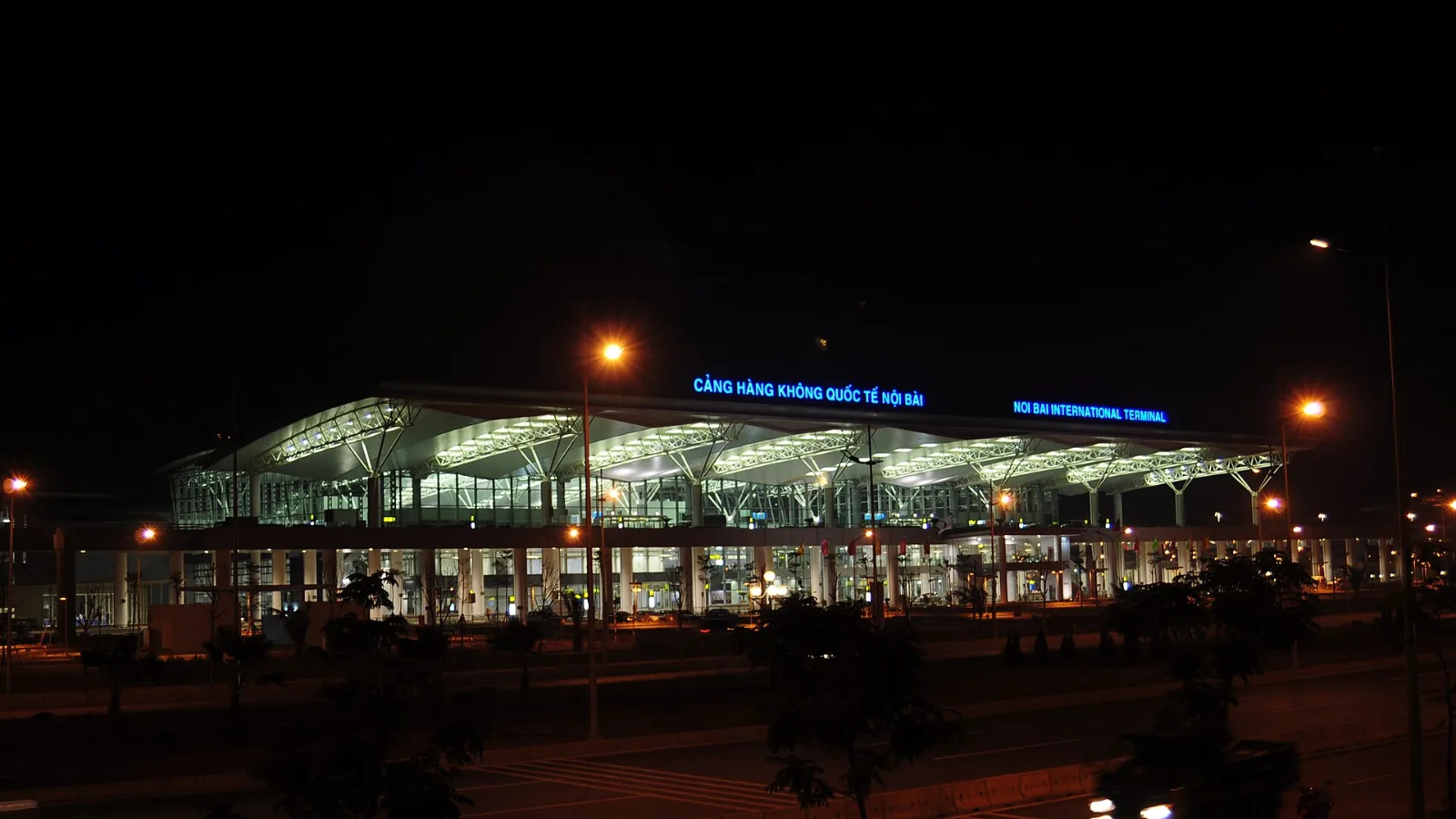
Take bus 86 if you are travelling light, land before mid-evening and are staying near Hoan Kiem Lake: it costs about 45,000 dong and takes 50 to 70 minutes. Take a Grab if there are two or more of you, you have big bags or you land late, because one car to the Old Quarter usually costs about 230,000 to 320,000 dong and drops you at the door.
 Travel Tips
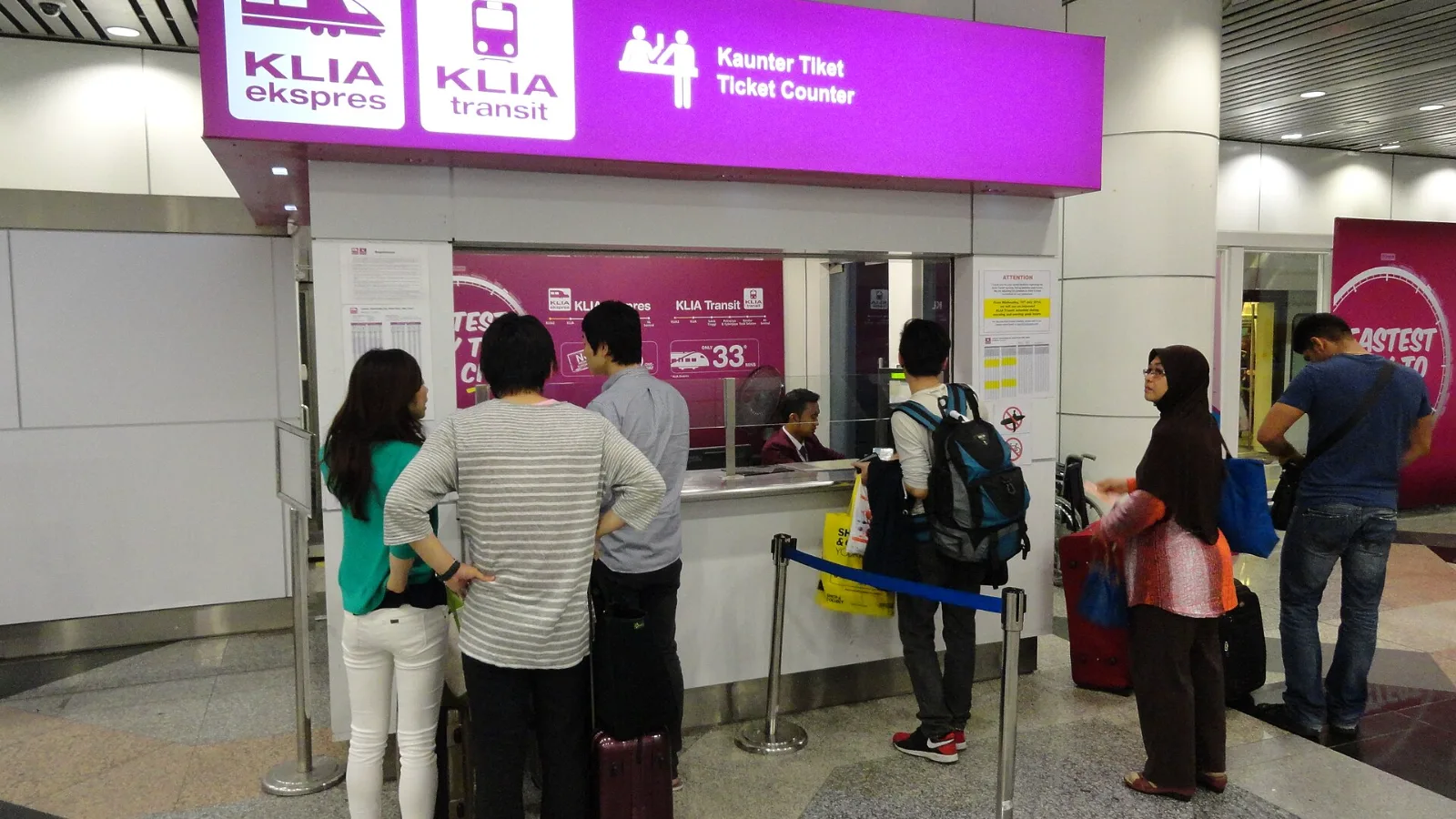
Take the KLIA Ekspres if you are travelling alone or as a pair and your hotel is near KL Sentral or a rail line: it reaches KL Sentral in 28 minutes from Terminal 1 for RM55, less 10% if you buy online. Take a Grab if three or more of you are going to a hotel away from KL Sentral, because one car fare usually costs less than three train tickets and drops you at the door.
1-day trip pass
From $2.99
 co:sim Team