Back to Blog
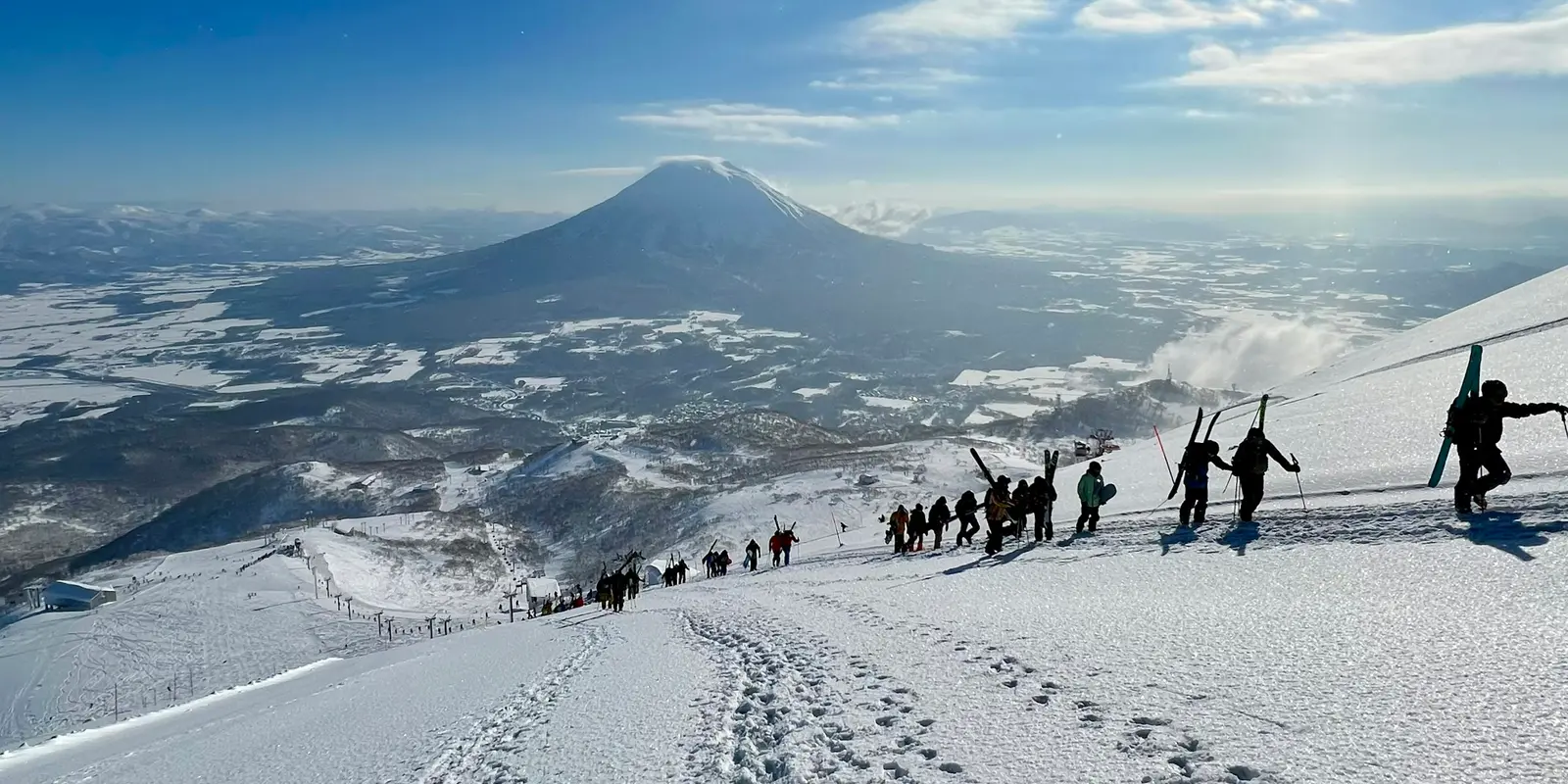
Choose a Japan data-only eSIM for a Hokkaido ski trip, with enough allowance for airport transfers, resort messages and the journey home. co:sim’s Japan plans let you inspect the selected package’s networks; match that information to your accommodation and transfer route, and carry offline resort maps for mountain days.
An eSIM is an embedded SIM downloaded to a compatible phone. This guide focuses on choosing connectivity for New Chitose Airport, Niseko and Furano, rather than ranking Japan-wide providers.
Buy around the journey you have booked. A stay in Niseko, a stay in Furano and a holiday combining them all need Japan coverage, but the transport arrangements differ. Moving between Japanese ski areas does not itself create a need for a regional international bundle. Add that comparison only if your actual holiday includes another destination outside Japan.
List each accommodation, arrival terminal, resort transfer and departure date before opening the plan selector. Include days in Sapporo or another Japanese city on either side of skiing. A ski pass might cover only your mountain days; your mobile-data needs begin with the first transfer and continue until your final travel arrangements are settled.
| Your itinerary | Priority when selecting data | Detail to settle before departure |
|---|---|---|
| New Chitose to a Niseko base | Messages when the flight and coach do not line up | Exact coach stop and last leg to accommodation |
| A Furano-based stay | Resort map access and lesson coordination | Furano Zone or Kitanomine Zone meeting point |
| Niseko plus Furano | Connectivity across a separate transfer day | Actual inter-resort booking, not a presumed local shuttle |
| Friends splitting across slopes | Independent contact when plans change | Shared meeting point and a fallback time |
| Skiing plus remote work | Sufficient allowance and permitted tethering | A checked indoor connection for essential calls |
On co:sim, compare the chosen package’s network list, allowance, duration and top-up support. A destination page collecting several offers is not proof that every package exposes the same networks. Open the package details before deciding which coverage map you need to inspect.
Niseko Tourism’s arrival guide describes direct coaches from New Chitose and says winter reservations are required. It also describes rail travel followed by a bus or taxi transfer at Kutchan. These are planning options, not interchangeable promises of a direct ride to every hotel.
For a coach arrival, store the reservation and identify the boarding location for your terminal. Check the operator’s current allowance for flight arrival, baggage collection and check-in. Ask what happens if the flight is delayed, and which contact channel handles changes. Do not infer a connection guarantee from a journey time in a tourism article.
For a rail arrival, plan the final road transfer as carefully as the train. Save your accommodation’s Japanese name and address so you can show them without internet. Use JR Hokkaido’s official English website for current travel information rather than relying on a screenshot of an old timetable.
Do not buy any Japan plan on that assumption. NTT DOCOMO’s official coverage portal distinguishes 5G areas from 4G/LTE areas and links to detailed coverage information. Use it when DOCOMO is listed on the package you are considering. A DOCOMO map does not establish access for an eSIM that uses another host network.
Check the lodging address and transport stops first, then the resort areas where you expect to spend time. Coverage information is a useful planning input, not a guarantee of reception in every room, gondola or hollow in the terrain. Ask your accommodation about its current indoor experience, particularly if working from the room matters.
co:sim provides the package’s network information so this comparison can be specific. It does not turn a destination-wide listing into a slope-by-slope service promise. Similarly, a larger data allowance does not increase the radio signal reaching your phone. Resolve uncertainty about an essential location before choosing between allowances.
Decide a meeting place that still works when nobody can send a message. Keep the resort map and contact details offline, and follow the resort’s current safety and closure information. Mobile data is a convenience for ordinary trip coordination; it is not a substitute for mountain safety planning or a reliable rescue system.
Use resort Wi-Fi as a useful supplement, particularly for downloads during a break. The official Furano mountain map marks free Wi-Fi spots. That supports the existence of designated access points, not blanket Wi-Fi coverage across the mountain. Confirm the current network details on site rather than treating a saved password as permanent.
The official Furano resort page distinguishes the Furano and Kitanomine zones, linked by a trail higher on the mountain. Make the zone part of every lesson, rental and lunch arrangement. “Meet at the gondola” is an avoidable ambiguity when friends are looking at different parts of a resort map.
Download the current map before the ski day and check lift operations before trying to change zones. A connection drawn on the map does not establish that you can use it today or that it suits your ability. For a mixed-ability group, ask the school or accommodation how to arrange a practical meeting point at the base.
Separate coordination from content creation. Maps, resort notices and messages are one workload; uploading action-camera footage, video calls and laptop tethering are another. Review your phone’s recent usage and decide which large transfers can wait for accommodation Wi-Fi. Do not size the whole trip by the amount used on one airport transfer.
Check tethering terms before planning to work through a phone. If you need an essential meeting, arrange an indoor connection you can verify, not a moving coach or chairlift. Take a power bank and charge the phone before leaving your accommodation; running out of battery makes the size of the data plan irrelevant.
New users can inspect the separate Japan trial offer, but eligibility and current terms belong to its live page. Treat it as an option to evaluate, not an assumed allowance for an entire ski holiday.
Compare Japan data-only eSIM plans FREECheck the Japan free-eSIM offerConfirm that your exact handset supports eSIM and has no carrier lock. Follow the selected plan’s setup instructions on a reliable connection, label the travel line clearly, and check which line the phone uses for mobile data. Keeping your home number available is a separate choice with separate carrier charges and settings.
Give each traveler an offline copy of the coach booking, hotel address, resort map and meeting plan. Test access without a connection. Downloading a map does not guarantee that every linked resort notice or reservation remains available offline, so save essential confirmations individually.
For a Niseko–Furano move, book the transfer as its own travel leg and ask the provider about pickup, luggage and arrival arrangements. Do not confuse a resort’s local shuttle with transport across Hokkaido. Keep a margin around a flight home and revisit the Japan plan selection with the full travel period in mind.
Niseko and Furano are both in Japan, so a move between them does not require a second country plan. Start with a Japan eSIM that fits the full holiday, including transfer days and any city stay. co:sim lists the networks for its packages; use the selected package’s details when checking coverage around each accommodation and resort base.
The shared country does not remove the need to investigate local reception. A working connection at a Niseko hotel is not evidence of coverage along the entire journey to Furano or on every slope there. Save the inter-resort booking and destination address before leaving, and check how the receiving accommodation handles late arrival. If your trip also includes another destination outside Japan, compare a suitable regional package separately. The relevant distinction is your itinerary and the package’s listed coverage, not the number of ski resorts on your wish list.
Furano’s official mountain map marks free Wi-Fi spots, which makes resort Wi-Fi useful when you are near a designated access point. It does not establish a connection across all lifts, trails and meeting areas. Confirm current availability and login details at the resort, and download the map before leaving an established connection for the slopes.
A mobile-data plan can help with ordinary messages and updated arrangements where its host network is reachable. Neither option replaces an agreed meeting point for a group that splits up. Specify Furano Zone or Kitanomine Zone, a recognizable base facility and a time, rather than relying on an ambiguous message about “the lift.” Keep essential contact information offline. If one person cannot connect, the group should still know where to regroup without skiing into unsuitable terrain just to find a signal or another Wi-Fi access point.
A co:sim data-only eSIM supplies mobile data rather than a local telephone number or conventional voice-and-SMS service. An internet calling or messaging app can help if the ski school or transfer company actually accepts contact through it. Ask that question when booking, especially if the operator’s instructions otherwise say to telephone after collecting your luggage.
Where a normal call or SMS verification is required, arrange a separate method with your home carrier or another suitable service. Check the charges before using it; buying a data package does not change your home carrier’s roaming terms. Save the booking reference, company contact and accommodation address locally, and share the essentials with a travel companion. For a missed transfer, a clear contact plan is more useful than discovering at the airport that an app message is not monitored by the operator.
A larger data allowance does not fix a mountain dead spot. It gives you more permitted usage under the plan’s terms; it does not add a nearby base station or remove terrain between a transmitter and your phone. Choose the host network and check relevant coverage information before deciding how much data to buy for a Hokkaido ski holiday.
Then size the allowance around your own behavior: navigation, transfer changes and resort messages, plus any uploads or tethering you intend to use. Keep large video transfers for a checked Wi-Fi connection if you want to conserve mobile data. Maintain an offline resort map and a meeting arrangement even after buying. With those practical needs separated, compare co:sim’s Japan packages for your full itinerary and choose the allowance that fits the holiday, rather than paying for more data as a substitute for coverage research.
Instant delivery by email · Install before you fly
 Destination Guides
Choose between a single-base Mauritius holiday and a Seychelles island route using November climate patterns, transfer needs and your preferred pace.
 Destination Guides
A three-day Strasbourg–Colmar Christmas-market route, with confirmed 2026 announcements and a clear distinction between current trains and old shuttle dates.
 Destination Guides
Spend a week in Ljubljana, Bled and Bohinj without renting a car. Choose connected overnight bases and protect your return journey.
| Option | When it fits | What can make it inconvenient |
|---|
| co:sim fixed-data Japan plan | You want one allowance for a varied itinerary | Heavy video uploads can consume the reserve for travel days |
| A daily-allowance plan | You expect a similar routine each day | Check any high-speed cap and reduced-speed terms |
| Pocket Wi-Fi | Several devices travel together | Friends who separate cannot all stay near the hotspot |
| Home-carrier roaming | Familiar account and existing phone services matter | Check the Japan tariff and any usage limits |
 co:sim Team