Back to Blog
For the Helsinki–Tallinn ferry, set up mobile data for both Finland and Estonia before boarding, and save your ticket and arrival map offline. A co:sim Europe eSIM covering both countries can keep the same data line for the two cities; separate country plans also work. Ship Wi-Fi is useful, but it should be a convenience rather than the only way to find your next address.
Check the country list of the exact product. The live co:sim Europe 30 page lists Finland and Estonia, while the Finland eSIM and Estonia products are alternatives if the crossing is only one part of a longer trip. Compare the validity period with your dates on land, not just the time spent at sea. If you already have an EU mobile contract, review its roaming allowance rather than automatically buying another line.
| Connection | In Helsinki | At sea | In Tallinn |
|---|---|---|---|
| eSIM listing Finland and Estonia | Uses a listed local partner network | Shore signal may fade; no continuous service promise | Connects through a listed Estonian partner network |
| Separate country eSIMs | Select the Finnish line | Keep both ready, but do not rely on mid-sea signal | Select the Estonian line after arrival |
| Ship Wi-Fi | Not a replacement for mobile data outside the ship | Availability and performance depend on the vessel and demand | Ends when you leave the ship |
| Home-carrier roaming | Depends on your contract | Maritime networks can follow different rules | Check your Estonia terms |
The EU roaming guidance explains the general “roam like at home” framework and its limits. It also warns that a ship may connect through a non-terrestrial network, where the usual EU price protections do not apply. Use airplane mode or turn off the home line's roaming at sea if you want to avoid an unexpected maritime connection. The travel eSIM's own plan conditions still decide what it covers.

Confirm the operator and terminal on your ticket. The Port of Helsinki's West Terminal 2 page gives the terminal's current passenger information. Eckerö Line's harbour connections provide operator-specific arrival guidance. Do not assume that an earlier trip's terminal or check-in cutoff applies to this booking: services and departure points can change.
Save the terminal address, boarding pass and identification document information locally on your phone. A screenshot is a useful backup if the ticketing app requires a fresh login. Reach the port with time to find the correct check-in lane. If you are travelling with a vehicle, use the instructions attached to that ticket instead of the pedestrian route. Keeping the information offline makes the journey less dependent on crowded terminal Wi-Fi.
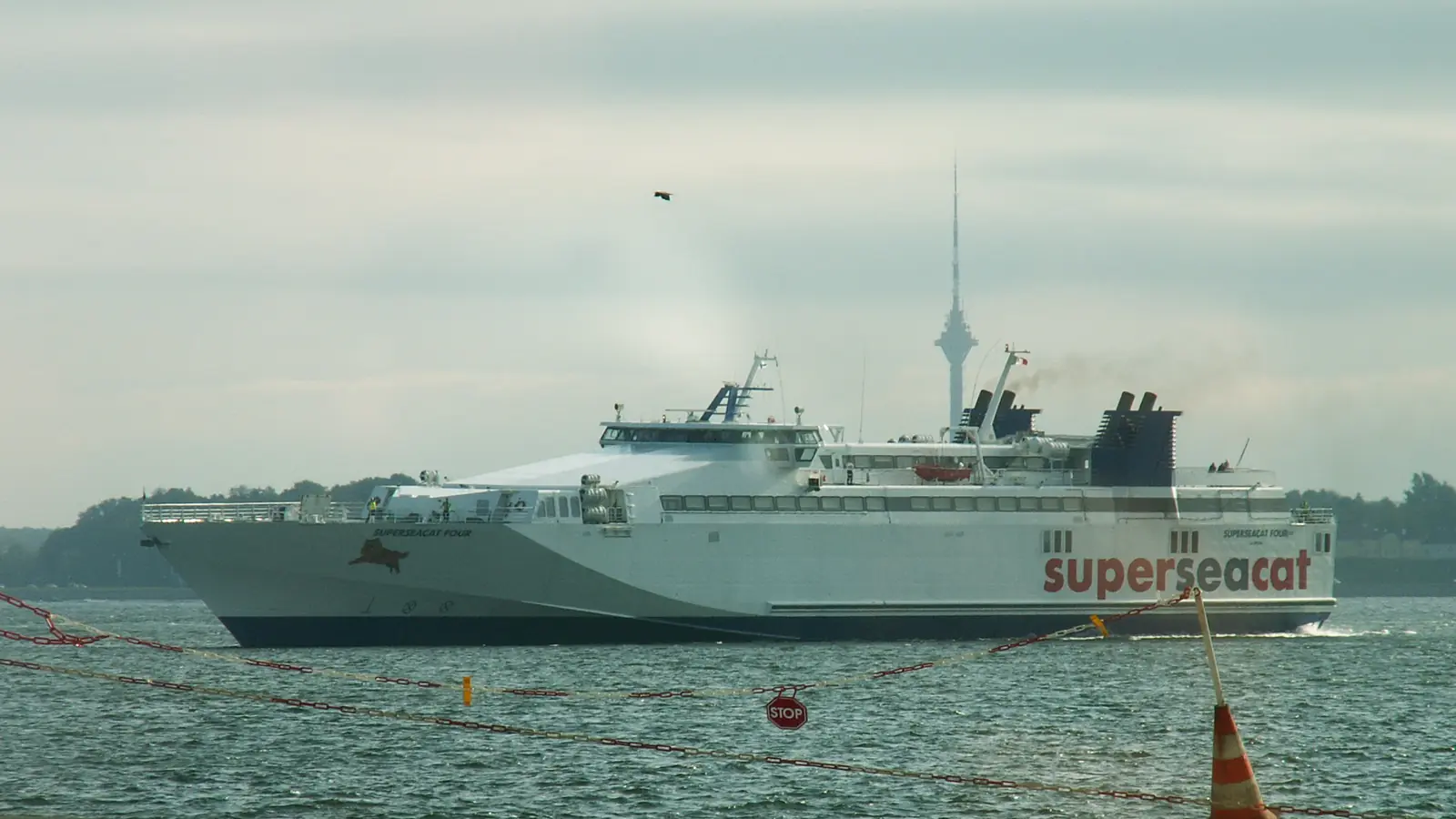
The Tallink Helsinki–Tallinn route page identifies the crossing as an international ferry service. Your arrival point in Tallinn should come from the booked operator, not from a generic map search for “Tallinn port.” Store the route from that terminal to your lodging before you board, and include any connection you intend to make after disembarking.
Tallink says its ships offer free onboard Wi-Fi and describes conditions for standard access. That is a useful way to send a message, but shared Wi-Fi can vary with demand and the vessel. Download a film, large files and offline maps on land instead of depending on the ship connection. Also remember that logging in to onboard Wi-Fi does not change your mobile network settings.
A co:sim data-only eSIM uses terrestrial partner networks where its plan has coverage. It is not a satellite or ship-network package. As the ferry moves away from shore, the phone may lose a usable land signal before the other coast comes into range. Avoid treating that gap as a fault in your eSIM. Keep your ticket, destination and contact details available without any network at all.

While still in Helsinki, install an eSIM over reliable Wi-Fi on a compatible, unlocked phone. co:sim sends a QR code by email after checkout. Follow the selected plan's own instructions for installation and the point when its validity begins. Label the data line clearly, then confirm that Estonia appears in its country list. A Finnish-only plan will not become an Estonia plan because the ferry route is short.
After leaving the ship, select the data line intended for Estonia, allow data roaming on that travel eSIM if the instructions require it, and test a map. Keep roaming off on your home line if you do not plan to use its contract. If the phone does not connect immediately, wait until you are clear of the terminal structure, then check the selected line and partner-network guidance before reinstalling anything. A data-only line does not provide a local voice or SMS number; messaging apps work over data.
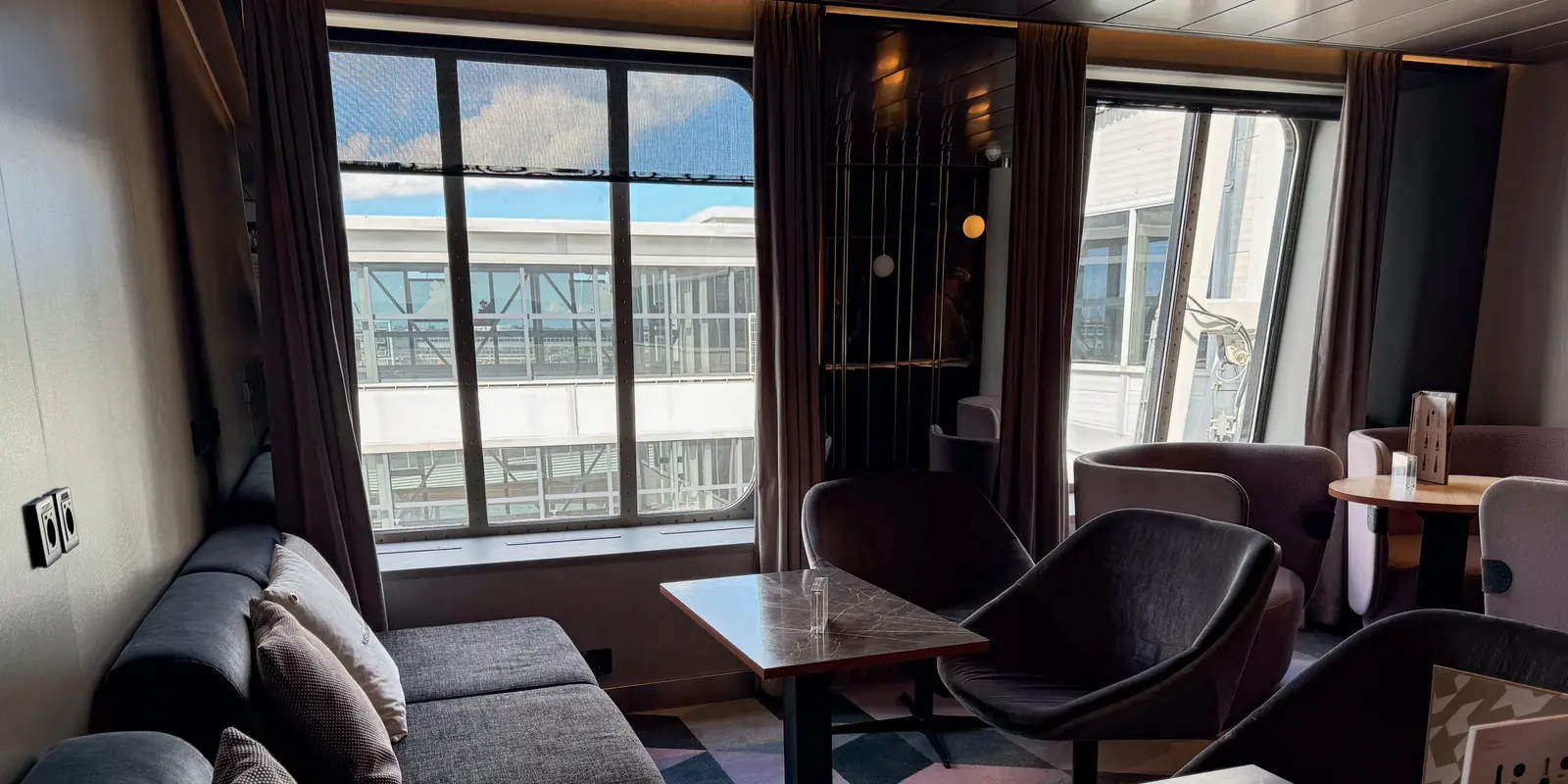
Photo credits (cropped and converted to WebP): cover JRodSilva (CC BY-SA 4.0); image 1 Antti Leppänen (CC BY 4.0); image 2 Ypsilon from Finland (CC0); image 3 Tony Webster ().
EU “roam like at home” rules apply to qualifying terrestrial mobile roaming under the conditions of your home contract. The European Union's consumer guidance specifically cautions about connecting to a non-terrestrial network on a ship, where those protections may not apply. Ask your home operator how it handles maritime networks if you intend to leave its line active. A co:sim travel eSIM covering Finland and Estonia is intended for the listed land networks; it is not a guarantee of continuous data during the sea crossing. For predictable costs, save your boarding pass and maps offline, use ship Wi-Fi when suitable, and control which SIM can roam while at sea. Once ashore, verify the phone has attached to an ordinary local network before starting a data-heavy task.
Tallink advertises free Wi-Fi on its ships, but onboard access is shared and its usefulness can change with demand, equipment and your task. It may be enough for a short message. It is a poor sole plan for downloading an essential ticket, joining a timed work call or navigating through Tallinn after disembarking. Keep the booking reference, terminal location, hotel address and return-trip details on your device before leaving Helsinki. A co:sim eSIM that explicitly lists both Finland and Estonia gives you mobile data on land without switching physical cards, but it still depends on the partner networks and the chosen plan. If you only need internet inside the ship, Wi-Fi might suffice; if you plan to spend hours walking in Tallinn, arrange land data too.
For a Helsinki–Tallinn itinerary, one Europe product is convenient only if its exact coverage list names both Finland and Estonia and its validity fits your stay. The live co:sim Europe 30 page lists both, so it is an option alongside separate Finnish and Estonian data plans. Compare the current allowances and terms on the relevant product pages rather than assuming the regional label always gives the best value. Two country plans can make sense if you already have data for one side or if their individual conditions suit different lengths of stay. Keep in mind that none of these land-based travel options promises signal in mid-sea. Whichever choice you make, set up the line over Wi-Fi, label it and save tickets and maps offline for the crossing.
Before buying, check your operator's current terminal and the plan's two-country list. Your offline ticket and map cover the moments when neither shore network reaches the ferry.
See Finland–Estonia Europe eSIM plansInstant delivery by email · Install before you fly
 Destination Guides
Choose between a single-base Mauritius holiday and a Seychelles island route using November climate patterns, transfer needs and your preferred pace.
 Destination Guides
A three-day Strasbourg–Colmar Christmas-market route, with confirmed 2026 announcements and a clear distinction between current trains and old shuttle dates.
 Destination Guides
Spend a week in Ljubljana, Bled and Bohinj without renting a car. Choose connected overnight bases and protect your return journey.
 co:sim Team