
Back to Blog
The Helsinki Card is worth it when the included attractions and tours you genuinely plan to use outweigh the card price. Start with 24 hours for a concentrated sightseeing day, 48 hours for a comfortable city break, or 72 hours for a fuller itinerary; choose the transport version separately. A co:sim data-only eSIM (embedded SIM) handles mobile connectivity, while the card handles only its stated visitor benefits.
The strongest case is a visitor with a real list of paid museums and included sightseeing activities, all operating during the planned visit. The weakest case is a traveler mainly walking, browsing markets and spending time in cafes. The official Helsinki Card site lists attractions and sightseeing benefits, but a large benefit list is not the same as your personal saving.
Start by listing the experiences you would buy without a pass. Check their inclusion, opening days and tour departures, then total their current separate-ticket costs. Compare that realistic total with the exact card version and duration offered at checkout. Do not add a boat tour solely because it is included if you would rather spend that afternoon elsewhere.
The card can simplify payment for eligible entries, but it cannot add hours to a short day or make an unavailable seasonal tour operate. Keep a conservative estimate containing only definite visits, and a second estimate with optional extras. If only the optimistic estimate breaks even, individual tickets may be the more comfortable choice.
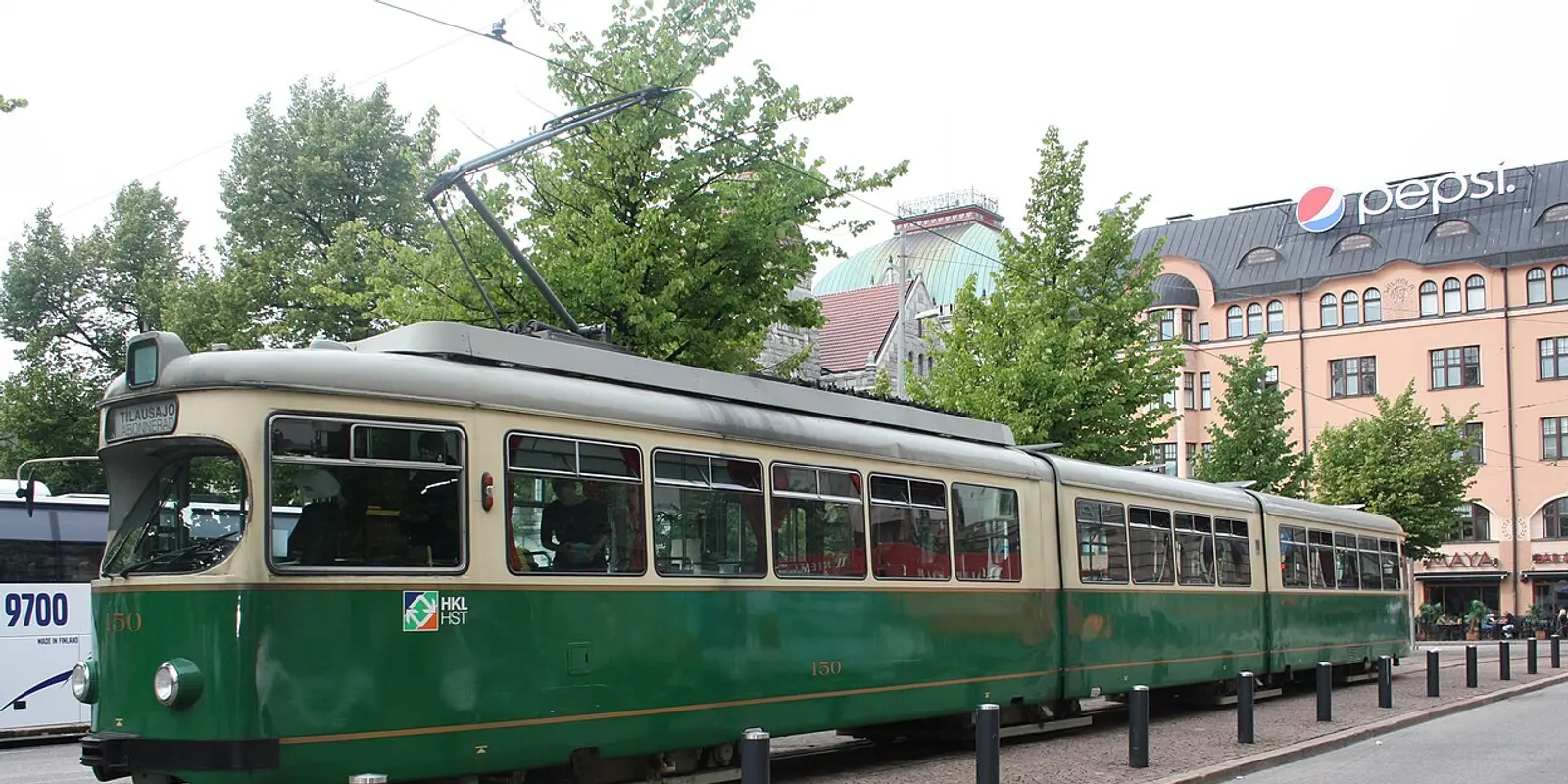
The official how-it-works guide distinguishes three products. The basic Helsinki Card is digital and includes attraction benefits without public transport. Helsinki Card CITY includes transport in AB; Helsinki Card REGION includes transport in ABC. CITY and REGION must be printed on paper for transport use.
This is not simply a choice between cheap, medium and premium. Someone with another valid transport ticket may not need CITY or REGION. Someone arriving at the airport needs to check the zone and the timing of that journey, even if the hotel is central. Count only transport purchases the card actually replaces.
Keep services in distinct budget lines. co:sim sells mobile data rather than a visitor pass, and its data-only plans do not include a phone number. Neither a mobile-data plan nor a QR code from an unrelated purchase is an HSL transport ticket; HSL is the local public-transport authority named in the card's instructions.
The issuer's activation guide offers 24-, 48- and 72-hour cards, activated on first use. Choose a window that encloses your planned visits rather than simply matching the number of nights at the hotel. A late arrival followed by an early departure leaves less useful sightseeing time than the room booking suggests.
For 24 hours, plan a concentrated but achievable block. Check that your desired museums and a relevant tour fit together, allowing time for meals, transport and queues. Do not assume an afternoon activation makes the following morning useful if the venue you want is closed then. A rolling window helps only when the activities inside it are available.
For 48 hours, distribute visits between two sightseeing blocks. This is often easier to execute than rushing everything into one day, although the extra duration still needs a price comparison. For 72 hours, keep a fuller list of genuine visits and allow space for slow museum time or weather changes. More hours provide flexibility, not an automatic saving.
Before the first scan, put the intended start and end in your itinerary. Once activated, the clock continues while you sleep or take a break. Do not activate at the airport just because the card is ready unless the benefit of that ride is worth starting the whole window early.
Use the current price for your exact product, age category and duration. The official 2026 price table shows different prices for the digital, CITY and REGION versions and describes them as starting prices subject to change. Compare the live booking total rather than treating a headline price as applicable to every card.
For the digital card, total the eligible admissions and tours you would otherwise pay for. For CITY or REGION, add only the relevant transport tickets you would otherwise buy for the same useful period. Deduct any overlap with tickets or benefits you already hold. Count an included attraction once, not once on every day of a longer card.
For example, compare a museum-focused day with a relaxed harbor day as different scenarios. The first may support a card; the second may not. There is no need to invent a universal number of attractions required to break even, because admission prices and your preferences differ. If savings are slight, the simpler itinerary may matter more than the arithmetic.
The official transportation page says airport travel requires Helsinki Card REGION; CITY does not cover journeys to or from Helsinki Airport. The same page lists buses, trams, metro, local trains and the Suomenlinna ferry within the applicable transport zones for CITY and REGION. The basic digital card does not include this public-transport benefit.
Check the departure journey as carefully as arrival. A REGION card that has expired before the airport ride no longer solves that trip. Compare starting the card at arrival with paying separately for arrival and activating later for sightseeing. Use the actual tickets you would need in each case rather than automatically treating both airport transfers as free value.
For Suomenlinna, distinguish getting to the island from entering a paid attraction there. A transport benefit is not proof that every museum, exhibition or activity is included. Check the attraction directory for each planned paid stop and current ferry arrangements for the journey. Keep a weather alternative instead of forcing an island day into conditions you would not enjoy.

The official overview distinguishes winter Panorama sightseeing from summer hop-on hop-off sightseeing. It also describes sightseeing by bus and boat. This is a reason to inspect actual availability for your travel date, not a promise that all tours run year-round. In particular, a shoulder-season itinerary should not assume a summer departure merely because the pass lasts three days.
Check museum opening days, entry conditions and tour times before purchase. Group nearby visits and leave buffers between them. A reservation requirement, if shown for an activity, still needs attention even when admission is covered. Use the official attraction entry to determine what your card permits, rather than treating inclusion as guaranteed immediate access.
Save the card, booking details and route information before leaving Wi-Fi. You can compare Finland data-only plans for mobile maps and messaging. A co:sim plan page lets you review its data amount and validity; actual connectivity depends on the chosen plan, compatible device and local conditions, so offline copies remain useful. For an onward international trip, check the destination list on the Europe regional plans.
Yes. The issuer's instructions say to redeem the purchase, download the card and print CITY or REGION before using it as a transport ticket. The basic digital card can be presented on a phone for its attraction benefits. Buying online does not make every version interchangeable with a phone screenshot.
The transport guide instructs travelers to scan the HSL QR code on the printed card at the reader and check the confirmation. Prepare the paper before boarding, keep it legible, and follow the instructions for your transport mode. A card stored in email is not a substitute for the required printed transport document.
The Helsinki Card is usually a weaker purchase for a visit dominated by free walks, cafes and relaxed waterfront time, because most of its value comes from eligible attractions and sightseeing benefits you actually use. Compare your definite paid visits with the card price, then add the transport you would otherwise buy only if you choose CITY or REGION. The official overview describes the benefit bundle, but it does not make every advertised experience a saving for every visitor.
A co:sim data-only eSIM is a separate purchase for maps and internet messaging, without a phone number; it does not replace attraction or transport tickets. Keep that cost outside the pass calculation. If your first realistic estimate falls short, individual tickets can be a better fit. Optional museums can remain optional instead of becoming obligations created by buying a pass.
The basic digital Helsinki Card does not include public transport, so displaying it on a phone does not cover an airport journey. Airport transport requires the REGION version within its valid window. The official transport instructions also require CITY and REGION to be printed, with the HSL QR code scanned as instructed. The important distinctions are product version, zone, validity and ticket format, not simply whether you have a card email.
A co:sim mobile-data plan can help you consult directions or retrieve information while connected, but it is not an HSL ticket and cannot fix the wrong card version. Print the appropriate card before transport use and save a separate copy of the purchase information. If your airport journey falls outside the card's active hours, obtain the correct separate transport ticket rather than assuming the REGION label alone is sufficient.
A longer Helsinki Card gives you a longer continuous use window, not unlimited repeat admission to every included attraction. The official how-it-works guide says each attraction can be visited once, while the City Sightseeing hop-on hop-off bus can be used repeatedly during the card's validity when operating. Check the individual benefit before planning a return visit or assuming all activities follow the bus rule.
Choose 72 hours because the extra time helps you complete distinct visits at a comfortable pace, not because you expect to multiply the value of one museum ticket. Confirm opening days and seasonal departures, and plan the first use so the window includes your priorities. A card cannot pause its clock while you rest. If your realistic schedule contains few paid visits, a shorter card or individual admissions may remain the better option even during a longer hotel stay.
Choose the card duration and transport version from the same itinerary, then arrange co:sim mobile data independently so you can check your plans while traveling.
Compare Finland data-only eSIM plansInstant delivery by email · Install before you fly
 Destination Guides
Choose between a single-base Mauritius holiday and a Seychelles island route using November climate patterns, transfer needs and your preferred pace.
 Destination Guides
A three-day Strasbourg–Colmar Christmas-market route, with confirmed 2026 announcements and a clear distinction between current trains and old shuttle dates.
 Destination Guides
Spend a week in Ljubljana, Bled and Bohinj without renting a car. Choose connected overnight bases and protect your return journey.
| Card | Attraction benefits | Public transport | Best starting fit |
|---|
| Helsinki Card, digital | Included benefits | Not included | Walking-based sightseeing, with transport budgeted separately |
| Helsinki Card CITY | Included benefits | AB | City sightseeing with regular local journeys |
| Helsinki Card REGION | Included benefits | ABC | An itinerary needing the airport or other covered ABC journeys |
| Planning item |
|---|
| Conservative calculation |
|---|
| Confirmed included museum visit | Current separate entry cost for your visitor category |
| Included tour you really want | Its current separate price, if operating on your date |
| Public transport | Only the tickets displaced by CITY or REGION |
| Optional extra stop | Exclude initially; add only if the schedule is credible |
| Meals and mobile data | Separate costs unless an explicit applicable benefit says otherwise |
 co:sim Team