
Back to Blog
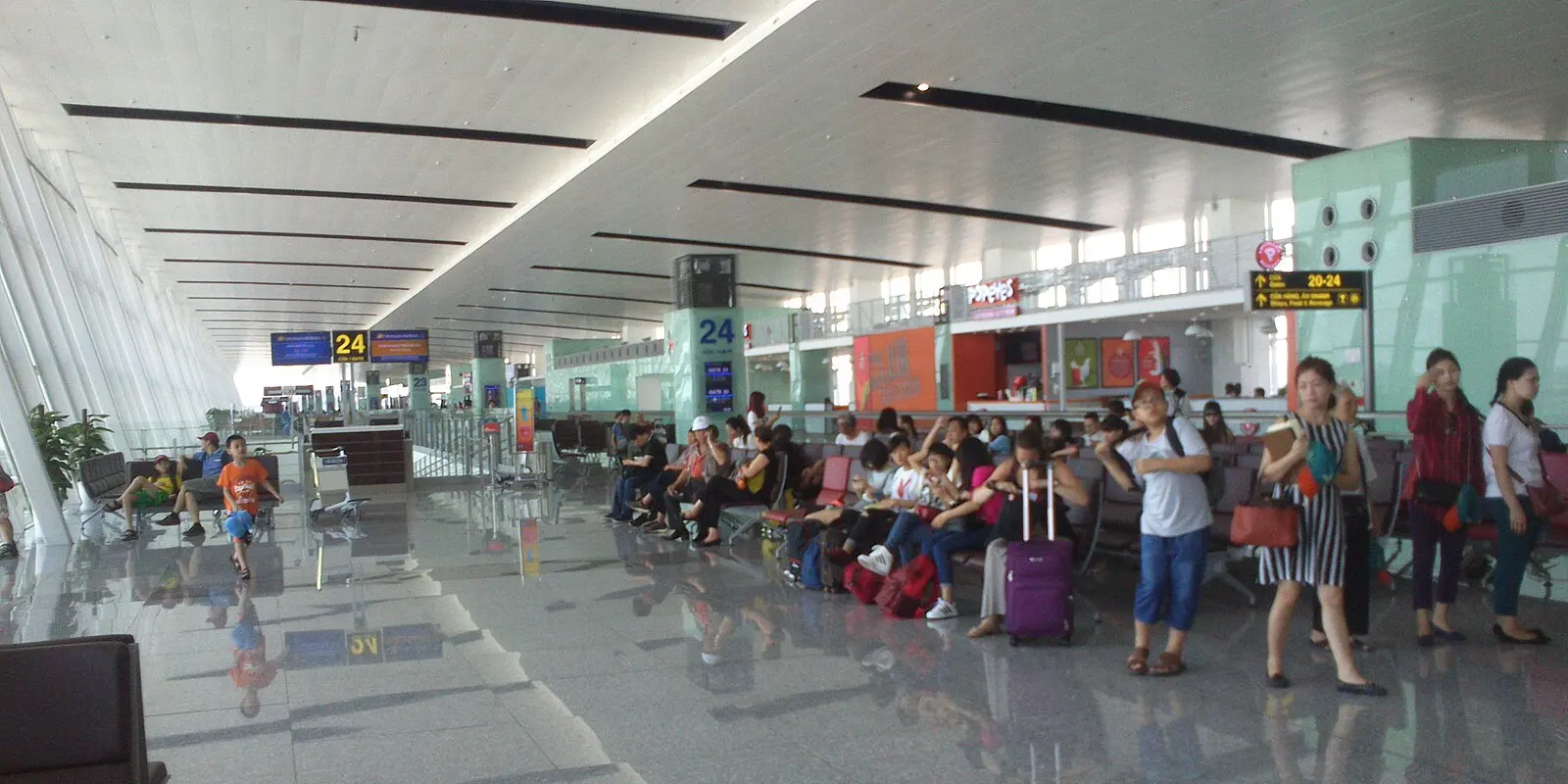
Noi Bai International Airport provides free Wi-Fi in passenger seating areas of its domestic and international terminals. Join the airport's published @Airport Free Wifi - Goldsun network, complete its browser connection step, and save your Hanoi address before leaving the terminal; a co:sim Vietnam data-only eSIM can provide mobile data for the terminal transfer or trip into town.
The airport's free Wi-Fi instructions name @Airport Free Wifi - Goldsun as the network. Select it in your device's Wi-Fi settings. The airport says a browser login page opens and you press Connect to the Internet. If your browser does not open, try a regular web page after joining the network; if that fails, reconnect and ask the airport information desk for the current procedure.
The same airport page says access is available in passenger seating areas in T1 and T2. It also says installation is still being coordinated for an expanded part of T2. Do not turn that into a blanket promise of signal in every corridor, taxi lane or corner of the enlarged terminal. Download the hotel address, confirm your driver's meeting point, and message anyone waiting for you while you have a good connection.
The airport identifies T1 as the domestic terminal and T2 as the international terminal on its inter-terminal shuttle guidance. Check the terminal printed on your onward flight booking, especially when your next flight is domestic. The correct next step may be a terminal transfer, not a city bus or taxi.
If you are connecting to another airline, confirm whether your luggage is checked through and whether you need to pass immigration, collect a bag and check in again. Those details depend on the tickets and carriers, so the airport's shuttle timetable alone cannot tell you whether your connection is feasible. Keep your next flight number and booking reference available offline.
The airport describes its NIA-Shuttle bus as a free link between T1 and T2. Its public-area shuttle page places the T1 stop at Lobby A on the arrivals level and the T2 stop near columns 16-18, lane 2, on the arrivals level. It describes an approximately 8-10-minute ride, while the airport's separate electric-bus notice gives another service pattern. Treat those online notices as planning aids and confirm the posted stop and schedule on arrival; do not leave a narrow connection to the last shuttle.

The airport's ground-transport page lists taxis, minibuses and public buses, including Route 86 between Noi Bai and Hanoi Railway Station. Decide by your actual hotel address, luggage and arrival time. A bus that goes to the railway station may still leave a last walk or transfer; a taxi may be easier with heavy luggage or a late arrival.
Before going outdoors, check the stop or pickup area on the airport's current signs. For a bus, note its route number and direction and ask staff if a platform is unclear. For a taxi, use the designated rank and keep the written destination available. The airport's transport page describes standards for authorized taxi vehicles, including meters and visible complaint hotlines; an unsolicited offer in a corridor is not the same as joining the rank.
Avoid publishing a fixed fare or departure interval from an old travel blog. The airport's transport page and the operator's current notice are the right places to confirm what applies on your travel day. If you use a ride app, verify the driver, license plate and pickup location inside the app before leaving the terminal.
For a Hanoi-only or wider Vietnam trip, inspect the co:sim Vietnam plans. If your next stops include other Southeast Asian destinations, compare the Southeast Asia regional plans and read the exact destination list. Do not assume every plan under a regional heading includes the same places or networks.
The QR code arrives by email after purchase. You can install the profile on an unlocked, eSIM-capable phone using a reliable connection before departure, then set the travel line as your data line according to that plan's instructions. If you depend on your home SIM for calls or bank messages, keep it configured and check its data-roaming settings separately. A data-only eSIM handles internet traffic, including messaging apps, but does not supply ordinary carrier calls or SMS.
Write the hotel name and address in Vietnamese if your booking supplies it. Save an offline map, booking reference, flight number and the route you intend to take. If you are changing terminals, add the T1 or T2 stop location from the airport shuttle page. If you are going into Hanoi, note the bus number or taxi pickup arrangement from the airport transport guidance.
Use the free airport network to check whether your eSIM QR email and plan instructions are accessible. Do not delete a pre-existing eSIM to troubleshoot an arrival connection. If the new line is installed but has no data, check your selected cellular-data line, the plan's network instructions and your device compatibility while a stable Wi-Fi connection remains available. The plan page lists the network and activation conditions for the specific product you bought.
Noi Bai International Airport's own Wi-Fi page instructs passengers to join @Airport Free Wifi - Goldsun. After selecting the network, a browser page should appear; press Connect to the Internet to complete access. The airport describes availability in passenger seating areas of both the domestic and international terminals, while noting that an expanded part of T2 was still being fitted out when the page was written. That is more precise than promising coverage in every pickup lane. Use the terminal connection to send your arrival message, save your hotel address and check the terminal-transfer or city-transport guidance. A co:sim Vietnam data-only eSIM is useful when those tasks continue after you leave the Wi-Fi area; it needs a compatible, unlocked phone and provides data rather than a Vietnamese voice number. Keep essential booking details offline as a backup.
Yes. The airport's inter-terminal shuttle page describes a free NIA-Shuttle bus linking domestic T1 and international T2 in the public area. It gives the T1 stop as Lobby A on the arrivals level and the T2 stop near columns 16-18, lane 2, also on the arrivals level. The page describes a short ride, but the airport has a second electric-bus notice with a different operating pattern, so confirm the signs and timetable at the terminal instead of treating one web schedule as a guarantee. A connection also depends on immigration, baggage and airline check-in rules. If you use a co:sim eSIM for maps or messages between terminals, remember that it provides mobile data, not a replacement for your flight documents. Save the onward booking before leaving the arrival hall.
Match the plan to your actual itinerary. A co:sim Vietnam data plan is the direct comparison for a trip that stays in Vietnam; a Southeast Asia regional plan deserves a look if you will continue to another covered destination. Check each live product page for the precise coverage list, data allowance, validity and supported networks rather than treating a region name as a guarantee. Both are data-only, so neither gives you a Vietnamese phone number or regular SMS; internet messaging still uses the data connection. Install the QR profile over reliable Wi-Fi before travel if your plan instructions allow it, then select it for cellular data when appropriate. At Noi Bai, free Wi-Fi helps with flights and transport; mobile data matters beyond airport seating areas.
Choose data for the trip beyond arrivals. Compare current co:sim Vietnam options and save your address offline.
Browse co:sim Vietnam data plansInstant delivery by email · Install before you fly
 Travel Tips
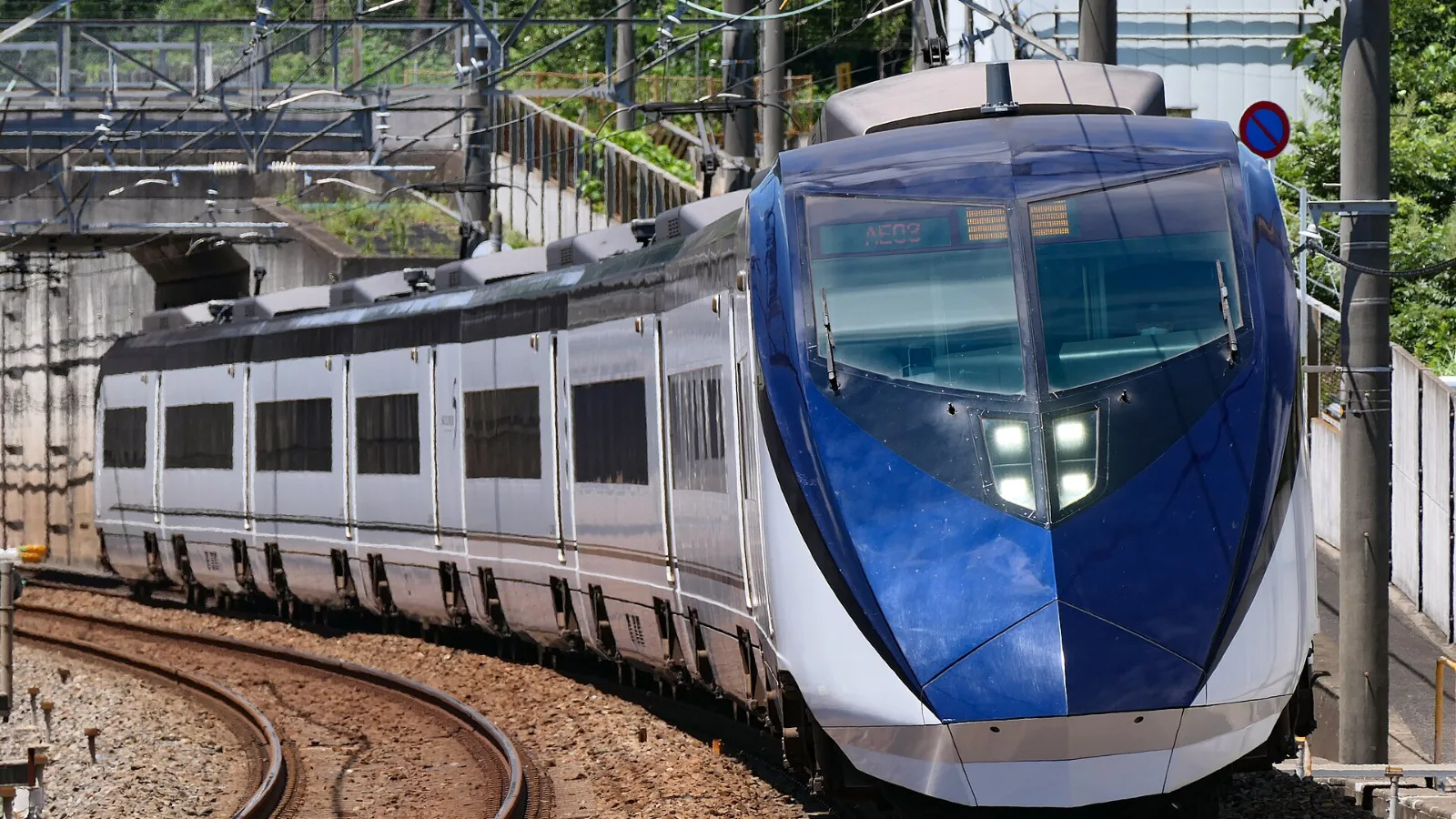
Take the Keisei Skyliner if your hotel is in Ueno, Asakusa or north-east Tokyo: it reaches Nippori in as little as 36 minutes for ¥2,580. Take the Narita Express if you are staying near Tokyo Station, Shinjuku, Shibuya or Yokohama, because it runs straight there, and the ¥5,200 round-trip ticket brings each leg close to the Skyliner fare.
 Travel Tips
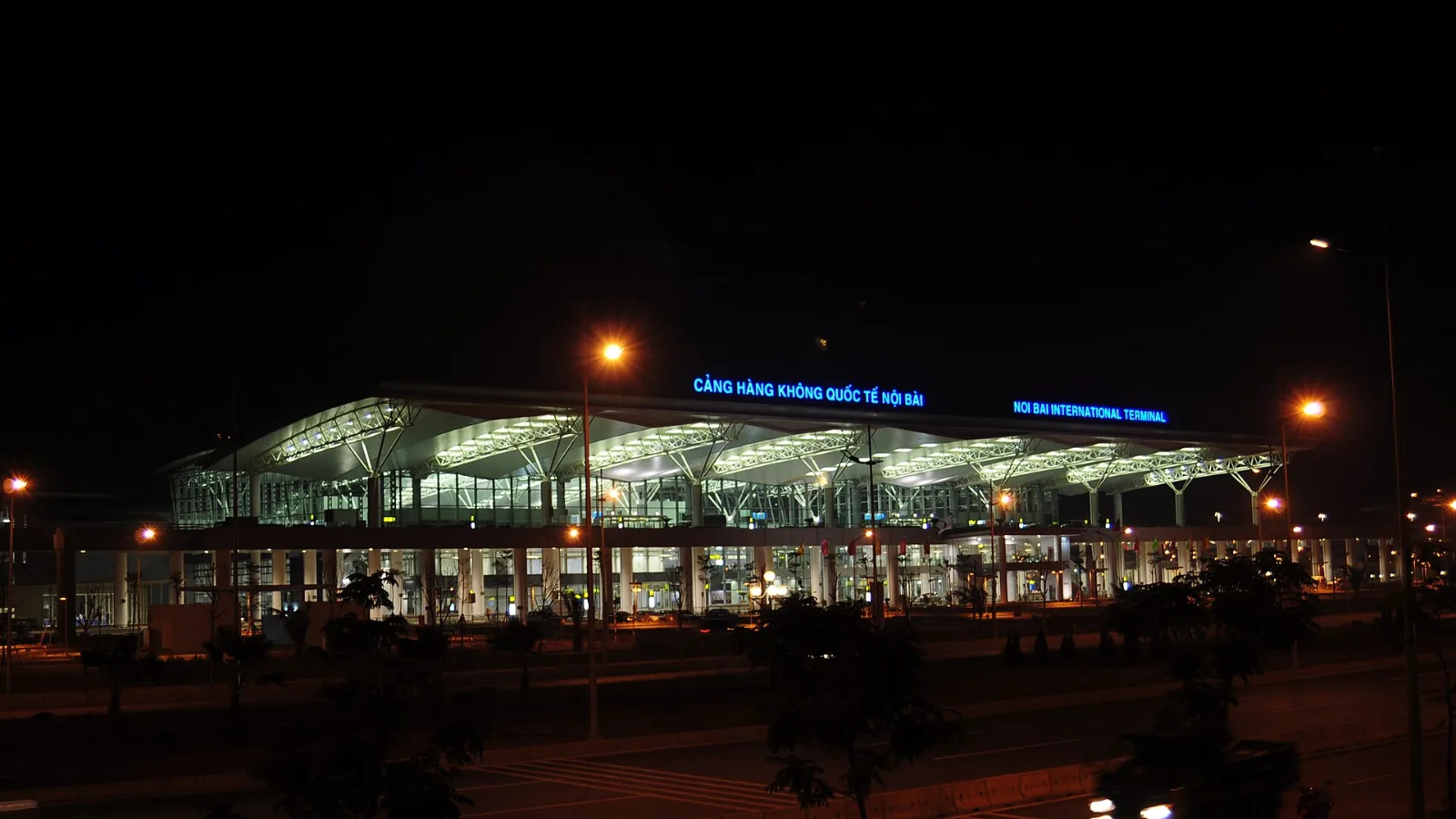
Take bus 86 if you are travelling light, land before mid-evening and are staying near Hoan Kiem Lake: it costs about 45,000 dong and takes 50 to 70 minutes. Take a Grab if there are two or more of you, you have big bags or you land late, because one car to the Old Quarter usually costs about 230,000 to 320,000 dong and drops you at the door.
 Travel Tips
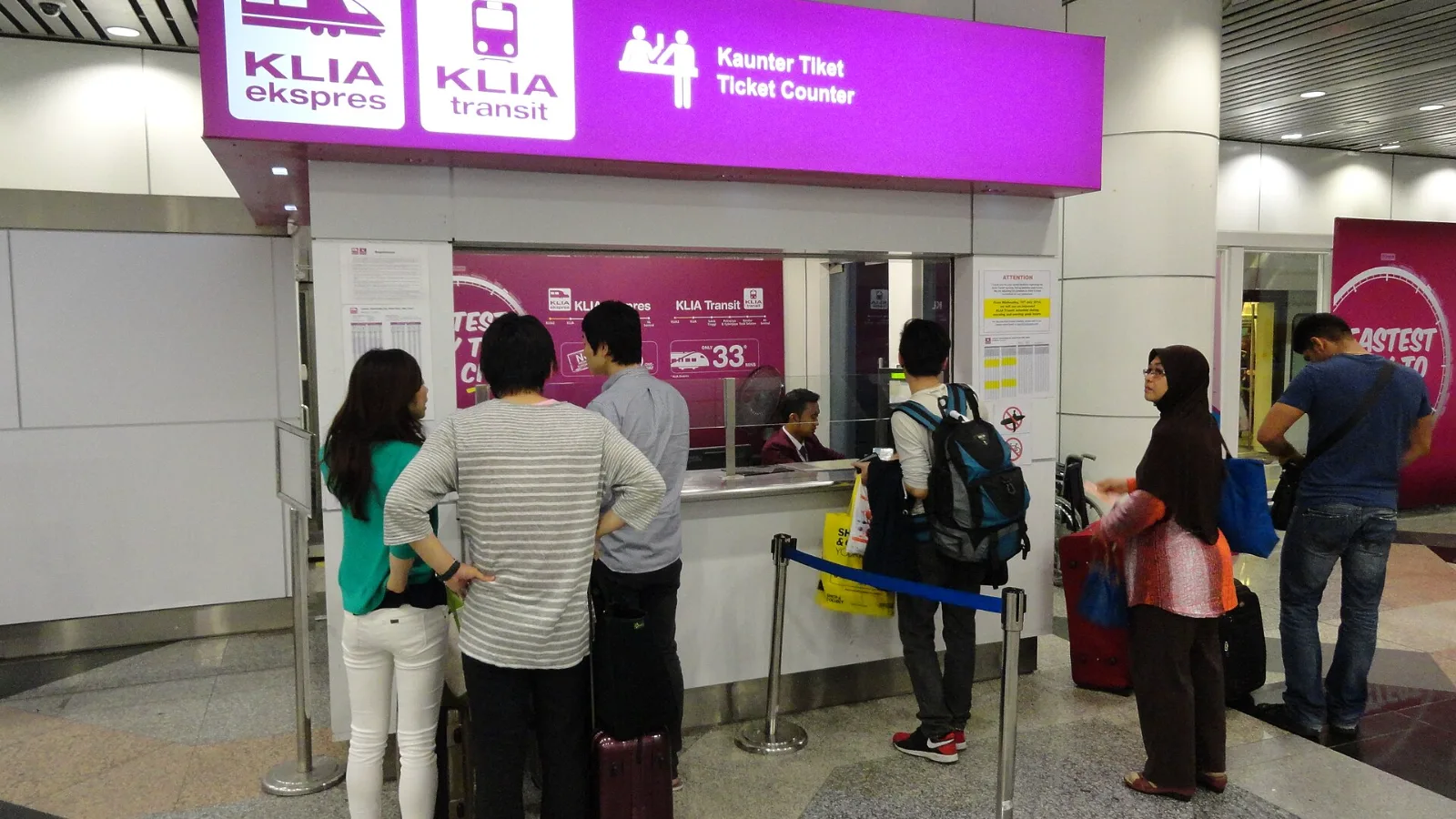
Take the KLIA Ekspres if you are travelling alone or as a pair and your hotel is near KL Sentral or a rail line: it reaches KL Sentral in 28 minutes from Terminal 1 for RM55, less 10% if you buy online. Take a Grab if three or more of you are going to a hotel away from KL Sentral, because one car fare usually costs less than three train tickets and drops you at the door.
| Connection | Helps with | Where it falls short |
|---|
| Noi Bai's free Wi-Fi | Messages and route checks in published terminal seating areas | The airport does not promise complete coverage outside those areas. |
| Home carrier roaming | Existing number and mobile data if your contract permits it | Allowance and charges depend on your home carrier. |
| Vietnam data-only eSIM | Maps and messaging after the terminal connection ends | No Vietnamese phone number or conventional SMS is included. |
| Physical local SIM | A local-number requirement, if a suitable offer is available | Purchase and setup happen after arrival and need a compatible device. |
 co:sim Team