Back to Blog
The Hakone Freepass is worth it when your itinerary uses the mountain railway, cable car, ropeway, sightseeing ship and buses across the Hakone circuit. For a short visit to one area, compare separate tickets first. An overnight stay improves flexibility, but does not automatically create savings. co:sim mobile data can help you check the operating route before committing to the pass.
The Hakone Freepass is Odakyu's sightseeing transport pass for the Hakone area. It comes in different origin versions: buying a Shinjuku round-trip version and buying the local-area version at Odawara are different decisions. This guide compares those decisions rather than assuming every visitor starts and ends in Tokyo.
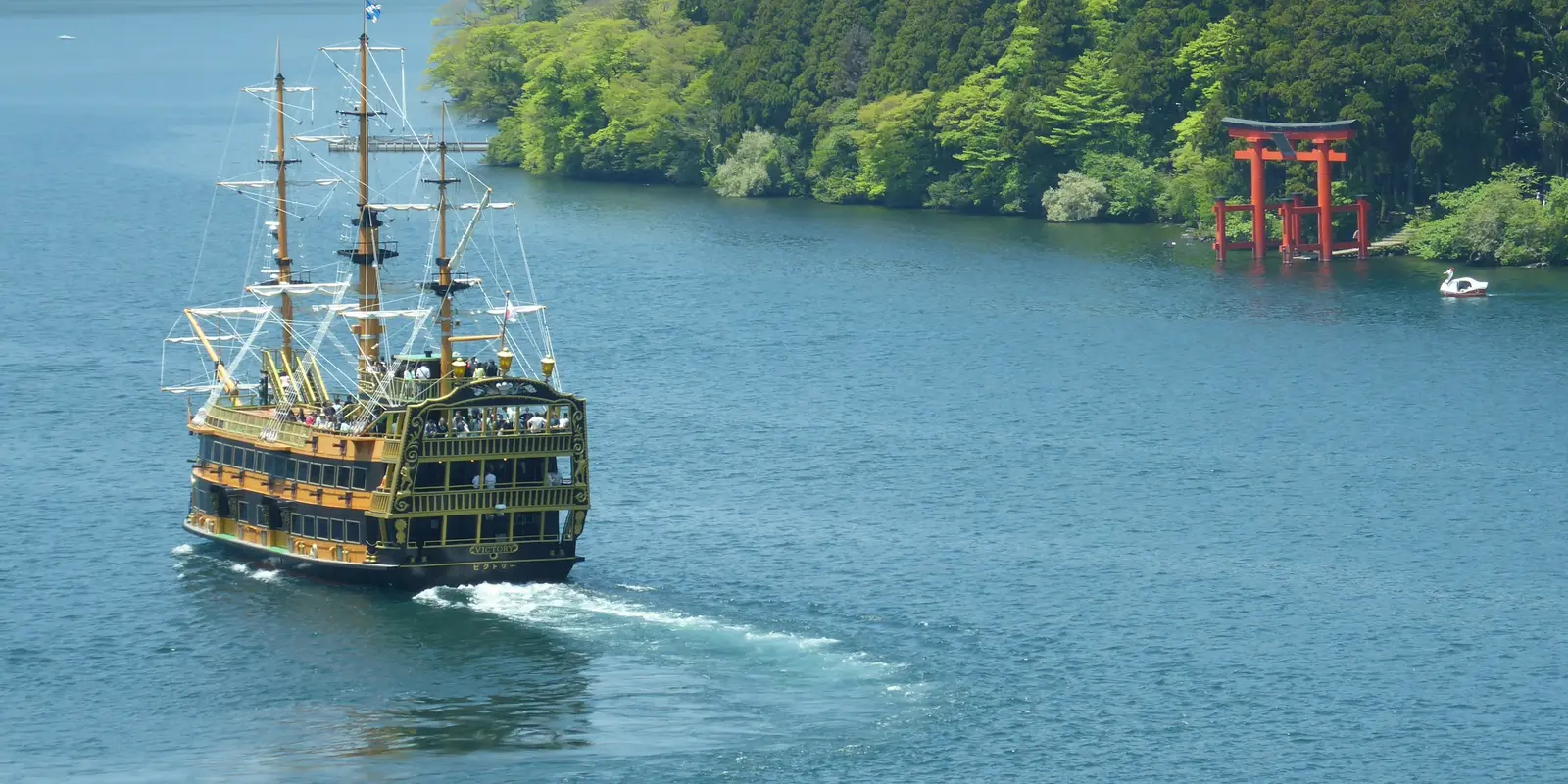
Start with the transport you will genuinely use, not a list of attractions you hope to photograph. A railway to Gora, the cable car to Sounzan, the ropeway toward Togendai, the sightseeing ship on Lake Ashi and a participating bus back form the familiar transport circuit. Japan Guide's assessment distinguishes that circuit from a simpler trip to the lake and back, for which the pass may not pay off.
| Your itinerary | Likely decision | Reason to check again |
|---|---|---|
| Full transport circuit, Tokyo return | Strong pass candidate | Weather or closures may remove planned rides |
| Lake visit with a direct out-and-back route | Compare separate fares | Fewer included modes may mean limited savings |
| Ryokan stay with several sightseeing legs | Pass often practical | Hotel transfers may replace rides you counted |
| Arrive at Odawara and continue toward Kyoto | Compare local-area pass | A Tokyo return component may be unnecessary |
| Mostly taxi or rental-car sightseeing | Pass less persuasive | Do not count rides you will not take |
“Worth it” includes convenience, but keep it separate from arithmetic. A pass can reduce repeated ticket purchases without making a quiet hot-spring stay cheaper. If your hotel already supplies a transfer, do not include a hypothetical bus fare as a saving.
The official Hakone Freepass fare table lists these adult prices. The Hakonenavi pass page independently presents the current table alongside an older one; use the current section rather than copying an old search snippet.
| Departure version | Two consecutive days | Three consecutive days |
|---|---|---|
| Shinjuku, including the Odakyu round trip | ¥7,100 | ¥7,500 |
| Odawara, Hakone local area |
These are adult pass prices checked for this guide, not the cost of a whole holiday. Accommodation, meals, admissions not included by the pass and any limited-express supplement remain separate. Recheck the official purchase page for your departure station and travel date.
The difference between the Shinjuku and Odawara two-day prices is ¥1,100, calculated from that official table. It is the difference between these products, not a standalone return ticket price and not a reason to buy a Tokyo component you will not use. Keep your arrival and departure route in the comparison.
The pass is offered for two or three days; using it on a day trip does not turn it into a cheaper one-day product. That distinction matters when another article casually calls it a “one-day Hakone pass.” Confirm the exact ticket name before paying.
The Freepass does not include the additional limited-express ticket needed for the Romancecar. Odakyu's Romancecar ticket guide explains that you need both the ordinary fare entitlement and a limited-express ticket with a reserved seat. The Shinjuku Freepass can supply the ordinary fare component; it does not reserve your seat.
The official page lists the adult Shinjuku–Hakone-Yumoto limited-express surcharge at ¥1,200 one way, with an online purchase discount of ¥50. As an example using the displayed standard surcharge, the Shinjuku two-day pass plus Romancecar both ways is ¥9,500: ¥7,100 + ¥1,200 + ¥1,200. This is a calculation from official fares, not an all-inclusive sightseeing package.
Compare that comfort purchase separately from the pass decision. You can decide that the pass fits your circuit while regular trains suit your budget. Conversely, booking a Romancecar seat does not establish that the Freepass fits a limited lake visit. They solve different parts of the trip.
When booking, match the train's direction, station and date to the itinerary. Hakone-Yumoto is not Gora or the lake pier: reserved-seat travel from Tokyo does not remove the local transport steps afterward.
For a day trip, decide which section you would give up if the day runs slowly. The full circuit is a transport sequence, not a guarantee that every attraction, lunch stop and photo queue will fit. Prioritize the included modes you most want to ride and check their operating information before starting.
A practical sequence is Hakone-Yumoto toward Gora, cable car and ropeway toward the lake, then sightseeing ship and participating bus. Reverse or shorten that outline when operating conditions make it sensible. Check the official pass area rather than assuming every bus, boat or destination around Hakone is covered.
If the lake itself is the main goal, compare a simpler direct journey with separate tickets. The pass may still feel easier, but ease and fare savings are different claims. Do not add several rides solely to justify something you already bought.
Keep the return departure separate from your sightseeing wishlist. A delayed lunch should cost you a marginal stop, not the ability to get back to your accommodation. Leave a clear point at which you stop sightseeing and begin the return.
An overnight stay is a good reason to spread the circuit over the pass's validity, particularly if you want time at a ryokan rather than a rush between vehicles. Put the hotel on the route before allocating sightseeing. Its check-in or dinner arrangements can make an ambitious afternoon loop impractical.
For an arrival from Kyoto or another city via Odawara, compare the local-area version and buy any onward intercity travel separately. The Odawara pass does not supply the Shinjuku return component. If you will continue in one direction, calculate that real route instead of pricing an imaginary Tokyo round trip.
Weather is part of this decision. Hakonenavi explicitly warns that services may be suspended in adverse conditions. Treat the pass as access to operating included services, not a promise that every mode will run. Review the route when conditions change, and ask the operator about the ticket rules rather than assuming compensation.
Read Odakyu's digital-ticket instructions before choosing the mobile version. The official Freepass page says its digital Freepass is used individually on a smartphone; do not assume one adult's phone can display every person's pass. Travellers without suitable phones should check a paper-ticket option with the operator.
co:sim's Japan data plans are a separate travel-data option for an unlocked, compatible eSIM phone. A data-only eSIM supplies internet access without a Japanese telephone number. It does not issue the Hakone pass, substitute for a required live ticket screen or guarantee signal on every mountain section.
| Phone preparation | Useful role |
|---|
Set up access to the ticket account before reaching a gate. Save the route separately, and follow the operator's display instructions for the ticket itself. A screenshot should not be presumed valid unless the operator specifically says so.
New customers can check the current offer and verification requirements on the free eSIM page.
FREECheck Japan free eSIM eligibilityYou can use a two-day Hakone Freepass during a one-day visit, but you still pay for the two-day product. The official fare table lists the adult Shinjuku version at ¥7,100 and the Odawara local-area version at ¥6,000. Decide whether your actual day's included rides justify that purchase. The classic railway, cable car, ropeway, ship and bus circuit is a stronger candidate than a short visit to one part of the lake. Add any Romancecar supplement separately, and leave time for the return journey. A pass does not extend operating hours or remove queues. If weather closes a mode you intended to use, reassess the remaining itinerary before buying. The question is what transport you will ride that day, not how many calendar days remain on the ticket afterward.
Choose a digital Hakone Freepass by following Odakyu's current purchase and display instructions, rather than assuming a particular SIM makes you eligible. The official pass page says the digital Freepass is an individual smartphone ticket, so check device arrangements for each traveller before buying. co:sim Japan plans provide data without a Japanese telephone number; they are a connectivity service, not an Odakyu ticket or account-registration guarantee. They can help with online information where reception is available. Keep the ticket accessible on a charged phone and retain a separate offline route and hotel address. Do not treat a screenshot as valid without the operator's permission. For someone without a suitable phone, ask about paper tickets. Getting the display method right matters more than having a particular mobile provider when approaching a transport gate.
When a Hakone transport mode stops running, check the operator's current service information and rebuild the day's route around services that are available. Hakonenavi warns that adverse weather can suspend services; buying the pass does not guarantee the complete circuit. Mobile data from co:sim can help you load updates or contact your accommodation, but a mountain signal gap is still possible, so save your hotel details separately. If you have not bought the pass, compare the remaining included rides with separate fares. If you already have it, ask staff about alternative routing and the applicable ticket rules rather than assuming an automatic refund. Prioritize a reliable return or hotel arrival over finishing the circuit. Transport access, seat reservations and compensation rules remain the operator's responsibility.
Choose your actual route first, the correct origin version second, and any reserved seat separately. Compare co:sim's current Japan options for mobile data alongside that travel plan.
Explore Japan data-only eSIM plansInstant delivery by email · Install before you fly
 Travel Tips
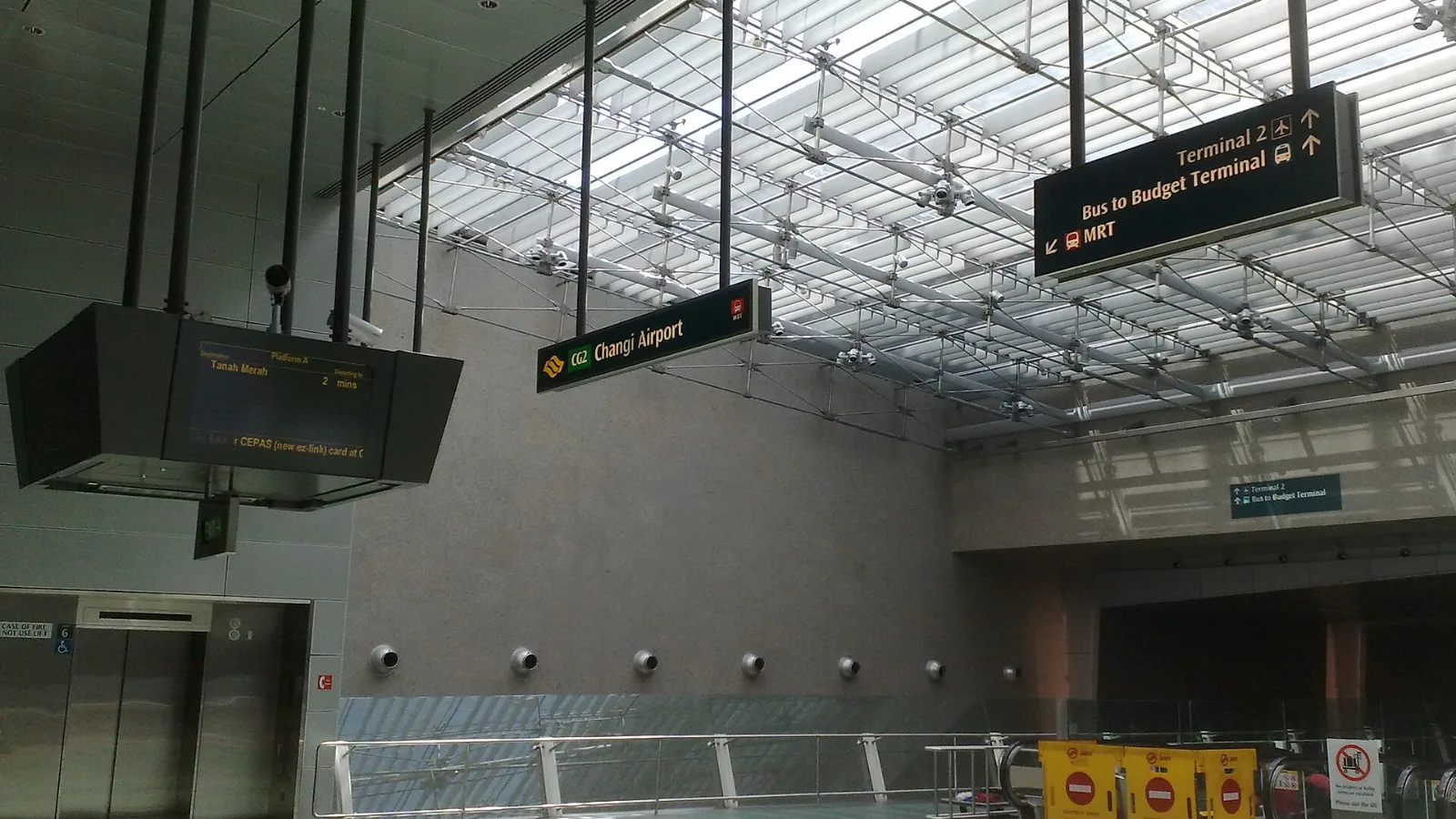
Take the MRT if you are one or two people staying near a train line: it costs about S$2 to S$3 and takes 35 to 50 minutes with one change. Take a Grab or taxi if three or more of you are sharing, you land at Terminal 4 or after the last train, because a car to the city takes about 30 minutes and usually costs S$25 to S$45.
 Travel Tips
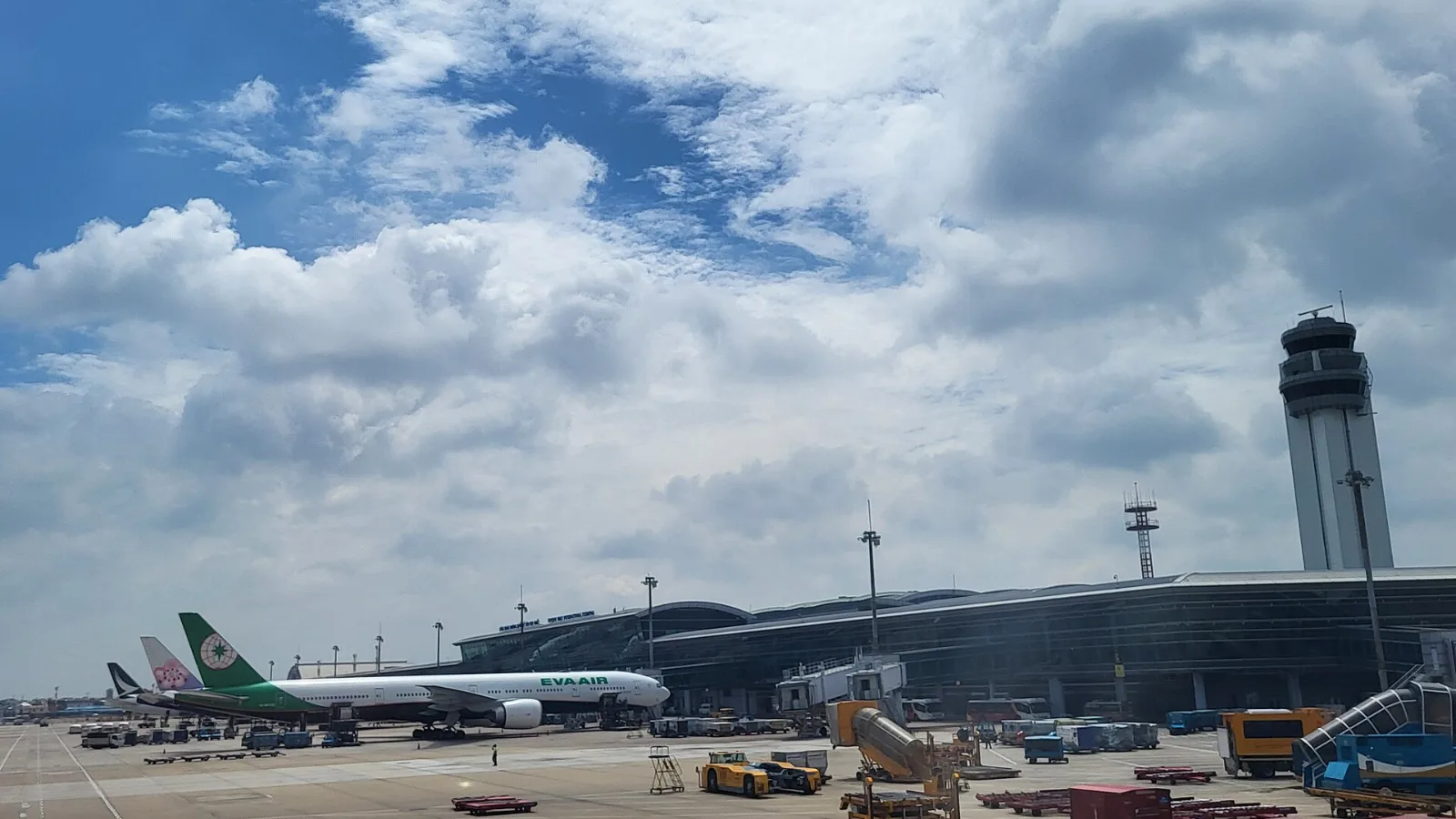
Take a Grab if you land at international Terminal 2, have a suitcase or are two or more people: a GrabCar to District 1 usually costs about 150,000 to 250,000 dong. Take bus 109 only on a tight budget with light luggage, because since 2025 it leaves from domestic Terminal 3, not the international terminal.
 Travel Tips
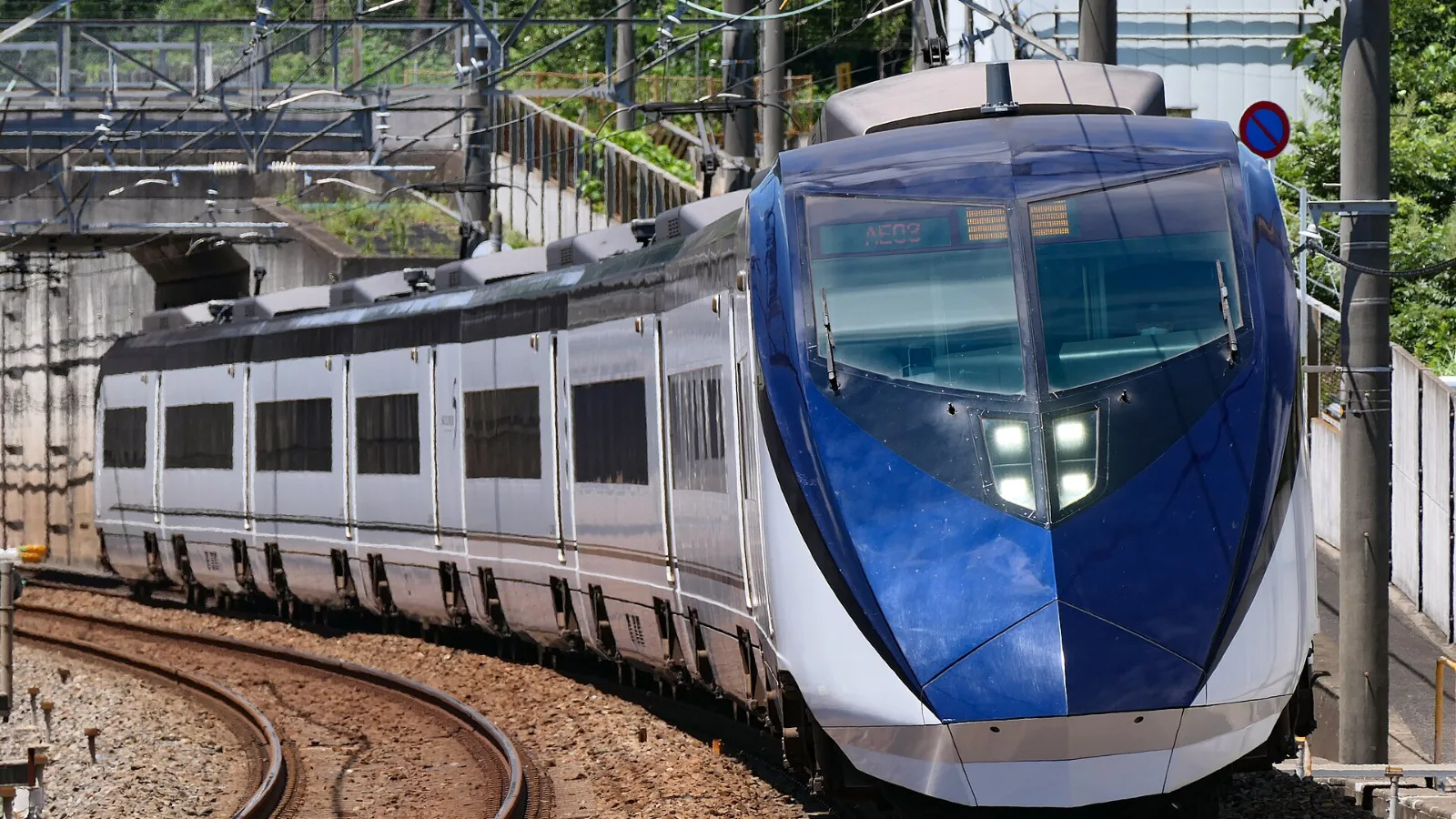
Take the Keisei Skyliner if your hotel is in Ueno, Asakusa or north-east Tokyo: it reaches Nippori in as little as 36 minutes for ¥2,580. Take the Narita Express if you are staying near Tokyo Station, Shinjuku, Shibuya or Yokohama, because it runs straight there, and the ¥5,200 round-trip ticket brings each leg close to the Skyliner fare.
| ¥6,000 |
| ¥6,400 |
| What it does not do |
|---|
| Saved route and hotel address | Backup when reception drops | Replace the operator's valid ticket |
| Charged phone and power bank | Keep tickets available | Fix an incorrect ticket purchase |
| co:sim Japan data-only eSIM | Check operating updates and message the hotel | Guarantee reception or include transport fares |
 co:sim Team