Back to Blog
The free eSIM for Malta is co:sim's new-user trial: 1 GB for 7 days, $0 at checkout, and it rides the Europe (33 areas) plan, so the same card keeps working in 32 other European countries. You sign in, then enter an email and a valid payment card at checkout for verification. Nothing is charged. It is one per new user.
Whether it is useful to you depends on where your own SIM comes from, and this guide is honest about that. A German or Irish visitor already pays domestic rates in Malta. A visitor from Toronto, Dubai or Sydney does not. And everyone has a reason to test an eSIM at zero cost before buying a longer plan.
It is a 1 GB, 7-day data plan on the Europe (33 areas) product, offered once to a new account. At checkout you are charged $0. A card is collected for verification only, which is what stops one person claiming the offer repeatedly, and you pay nothing unless you later choose to top up.
Two timing rules matter more than the data figure. Install and activate the eSIM within 30 days after purchase. Once activated, the free plan runs for 7 days from your first connection, not from the day you bought it, so claiming it a fortnight before the trip does not burn the week.

Not always, and pretending otherwise would be dishonest. Malta is an EU member state, so under the European Commission's roam like at home rules an EU or EEA subscriber uses their domestic allowance in Malta at domestic prices. If you are flying in from Munich, Dublin or Milan, you probably will not pay a roaming surcharge at all.
There is a real caveat, though, and it is the reason a spare 1 GB is worth holding. The Commission confirms an operator may apply a fair-use data limit when you roam, must alert you at 80 per cent of it, and may charge above it: the surcharge started at €2 per GB plus VAT in 2022 and steps down to €1 per GB by 2027. On a small bundle that limit can arrive mid-week, and a second profile is capacity that does not touch it.
UK visitors sit in a third position. The UK government states that surcharge-free roaming in EU and EEA countries is no longer assured now the transition period has ended, though many operators have kept their policies unchanged, so the answer genuinely depends on your tariff. A £45-per-billing-period data spending cap and alerts at 80 and 100 per cent still apply. Check your own terms rather than assume either outcome.
Travellers from outside both footprints (North America, the Gulf, Asia, Australia) are where the case is simplest, because standard pay-as-you-go roaming is the expensive default there.
The Europe (33 areas) plan lists Malta on Vodafone and GO, both at 5G. That is the same host list the paid Malta plans use, so the trial is a genuine test of the network rather than a stripped-back version of it.
GO describes its own 5G as fibre-connected and the fastest service available in Malta, included on all its mobile plans at no extra charge and up to 20 times faster than LTE at theoretical maximum. Treat that as the operator's own claim; for an independent view, the Malta Communications Authority publishes a Mobile Quality of Service Benchmarking exercise, now in its second independent round.
Coverage is not split by island. The plan covers Malta as a territory, so Gozo and Comino are inside it, and your phone attaches to whichever of those two networks it finds. Signal on a small, thinly populated island is still thinner than in Sliema, and Dwejra or the Gozo coastal walks are where you notice it. That is a physical-geography fact, not a plan limitation, and it applies to a local SIM equally.
For maps, messaging, ferry and bus times, restaurant lookups and a few boarding passes, yes, comfortably. Malta is small and English is an official language alongside Maltese, so you spend less data on translation than almost anywhere else in the Mediterranean.
For anything that streams, no. A week of video on the bus to Mdina, cloud photo backup of a Blue Lagoon day, or tethering a laptop will pass 1 GB well before the seven days are up. That is the honest boundary of a trial plan: it exists to prove the eSIM works and to carry the essentials, not to replace a paid plan for a data-heavy fortnight.
If your week looks like the second description, the Malta plans run from a 1 GB / 7-day card up to 20 GB over 30 days, plus daily-allowance options that throttle rather than stop once the day's bucket is spent. For a trip that pairs Malta with Sicily, Rome or a wider European loop, the Europe (33 areas) plan is the same coverage list as the free trial, in larger sizes.
Four steps, and all of them belong at home rather than at Malta International Airport.
Yes, the amount charged at checkout is $0. The card is collected for verification only, which is how the offer stays limited to one per new user rather than being claimed repeatedly by the same person with different email addresses. You pay nothing at that point, and you only pay later if you decide to top the eSIM up or buy a different plan.
Two things follow from how the offer is built. First, you have to sign in: the eligibility check is tied to an account, so there is no anonymous claim path. Second, it is a new-user offer, so it can be claimed once. If your account has already used it, the co:sim paid Malta and Europe plans are the route instead. Eligibility is confirmed at checkout, which is also where you would see it if the promotion were paused.
Yes. The plan covers Malta as a territory rather than island by island, so Gozo and Comino are inside the same coverage entry as Valletta, and your phone attaches to Vodafone or GO wherever it finds the stronger signal. Nothing changes when you board the ferry.
What does change is signal density. A sparsely populated island has fewer cells than a built-up shoreline, so the Dwejra area, the cliff walks and parts of the Gozo coast are weaker than Sliema or St Julian's. This is geography rather than a restriction in the plan, and a local prepaid SIM would behave the same way. The practical answer is to download offline maps for Gozo before the crossing, which also spares the 1 GB for ferry times, bus apps and photos.
Sometimes, and the reason is the fair-use cap rather than the headline price. Under roam like at home, an EU or EEA subscriber pays domestic rates across the 27 member states plus Iceland, Liechtenstein, Norway, Ukraine and Moldova, and Malta is inside that, so there is no surcharge to avoid.
But the Commission also allows an operator to set a fair-use data limit on roaming, to alert you at 80 per cent of it, and to charge beyond it, a surcharge that started at €2 per GB plus VAT in 2022 and steps down to €1 per GB by 2027. A small domestic bundle can hit that limit part-way through a week away. A separate co:sim profile holding 1 GB is capacity that sits outside your operator's roaming counter, and claiming it costs nothing, so the downside is limited to the minutes spent installing it.
Two clocks run, and they are easy to mix up. You have 30 days after purchase to install and activate the eSIM. Once it activates, the free plan runs for 7 days from your first connection, so buying it early does not shorten the week you actually get.
Extending it does not mean installing anything again. The free card is reloadable: a top-up adds data or validity to the profile already on your phone, with no second QR code and no gap in service. The same profile also covers the other 32 countries on the Europe (33 areas) list, which makes it useful for a Malta stop inside a wider European trip. Claim it at home, install on Wi-Fi, and keep a co:sim paid plan in mind only if the week turns out to be heavier than 1 GB.
Instant delivery by email · Install before you fly
 Travel Tips
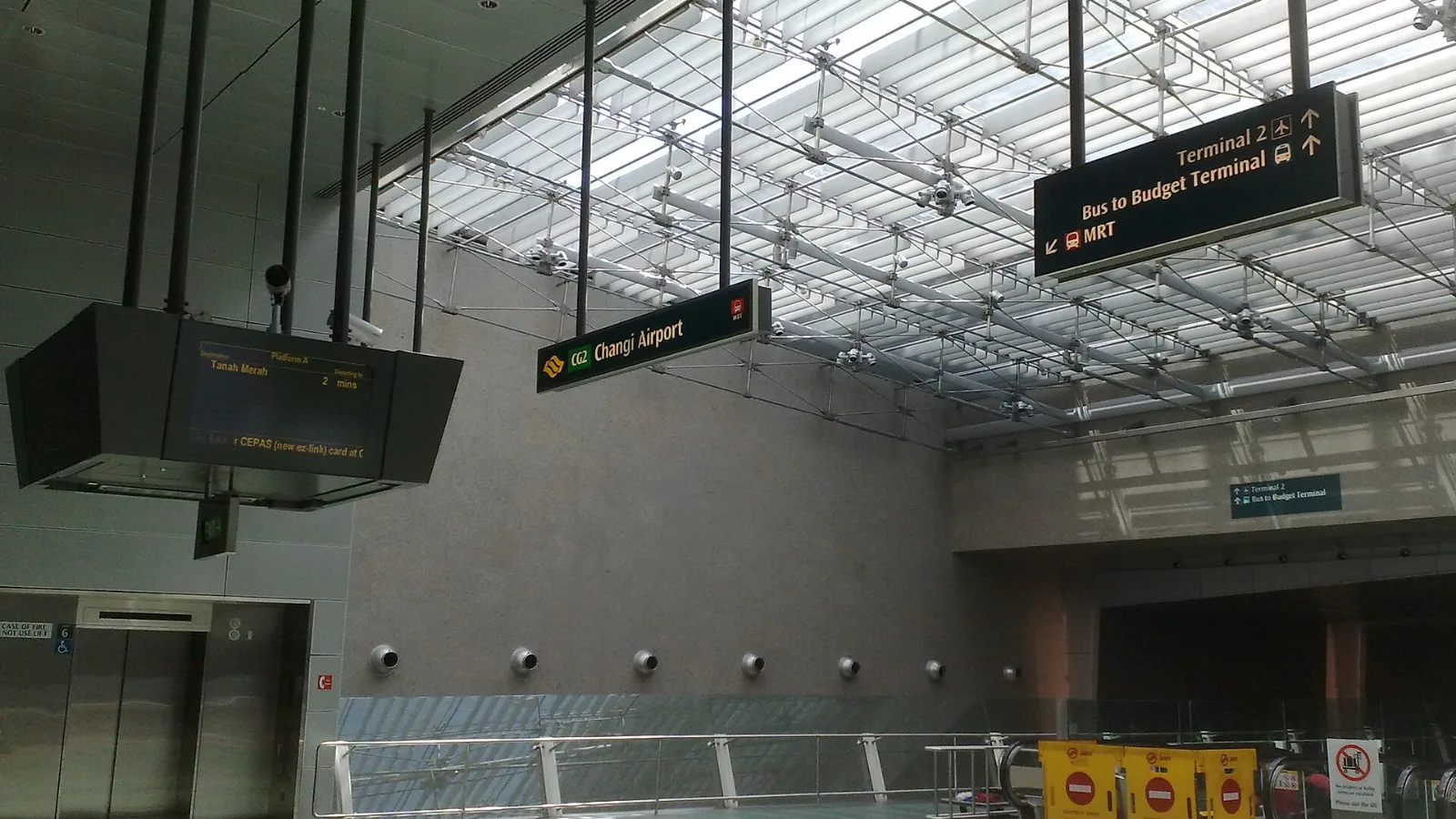
Take the MRT if you are one or two people staying near a train line: it costs about S$2 to S$3 and takes 35 to 50 minutes with one change. Take a Grab or taxi if three or more of you are sharing, you land at Terminal 4 or after the last train, because a car to the city takes about 30 minutes and usually costs S$25 to S$45.
 Travel Tips
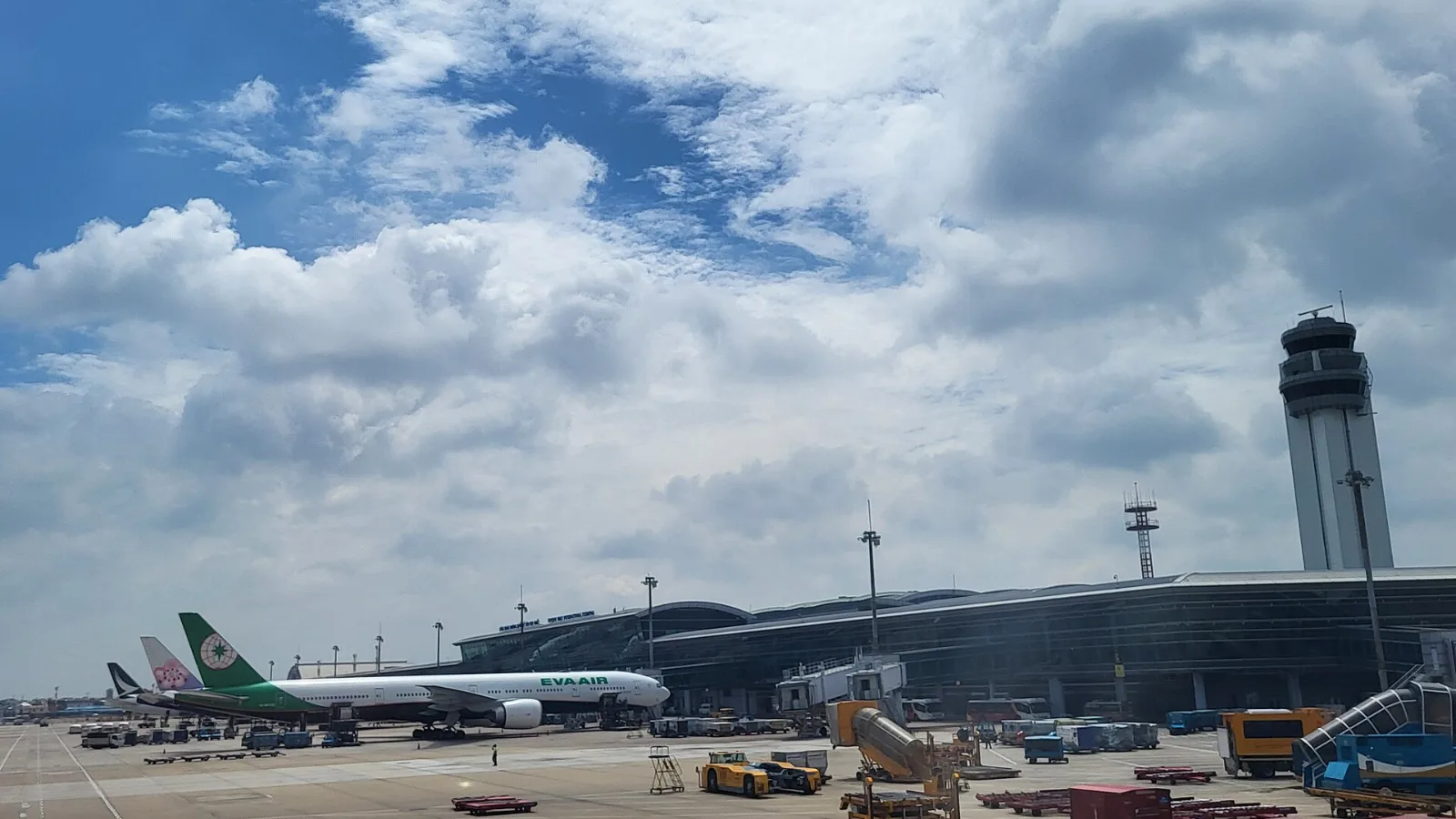
Take a Grab if you land at international Terminal 2, have a suitcase or are two or more people: a GrabCar to District 1 usually costs about 150,000 to 250,000 dong. Take bus 109 only on a tight budget with light luggage, because since 2025 it leaves from domestic Terminal 3, not the international terminal.
 Travel Tips
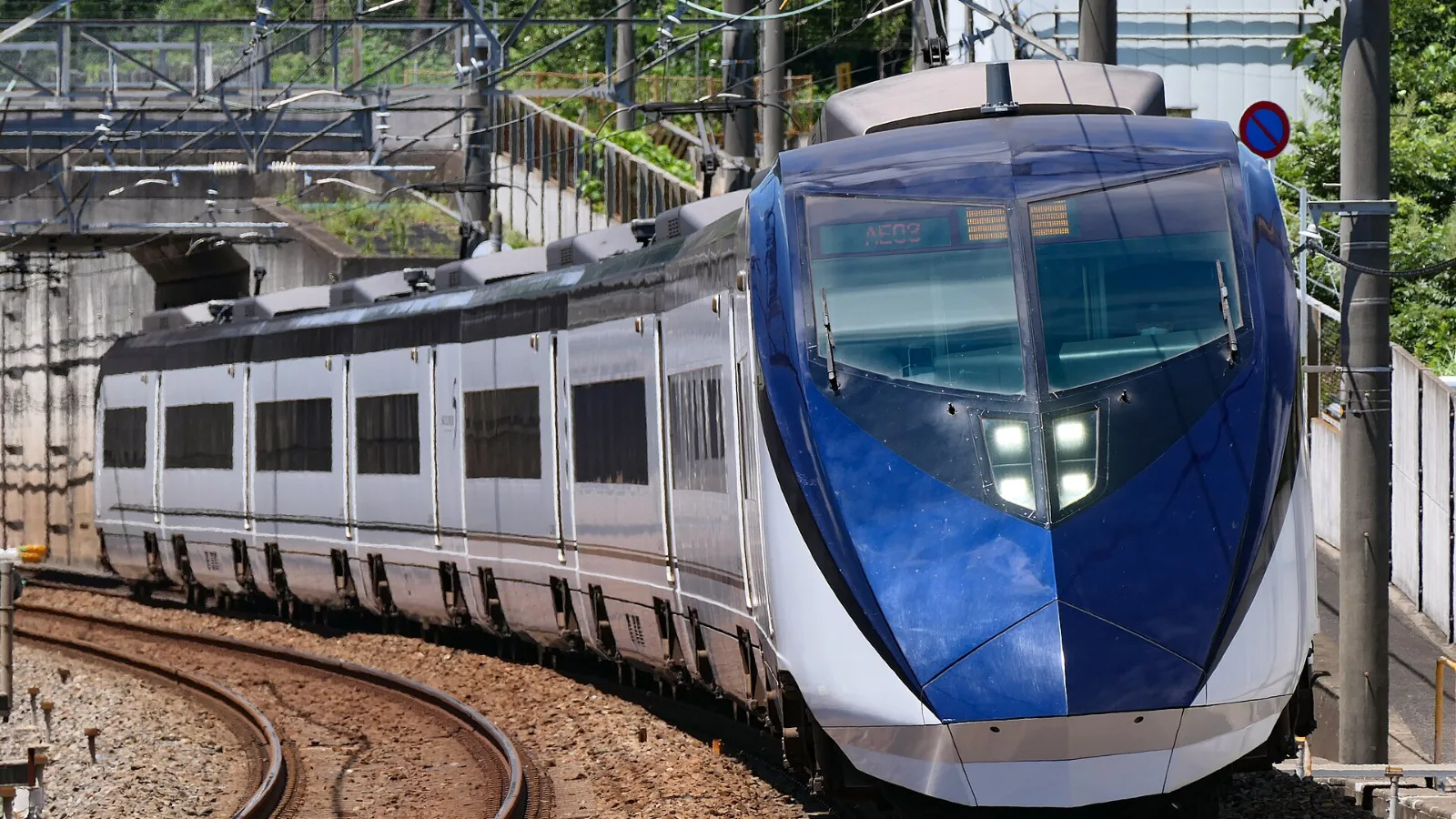
Take the Keisei Skyliner if your hotel is in Ueno, Asakusa or north-east Tokyo: it reaches Nippori in as little as 36 minutes for ¥2,580. Take the Narita Express if you are staying near Tokyo Station, Shinjuku, Shibuya or Yokohama, because it runs straight there, and the ¥5,200 round-trip ticket brings each leg close to the Skyliner fare.
 co:sim Team