
Back to Blog
An eSIM is a small chip soldered separately onto a phone's motherboard. An iSIM (integrated SIM) puts that same secure function directly inside the phone's main processor, the system-on-chip (SoC), with no separate chip at all. For a traveler, the two work identically — same QR-code install, same profile-switching — the difference is internal hardware, not anything you'd notice at checkout.
An eSIM is still a physical, dedicated component: Yesim describes it plainly as a chip that "is soldered to the motherboard," separate from the phone's processor even though it can't be removed like a tray-based SIM. An iSIM goes a step further and eliminates that separate chip entirely. KORE Wireless's technical documentation explains that "an iSIM is integrated into the processor chipset itself," occupying "its own dedicated space on the System on Chip," protected there by what the industry calls a Tamper Resistant Element. It's worth stressing what iSIM is not: KORE's own documentation is explicit that "iSIM is not a Soft SIM" — it's still dedicated, certified secure hardware, just built into the same silicon as the processor instead of sitting next to it.
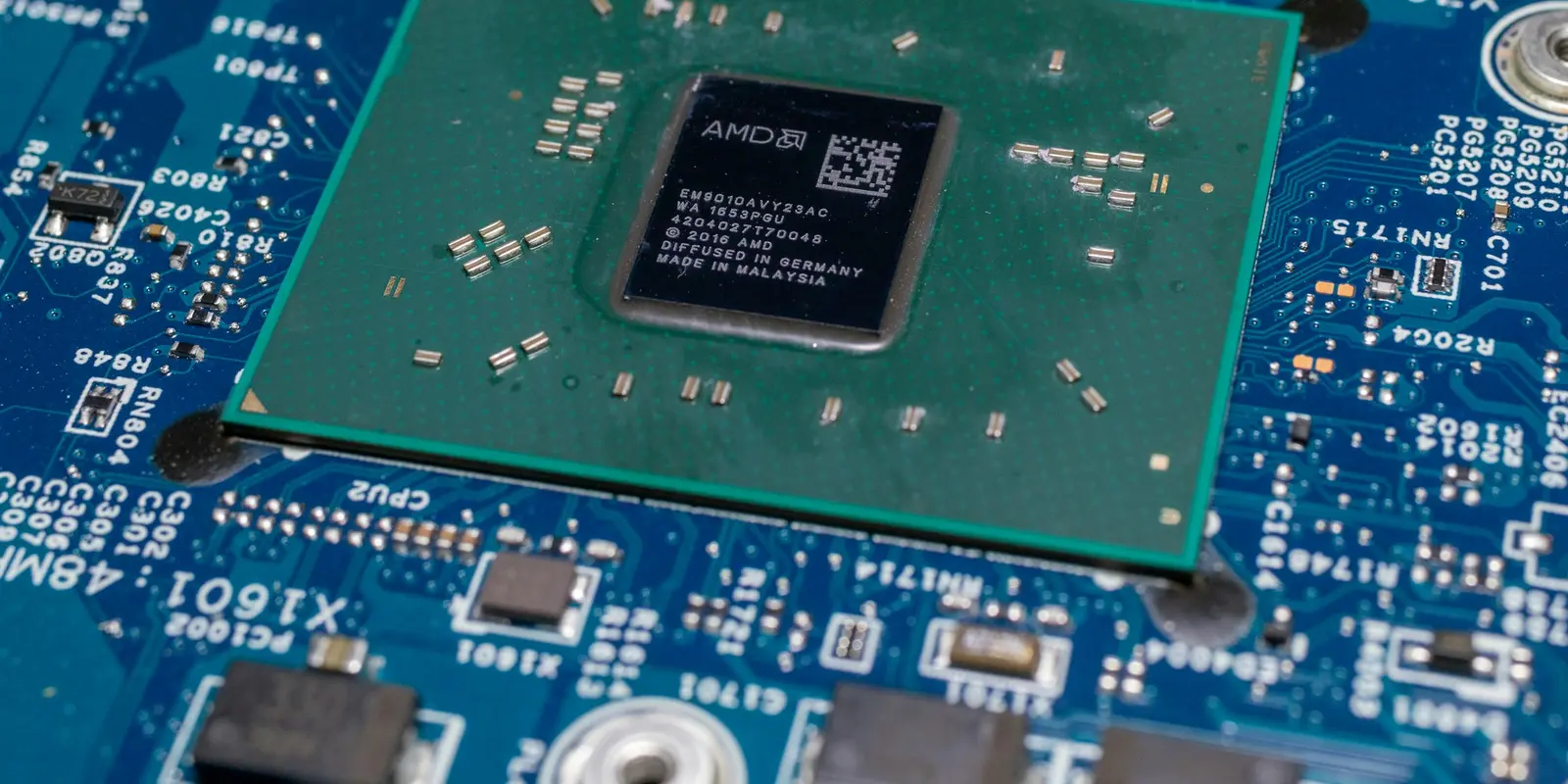
Moving the SIM function onto the main processor is a manufacturing decision more than a user-facing one. KORE's documentation ties the integration directly to "smaller device sizes and reduced manufacturing costs" — one less discrete component to source, place, and solder means more internal room for other things, like a larger battery, and one fewer part in the supply chain. Yesim's comparison of the two puts it simply: "eSIM is compact, and iSIM can be called subcompact." None of this is a reason to buy or avoid a specific phone as a traveler; it's a hardware efficiency story, not a connectivity one.
No, and this is the part that actually matters for a trip. Teksimo's own comparison for travelers confirms that on iSIM-equipped hardware like Qualcomm's Snapdragon 8 Gen 3, "the activation flow mirrors eSIM" — you still scan a QR code or use an activation link, and a co:sim plan installs and activates the exact same way regardless of whether your phone's SIM function sits on a separate chip or inside the processor. Where it can get more complicated is switching devices mid-trip: Teksimo notes that because "iSIM profiles bind to the chipset's hardware root of trust," some carriers add extra IMEI-SIM binding steps to move a profile to a new device, which the article calls "not ideal for spontaneous travel" if your phone breaks or gets lost abroad.
Not yet, and that's a carrier-readiness gap rather than a technology one. Teksimo's assessment is direct: "many international partners haven't updated their SM-DP+ systems to handle iSIM-specific profile binding," which makes iSIM today "useful for future-proofing, less so for immediate travel needs." In practice, a co:sim eSIM plan is provisioned through the same remote SIM provisioning standard either way, so this is a detail to watch rather than something to plan a purchase around right now.
No. An iSIM performs the exact same function as an eSIM — storing one or more carrier profiles and letting you switch between them — just built into a different piece of silicon. Any eSIM plan you'd install on a phone with a separate eSIM chip, including a co:sim Japan eSIM, installs the same way on an iSIM-equipped phone: you still receive a QR code or activation link, scan or tap it, and the profile downloads and activates. The remote provisioning standard that makes this work is the same standard either way. The only meaningful difference travelers have reported so far is around switching an already-activated profile to a different device mid-trip, where an iSIM's tighter hardware binding can occasionally require an extra step with your carrier or provider.
Not exactly — iSIM describes where the secure hardware lives, not the profile you download. Whether your phone has a separate eSIM chip or an integrated iSIM, you're downloading and activating the same kind of digital SIM profile either way; the phone's hardware determines where that profile is securely stored and processed, inside a dedicated chip for eSIM or inside a protected area of the main processor for iSIM. From the traveler's side, the profile, the provider's app, and the activation steps all look identical — installing a co:sim plan, for instance, is the same QR-code scan regardless of which hardware variant sits underneath. The distinction only really shows up in manufacturer specs and teardown reports, not in anything you configure or see during setup, and no eSIM app can even tell you which one your phone uses without checking the hardware documentation separately.
Consumer iSIM adoption is still limited to specific processors rather than being standard across phones. Qualcomm's Snapdragon 8 Gen 2 was the first mainstream mobile chipset to build in iSIM support, with later Snapdragon 8-series chips, including the Gen 3 generation, continuing that support in partnership with Thales on the secure hardware side. Having an iSIM-capable processor doesn't automatically mean a specific phone model ships with iSIM active instead of eSIM, since that also depends on the manufacturer's own hardware design and firmware choices — some phones built on iSIM-capable chipsets still use a conventional eSIM chip instead. Most phones sold today, including the large majority of eSIM-capable iPhones and Android devices, still use a traditional separate eSIM chip rather than an integrated iSIM, which is exactly why the practical setup experience described above is the one worth knowing for now.
They're built to the same fundamental security bar, since both rely on a certified, tamper-resistant hardware element to store SIM credentials rather than software alone — KORE Wireless's own documentation is explicit that "iSIM is not a Soft SIM," meaning it doesn't trade away the dedicated hardware protection an eSIM has. iSIM's protected area sits inside the processor's own Tamper Resistant Element rather than on a separate chip, which is a different physical implementation of a similar security guarantee rather than a meaningfully stronger or weaker one for an everyday traveler. For a co:sim customer, the practical security of the profile itself — encrypted delivery, activation tied to your device — doesn't change based on which hardware variant your phone happens to use.
Eventually, more phones will likely drop the tray, but that shift is already happening because of eSIM, not because iSIM specifically pushes it along faster. Manufacturers have been removing SIM trays on select models for years to free up internal space and simplify manufacturing, and iSIM extends that same logic one step further by also removing the separate eSIM chip too. The two technologies point in the same direction — fewer physical components dedicated to SIM functionality — rather than iSIM being some distinct new pressure on tray-equipped phones that eSIM hadn't already created. A phone with a tray today can still get a travel eSIM like co:sim's installed alongside a physical SIM, regardless of what happens to iSIM adoption over the next few years, and that combination isn't going away just because newer flagship chipsets happen to support iSIM.
Whether your phone's SIM lives on a separate chip or inside the processor, installing a co:sim data-only eSIM works exactly the same way.
Mexico
1-day trip pass
From $2.99
Canada
1-day trip pass
From $2.99
Brazil
Valid 7 days
From $3.99
Instant delivery by email · Install before you fly
 eSIM Guides
povo Data-Only cannot use overseas roaming. Compare a new Voice + Data contract with separate travel eSIM data, and check the actual purchase conditions.
 eSIM Guides
Compare T-Satellite's supported apps, compatible phones and recurring add-on with travel eSIM data. Check which connection your itinerary actually needs.
 eSIM Guides
Check how au's reservation rate stretches an eligible monthly roaming credit, then compare separate travel data and the announced February 2027 changes.
Valid 7 days
From $3.99
 co:sim Team