eSIM for the Singapore Grand Prix: A Connectivity Guide for F1's Night Race
 co:sim Team
If you're flying in for the 2026 Formula 1 Singapore Grand Prix on October 9-11, install your eSIM before you leave home, not after you land. Marina Bay Street Circuit pulls Singapore's biggest single-weekend crowd of the year into a few square kilometers of downtown streets, and an airport SIM counter or congested venue Wi-Fi is the last place you want to be fighting for a connection when you need maps, a ride-hailing app, or your ticket QR code. A data-only eSIM like co:sim's Singapore plan solves this by activating on arrival with zero queueing, since the QR code lands in your inbox the moment you buy it. This guide covers the race weekend itself: circuit logistics, why the race runs at night, the heat you'll be standing in, and how to get connected before you touch down.
#What makes the Singapore Grand Prix weekend different for connectivity?
The 2026 Singapore Grand Prix runs October 9-11 at the Marina Bay Street Circuit, and for the first time it's a Sprint weekend: Sprint Qualifying on Friday, the Sprint race and Grand Prix Qualifying on Saturday, and the Grand Prix itself on Sunday, per the official F1 race schedule. That's three consecutive nights of racing packed into one location, not the single Sunday afternoon most fans plan around.
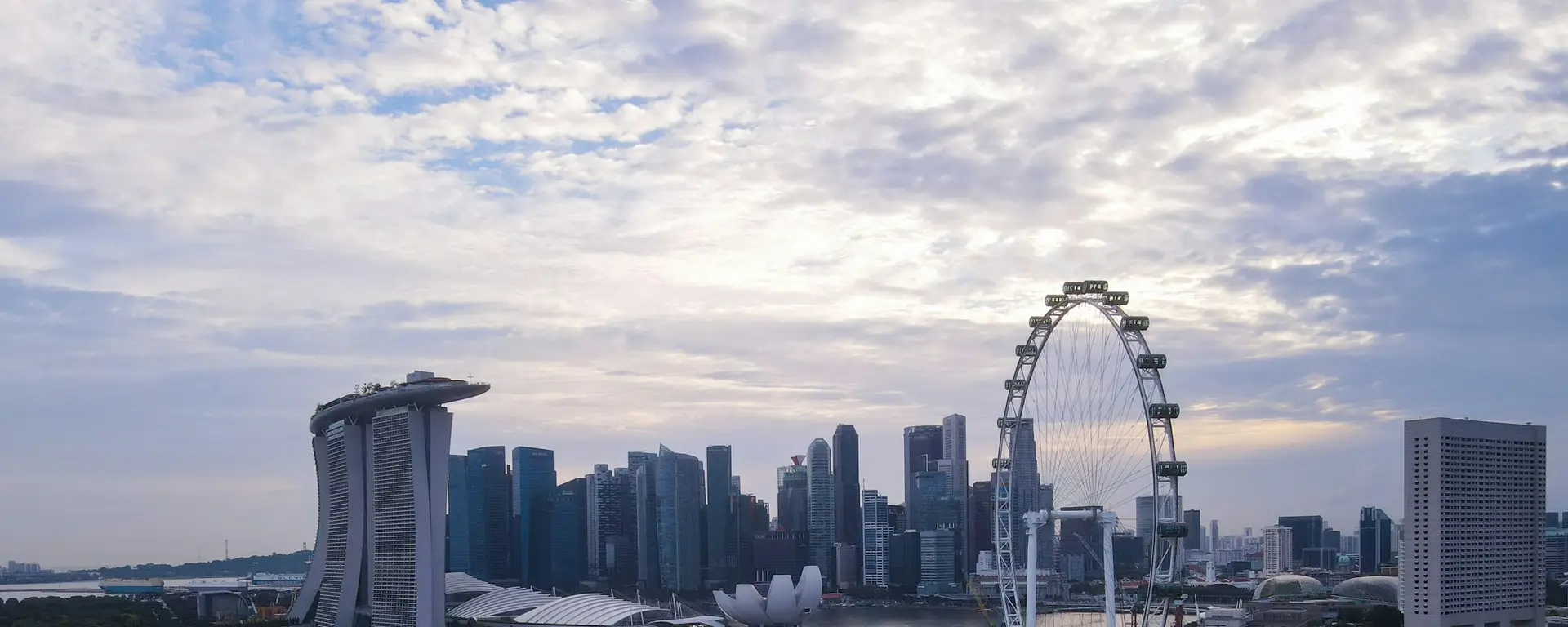
Unlike a purpose-built circuit on a city's outskirts, Marina Bay Street Circuit sits inside Singapore's central business district, with public roads closed and turned into a temporary track. The 2025 race weekend drew a total attendance of 300,641, the second-highest in the event's 16-year history, according to the official Singapore Grand Prix recap. Fit that many people into a downtown grid over three days and every phone in that footprint is competing for the same handful of cell towers.
#Why does the Singapore Grand Prix run at night?
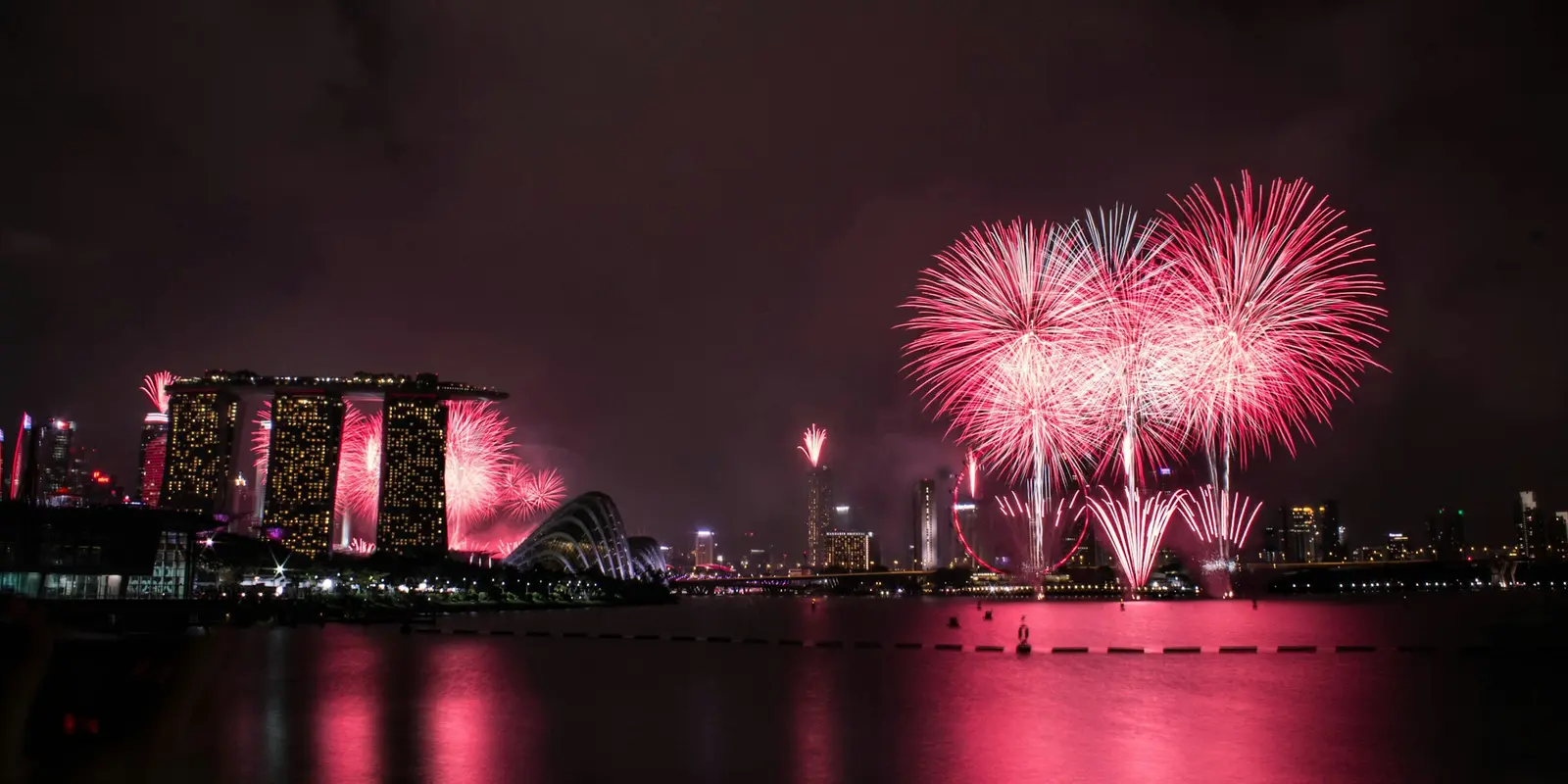
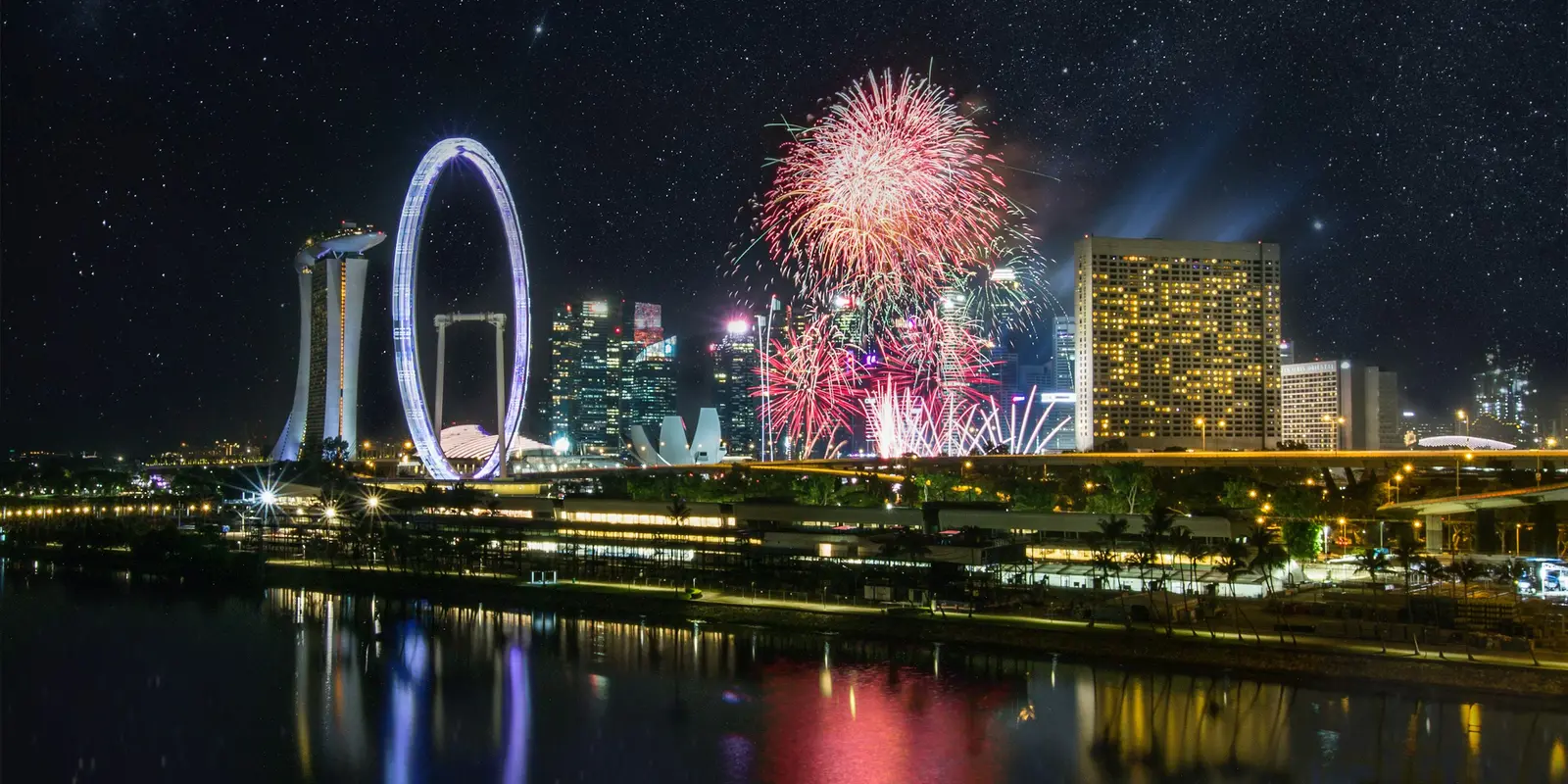
Singapore hosted F1's first-ever night race in 2008 and has run under floodlights every year since, a fact the official F1 race page still leads with today. The format wasn't chosen for spectacle alone: RacingNews365 explains it was "the first race to be run entirely at night under floodlights, which allowed European audiences to watch at a suitable hour" — Singapore's evening lines up with a Sunday afternoon broadcast slot back in Europe. Making that possible took engineering, not just switches: around 1,600 custom-made floodlights ring the circuit, generating light roughly four times brighter than a typical stadium and specifically angled to meet F1's television standards, per race-facts coverage from GP Destinations.
For your data plan, that means the weekend's heaviest phone usage happens after dark, not during the day. You're navigating unfamiliar, brightly-lit-but-still-crowded streets back to a hotel, ordering a ride at 11pm alongside thousands of other departing fans, or uploading race photos and video the moment the checkered flag drops — all at the exact hour everyone else at the circuit is doing the same thing on the same local towers.
#How hot and humid is Singapore during the October race weekend?
Singapore sits almost on the equator, and its climate barely shifts month to month. October averages a high around 32°C (90°F) and a low near 25°C (77°F), with relative humidity around 78%, according to climate averages from timeanddate.com. September is nearly identical, at roughly 32°C highs and 77% humidity.
That's a multi-day outdoor event in heat and humidity most visitors aren't used to standing in for hours at a stretch, whether you're queuing at a gate, watching from a grandstand, or walking the Padang concert lawn after the chequered flag. The last thing you want on top of that is a long line at an arrivals-hall SIM counter after a long-haul flight, or discovering the free venue Wi-Fi is too congested to load a map back to your hotel.
#Will your phone get signal inside Marina Bay Street Circuit?
Singapore's networks are normally excellent by any traveler's standard — dense city, modern infrastructure, four operators covering the whole island. But a single street circuit hosting a chunk of a 300,000-person weekend crowd, all standing within a few hundred meters of each other for hours at a time, is a very different load profile than the same networks handle on an ordinary Tuesday. Expect slower data at peak moments — right before lights-out, right after the finish — even if calls and basic connectivity hold up fine.
This is less about coverage gaps and more about contention: everyone reaching for the same nearby cell sector at once. It's a reasonable argument for having a working eSIM installed and tested before you're standing in that crowd, rather than discovering a setup problem for the first time when the network is already under its heaviest load of the year.
#How do you get around Marina Bay during the Grand Prix?
Marina Bay Street Circuit runs directly through Singapore's downtown core, past landmarks including the Esplanade and the Benjamin Sheares Bridge, so expect rolling road closures around the circuit for the better part of race week, not just race day. Public transit is typically the practical way in and out, and having a working maps app and ride-hailing app ready from the moment you land matters more here than on a typical city trip, simply because the roads you'd normally use to get around are the same roads carrying the race.
One honest caveat: a data-only eSIM like co:sim's has no phone number attached, so it can't receive an SMS one-time code. If a ride-hailing or ticketing app you plan to use needs SMS verification, set that up on your home number before you switch your phone over to the local data plan, or keep your original SIM in a second device.
#Should you install your eSIM before you fly to the Singapore Grand Prix?
Yes, and specifically before you leave, not while queuing at Changi. co:sim delivers the eSIM QR code by email within seconds of checkout, so you can install it on your home Wi-Fi days in advance and simply switch it on the moment you land, rather than joining an arrivals-hall SIM counter queue during one of Singapore's busiest travel weekends of the year. Every co:sim plan page states the underlying network, the install deadline, and the billing-start rule before you buy, so you know exactly when your validity clock starts running.
If your trip is Grand Prix weekend only, a short-validity Singapore plan covers it. If you're extending into a wider Southeast Asia loop before or after the race, a regional multi-country eSIM covers Singapore alongside neighboring countries on a single install, instead of swapping profiles at every border.
#FAQ
#When is the 2026 Singapore Grand Prix, and where is it held?
The 2026 Formula 1 Singapore Grand Prix runs October 9-11 at the Marina Bay Street Circuit in downtown Singapore, per the official F1 schedule. It's the circuit's first year as a Sprint weekend: Sprint Qualifying on Friday, the Sprint race and Grand Prix Qualifying on Saturday, and the Grand Prix itself on Sunday. Because the circuit is a temporary street track built from closed public roads in the city's central business district, expect rolling road closures and a heavily built-up event footprint for most of race week, not just Sunday. Fans typically arrive across the full three-day window rather than for a single session, which is part of why the surrounding area's networks see sustained demand rather than a single-day spike. Plan connectivity, transit, and lodging around the whole weekend, and check your specific session times closer to the date.
#Why does the Singapore Grand Prix run at night?
Singapore hosted Formula 1's first-ever night race in 2008 and has run every edition after dark since. RacingNews365 reports the format exists specifically "to allow European audiences to watch at a suitable hour" — an evening race in Singapore lines up with a Sunday afternoon broadcast in Europe. Making that possible required serious engineering: roughly 1,600 custom floodlights ring the circuit, producing light about four times brighter than a typical stadium and angled to meet F1's television broadcast standards, according to GP Destinations. For visitors, this means the loudest, most crowded hours of the weekend land after dark, when hotels, transit, and ride-hailing all see their heaviest simultaneous demand from departing fans.
#How many people attend the Singapore Grand Prix weekend?
The 2025 race weekend drew a total attendance of 300,641 across its three days, up 11.7% from 269,072 the year before and the second-highest turnout in the event's 16-year history, according to the official Singapore Grand Prix recap. That volume, concentrated into one street circuit inside Singapore's downtown core over a single weekend, is the practical reason to treat connectivity as something to sort out before you land rather than on arrival. Hotels, transit apps, and ride-hailing all see a comparable surge, so any single service, including a public Wi-Fi hotspot or an airport SIM counter, is competing with a much bigger crowd than usual. A co:sim eSIM installed in advance means you're not adding yourself to whatever queue, physical or digital, that many simultaneous arrivals create the moment everyone else's flight lands too.
#Does a Singapore eSIM include a phone number for ride-hailing or ticket apps?
No. co:sim's Singapore plan, like every co:sim data-only eSIM, provides mobile data only — no phone number, and no ability to receive calls or SMS through the plan itself. Apps that only need an internet connection, including maps, messaging apps, and most ticket-wallet apps, work normally once the eSIM is active. Apps that require SMS one-time-password verification, which some ride-hailing and local ticketing platforms do, need that verification completed on a number that can actually receive texts, typically your home SIM, before you switch your primary data connection over for the trip. It's a genuine limitation, not a co:sim-specific one — every data-only eSIM works this way — and it's worth planning around before the race weekend rather than discovering it mid-queue at the circuit gate.
#Is Changi Airport's free Wi-Fi enough to get through the Grand Prix weekend?
Changi's free Wi-Fi is genuinely good and fine for checking email or a flight status board inside the terminal. It stops being useful the moment you leave the airport for your hotel, the circuit, or anywhere else in the city, and it does nothing for the three days you'll spend moving around a downtown packed with a few hundred thousand extra visitors on top of the usual crowd. You'd still need mobile data for maps between the airport and your hotel, for ride-hailing apps, and for the circuit itself, where public Wi-Fi is shared by everyone else in the stands. A co:sim eSIM installed before departure and switched on the moment you land covers the whole trip, not just the arrivals hall, without you needing to find or fight for a signal during the exact weekend when every public network in Marina Bay is under its heaviest load of the year.
Marina Bay Street Circuit turns a small patch of downtown Singapore into the country's busiest few square kilometers for three nights running, and the smartest move is being connected before that crowd forms, not after. Install a Singapore eSIM at home, activate it the moment you land, and spend the Grand Prix weekend worrying about lap times instead of signal bars.
Compare Singapore eSIM data plans