
Back to Blog
Yes, on most travel eSIMs a layover can start your validity clock early, but only if two things are both true: your phone actually connects to a network during the layover, and the layover country is inside your plan's coverage area. This is because most travel eSIMs, including co:sim's, use "first-connection" billing: the validity countdown starts the moment the eSIM registers on a network, not on the day you bought it or installed the profile. A long layover in a country your plan covers can quietly burn a day or more before you ever reach your actual destination. This article explains exactly when that happens, how to avoid it, and what to do if it already has.
Two different billing models exist across the travel eSIM industry, and which one applies to your plan changes everything about layover risk. Under purchase billing, validity starts the day you pay, regardless of when you connect; a layover changes nothing because the clock is already running. Under first-connection billing, the plan sits dormant after installation until the eSIM actually attaches to a network, and that first attach is what starts the countdown. co:sim uses first-connection billing (billing_start: "first_connection") on the vast majority of its catalog, including every regional and multi-country bundle, so this is the model to plan around for almost any co:sim purchase.
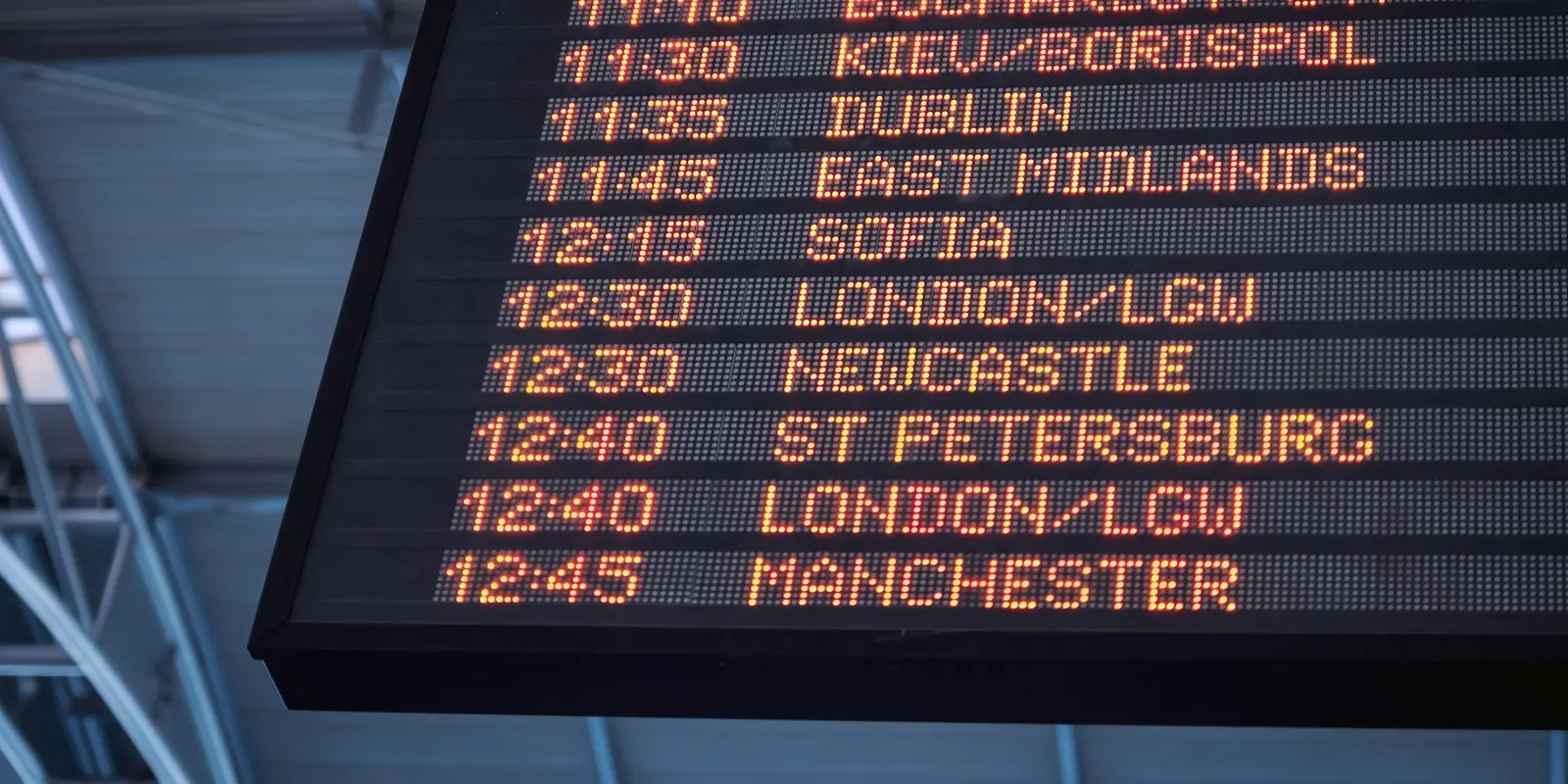
The risk is specific to first-connection plans that cover multiple countries. If your eSIM covers, say, Japan and South Korea on one profile, and your flight connects through Seoul before landing in Tokyo, a phone that auto-attaches to a Korean network during that layover has just started the clock, potentially a day or more before you reach Japan. A single-country Japan-only eSIM wouldn't have this problem on that same layover, since South Korea isn't in its coverage at all and the phone simply won't find a network to attach to. The mechanic itself is well established across the industry: Simology's guide on eSIM activation timing and a similar timing explainer from Unfinishedman both describe the same first-use trigger, and Simple eSIM's piece on layovers specifically confirms that a covered transit stop can consume validity before arrival.
There's no way to pause or reset a first-connection eSIM once it's attached to a network; the days you spent in transit are already counted. Check your plan's remaining validity against your actual trip length going forward, and if you're at real risk of running out before you fly home, co:sim's reloadable plans let you top up the same profile rather than needing a whole new eSIM.
Check Settings → Cellular (iPhone) or Settings → Network & internet → SIMs (Android) for the travel eSIM's line and look at data usage logged for that day; even a small amount indicates an attach happened. On co:sim, your plan's status and remaining validity are visible in your account dashboard, so you can confirm the countdown has started rather than guessing.
Compare your itinerary's layover country against your eSIM plan's coverage list before you fly, not after. A single-country eSIM covering only your final destination sidesteps this entirely, since it has nothing to connect to during a layover elsewhere; a regional eSIM like co:sim's Japan & South Korea plan is worth choosing specifically when you want that layover country covered too, not by accident.
No, not on a first-connection plan, which is what co:sim uses for the large majority of its catalog, including every regional bundle. Installing means downloading the eSIM profile onto your phone by scanning the QR code; the validity clock only starts once that profile actually attaches to a mobile network, which typically doesn't happen until you land somewhere the plan covers and your phone connects. This is exactly why co:sim recommends installing at home on Wi-Fi before departure: it gets the profile ready without starting anything, so you're not troubleshooting installation in an arrivals hall. The distinction matters most for layovers: installing before you fly is always safe, but if your phone auto-attaches to a network during a connecting flight through a country your plan covers, that specific event, not the installation, is what starts the countdown.
Duration doesn't matter; the trigger is the network attach itself, not how long you stayed connected once it happened. Even a brief layover of well under an hour can start a first-connection eSIM's validity if your phone auto-attaches to a covered network at any point during that window, which is common, since phones connect to available towers automatically unless that specific line has been disabled beforehand. What matters is whether the layover country sits inside your plan's coverage area, not whether the stop itself was 45 minutes or 12 hours long. If you want to guarantee a layover doesn't quietly start the clock, disable that eSIM's line specifically, or switch on airplane mode for it, until you actually reach your final destination, regardless of how short the connecting flight is.
It can technically apply to either, since co:sim uses first-connection billing on nearly its entire catalog, but the practical layover risk is almost entirely a regional-plan issue rather than a single-country one. A single-country eSIM, say for Thailand only, has nothing to attach to during a layover in Singapore, so the clock simply doesn't start until you land in Thailand and your phone connects there for the first time. A regional eSIM covering both Singapore and Thailand on one profile is exactly where the risk shows up in practice, because the layover country sits inside the plan's own coverage area, and a phone that auto-attaches there has already started the countdown early, before you ever reach Bangkok. Before buying, check the plan page's coverage list against your actual full itinerary, including any connecting flights, not just your final destination airport.
There's no extension mechanic for a first-connection plan once it has started counting down; the days already elapsed are counted regardless of how or why they began. A general co:sim refund is possible within 30 days of purchase, but only for an eSIM that hasn't been installed yet, and a plan that has already connected to a network doesn't qualify, since it's already delivering the service it was bought for. If a layover leaves you with noticeably less validity than you expected for the rest of your trip, the practical fix is topping up a reloadable plan rather than pursuing a refund that the eSIM's install state won't support. Checking your itinerary's layover countries against the plan's coverage before you buy is the only way to avoid this situation entirely, rather than fixing it after the fact.
Check your plan's coverage against your full itinerary, including layovers, before you fly, so the clock starts where you actually want it to.
Every plan page states its billing-start rule and install deadline up front, so you know exactly when the countdown begins before you buy.
Mexico
1-day trip pass
From $2.99
Canada
1-day trip pass
From $2.99
Brazil
Valid 7 days
From $3.99
Instant delivery by email · Install before you fly
 Travel Tips
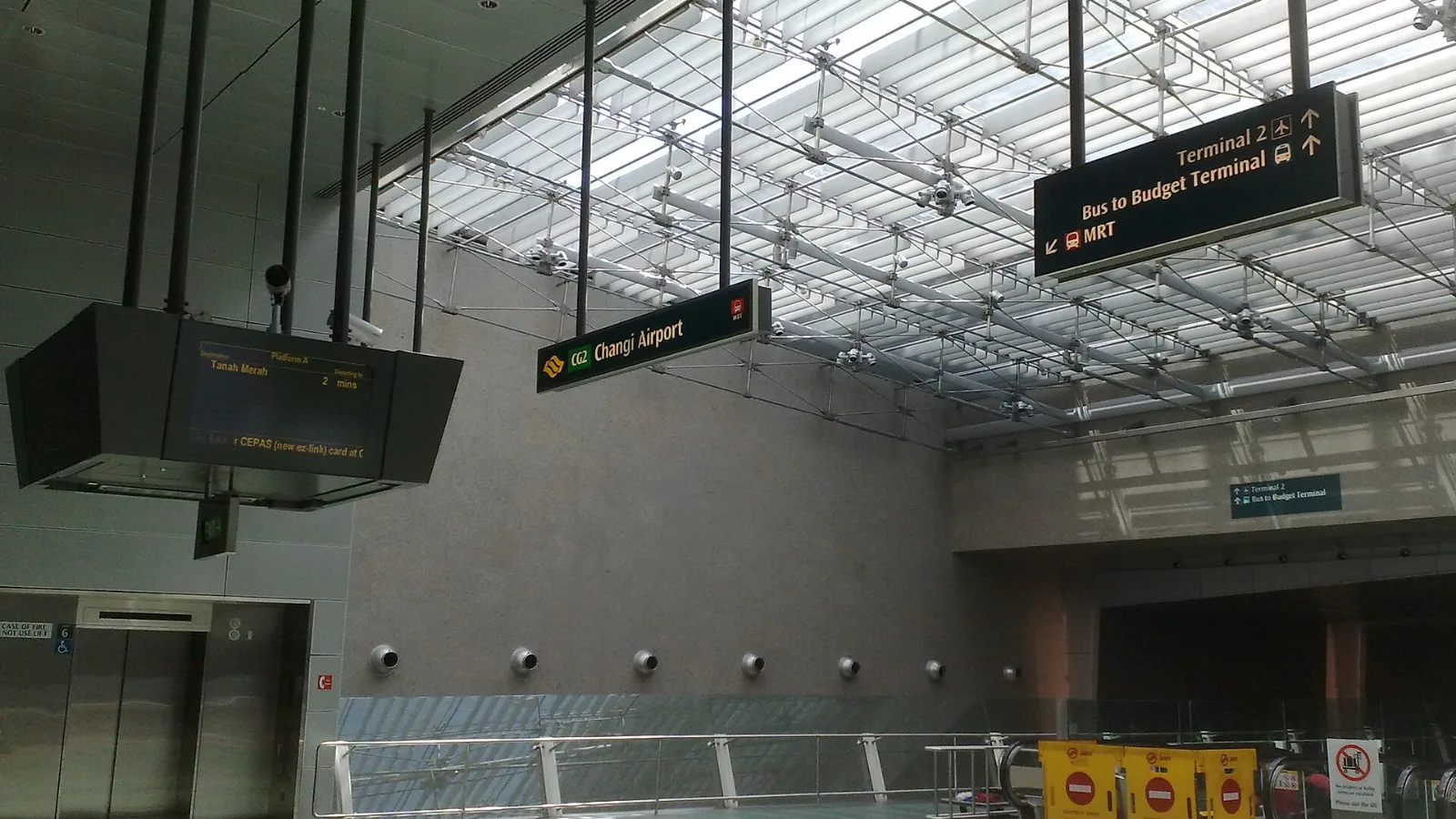
Take the MRT if you are one or two people staying near a train line: it costs about S$2 to S$3 and takes 35 to 50 minutes with one change. Take a Grab or taxi if three or more of you are sharing, you land at Terminal 4 or after the last train, because a car to the city takes about 30 minutes and usually costs S$25 to S$45.
 Travel Tips
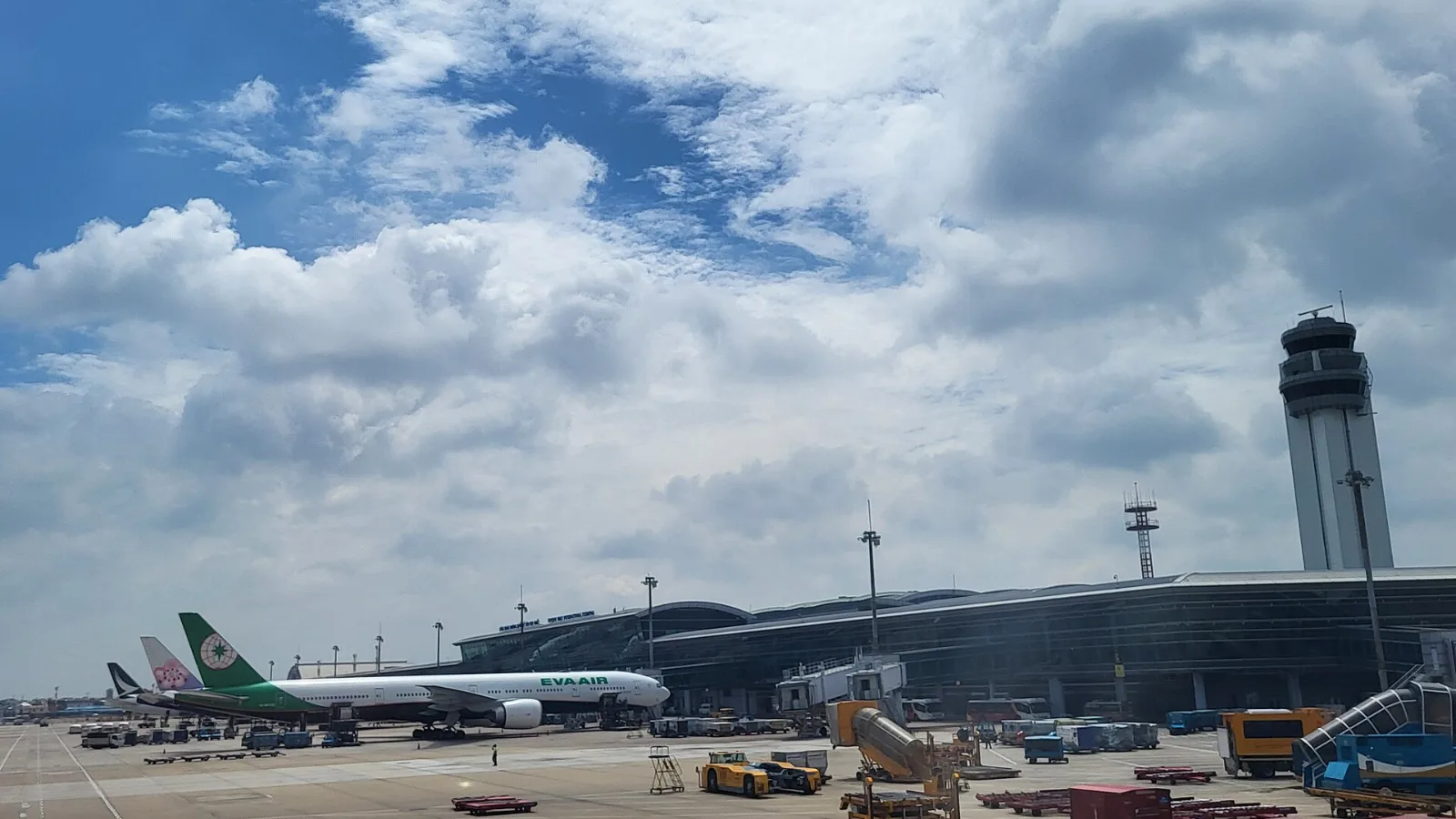
Take a Grab if you land at international Terminal 2, have a suitcase or are two or more people: a GrabCar to District 1 usually costs about 150,000 to 250,000 dong. Take bus 109 only on a tight budget with light luggage, because since 2025 it leaves from domestic Terminal 3, not the international terminal.
 Travel Tips
Take the Keisei Skyliner if your hotel is in Ueno, Asakusa or north-east Tokyo: it reaches Nippori in as little as 36 minutes for ¥2,580. Take the Narita Express if you are staying near Tokyo Station, Shinjuku, Shibuya or Yokohama, because it runs straight there, and the ¥5,200 round-trip ticket brings each leg close to the Skyliner fare.
Valid 7 days
From $3.99
 co:sim Team