Back to Blog
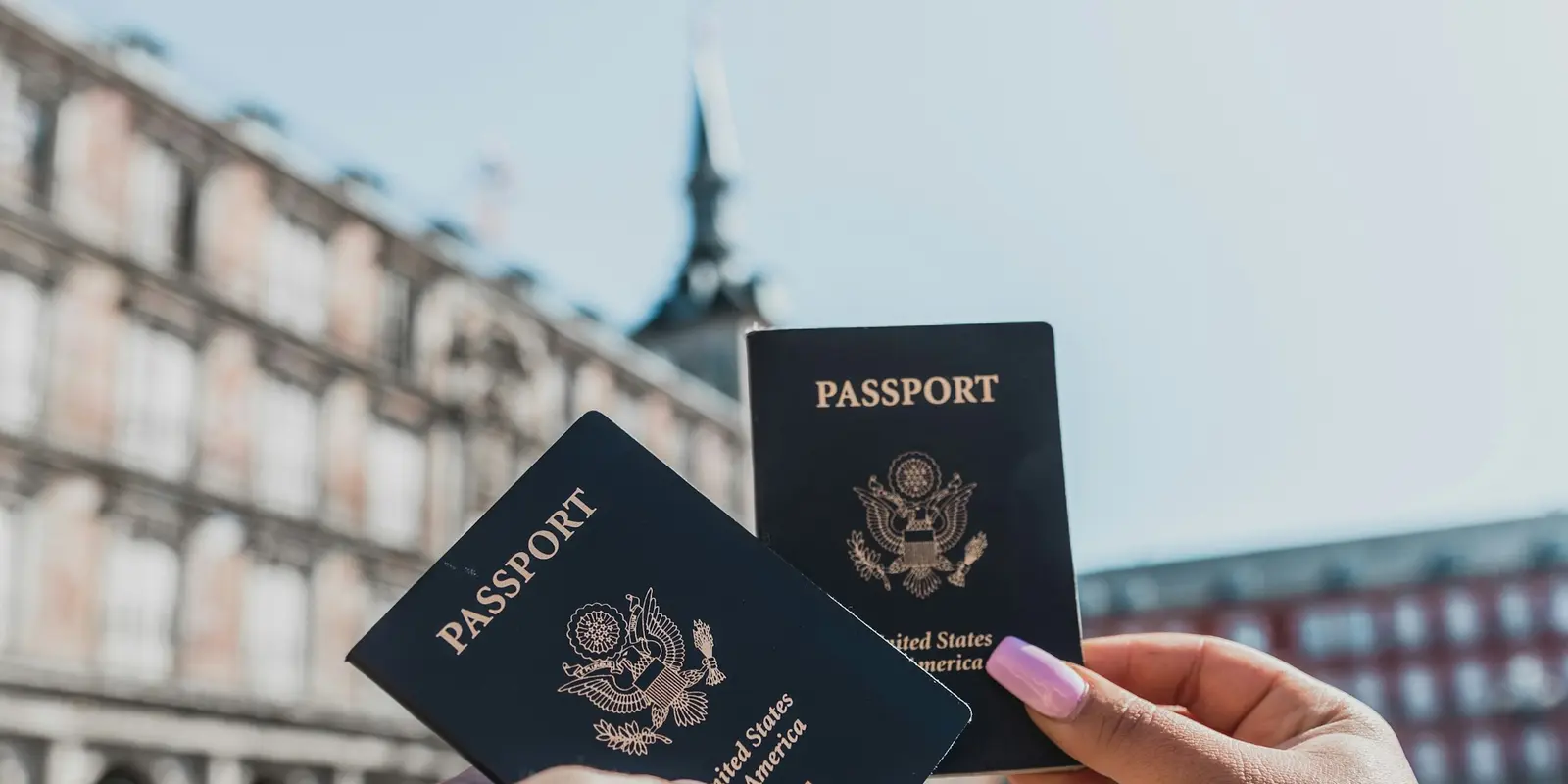
In most countries, yes: buying a local physical SIM as a tourist increasingly means showing a passport, and in Peru and Indonesia, passing a biometric check too. A travel eSIM bought before departure, like co:sim's, skips this entirely, since it's provisioned through international roaming rather than a local carrier's own registration system.
Requirements vary sharply by country, and several tightened significantly through 2025 and 2026 as governments target SIM-swap fraud and scam calls. Here's how five commonly researched destinations compare for a tourist buying a physical SIM from a local carrier:
| Country | ID for a local SIM? | What's required |
|---|---|---|
| Peru | Effectively no for tourists | Foreign passport alone no longer accepted at official stores; biometric fingerprint match against the Migraciones database is required, which visitors on a tourist passport typically can't pass — a pricier tourist-only kiosk (PeruSIM) at the airport is the workaround |
| Philippines | Yes | Passport, proof of a Philippine address, and a return/onward ticket; registration is valid 30 days |
| Argentina | Yes | Valid passport presented in person at a carrier store; kiosks can sell a SIM but can't activate it |
| Indonesia | Yes | Passport and entry visa/stamp; biometric facial verification became mandatory for all new SIM registrations from July 1, 2026 |
| Japan | Yes (new) | Passport or residence card, required for all SIM and eSIM purchases from Japanese carriers since April 1, 2026 — previously data-only SIMs were exempt |
Peru's case is the sharpest: OSIPTEL, the telecom regulator, ruled in late 2025 that foreign nationals can only contract a mobile line in person, with identity verified biometrically against Peru's immigration database (La República). A tourist passport isn't in the accepted document list for that check, which in practice locks most visitors out of a standard prepaid SIM entirely. Indonesia's biometric mandate follows a similar fraud-prevention logic, layered on top of the passport-and-visa requirement that already applied to foreign nationals (Biometric Update).
A travel eSIM works around all of this because of how it's provisioned, not because any country carved out an exception. When you buy a co:sim eSIM, you're not opening a new line with a Peruvian, Indonesian, or Japanese carrier that has to comply with that country's domestic SIM-registration law. Instead, the eSIM connects to local networks through international roaming agreements arranged by the eSIM provider, the same underlying mechanism that lets your home-country phone number roam abroad without a foreign carrier ever seeing your passport. Japan's own April 2026 rule illustrates this precisely: it applies to Docomo, SoftBank, au, Rakuten Mobile, and any other Japanese carrier's data-only SIM or eSIM, but a tourist buying an international travel eSIM before departure completes that purchase outside Japan's domestic retail system, so the identity-verification step doesn't apply to it at all (Telecompaper).
In practice, that means the entire process for a co:sim Peru eSIM or any other destination plan happens before you even leave home: buy online, receive the QR code by email within seconds, and install it through your phone's own Settings app. No passport photo, no biometric scan, and no in-person carrier visit, regardless of how strict that country's rules are for a local SIM bought after landing.
Mexico
1-day trip pass
From $2.99
Canada
1-day trip pass
From $2.99
Brazil
Valid 7 days
From $3.99
For a standard prepaid SIM from an official carrier store (Claro, Movistar, Bitel, or Entel), a foreign tourist passport alone is generally not enough anymore. Since OSIPTEL's late-2025 rules took effect, foreign nationals must complete a biometric verification against Peru's immigration database in person, and most short-term visitors don't have the residency-linked documentation that check requires, which effectively blocks tourists from these stores. The workaround is PeruSIM, a tourist-oriented SIM sold at Jorge Chávez International Airport and a few other tourist locations, which does accept a foreign passport, though at a noticeably higher price than a resident would pay for the same data. A co:sim Peru eSIM bought before arrival avoids this entirely: it installs from an emailed QR code before you land, and never touches Peru's carrier-registration system in the first place, so there's no biometric check or in-person visit to plan around.
Yes. Under the SIM Registration Act (Republic Act No. 11934), tourists registering a Philippine SIM must provide a passport, proof of a local address such as a hotel booking, and a return or onward ticket showing when they'll leave the country (Smart). That registration is valid for 30 days, after which travelers who've legally extended their stay need to update it with their carrier using approved immigration paperwork. The requirement applies whether you're buying a physical SIM or a local eSIM directly from a Philippine carrier like Smart or Globe. A co:sim eSIM purchased before the trip isn't a Philippine-issued line at all, so this registration process, including the 30-day clock, doesn't apply to it; it simply installs and activates on arrival like any other co:sim destination plan.
Yes, in person. Argentine carriers, Claro, Movistar, and Personal among them, require a valid passport to register any new prepaid line, and this applies equally to citizens (with a national ID) and to foreign tourists (Wise). Buying from an informal street kiosk might feel simpler, but the line typically won't activate until you visit an official store with your passport anyway, so it doesn't actually save the trip. Airport kiosks at Ezeiza in Buenos Aires can issue an active SIM on the spot with passport in hand, provided you buy from a carrier that has a stand there. None of this applies to a travel eSIM installed before departure, since it isn't a line opened with an Argentine carrier at all.
Yes, as of the SEMANTIK rollout under Ministerial Regulation No. 7 of 2026, biometric facial verification became mandatory for all new SIM registrations starting July 1, 2026, including those bought by foreign tourists. In practice, a traveler buying a local SIM presents a passport and valid entry visa or stamp, and staff verify identity with a facial scan or liveness check before the line activates (Jakarta Globe). Cards are now distributed inactive and only switch on after that check clears, so an informal seller promising instant activation with no verification is a red flag worth avoiding. A travel eSIM bought before the trip skips the entire process, since it's never registered as an Indonesian carrier line in the first place.
Since April 1, 2026, yes, and this now includes data-only SIMs and eSIMs that were previously exempt. Japan's Ministry of Internal Affairs and Communications requires a passport or residence card for any SIM or eSIM purchased directly from a Japanese carrier, including Docomo, SoftBank, au, and Rakuten Mobile, closing a gap that had let data-only lines go anonymous. This change specifically targets purchases made from Japanese carriers inside Japan; it doesn't reach a co:sim Japan eSIM or any other travel eSIM bought from an international provider before the trip, since that purchase and its compliance obligations sit entirely outside Japan's domestic telecom system. The rule is officially framed as temporary pending a policy review, though no end date has been announced, so travelers relying on a local SIM purchase should expect the passport requirement to stay in place for at least the near term.
The consistent driver across Peru, Indonesia, and Japan's recent changes is fraud prevention: regulators cite rising SIM-swap scams, anonymous scam calls, and identity theft carried out through untraceable prepaid lines. Indonesia's communications ministry specifically pointed to hundreds of millions of scam messages reaching citizens annually as justification for adding biometric checks on top of passport requirements. The trend isn't limited to these five countries either; SIM registration laws requiring some form of ID have spread across dozens of markets over the past decade. For travelers, the practical effect is the same everywhere it happens: a local prepaid SIM increasingly means an in-person visit, a passport, and sometimes a biometric scan, which is exactly what buying a travel eSIM before departure avoids.
Mexico
1-day trip pass
From $2.99
Canada
1-day trip pass
From $2.99
Brazil
Valid 7 days
From $3.99
Instant delivery by email · Install before you fly
 eSIM Guides
Jailbreaking or rooting doesn't disable the eUICC chip an eSIM relies on, so many modified phones can still install one. But it's unsupported, and the same modification can cause real data and connection problems.
 eSIM Guides
A free eSIM trial and a paid plan run on the same network; only data, validity and destination scope differ. Here's how to tell when a trip needs the upgrade.
 eSIM Guides
A practical breakdown of what 1GB of mobile data actually gets you: maps and messaging all day, but under 20 minutes of HD video, using co:sim's own 1GB free trial as a real-world example.
 co:sim Team