Back to Blog
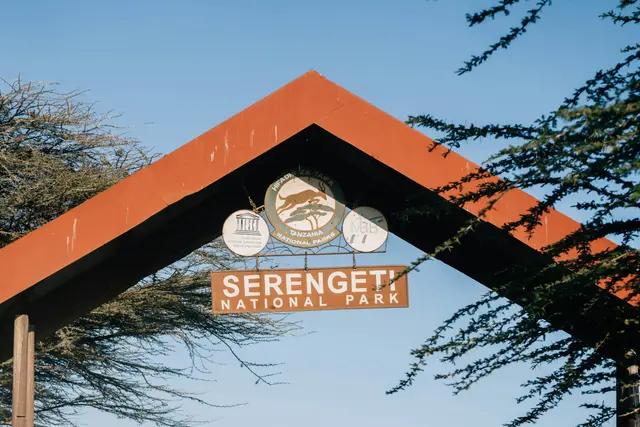
For a single-country Tanzania safari, matching your eSIM to the right local network matters more than chasing the cheapest headline price: coverage around Serengeti and Ngorongoro is concentrated at park gates, lodges, and the crater rim, not spread evenly across the parks. A data-only eSIM like co:sim's Tanzania plan installs before you leave home and activates the moment you land at Kilimanjaro International Airport, so there's no SIM-card counter to queue at on arrival. This guide compares co:sim's Tanzania pricing against Airalo and Holafly on sourced, verified numbers, looks honestly at which network actually reaches the northern safari circuit, and walks through setup before you fly.
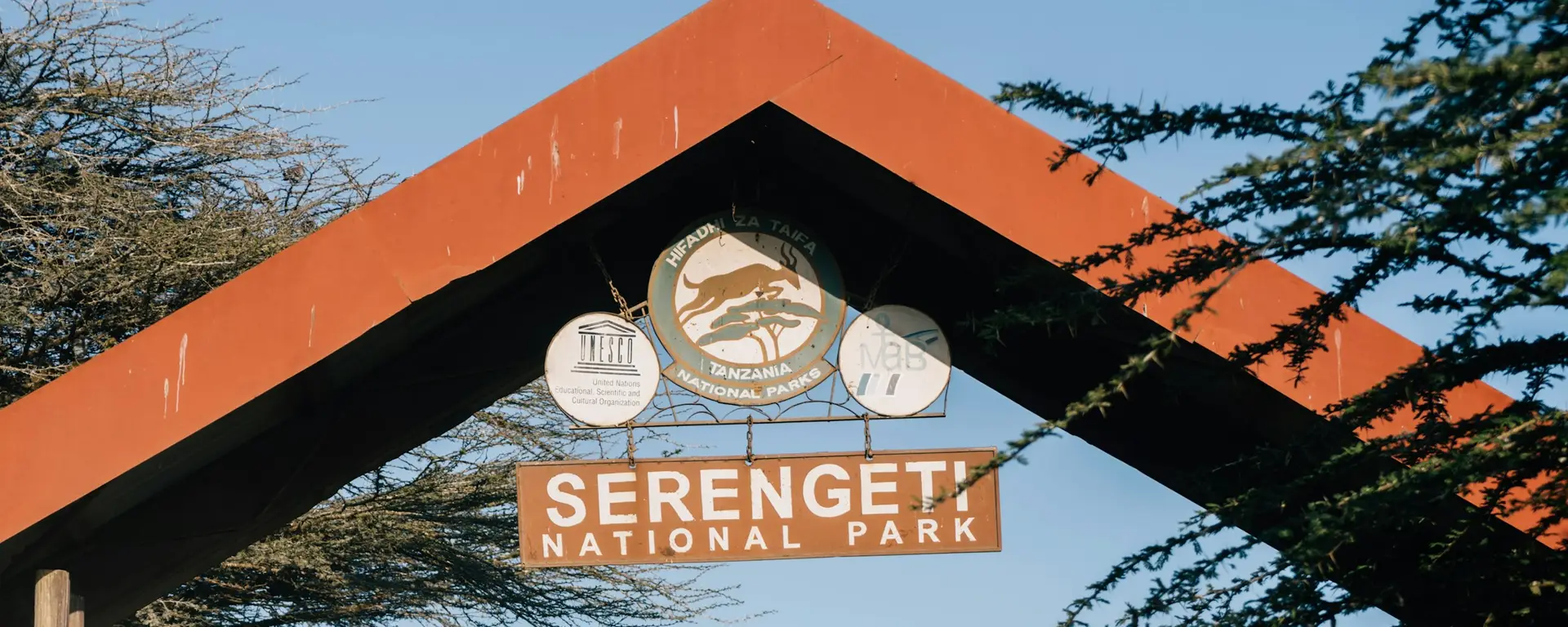
A data-only eSIM (an embedded SIM profile that provides mobile data but no phone number) is built into most phones sold since 2022, so you install it as a downloadable profile instead of swapping a physical SIM card. For Tanzania specifically, four things matter more than the sticker price.

co:sim's Tanzania plan page lists the underlying network, the install deadline, and whether a plan supports top-ups before checkout, so you're not guessing which of the four carriers you'll actually be using at the Naabi Hill Gate.
Figures below come directly from each provider's own Tanzania page, fetched and verified in September 2026. Prices change, so treat this as a snapshot and check the live page before buying.
| Provider | Data | Network in Tanzania | Starting price | Source |
|---|---|---|---|---|
| co:sim | 500 MB to 20 GB tiers, reloadable | Airtel | Priced live on the plan page (see below) | co:sim |
| Airalo | 1 GB to 20 GB+, across five different SKUs (Tanzacomm, Safarilink, Discover, Discover+, Hello Africa) | Varies by SKU | From $4.50 for 1 GB / 3 days | airalo.com/tanzania-esim |
| Holafly | Unlimited | Vodacom | From $19.90 for 3 days | esim.holafly.com/esim-tanzania |
Airalo's fixed-GB tiers are the cheapest way in if you only need a gigabyte or two for maps and messaging, but its Tanzania catalog spans five differently-branded SKUs at different prices, and which of Tanzania's carriers you land on depends on which one you pick. Holafly's unlimited plans cost more per day than fixed-data alternatives, but the trade-off is simplicity: one clearly-stated network (Vodacom), no data cap to watch, and 1 GB of monthly "Always On" backup data if a plan ever throttles.
See co:sim's current Tanzania eSIM plans and pricing →Sources researching this exact question in 2026 don't fully agree, which is itself useful information: no single network dominates the northern safari circuit. Marvels of Africa, a Kenya-based safari operator, names Vodacom as having the "best coverage in parks including Serengeti & Ngorongoro," with the caveat that this means signal near the main gate and central areas, not the whole park; inside Ngorongoro Crater itself, they describe coverage as very limited, improving only around the crater rim where most lodges sit.
Other safari-focused sources report the opposite edge. Independent travel-tech site Too Many Adapters states that if you'll be spending the majority of your time in the Serengeti and Ngorongoro, "Airtel has better coverage there, with slightly cheaper prices than Vodacom." Tanzania-based operator Gnade Safaris similarly flags Airtel for "reasonable coverage in the northern circuit parks including Ngorongoro," though its own 2026 comparison names Tigo/Yas, not either of the other two, as strongest specifically inside the Serengeti itself.

What every source agrees on: none of the four networks covers the parks fully. Expect signal at gates, lodges, and the crater rim, and expect it to drop out on the drive between them, regardless of which SIM is in your phone.
co:sim's Tanzania eSIM currently runs on Airtel, the network more than one of the sources above credits as matching or beating Vodacom specifically around Serengeti and Ngorongoro. That's not a claim that Airtel is the best network everywhere in the country: Vodacom keeps the wider nationwide reach if your trip also covers Zanzibar or Dar es Salaam. But for a trip that stays inside the northern safari circuit, it lines up with what safari operators are actually reporting. If Tanzania is only one stop on a wider trip through Kenya, Rwanda, or elsewhere in Africa, co:sim's 29-country Africa plan covers more ground in one purchase, though expect the same gate-and-lodge coverage pattern in each country, not park-wide signal.
Buy and install your eSIM before you leave, while you're still on reliable home WiFi. co:sim, like most providers, emails the QR code within seconds of checkout, so there's no need to wait until you land to get it.
Installing before departure matters more here than in most destinations: airport WiFi in Tanzania is inconsistent, and you don't want your first QR-code scan attempt to happen in an arrivals hall with no signal yet.
Partially. No Tanzanian network (Vodacom, Airtel, Tigo/Yas, or Halotel) covers the interior of Serengeti National Park, because there's little to no cellular infrastructure once you're away from the main gates and lodge clusters. Multiple safari-focused sources researching coverage in 2026 describe a similar pattern: usable signal near entrance gates, at lodges, and along main access roads, dropping to nothing on game drives further into the park. Ngorongoro Crater follows the same rule: coverage is better around the crater rim, where most lodges sit, and very limited once you descend into the crater itself. A data-only eSIM like co:sim's Tanzania plan connects wherever its network has coverage, the same as a local SIM card would, but it can't create signal where none exists. Most lodges and camps fall back on their own WiFi or satellite internet, commonly Starlink, to fill the gaps during game drives, so it's worth checking with your camp directly rather than assuming mobile data will work throughout.
For a safari that stays in Tanzania, a Tanzania-only eSIM is usually the better choice: it lets you check the specific network (Airtel, Vodacom, or another carrier) before you buy, which matters on a trip where coverage is concentrated at park gates and lodges rather than spread evenly. A regional bundle spreads one data allowance across many countries and is often built on whichever wholesale network is cheapest for the reseller in each one, so you can't always tell in advance which carrier you'll land on there. If your itinerary crosses into Kenya, Rwanda, or elsewhere in East Africa, a multi-country plan like co:sim's 29-country Africa bundle saves you from buying a separate eSIM at every border, at the cost of that same network uncertainty in each country. There's no universally right answer, just a trade-off between predictability and convenience that depends on how many borders your actual itinerary crosses.
It depends on the plan and provider, so check before you buy. Reloadable plans, including co:sim's Tanzania plans that support top-ups, let you add data from your phone or account dashboard without reinstalling anything or buying a second eSIM, which matters on a longer itinerary where a fixed-GB plan can run out before the trip ends. Not every plan is reloadable: some fixed-data and promotional tiers are one-time-use only, so if you expect to need more data than your first plan covers, either buy a larger tier upfront or confirm top-up support on the plan page first. Also worth knowing: a top-up on a reloadable plan doesn't reset your install deadline or swap your underlying network. It simply adds data to the eSIM you already installed, so there's no new QR code to scan or profile to set up while you're away from reliable WiFi.
For most travelers, data-only is enough. A data-only eSIM like co:sim's Tanzania plan gives you mobile internet for maps, messaging apps such as WhatsApp and iMessage, and photo uploads, but it doesn't include a phone number, so it can't make or receive traditional calls or SMS on its own. Since most safari lodges, guides, and tour operators communicate over WhatsApp rather than SMS today, this gap matters less than it used to. If you specifically need a local number, for a hotel that only confirms bookings by SMS, for example, you'd want a local physical SIM or a plan that bundles voice and text alongside data. Keep your home SIM or eSIM active, even without a data plan, if you need to receive calls or verification texts on your usual number; most modern phones support running two profiles at once, one for data, one for your regular number.
You can usually still install it after you land, as long as you find some WiFi to download the profile; most international arrivals areas and hotels have it. The bigger risk isn't missing the install window on arrival, it's missing your eSIM's install-and-activation deadline. Every eSIM plan has a deadline measured from the purchase date, and uninstalled eSIMs can be refunded within 30 days of purchase, with plans that bill immediately at purchase excluded from that window. But if you buy weeks ahead and forget to install and connect before the deadline, the plan is automatically cancelled and becomes non-refundable, even if you never got the chance to use it. co:sim's Tanzania plan page states the exact deadline for each plan before checkout, so it's worth buying closer to your travel date, or double-checking the deadline against your itinerary, rather than stockpiling eSIMs for a trip that's still months away.
A Tanzania safari doesn't need a complicated eSIM setup: pick a plan on the network that actually reaches Serengeti and Ngorongoro, install it before you fly, and let the coverage gaps happen at game-drive distance instead of at checkout. Browse co:sim's Tanzania eSIM plans → to see current pricing, data tiers, and top-up options before you go.
Instant delivery by email · Install before you fly
 eSIM Guides
An independent lifecycle study found eSIMs produce 46% less CO2 than physical SIM cards. Here's where those savings actually come from, sourced and explained.
 eSIM Guides
Compare Guam eSIM data plans and check whether your US carrier already covers Guam. See how co:sim delivers a GTA-network eSIM by email in seconds.
 eSIM Guides
Compare Barbados eSIM data plans by network and coverage. See whether Flow or Digicel fits your trip, and how co:sim delivers a Flow-network eSIM by email in seconds.
 co:sim Team