
Back to Blog
The best eSIM for Suriname is one that matches a specific route: urban use in Paramaribo is not the same connectivity problem as a road toward Albina or a river journey into the interior. The co:sim Suriname page shows current plan details, while offline documents remain essential beyond the populated coastal zone.
Begin with the underlying network and the places you will actually visit. Suriname's Telecommunications Authority publishes regulatory information on the TAS website. Telesur and Digicel Suriname publish current local service information. Together they are useful primary sources for regulation and available operators, but none is a promise of reception at every river bend or forest lodge.
Then compare data volume, validity, activation, and top-up support. Paramaribo navigation, messages, and transport checks consume modest data. Video calls, hotspot use, and automatic photo uploads consume much more. A plan can still be a poor fit when its validity ends before the return flight, even if unused gigabytes remain.
Confirm that the exact handset supports eSIM and is carrier-unlocked. On a dual-SIM phone, keep the home line only when its voice and SMS roaming terms are understood. Select the travel profile for mobile data, disable data roaming on the home line, and turn off automatic data switching.
Use this as a sizing framework rather than a price list. Check the current co:sim data-only catalog shortly before departure. Download entertainment, device updates, and full map regions on trusted Wi-Fi. Pause cloud backups over mobile data when the allowance is limited.

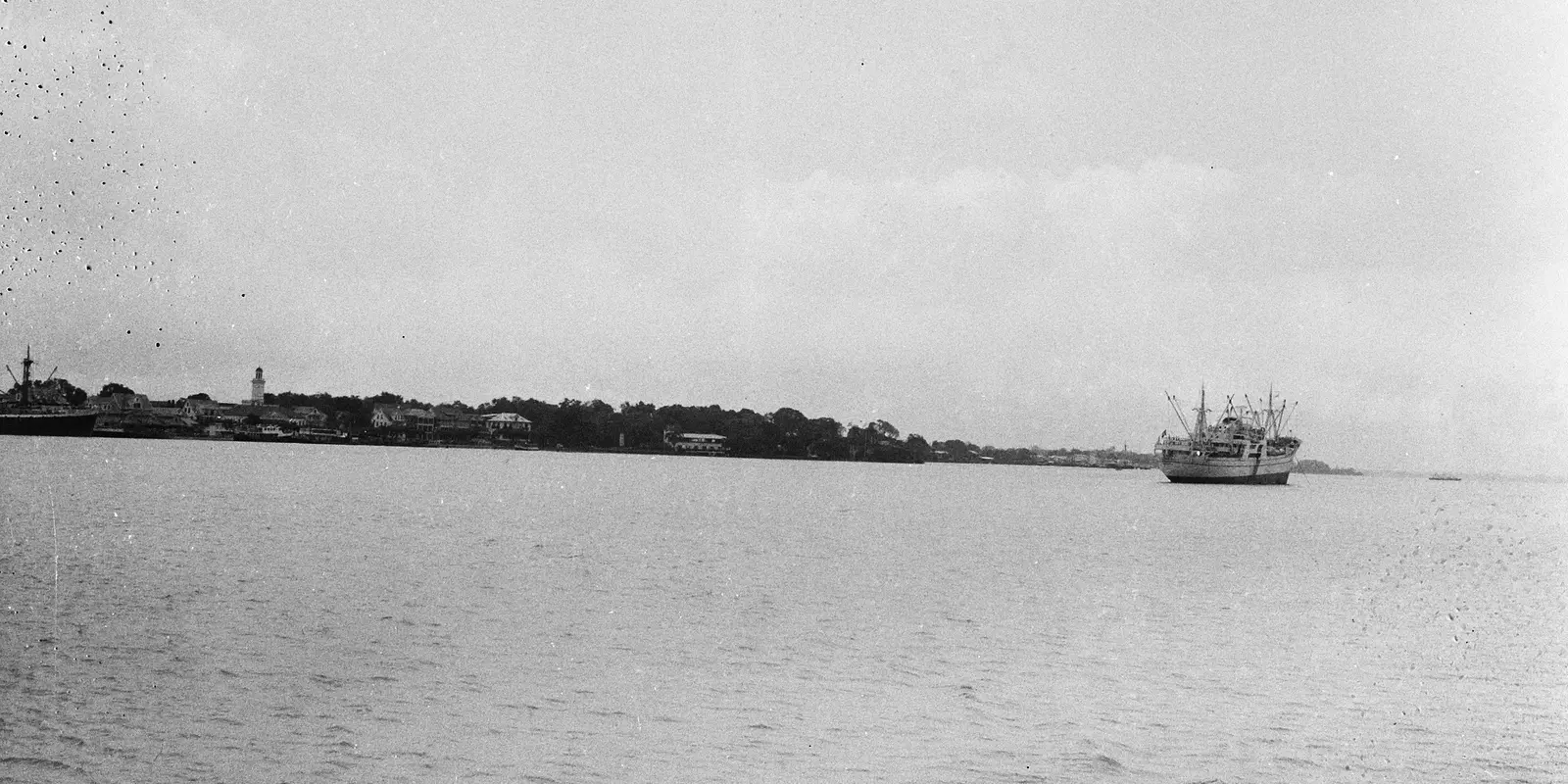
Paramaribo and the more populated coastal corridor are the logical places to activate a profile, test it, and download the next route. Dense construction can still weaken indoor reception. A mobile coverage indication describes expected outdoor service; it cannot guarantee speed inside one guesthouse, market building, or vehicle.
Suriname's settlement pattern makes route planning important. Road journeys along the coastal plain remain closer to towns than river trips or flights into the forested interior. Once a boat travels beyond populated stretches, distance and vegetation can make service intermittent or absent. An ordinary eSIM cannot create towers and is not a satellite communicator.
Before an interior excursion, save the lodge address, operator contact, departure point, and expected return time. Ask the operator what communication method is used beyond cellular coverage. Keep travel insurance and essential medical details offline. When the phone cannot find a network for a sustained period, airplane mode reduces battery drain from repeated searching.
Test a lightweight webpage after landing. If service is delayed, wait several minutes, toggle airplane mode, and restart. Confirm the line is enabled and selected for data. Use manual network selection only when the plan instructions list an allowed network. Do not delete the profile as a first response because another download may not be permitted.
Johan Adolf Pengel International Airport is well outside central Paramaribo, so save the transfer details before the flight. If airport Wi-Fi is unavailable or a profile takes time to register, an offline address and driver's contact prevent a routine delay from becoming a navigation problem.
A local prepaid SIM may suit a long stay that needs a Surinamese number or direct operator support. Current offers and registration requirements should be checked with Telesur or Digicel rather than copied from an old travel post. A store visit, identification, and opening hours can add friction immediately after arrival.
A co:sim data-only eSIM favors advance setup and preserves the physical SIM slot. Messaging apps and internet calls work over data, but it does not include ordinary local voice or SMS. Home-carrier roaming can be simplest when Suriname is explicitly included at a known price; verify the country list, high-speed allowance, and overage terms before enabling it.
For a trip continuing into another country, compare a regional plan only against the exact destination list. Border crossings by road or river do not guarantee that one profile covers both sides. The best structure follows the itinerary rather than the largest advertised region.
Save the Paramaribo accommodation address, airport transfer, next route, booking references, and eSIM instructions. For Commewijne, Albina, Brownsweg, or an interior lodge, download the entire map area and the operator's meeting instructions. Open vouchers once while connected to confirm that the app retains them.
Carry a power bank, particularly for boat journeys where charging may be limited. Do not rely on a cloud-only copy of a passport, prescription, or insurance number. A signal icon proves only that the phone sees a network; load a small webpage before depending on a live call or upload.
For most short urban and coastal trips, yes. Mobile data supports maps, messaging, boarding passes, translation, transport coordination, and internet calls. It does not provide a Surinamese number or traditional cellular SMS, so travelers who require local voice service should compare prepaid SIMs. On a dual-SIM phone, the home line may remain available for bank texts while co:sim handles data, provided roaming is disabled on the home line and its SMS charges are understood. Hotel Wi-Fi can reduce consumption but disappears between the airport, accommodation, and attractions. For an interior expedition, the bigger limitation is coverage rather than allowance: no ordinary eSIM supplies satellite service. Download critical information and follow the tour or lodge operator's communication plan. Confirm that plan before departure.
It may work near populated sections, but continuous reception should not be expected farther into the interior. Both physical SIMs and eSIMs depend on terrestrial towers, and the combination of distance, forest, and river routes creates genuine gaps. Save the departure point, lodge details, operator contact, medical information, and return schedule before leaving Paramaribo or another connected town. Ask the operator what equipment and check-in procedure they use where cellular service is absent. Put the phone in airplane mode during long gaps to conserve battery and check again near settlements. A travel eSIM is useful when a local network is reachable, but it is not an emergency beacon or satellite phone. More gigabytes cannot solve an infrastructure gap. Preparation remains the dependable fallback.
Install it before departure on stable private Wi-Fi, after checking when the plan's validity begins. This gives time to discover an incompatible model, carrier lock, or QR issue without relying on airport connectivity. Label the line, keep the instructions on another device, and leave it inactive until the plan requires activation. After landing, choose it for mobile data and follow the roaming instructions. If it does not connect immediately, wait, toggle airplane mode, restart, and verify the selected data line. Change one setting at a time and test with a simple webpage. Do not delete the profile unless support specifically requests it, because many travel profiles cannot be installed again after removal. Keep the QR and activation details private throughout the trip.
Only when every planned country appears in the current coverage list and the allowance remains suitable for the whole route. A regional profile can reduce switching during a multi-country trip, but a border name does not guarantee coverage on both sides, and river crossings may pass through areas with no signal at all. For a Suriname-only itinerary, a destination plan is easier to assess because its network, validity, and reloadability are shown together. Compare the plan page shortly before purchase and retain offline confirmations for travel days. If the route includes Guyana, French Guiana, or a flight elsewhere, verify each destination individually rather than inferring it from the phrase “South America.” Unused regional coverage does not improve reception inside Suriname.
See current co:sim Suriname eSIM plansPlan around the coastal-to-interior divide, not just a data number, and keep essential river-travel information offline.
Instant delivery by email · Install before you fly
 Destination Guides
Choose between a single-base Mauritius holiday and a Seychelles island route using November climate patterns, transfer needs and your preferred pace.
 Destination Guides
A three-day Strasbourg–Colmar Christmas-market route, with confirmed 2026 announcements and a clear distinction between current trains and old shuttle dates.
 Destination Guides
Spend a week in Ljubljana, Bled and Bohinj without renting a car. Choose connected overnight bases and protect your return journey.
| Itinerary | Practical starting point | Main data uses |
|---|
| Paramaribo city break | Small allowance | Maps, messages, restaurants, rides |
| Paramaribo plus Commewijne | Medium allowance | Navigation, bookings, photo sharing |
| Coastal road trip | More validity and data | Repeated maps and transport changes |
| Remote work | Larger allowance plus fixed Wi-Fi | Calls, files, and hotspot use |
 co:sim Team