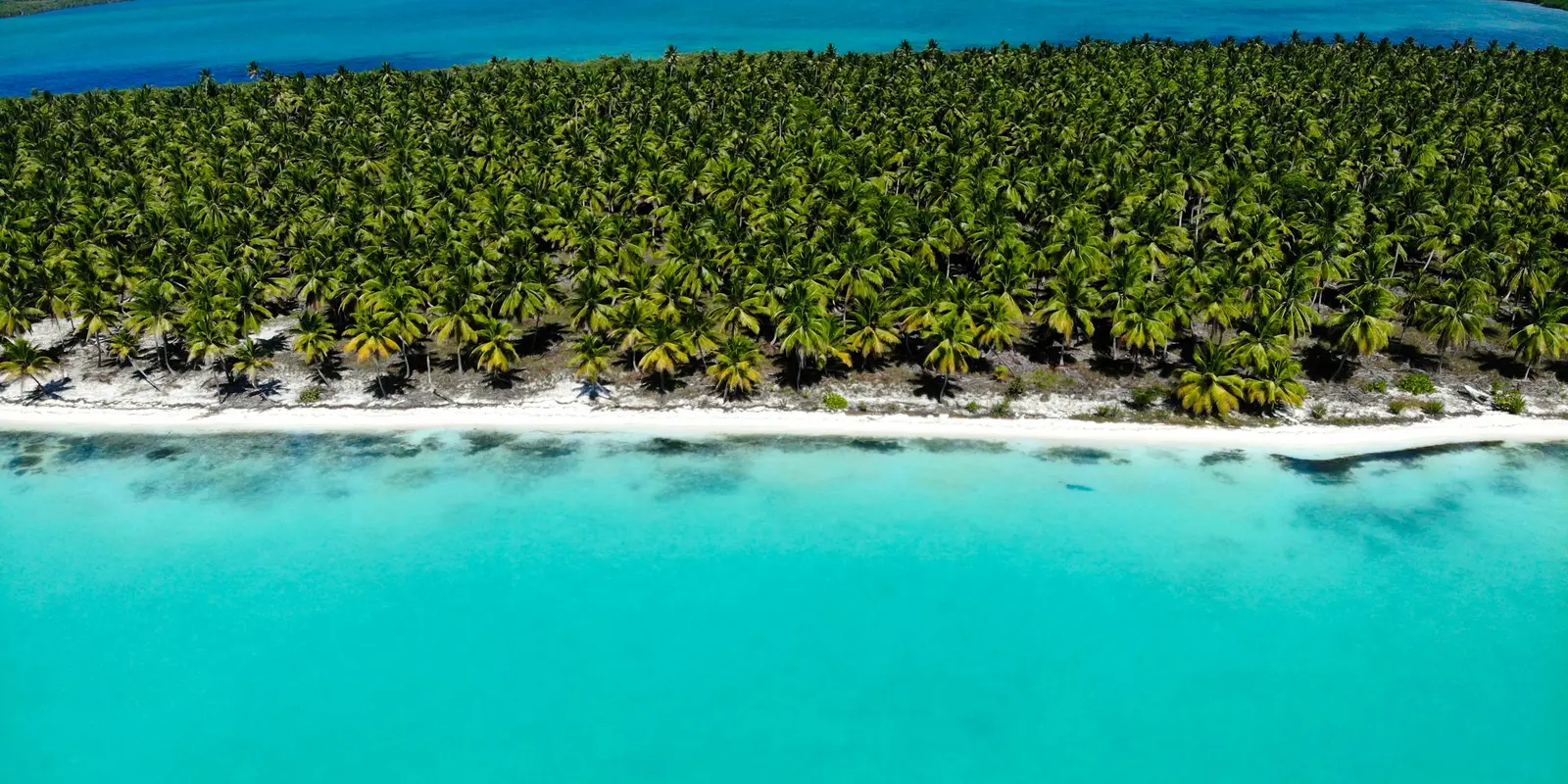
Best eSIM for Panama (2026): Plans, Prices & Coverage
 co:sim Team
The best eSIM (embedded SIM) for Panama is a data-only plan you install before you land, so you skip both the SIM counter at Tocumen International Airport and your home carrier's roaming rates the moment you touch down. co:sim's Panama eSIM runs on a 4G network with tiers from a 500MB daily pass up to 20GB over 30 days, and every plan lists its install deadline and top-up support on the product page before you pay. Panama's eSIM prices start a little higher than several of its Central American neighbors, which is worth understanding before you buy the smallest plan out of habit.
This guide covers what actually matters when picking a Panama eSIM, how the local network landscape has shifted since Movistar became Tigo, where coverage genuinely thins out (Bocas del Toro's outer cays, the San Blas archipelago), and how to have data working the moment you clear immigration at Tocumen.
#What Should You Look for in a Panama eSIM?
Start with how much data your trip actually needs. A week in Panama City doing maps, messaging, and social media rarely needs more than 3-5GB; add daily video calls or heavy navigation for a road trip to Boquete or the beaches, and 10GB is a safer floor. Panama's smallest co:sim tier is a 500MB/day pass, useful for a short layover, but it isn't reloadable, so a longer stay is better served by one of the fixed-data 30-day plans instead.
Check three more things on any plan before paying: whether it supports a top-up if you run low mid-trip, how many days you have to install it after buying, and which network generation it runs on. co:sim's Panama eSIM connects over 4G, and each plan page states its install deadline and top-up eligibility upfront rather than leaving you to find out after checkout.
Panama is also unusual on this site for its starting price. co:sim's cheapest Panama plan runs $6.99 for a 500MB daily pass, notably more than the $2.99 entry price for the same 500MB/day tier in neighboring Costa Rica or Mexico, and more than the Dominican Republic's $5.99 entry plan, which includes a full 1GB over 7 days rather than a single throttled day. The exact wholesale cause isn't published by any carrier, but it tracks a pattern across co:sim's own catalog: destinations with fewer competing wholesale roaming agreements tend to carry a higher base rate per GB, and Panama's smaller, more consolidated carrier market fits that pattern.
#Which Panama eSIM Plan Should You Buy?
| Short trip / layover | One to two weeks | Longer stay or heavy use | |
|---|---|---|---|
| Best co:sim tier | 500MB/Day or 1GB/7 Days | 3GB or 5GB over 30 days | 10GB or 20GB over 30 days |
| Price range | $6.99-$10.99 | $28.99-$44.99 | $77.99-$133.99 |
| Reloadable | No (500MB/Day only) | Yes | Yes |
| Best for | Tocumen stopovers, weekend trips | Panama City plus Bocas or Boquete | Remote work, long-stay travelers |
If your trip stays entirely inside Panama City and a couple of day trips, the mid-tier plans cover that comfortably. If you're also crossing into Costa Rica on the same trip, that requires its own eSIM. co:sim's Costa Rica plans work the same way: install before you cross, and the two eSIMs run independently on the same phone.
#Which Mobile Network Is Best in Panama?
Panama's mobile market changed hands in 2019: Millicom, which operates under the Tigo brand, bought Telefónica's Panama unit, then known as Movistar, for roughly $594 million, adding about 1.6 million subscribers to what became Tigo Panama. co:sim's Panama eSIM still connects through the operator network that wholesale roaming agreements list as Movistar, the same underlying infrastructure Millicom rebranded to Tigo at the retail level, so the SIM works the same way even though the storefront name changed.
Today, four networks compete in Panama, though not evenly. +Móvil (Cable & Wireless) is widely described as the broadest, most consistent network, reportedly holding signal along most of the Pan-American Highway and across small towns that other carriers skip. Tigo runs a close second, generally strongest in Panama City and along major routes but weaker once you leave them. Claro's independent infrastructure has been substantially absorbed into other networks over time, and Digicel's coverage is unreliable outside the main cities, a pattern independent reviewers confirm across both carriers.
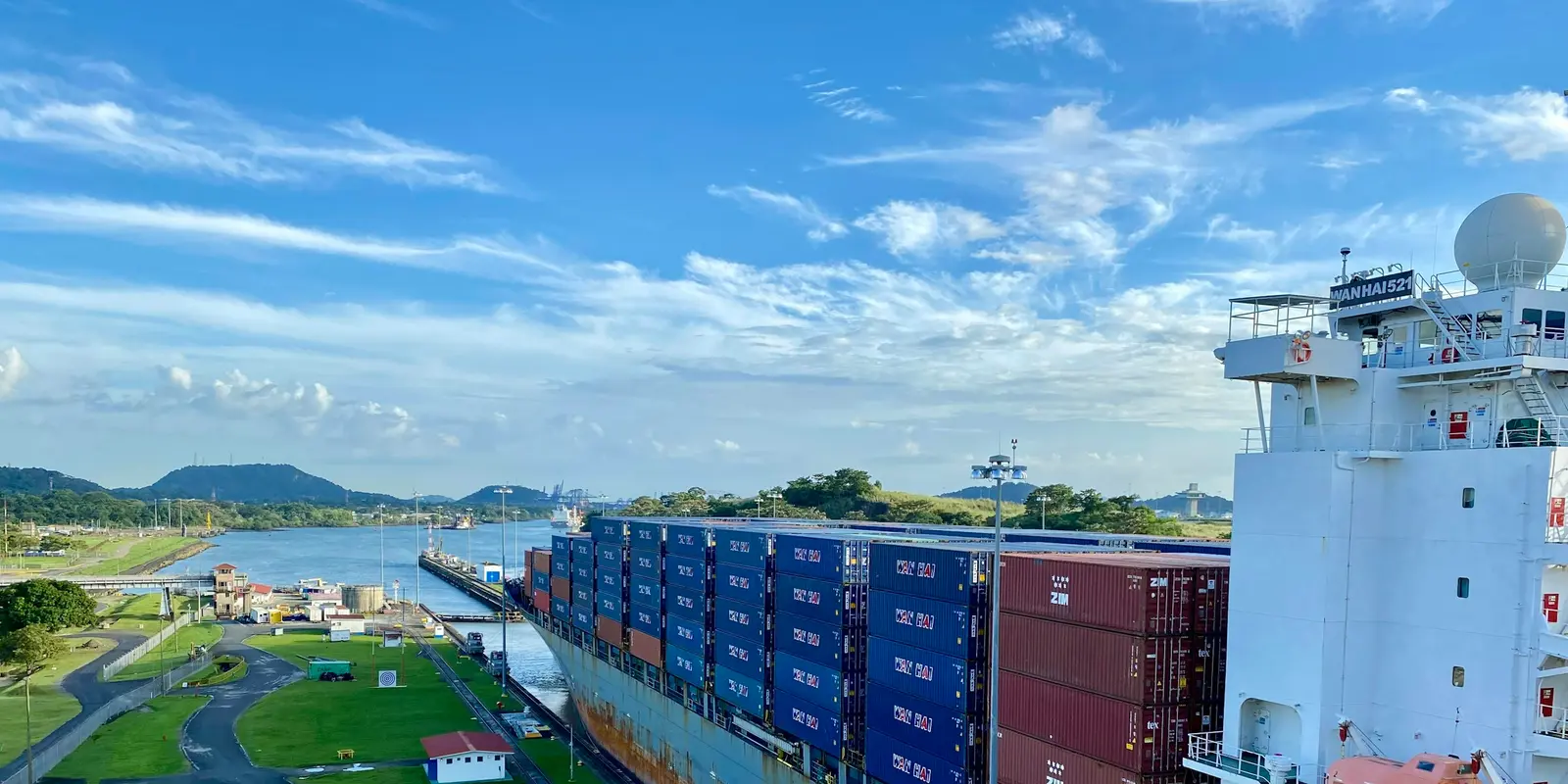
That transit-hub identity extends past the canal into air travel. Tocumen International Airport handled 20.9 million passengers in 2025 and remains Latin America and the Caribbean's largest international gateway by that measure, and more than three-quarters of a recent month's traffic there was connecting passengers rather than final-destination arrivals. Copa Airlines' own Panama Stopover program, which lets transiting passengers break their journey in the city rather than sitting out a layover at the gate, served over 200,000 travelers in 2025, up more than 25% from the year before. If you're one of them, a short-validity co:sim plan covers the stopover itself without committing to a longer package you won't use.
#Does Panama Have Cell Coverage in Bocas del Toro and the San Blas Islands?
Mostly in the towns, less so past them. Bocas Town on Isla Colón sits inside the main coverage footprint of Panama's carriers, and travelers generally report usable 4G there for maps and messaging. The pattern that repeats across independent Panama travel guides is that signal, like electricity, follows population density: it's strong in cities and along the Pan-American Highway corridor and weakens fast in mountainous, jungle, and offshore areas, with guides specifically naming the Darién Gap and outlying islands as natural dead zones caused by the terrain itself, not a single carrier's failure.
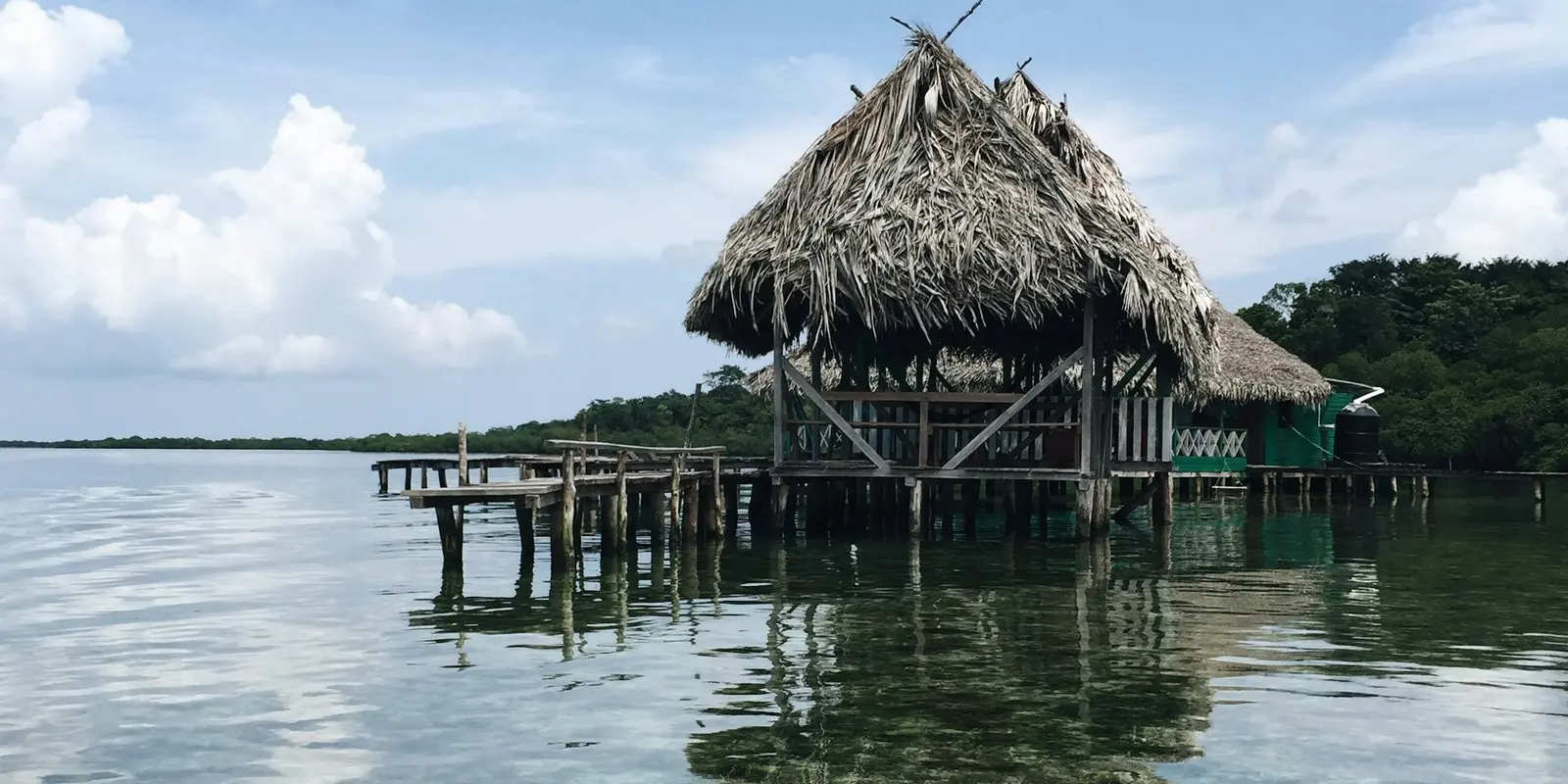
The San Blas Islands (Guna Yala), an autonomous Indigenous territory governed by the Guna people, are the more extreme case. Most island cabanas there run on solar power or a generator that shuts off overnight, and Wi-Fi isn't offered in typical accommodations. Cell coverage tends to follow the same pattern as that limited power infrastructure. If San Blas is on your itinerary, treat it as a deliberate offline stretch: download offline maps and let people know you'll be unreachable for a day or two, the same advice independent guides give regardless of which carrier's eSIM or physical SIM you're carrying.
#How Do You Set Up a Panama eSIM Before You Fly?
- Buy your co:sim Panama eSIM before departure, while you still have reliable Wi-Fi — the QR code arrives by email within seconds of checkout, so there's no need to wait for the airport.
- Install it from Settings while still on home Wi-Fi (iPhone: Settings → Cellular → Add eSIM; the exact wording varies slightly on Android).
- You don't need to activate it immediately — co:sim gives you 90 days from purchase to install the Panama eSIM, so buying early doesn't burn your validity window before the trip starts.
- Set the new eSIM as your data line and turn off data roaming on your home SIM before boarding, so you're not billed the moment you land.
- Land at Tocumen, enable cellular data on the new eSIM, and it should register on a local partner network automatically, no manual APN entry required.
#FAQ
#What is the best eSIM for Panama in 2026?
The best Panama eSIM is a data-only plan sized to your actual trip and installed before you fly, not necessarily the cheapest per-GB option. co:sim's Panama eSIM runs on 4G with tiers from a 500MB daily pass to 20GB over 30 days, each listing its install deadline and top-up eligibility on the product page before you pay. For a short Tocumen stopover, a daily pass or the 1GB/7-day plan usually covers it; for a week or more in Panama City plus day trips to Boquete or the beaches, a mid-tier 30-day plan with top-up support is the more practical buy, since it adds more data mid-trip without forcing a reinstall or a new QR code. Data-only means the plan carries no phone number, just mobile data, so calling and texting still route through apps like WhatsApp or iMessage rather than a cellular line.
#Is Movistar still available in Panama?
Not as a retail brand. Telefónica sold its Panama mobile unit, then branded Movistar, to Millicom in August 2019, and the network was fully rebranded to Tigo at the retail level in 2020, ending Movistar's public-facing presence in the country. The underlying infrastructure didn't disappear, though: wholesale roaming agreements, including the one co:sim's Panama eSIM uses to connect travelers, still list the network by its former Movistar name, so a data-only eSIM connects the same way it always did even though the storefront and physical stores now say Tigo. If an older guide or a source tells you to look for a Movistar store in Panama today, expect a Tigo sign in its place; the coverage and network quality behind that sign hasn't fundamentally changed with the rebrand.
#Does my phone get signal in Bocas del Toro?
Usually yes in Bocas Town on Isla Colón, where independent travel guides consistently report usable 4G for maps, messaging, and social media across Panama's carriers. Coverage thins out fast once you leave the main town for the outer cays and more remote parts of the archipelago, following the same pattern that limits electricity and Wi-Fi there too. This isn't a carrier-specific gap unique to one network; it reflects Panama's terrain and population density more broadly, the same reason mountainous and jungle regions elsewhere in the country see the same drop-off. Travel guides recommend downloading offline maps for any stretch of a Bocas trip that goes beyond the main island's town center, and treating a day out on the water or a stay on a quieter cay as a likely offline period, regardless of which network's eSIM or physical SIM card you're carrying.
#Why are Panama eSIM plans more expensive than nearby countries?
co:sim's cheapest Panama plan starts at $6.99 for a 500MB-per-day pass, compared with $2.99 for the identical tier in Costa Rica or Mexico, and more than the Dominican Republic's $5.99 entry plan, which includes a full 1GB over 7 days rather than a single throttled day. No carrier publishes the exact wholesale reasoning behind that gap, so this shouldn't be overstated as a settled, sourced fact, but it fits a pattern visible across co:sim's own catalog: destinations with fewer competing wholesale roaming partnerships and a smaller, more consolidated carrier market tend to carry a higher base rate per gigabyte. Panama's mobile market is effectively a two-network contest between +Móvil and Tigo, with Claro largely absorbed and Digicel limited to city coverage, which may factor into it. Either way, checking the per-gigabyte price on a longer 30-day plan rather than defaulting to the cheapest daily pass usually gets noticeably better value for anything beyond a two- or three-day trip.
#Can I use my Panama eSIM if I'm just passing through on a layover?
Yes, and Tocumen's role as a connection hub makes this a common, well-documented case rather than an edge case. More than three-quarters of a recent month's passenger traffic through Tocumen International Airport was transit travelers rather than final arrivals, and Copa Airlines' own Panama Stopover program served over 200,000 people in 2025 who chose to break up a long layover and see the city instead of waiting it out at the gate. A short co:sim plan, like the 500MB/Day pass or the 1GB/7-day option, covers maps, ride-hailing apps, and messaging for a same-day stopover without committing you to data you won't use on a longer 30-day plan you'd never fully spend during a single layover. Install it before you fly rather than at the gate, so it's already active the moment you land and clear immigration.
#Do I need a separate eSIM for the San Blas Islands?
You don't need a different eSIM, but you should expect the one you have to do less work there than in Panama City. San Blas (Guna Yala) is an autonomous Indigenous territory governed by the Guna people, with limited electricity across most of its islands, typically solar-powered or generator-run and switched off overnight, and no Wi-Fi offered in standard island accommodations according to independent travel guides. Cell coverage tends to follow that same infrastructure constraint rather than any one carrier's specific failure. Your co:sim Panama eSIM will still connect wherever a signal genuinely reaches, but plan for real offline stretches rather than counting on data the whole trip, and download offline maps plus any information you'll need before you leave the mainland behind.
Panama's mix of a major international layover hub, a canal that put it on every shipping map, and outer islands with next to no infrastructure means "best eSIM for Panama" depends heavily on which Panama you're visiting. Buy a plan sized to that trip, install it before you fly, and expect the outer islands to be the one place data doesn't reach.
Get co:sim's Panama eSIM