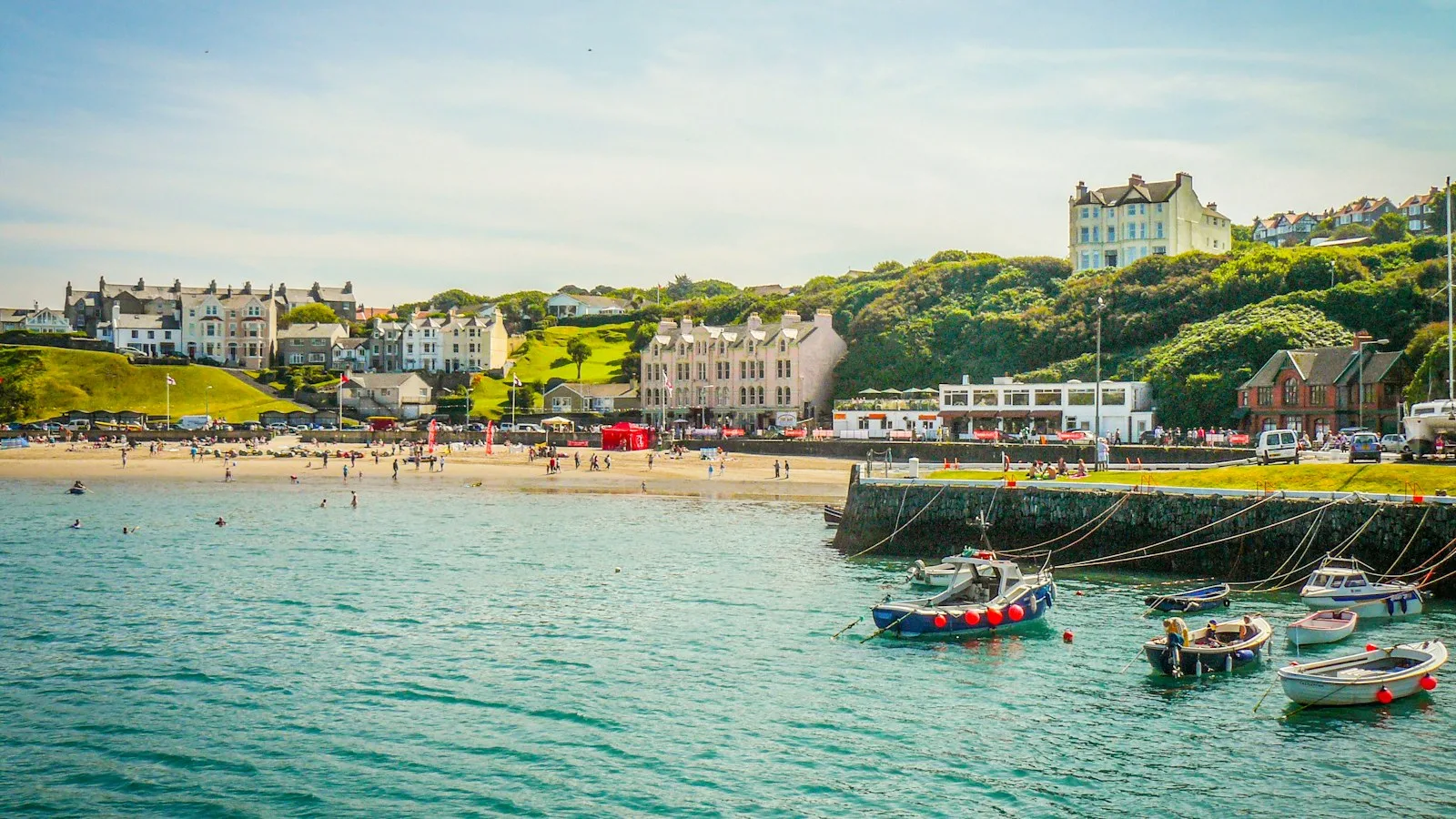
The Isle of Man sits in the Irish Sea between England, Scotland, Wales and Northern Ireland, and most visitors arrive by ferry from Heysham or Liverpool, or on a short flight. It is a Crown Dependency, so it is not part of the United Kingdom and was never in the EU or EEA. Some UK carriers include it in their home or Europe allowances; others have stopped. co:sim's Isle of Man eSIM runs on a local Manx network (listed as Pronto GSM, 4G). This guide covers the roaming rules, the plan options, coverage across the island, and what to expect during the TT races.
UK phone plan: check your carrier's current list of included destinations. Treatment of the Isle of Man differs between UK networks and has changed over time.
EU or EEA phone plan: EU roaming rules do not apply on the Isle of Man.
Other international plans: standard roaming rates apply, so a prepaid eSIM is usually cheaper.
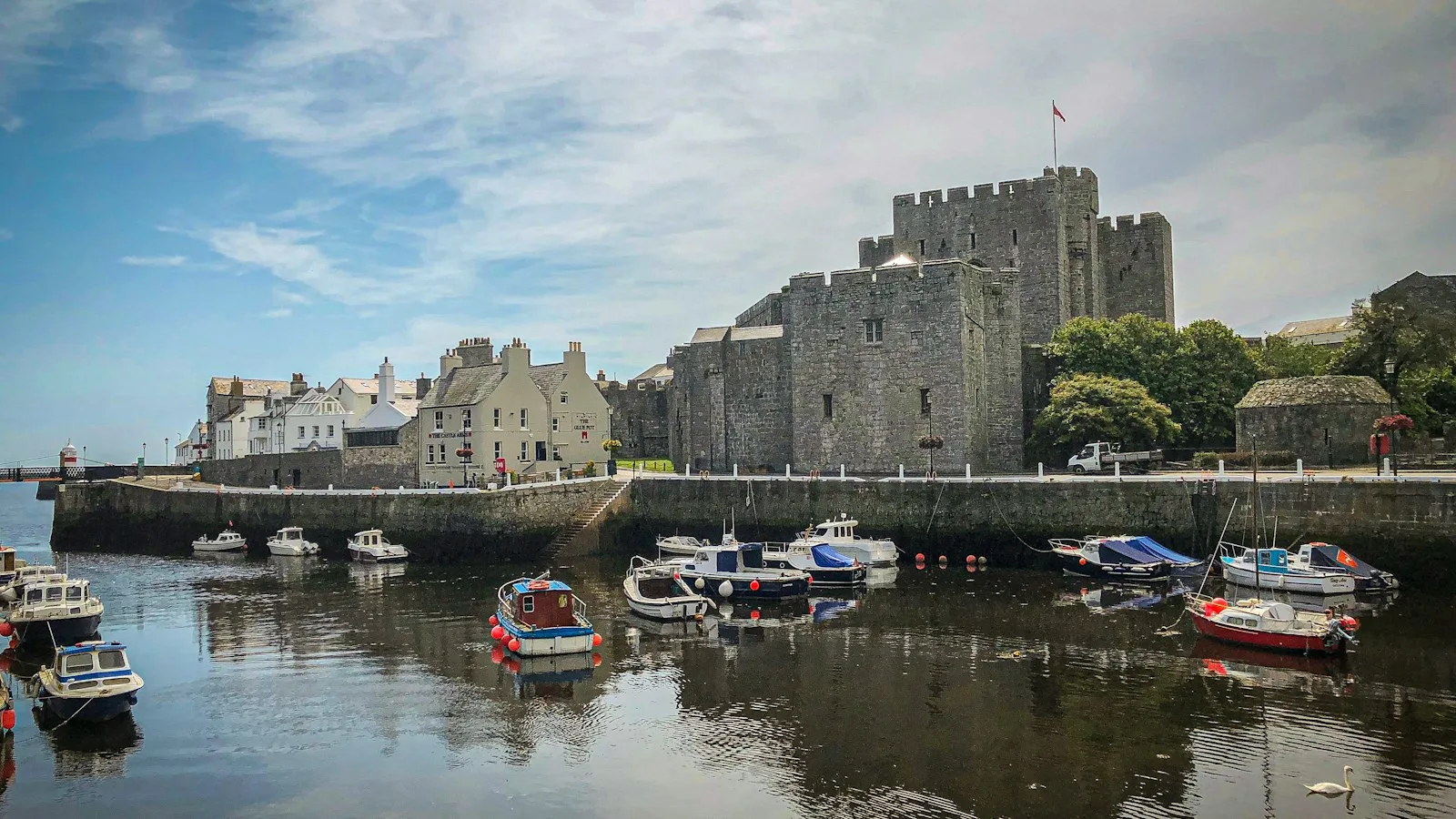
Douglas, Ramsey, Peel, Castletown and the main roads between them are well covered. Signal is weaker in the uplands around Snaefell, in the glens, and along stretches of the coastal path. The Snaefell Mountain Railway and the Manx Electric Railway pass through areas where reception comes and goes, so download timetables and offline maps before you set out.
During TT fortnight (late May to early June) the island's population swells, and tens of thousands of fans gather along the Mountain Course. Expect mobile data to slow down at popular viewing spots such as Creg-ny-Baa, Ballaugh Bridge and the grandstand in Douglas. A few practical tips:
Download the race schedule, road closure maps and your ferry tickets before race day.
Choose a plan with some headroom: live timing and video clips use more data than you expect.
Agree on meeting points in advance rather than relying on messaging in crowded areas.
 co:sim Team