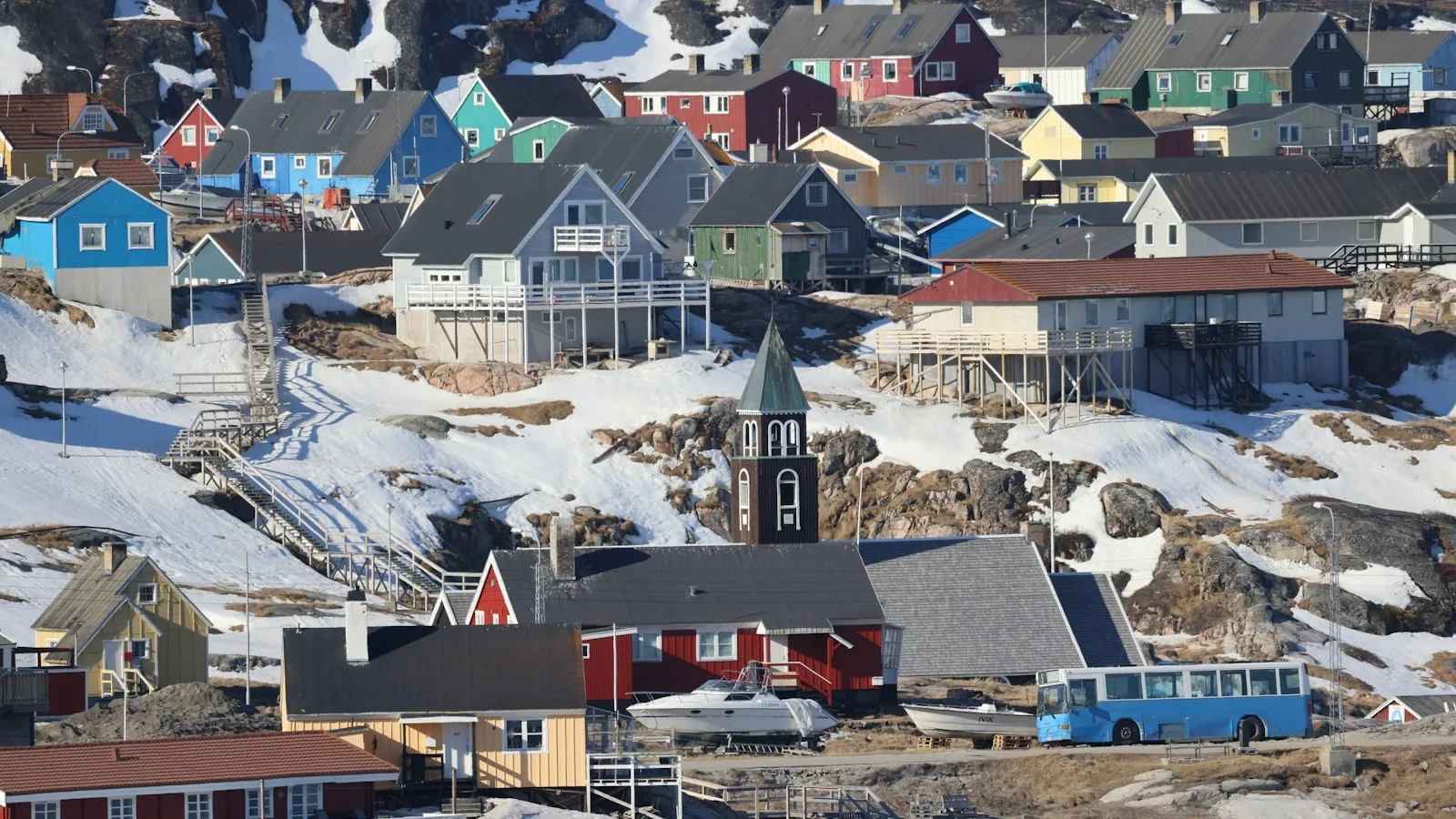
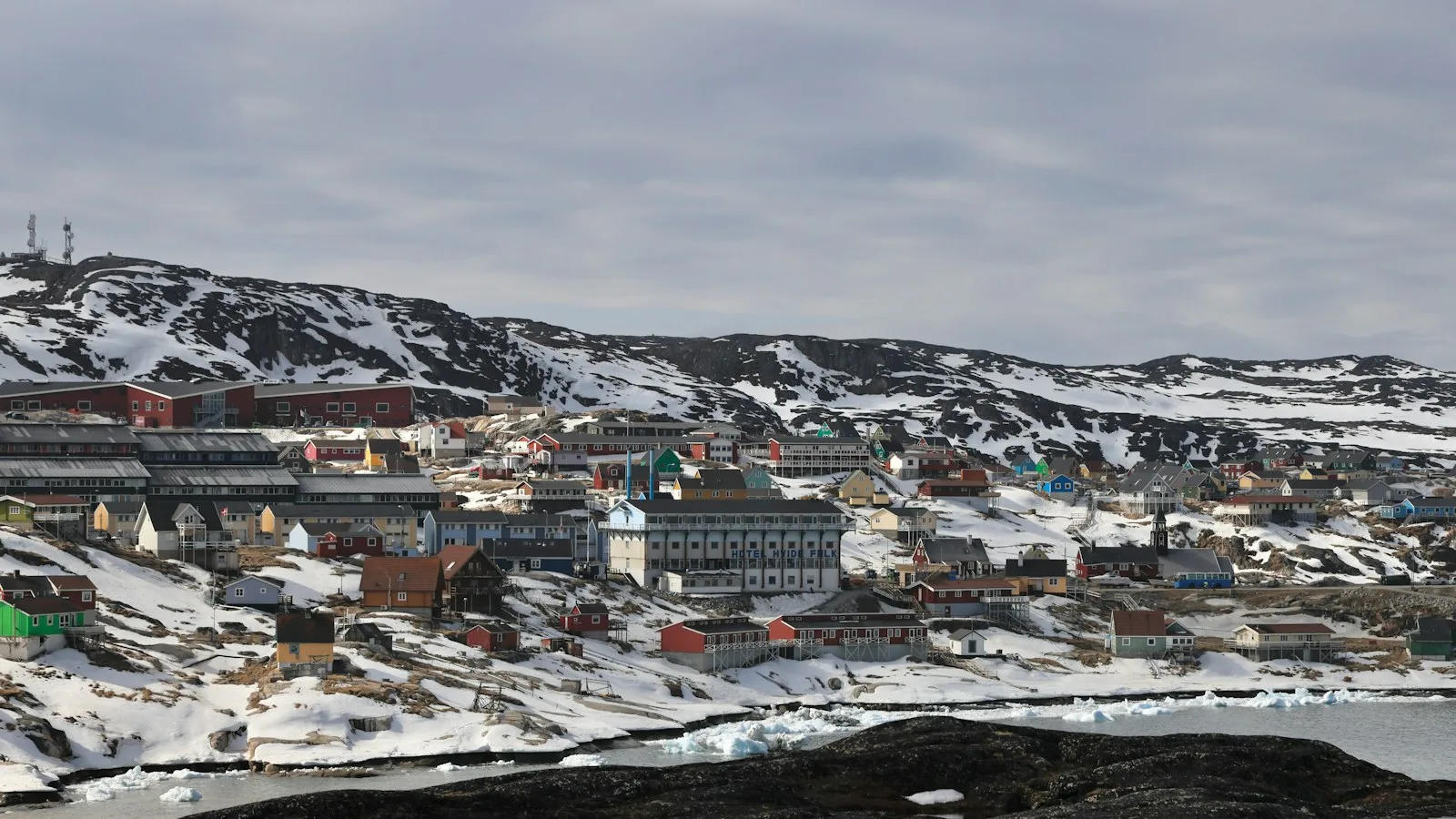
Greenland is one of the most remote places you can travel with a phone. There is a single mobile operator, Tusass (formerly TELE Greenland), and there are no roads between towns, so coverage exists in and around settlements rather than across the country. Mobile data is also expensive, because much of it travels over satellite and subsea links to reach the rest of the world. co:sim's Greenland eSIM connects to the Tusass network (listed as TELE Greenland, 4G). This guide sets honest expectations: where you will have signal, what the plans cost, and when another option makes more sense.
Greenland is part of the Kingdom of Denmark, but it is not part of the EU (it left the European Communities in 1985). EU roaming rules do not apply, and many European, UK and international plans charge high rates there or do not include it at all. Check your carrier's terms before you land in Kangerlussuaq or Nuuk, and turn off data roaming on your home line if you are not sure.
The Greenland eSIM runs on Tusass (4G). At the time of writing (October 2026):
Plan type
Options
Price
Daily plans
1GB or 2GB of high-speed data per day
from $16.99 per day
Fixed data
1GB / 7 days
$18.99
Fixed data
3GB / 30 days
$47.99
Fixed data
5GB / 30 days
$72.99
Fixed data
10GB / 30 days
$120.99
Fixed data
20GB / 30 days
$224.99
These prices reflect how costly data is in Greenland generally, not only through co:sim. For most visitors, a small fixed plan used for maps, messaging and essentials is the sensible choice. Validity starts at first connection, and you have 90 days to install.
Local alternative: Tusass sells a tourist prepaid plan called Hello Greenland, available as eSIM or as a SIM from shops in Nuuk, Sisimiut and Ilulissat (Tusass). It includes a local number, calls and SMS. If you need a Greenlandic number or will stay for weeks, compare it with the co:sim plan.
Towns: Nuuk, Ilulissat, Sisimiut, Kangerlussuaq and other towns have 4G coverage in and around the built-up area.
Settlements: most smaller settlements have some coverage, but speeds and capacity vary.
Between places: on the ice sheet, in the fjords, on hiking routes such as the Arctic Circle Trail and on boat trips, expect no mobile coverage for long stretches.
Cruise ships: at sea, phones may connect to the ship's own satellite network, which is billed separately and often at very high rates. Turn off mobile data at sea unless you have bought the ship's package.
For expeditions or multi-day hikes, do not rely on mobile data for safety. Carry a satellite communicator or a personal locator beacon, and register your route where local rules require it.
The country's connections to the rest of the world rely on satellite and subsea cable links, and there is a single operator serving a very small population spread across huge distances.
If you use data mainly for messages, maps and checking plans, 1GB to 3GB is often enough for a week, especially if you use Wi-Fi where it is available.
Greenland rewards careful planning. Treat mobile data as a useful extra in towns, not as a lifeline in the wilderness, and pick a plan sized for the essentials.

 co:sim Team